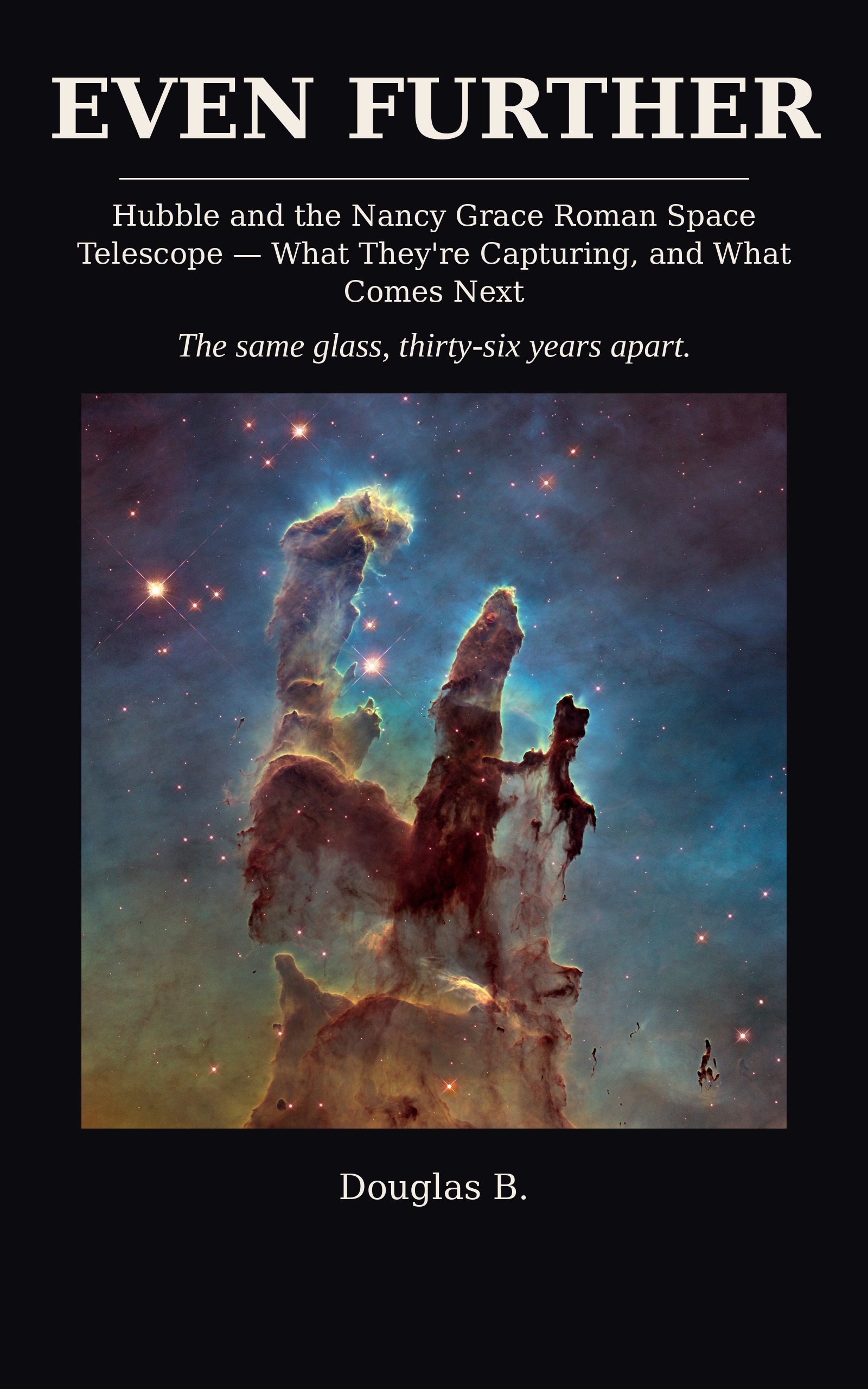
Even Further
The same glass, thirty-six years apart.
Hubble and the Nancy Grace Roman Space Telescope — What They're Capturing, and What Comes Next
Start reading
Read the introduction
This book is about two telescopes that share more than a mission. The Hubble Space Telescope and the Nancy Grace Roman Space Telescope were built, thirty-six years apart, around primary mirrors of exactly the same diameter: 2.4 metres. The same glass, in size at least — and almost nothing else about them is the same.
Hubble is the elder. It launched in April 1990, was designed for a fifteen-year mission, and is still working in its thirty-seventh year. It observes in ultraviolet, visible, and near-infrared light. It has been repaired and rebuilt by astronauts five times. Today it flies on a single gyroscope, circles the Earth about every 95 minutes at below 500 kilometres and falling, and remains so heavily requested that about six or seven proposals compete for every available slot. Its archive, as of 2026, holds more than 1.7 million observations and over 477 terabytes of data, and the papers written from it number more than 23,000.
Roman is the newcomer. It launched on 30 August 2026 and is, as this book goes to press, travelling to its station a million miles from Earth and being checked out instrument by instrument. Where Hubble looks closely at one small patch of sky at a time, Roman takes in a field of view at least 100 times larger with each exposure, at comparable sharpness — and its mirror, the same 2.4 metres across, weighs about 80 per cent less than Hubble's. Hubble finds and examines. Roman will census: whole populations of galaxies, stars, and planets, counted by the tens of millions. Neither telescope does the other's job. Roman has no ultraviolet capability at all, and ultraviolet is the light Hubble sees better than anything else flying.
Behind both of them stands one person. Nancy Grace Roman joined the young NASA, became its first chief of astronomy and the first woman to hold a leadership position there, and spent two decades building the institutional case for a great telescope in orbit — the campaign that produced Hubble. Her colleague Ed Weiler called her the Mother of Hubble. She died on Christmas Day 2018, aged 93. In May 2020, NASA named its next great observatory for her. She is the hinge of this book, and she gets a chapter of her own between its two halves.
A word about dates, because this book needs one. Everything in it is a snapshot as of November 2026. Hubble's totals move every month. Roman has not yet produced a single science image, and none will be presented here as one: its first are expected by early 2027, and what this book can show until then is launch photography, clean-room photography, and engineering test frames, each labelled for what it is. Hubble's ending is likewise undecided. Its orbit is decaying, its predicted re-entry window is 2033–34, and in October 2026 NASA formally asked industry whether a commercial mission could boost it, service it, or dispose of it safely — with responses due on 30 November 2026, inside this book's own production window. Where the record is open, the book leaves it open and says so.
What follows is in two parts. Part One is Hubble: the long argument that built it, the flaw that nearly ended it, the repairs that saved it, what it found, and the question now hanging over its last years. Part Two is Roman: the namesake, the gift of hardware that reshaped it, the wide eye it carries, its launch, and the census to come.
It is also a visual book, and the plates carry half the telling. Hubble's signature images appear throughout Part One with their full official credit lines printed beneath them — that credit is not a courtesy but the condition on which NASA, the Space Telescope Science Institute, and the European Space Agency make the images free to use. The deep fields are set in sequence, so the reader can watch one telescope stare at the same near-nothing for thirty years and count what accumulates. Roman's pictures, for now, are of a different kind: a rocket leaving Florida, an observatory in a clean room, a ring of deliberately unfocused stars from its first photons. The contrast is the honest state of things in November 2026 — one telescope with a third of a century of captures behind it, one whose first true capture is still months away.
Thirty-six years apart, two telescopes carry the same-sized mirror into the dark — and between them, they are still changing what the word "further" means.
Free editions
Free. No account, no email, nothing to sign up for.
Audio edition
The whole book, read aloud. 4 parts · 1 hour 52 minutes total.
Press play on any part — the book plays straight through to the end.
Watch
The book on film, on DJByt — the Douglas J. Brownfield Books YouTube channel. The trailer places any new model with five questions; the three Shorts take the Agent, Sora, and the License one at a time. The complete audiobook film follows when the channel's long-video tier opens.
Watch the trailer — What Kind of AI Is That? The Five Questions That Place Any New Model
The What Kind of AI Is That? playlist — trailer + Shorts
Watch
The book on film, on DJByt — the Douglas J. Brownfield Books YouTube channel. The trailer tells the story in five minutes across 45 Hubble and Roman images; the three Shorts take the Deep Field, the Repair, and Roman one at a time. The complete audiobook film follows when the channel's long-video tier opens.
Watch the trailer — Hubble's Flawed Mirror, the Deep Field, and the Roman Telescope's 100× Wider Eye
The Even Further playlist — trailer + Shorts
About the book
Two telescopes share more than a mission. The Hubble Space Telescope and the Nancy Grace Roman Space Telescope were built, thirty-six years apart, around primary mirrors of exactly the same diameter: 2.4 metres. The same glass, in size at least — and almost nothing else about them is the same. Hubble is the elder: launched in 1990, repaired and rebuilt by astronauts five times, and still working in its thirty-seventh year. Roman is the newcomer: launched on 30 August 2026, built around donated hardware reshaped for a new job, carrying a camera whose field of view is at least a hundred times Hubble's.
Part One — Seeing Further — tells Hubble's story: the long argument that put a great observatory above the atmosphere, the launch and the flaw found in its mirror, the repair that became the most celebrated service call in the history of spaceflight, and the five astronaut visits that rebuilt the telescope in orbit. It closes with what Hubble found — deep fields holding thousands of galaxies in a patch of sky that looked empty — and with the elder telescope's open ending, still working on a single gyroscope as a live conversation continues about servicing it one more time.
Part Two tells Roman's: the namesake, Nancy Grace Roman, the astronomer-administrator who campaigned the Large Space Telescope into existence; the gift of telescope hardware that gave her namesake telescope its mirror; the wide eye it carries; its launch on 30 August 2026 and the first-photons test frame that followed; and the census to come, when its first science images arrive by early 2027. A short closing sets the two mirrors side by side.
The book is a snapshot, and it says so: facts are stated as of 2026, with sources drawn from the agencies' and institutes' own pages and papers. Roman had taken no science images when this edition closed; the book plates its first engineering frame as what it is, and labels its simulations as simulations.
Inside the book
- Part One — Seeing FurtherThe Long Argument · Launch, and the Flaw · The Repair · Five Visits · What Hubble Found · The Elder · The Open Ending
- Part TwoThe Namesake · The Gift · The Wide Eye · Launch, and First Photons · The Census to Come
- ClosingThe Mirror, Twice
- Back MatterThe Snapshot Statement · Sources · Plate Credits
The plates
The plates are the telescopes' own: Hubble's archive photography, from the 1995 original of the Pillars of Creation to the Legacy Field's sixteen years of accumulated sky, and Roman's own record — the observatory in the Goddard clean room, its camera's focal plane, its launch, and its first-photons engineering frame, a sea of out-of-focus stars that is exactly what it is captioned to be. Simulations are captioned as simulations. Every plate is credited to the archive it came from, in the book's Plate Credits.
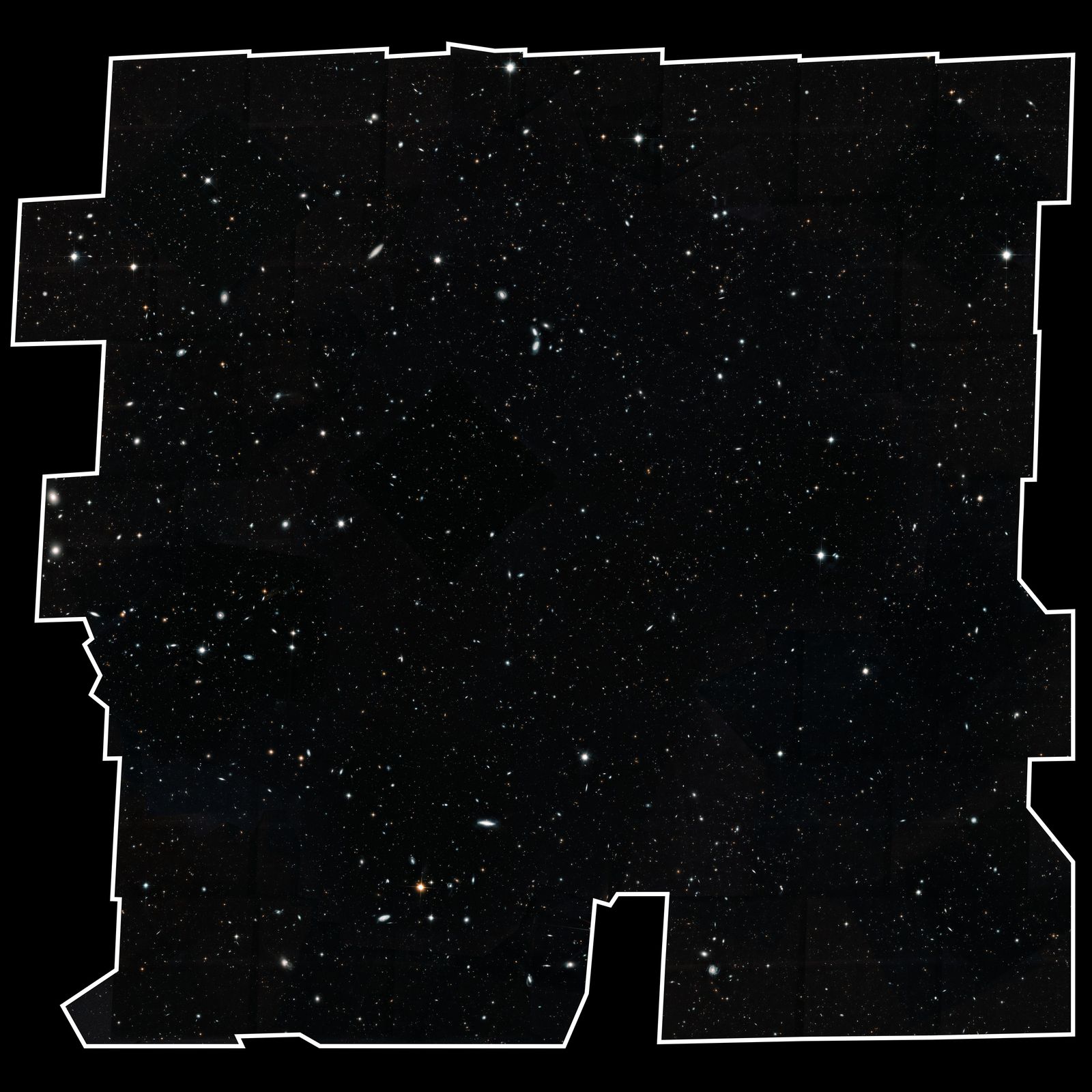
The Hubble Legacy Field — some 265,000 galaxies in one assembled view. Credit: NASA, ESA, and G. Illingworth (University of California, Santa Cruz; UCO/Lick Observatory)
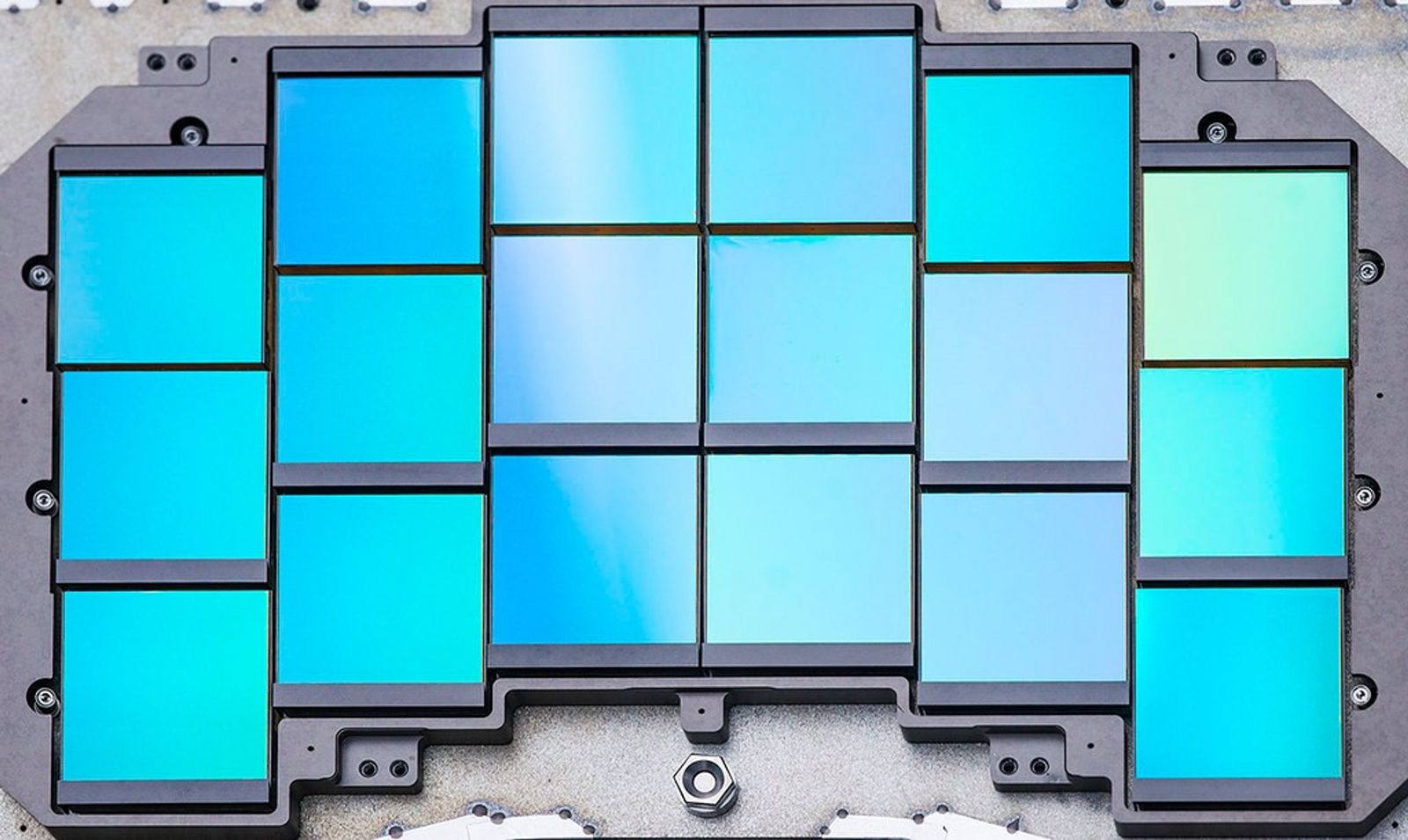
Roman's Wide Field Instrument focal plane — eighteen detectors, 300 megapixels. Credit: NASA/Chris Gunn
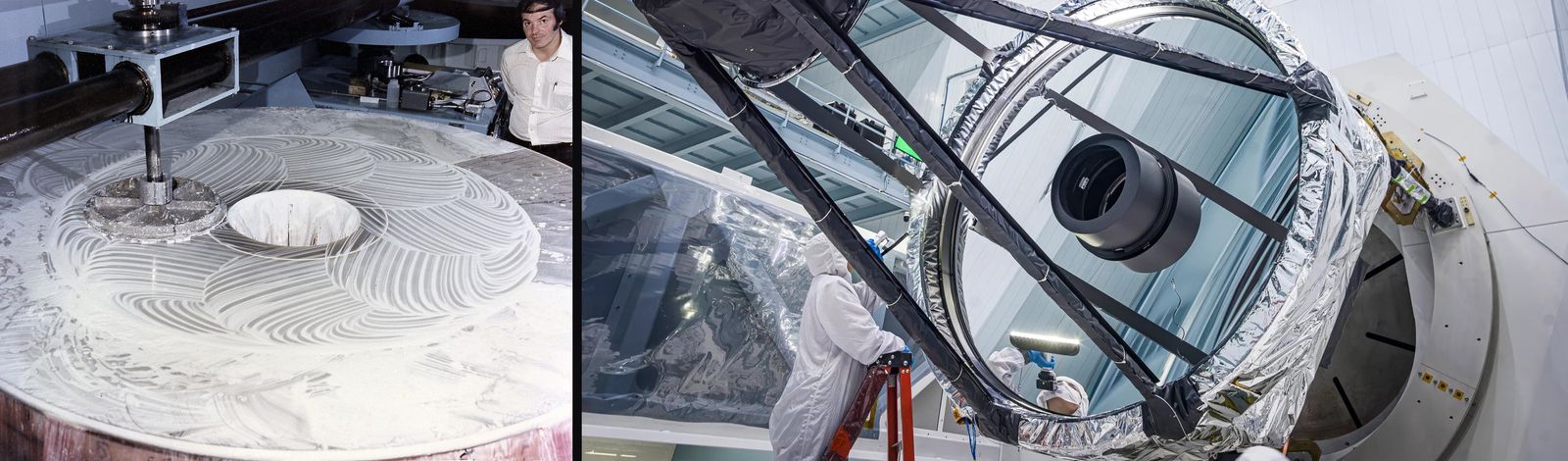
The two mirrors, one diameter: Hubble's primary at Perkin-Elmer, and Roman's under inspection at Goddard. Credit: NASA (Hubble mirror, left); NASA/Chris Gunn (Roman mirror, right)
Two plates from the research shelf were left out, openly: the great Carina panorama and the Helix Nebula view both blend Hubble data with ground-based photography from other telescopes, and their rights could not be cleared as cleanly as the rest. The book's About the Plates says the same.
The Gallery
The plates printed in the book are a selection. The gallery is the whole shelf: every Hubble and Roman image gathered for this book — the archive photography behind the chapters and the film — each shown with its official credit, Hubble's first, in the order of Part One, then Roman's, in the order of Part Two. Select any image to see it larger.
Part One — Hubble
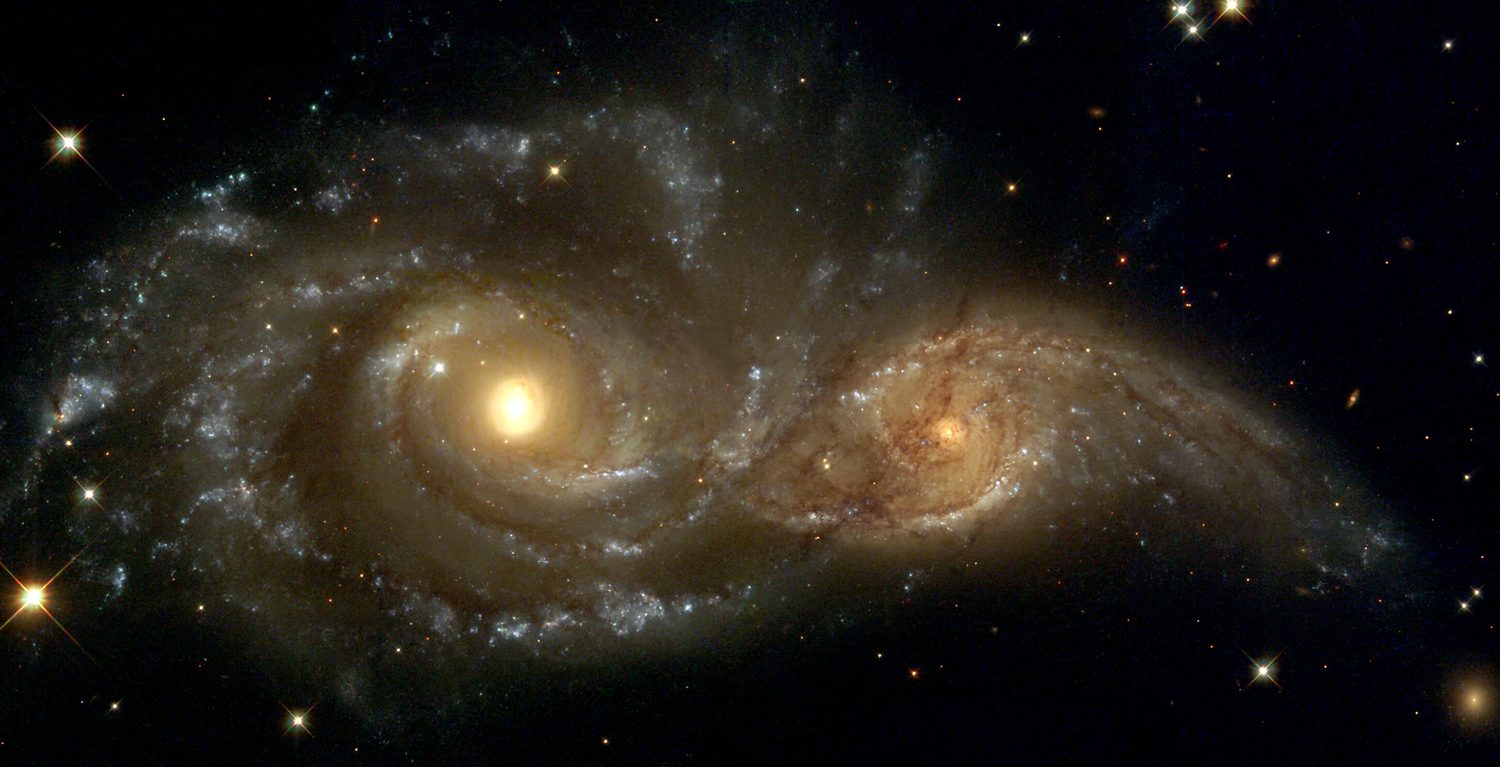
Credit: NASA/ESA and The Hubble Heritage Team (STScI)
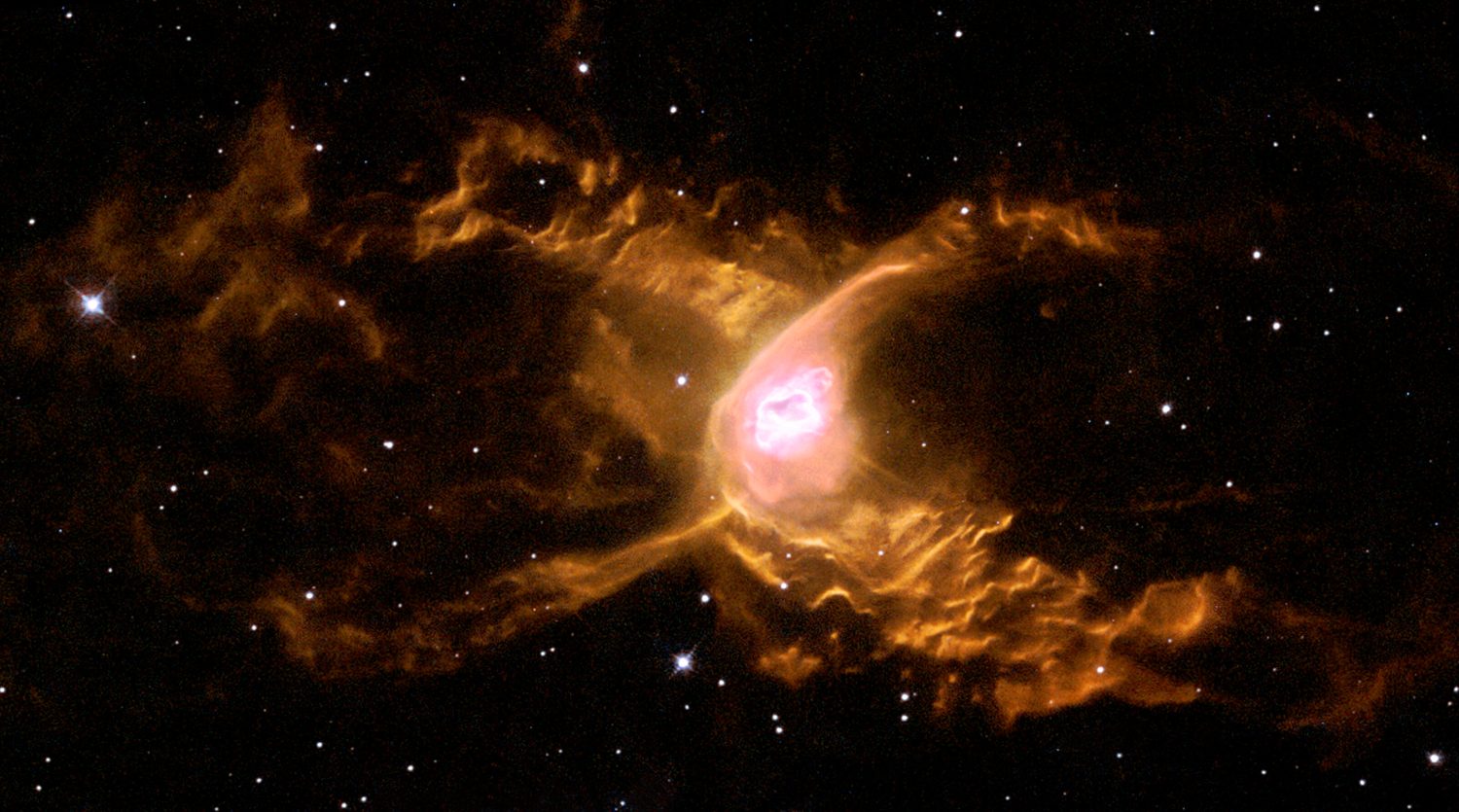
Credit: ESA & Garrelt Mellema (Leiden University, the Netherlands)
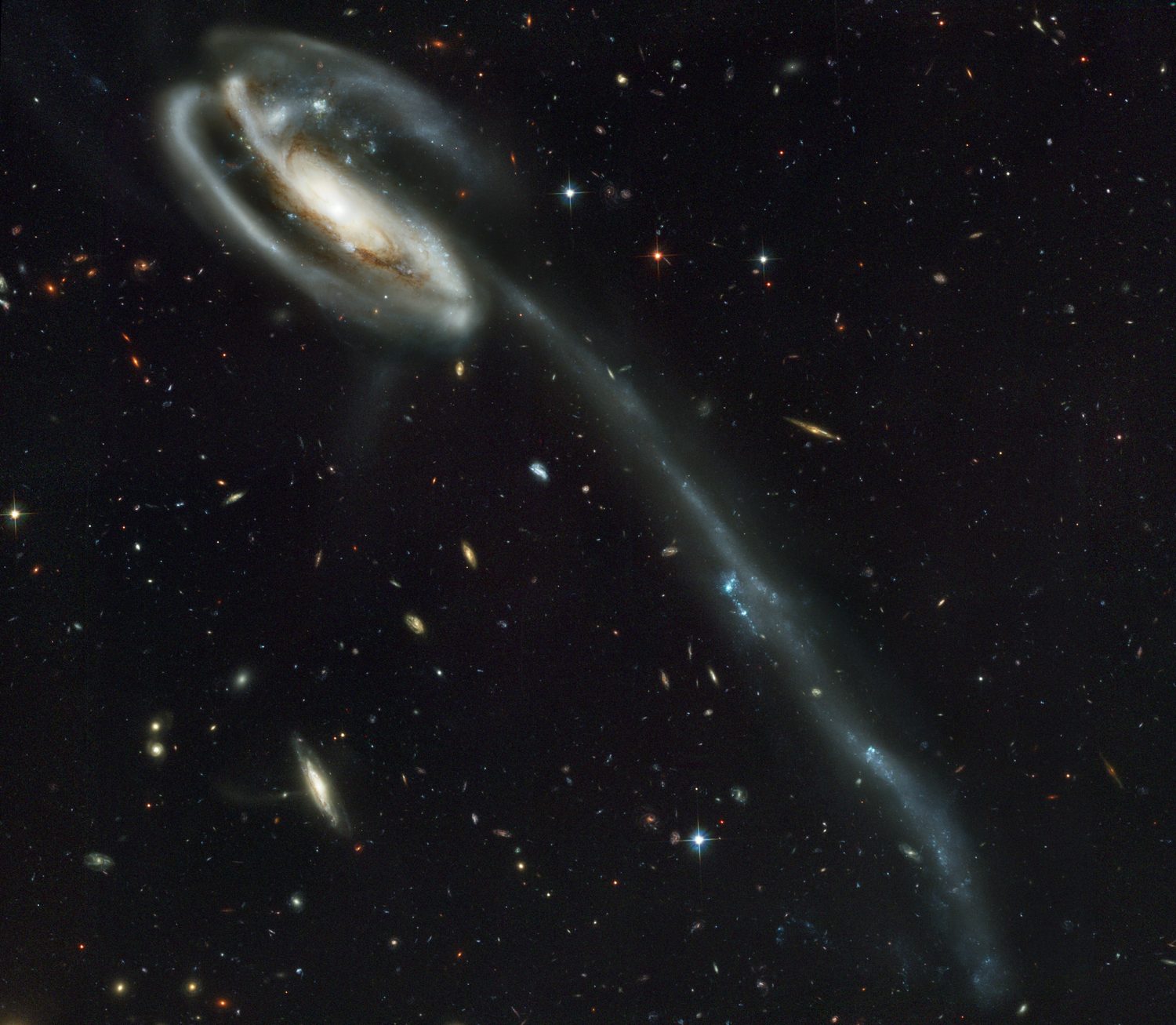
Credit: NASA, Holland Ford (JHU), the ACS Science Team and ESA
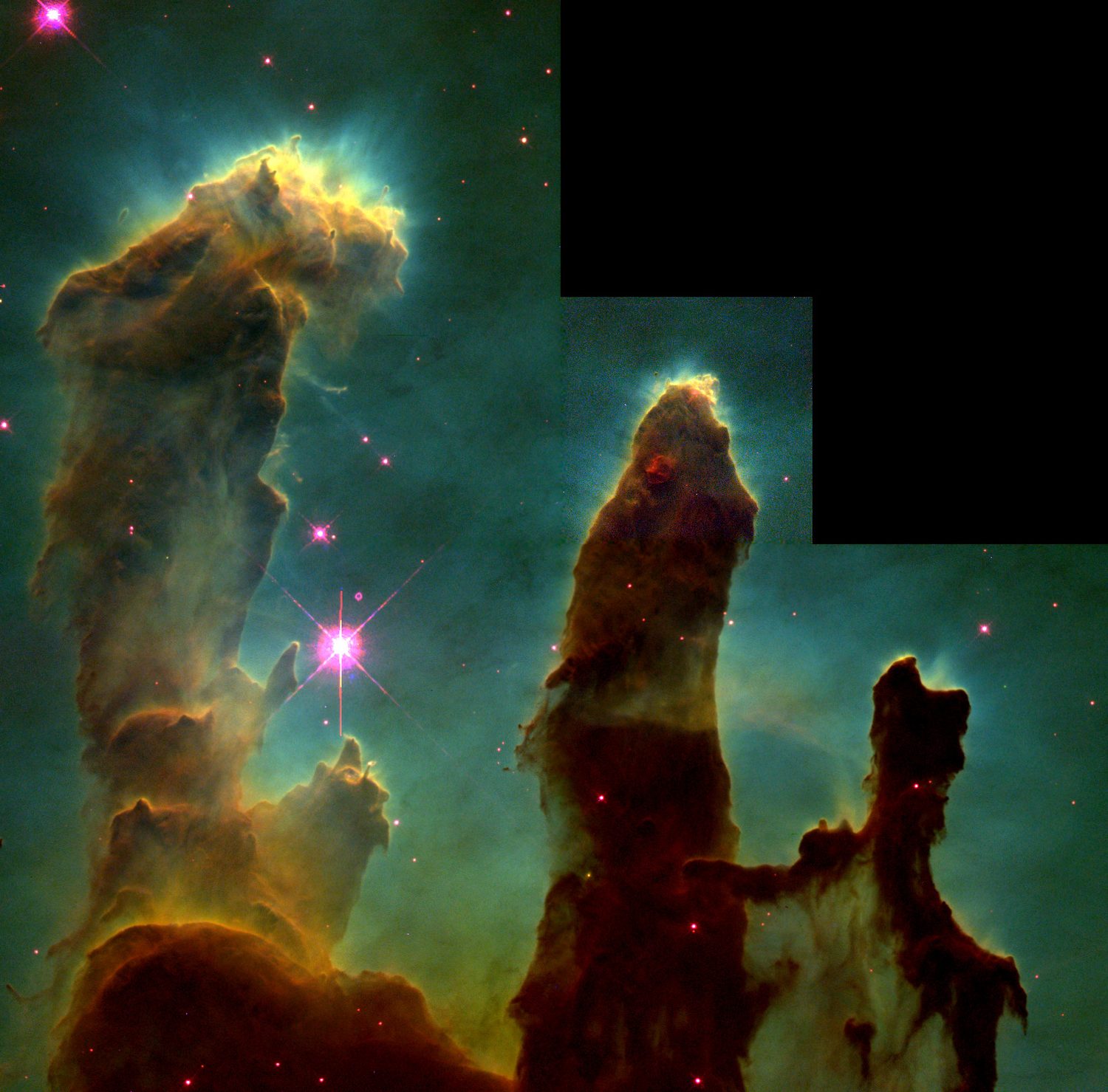
Credit: Jeff Hester and Paul Scowen (Arizona State University), and NASA/ESA
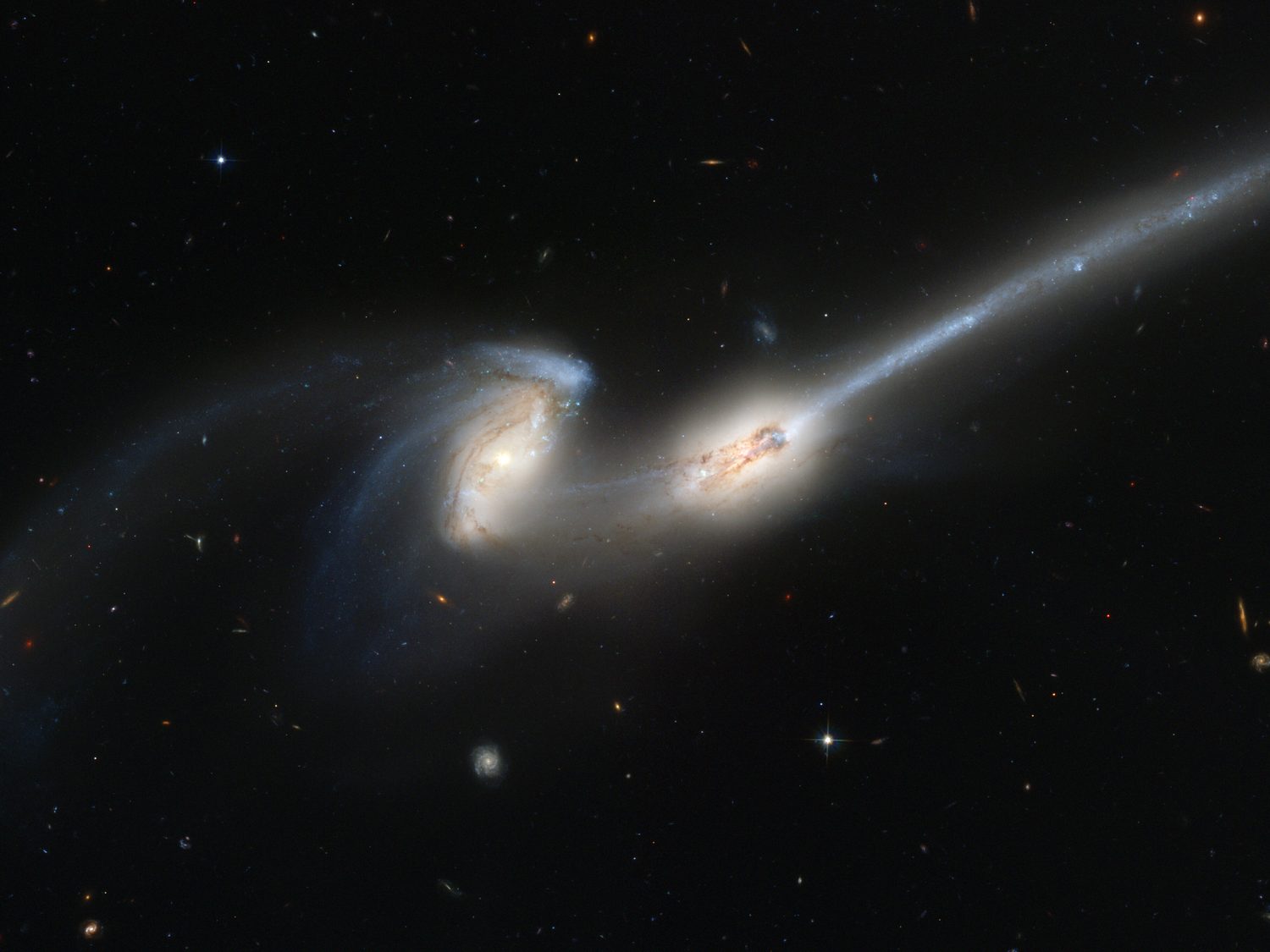
Credit: NASA, Holland Ford (JHU), the ACS Science Team and ESA
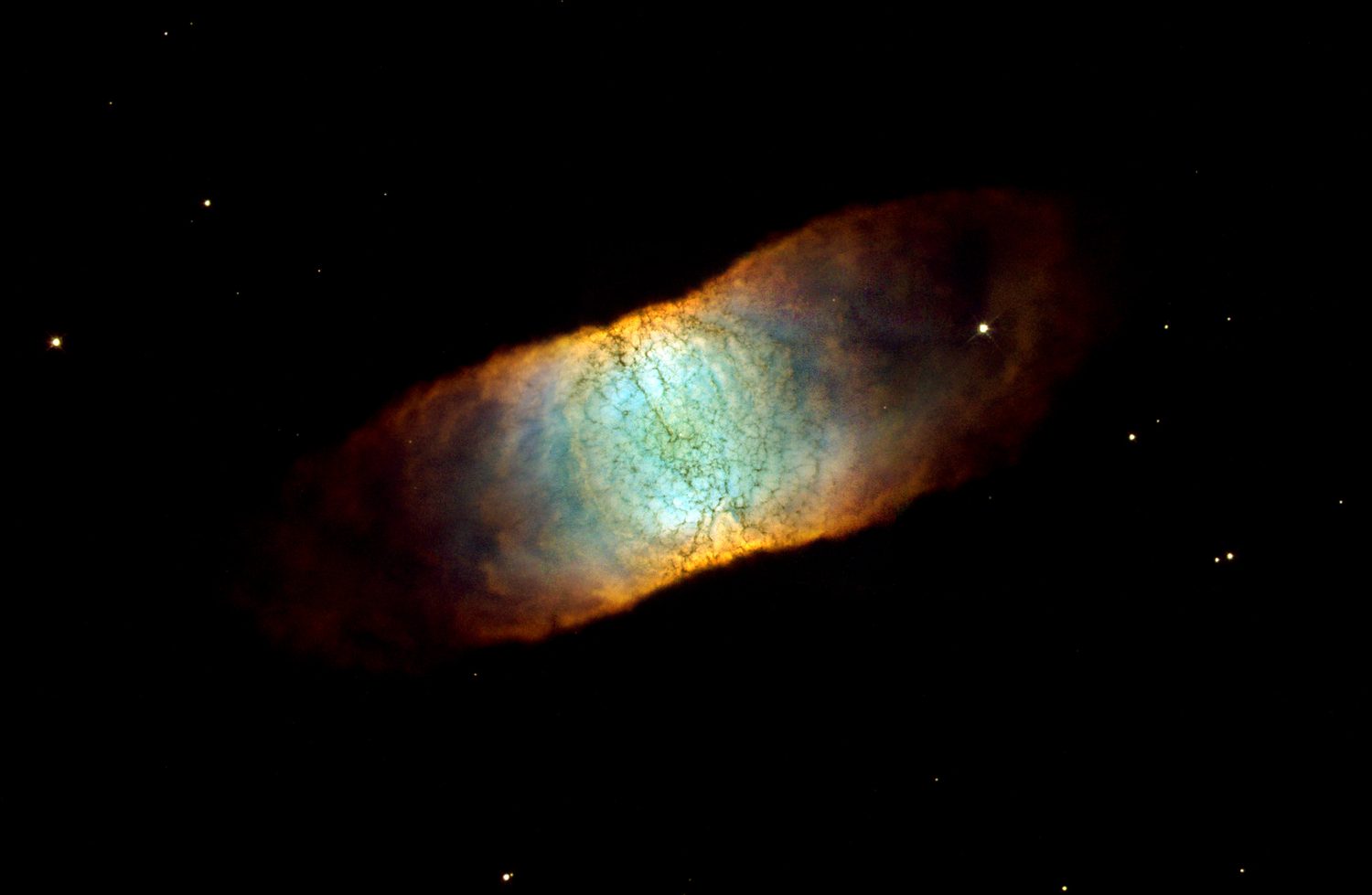
Credit: NASA/ESA and The Hubble Heritage Team STScI/AURA
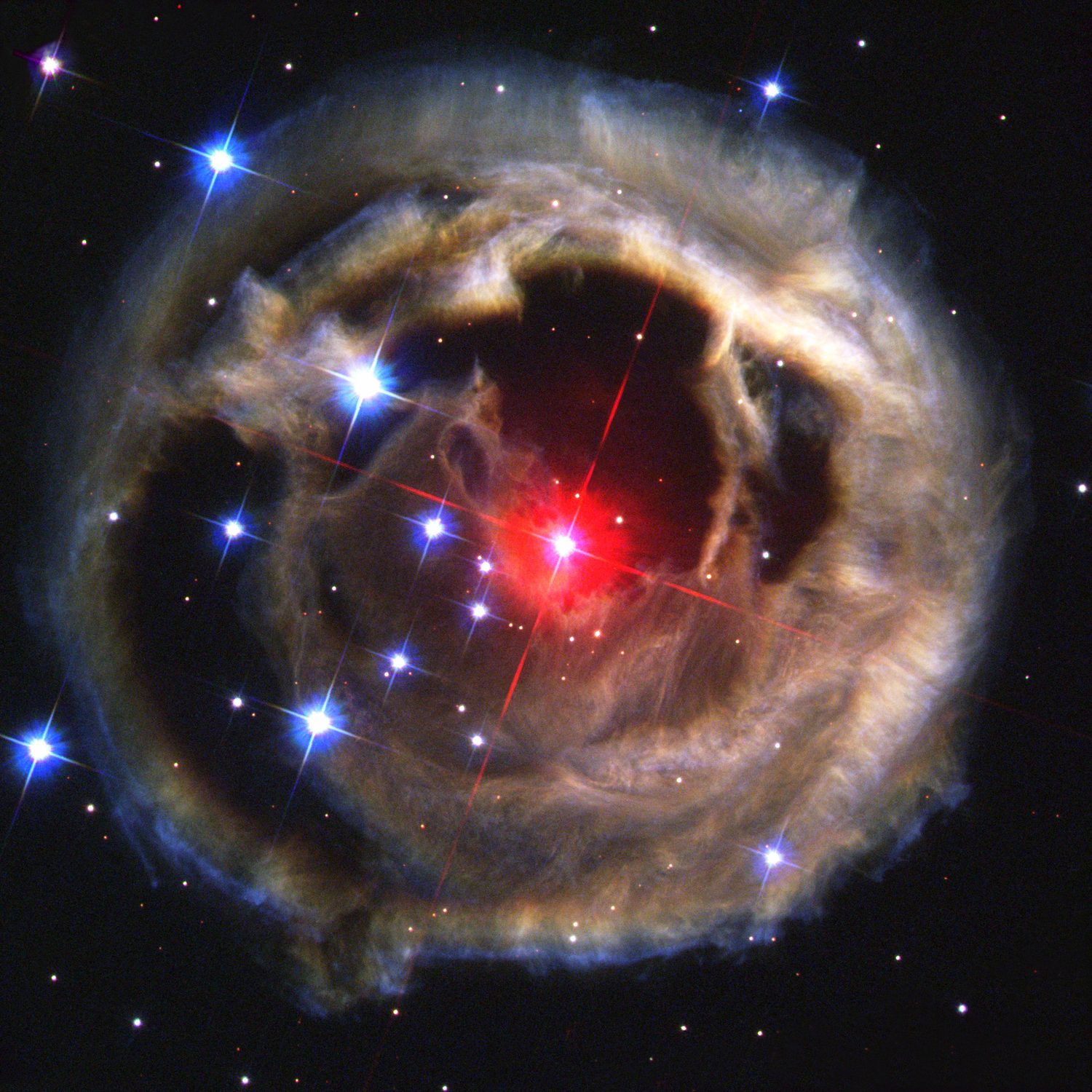
Credit: NASA, European Space Agency, and H.E. Bond (STScI )
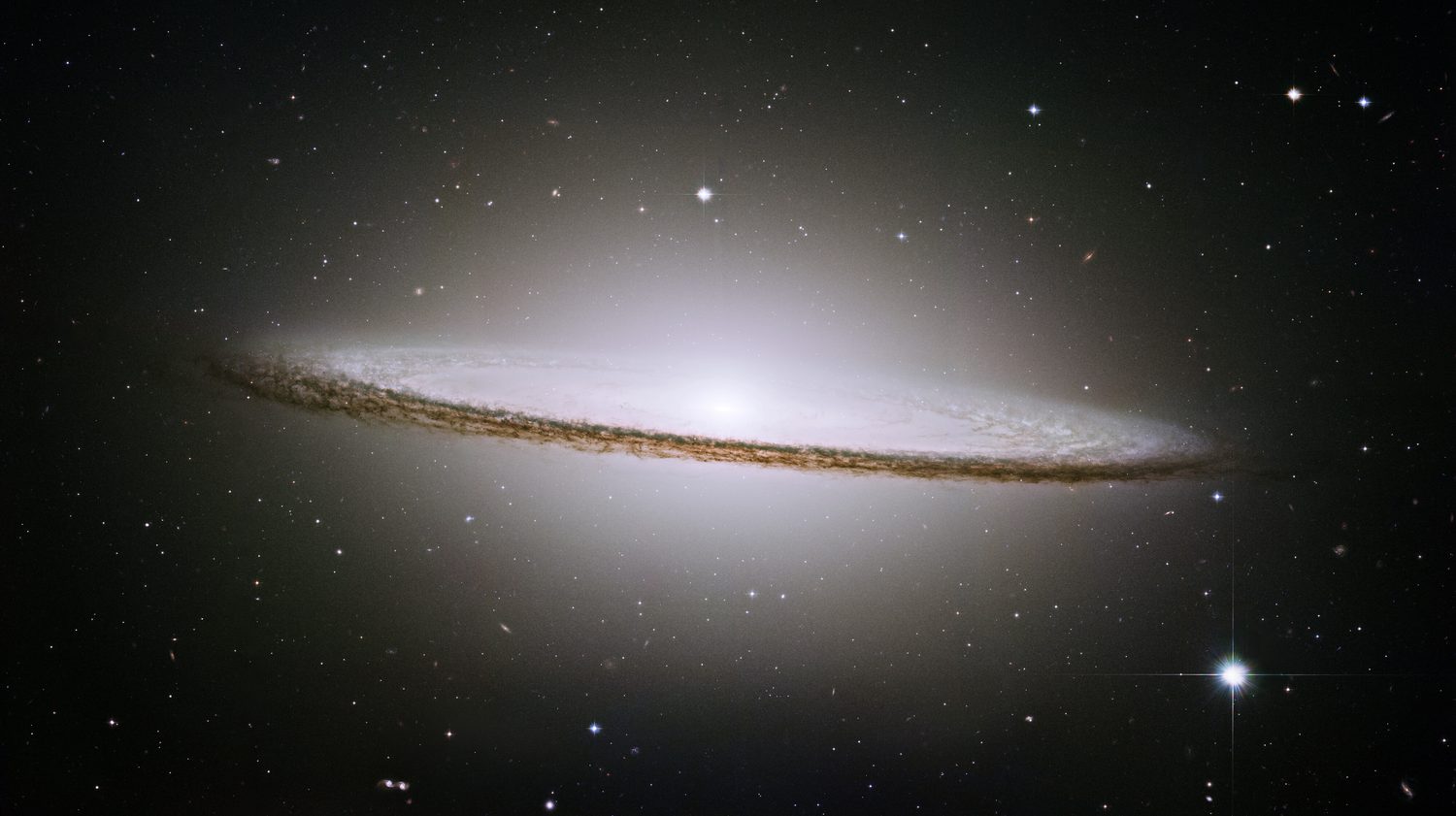
Credit: NASA/ESA and The Hubble Heritage Team (STScI/AURA)
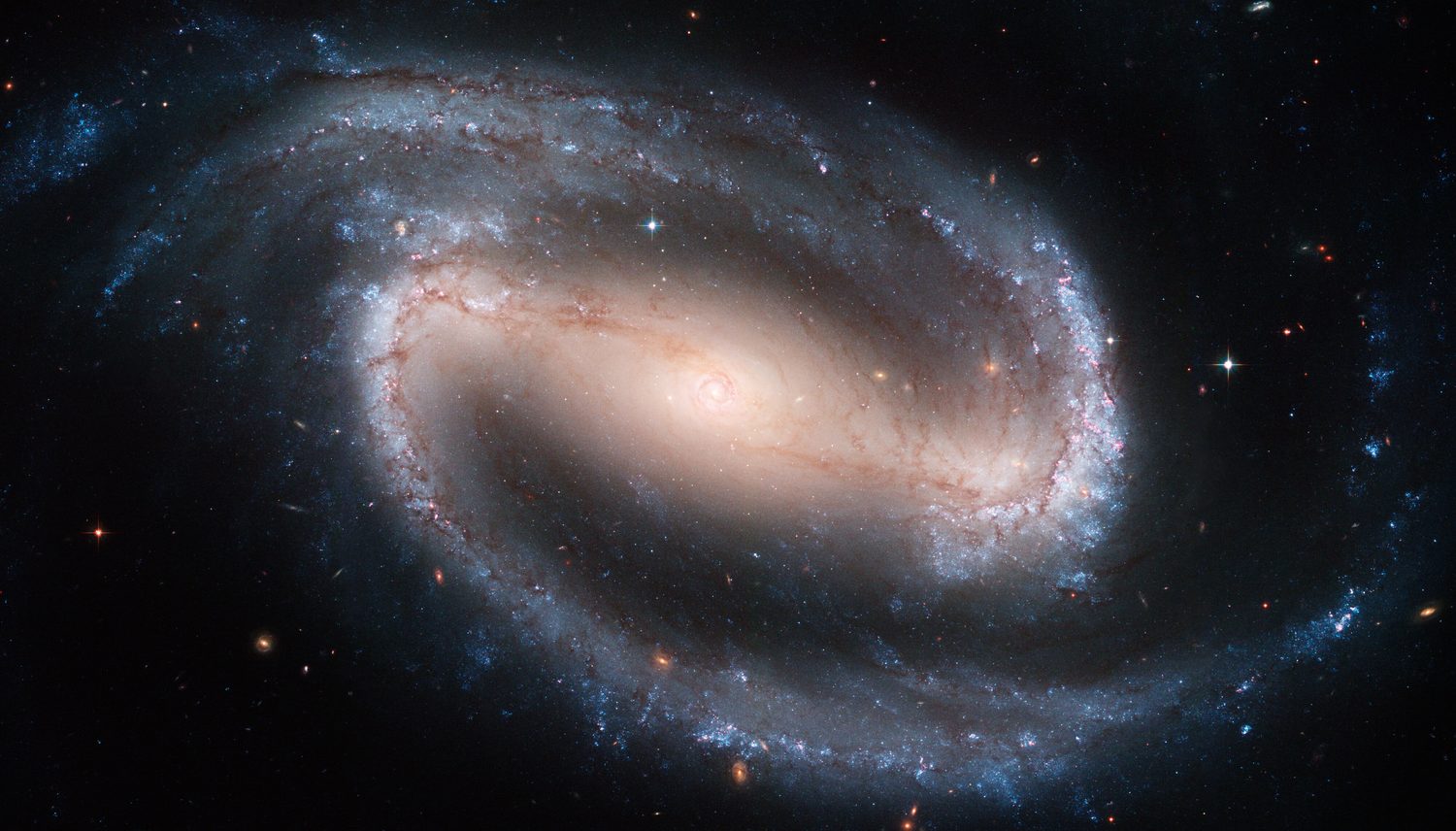
Credit: NASA, ESA, and The Hubble Heritage Team (STScI/AURA)
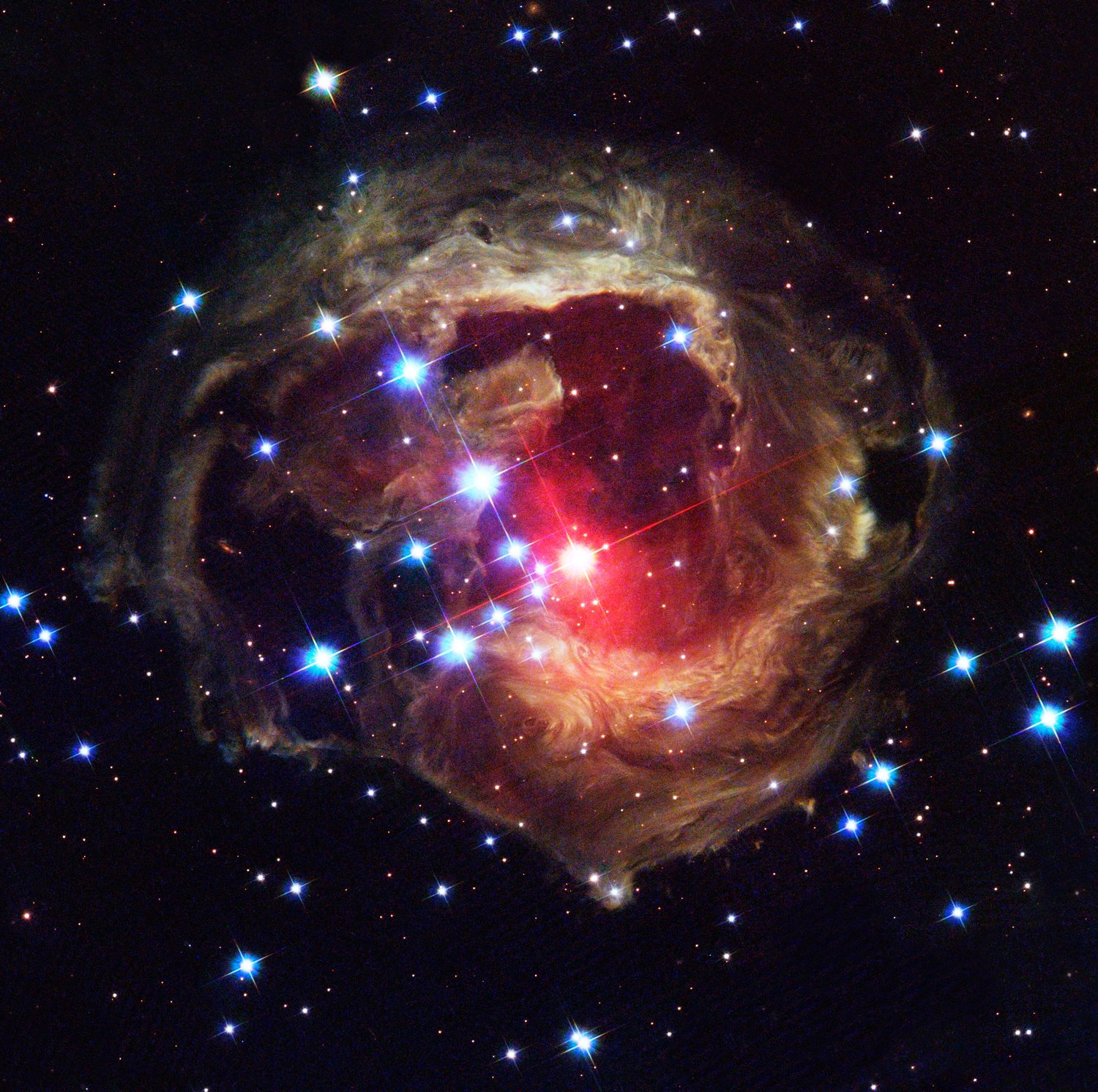
Credit: NASA, ESA, and The Hubble Heritage Team (AURA/STScI)
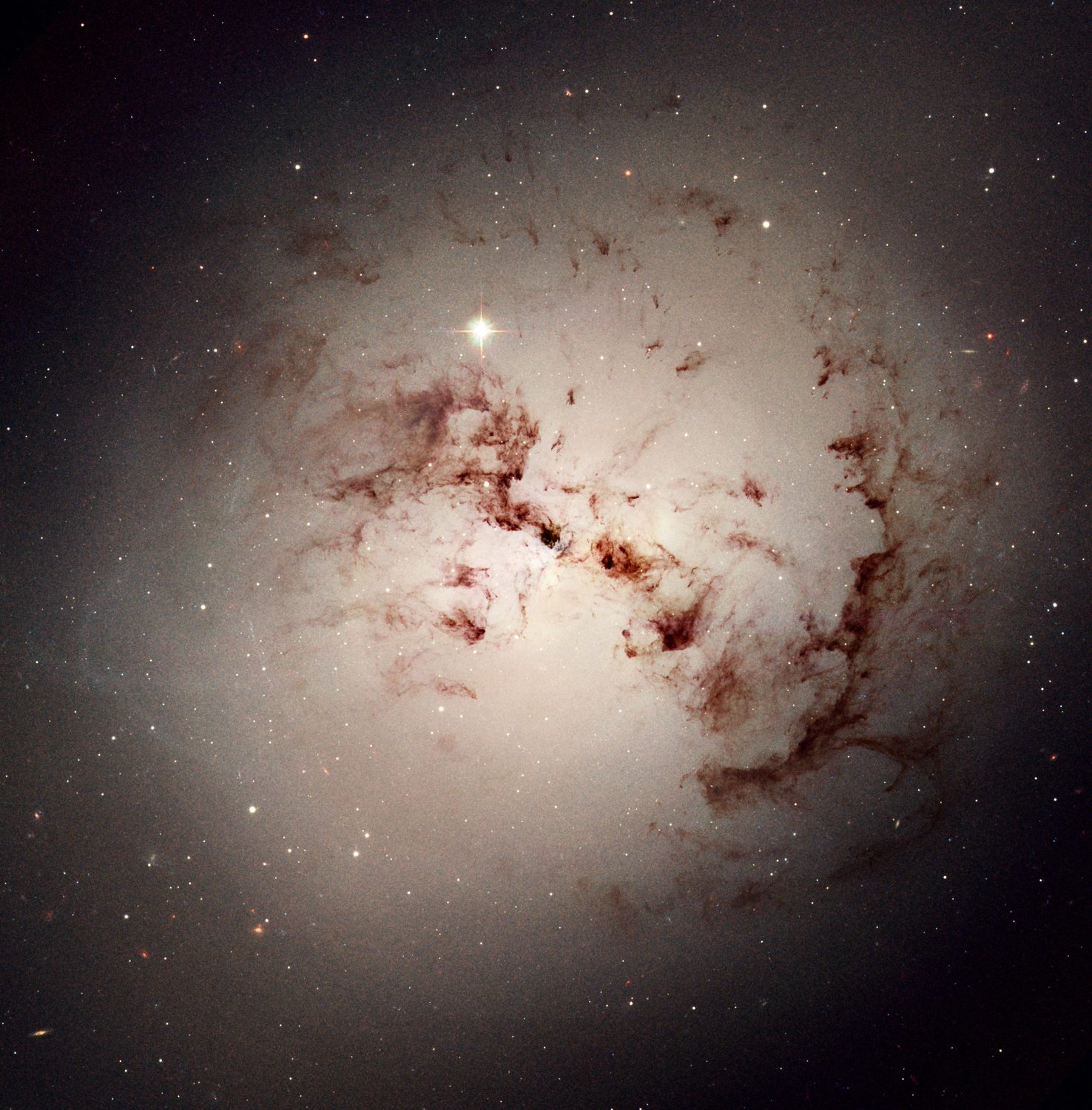
Credit: NASA, ESA, and The Hubble Heritage Team (STScI/AURA)
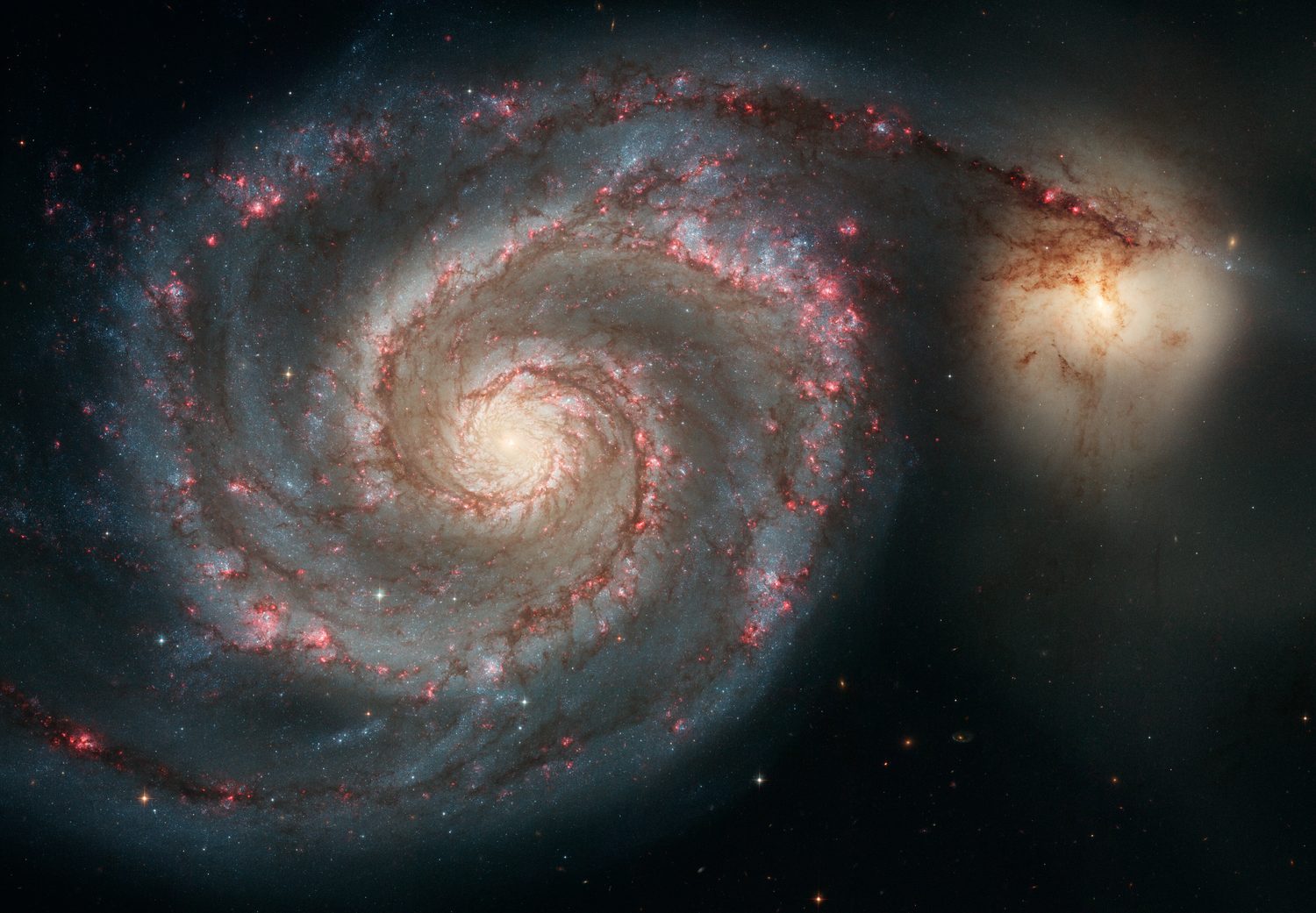
Credit: NASA, ESA, S. Beckwith (STScI), and The Hubble Heritage Team (STScI/AURA)
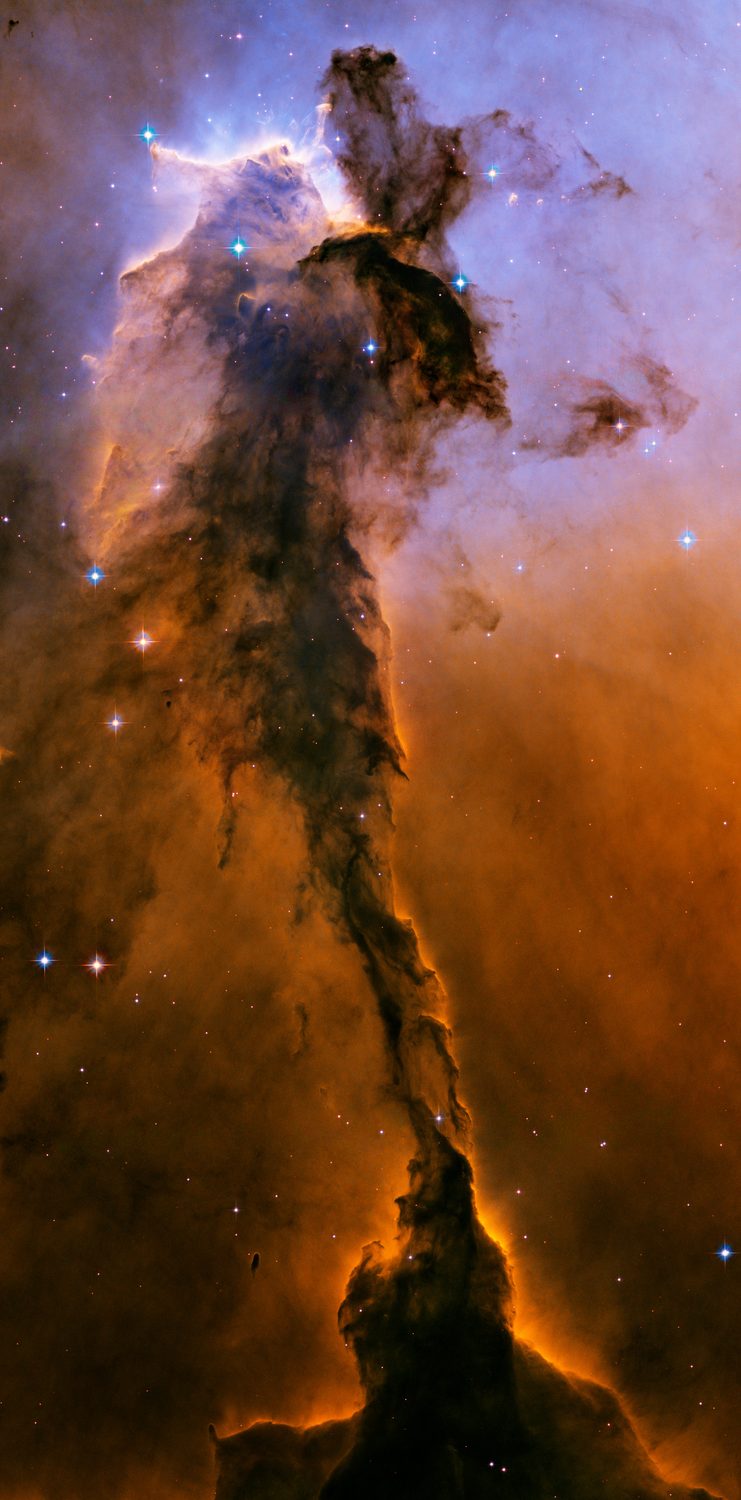
Credit: NASA, ESA, and The Hubble Heritage Team (STScI/AURA)
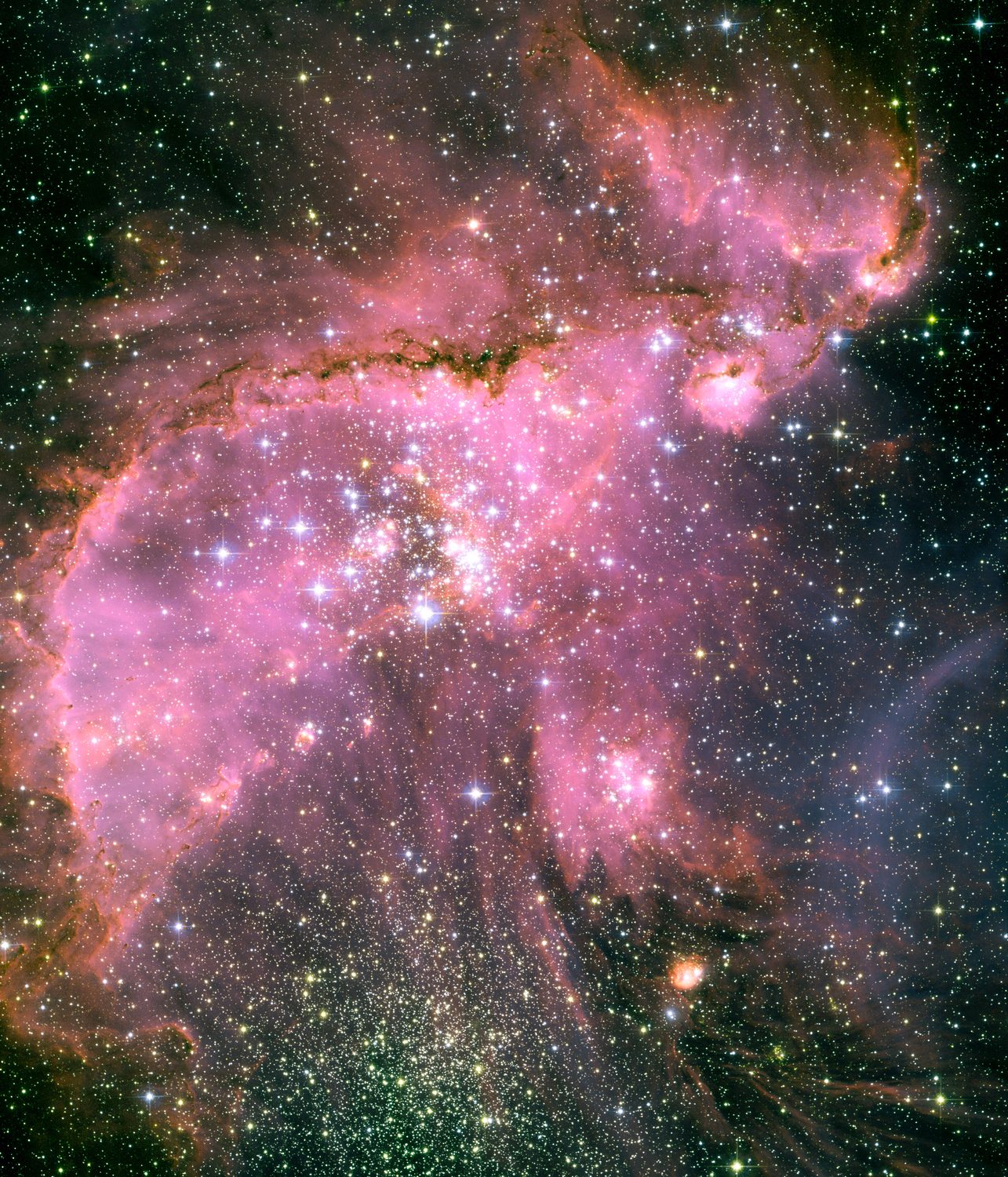
Credit: NASA, ESA and A. Nota (ESA/STScI, STScI/AURA)
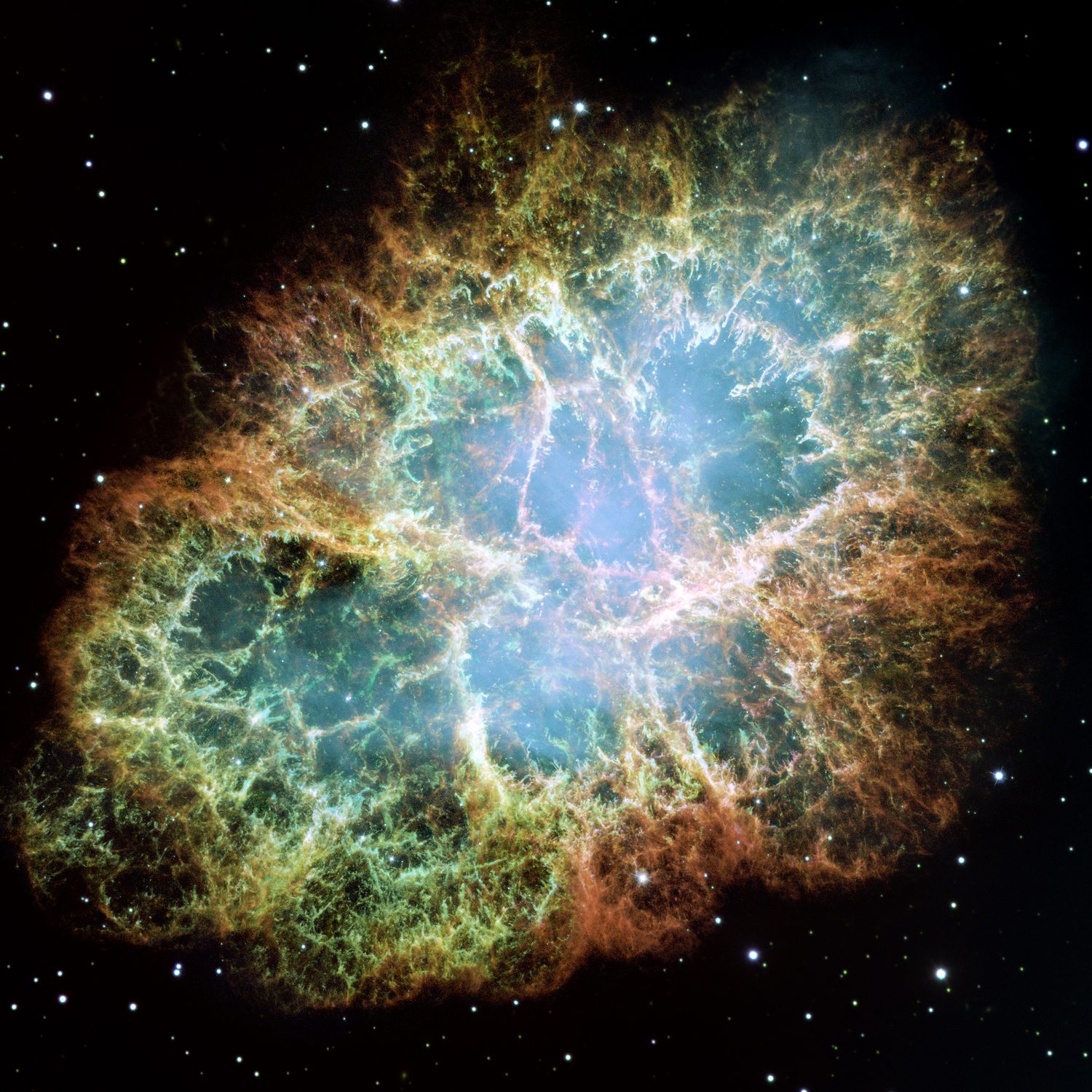
Credit: NASA, ESA and Allison Loll/Jeff Hester (Arizona State University). Acknowledgement: Davide De Martin (ESA/Hubble)
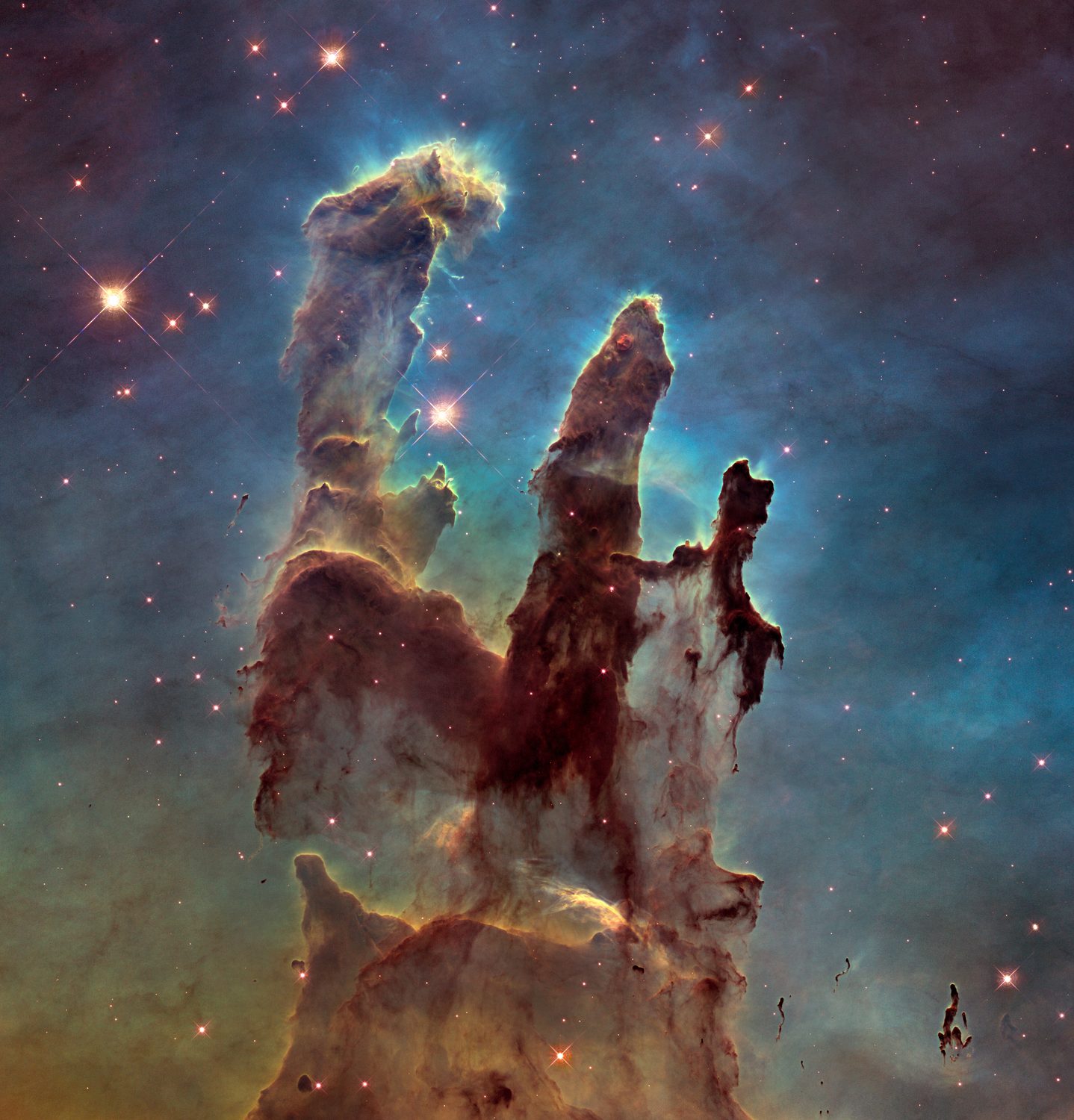
Credit: NASA, ESA/Hubble and the Hubble Heritage Team
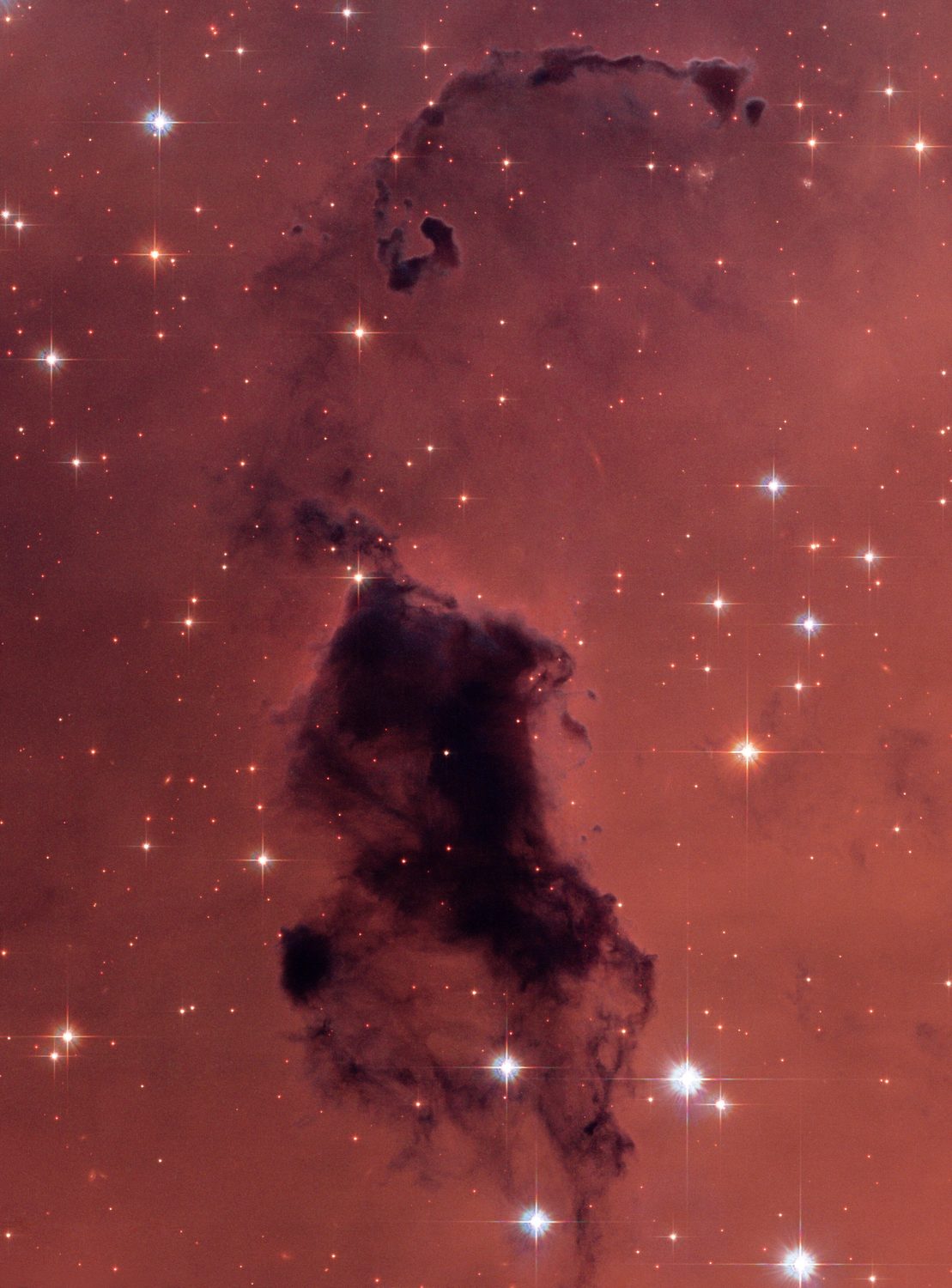
Credit: NASA, ESA, and The Hubble Heritage Team (STScI/AURA)Acknowledgment: P. McCullough (STScI)
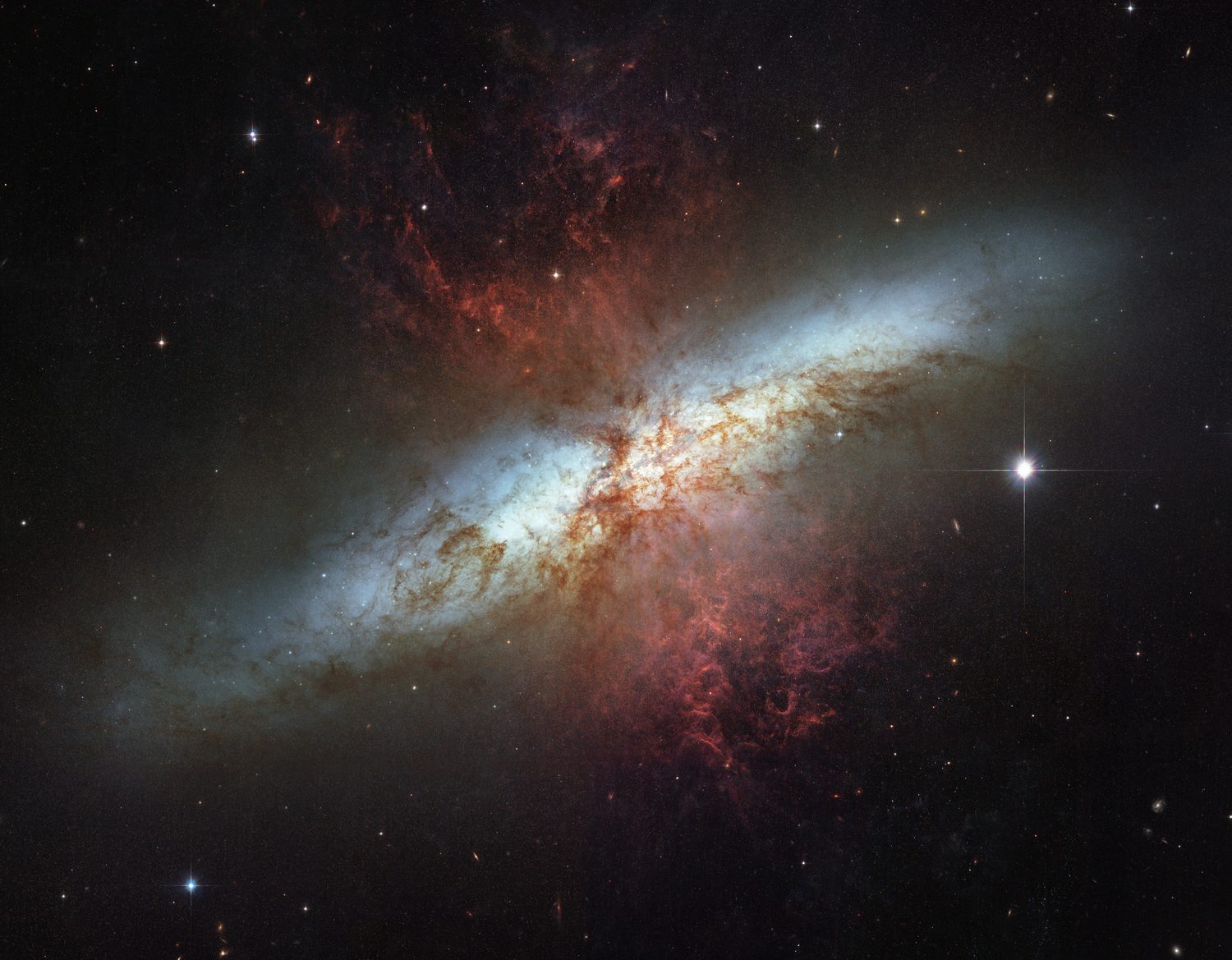
Credit: NASA, ESA and the Hubble Heritage Team (STScI/AURA). Acknowledgment: J. Gallagher (University of Wisconsin), M. Mountain (STScI) and P. Puxley (NSF).
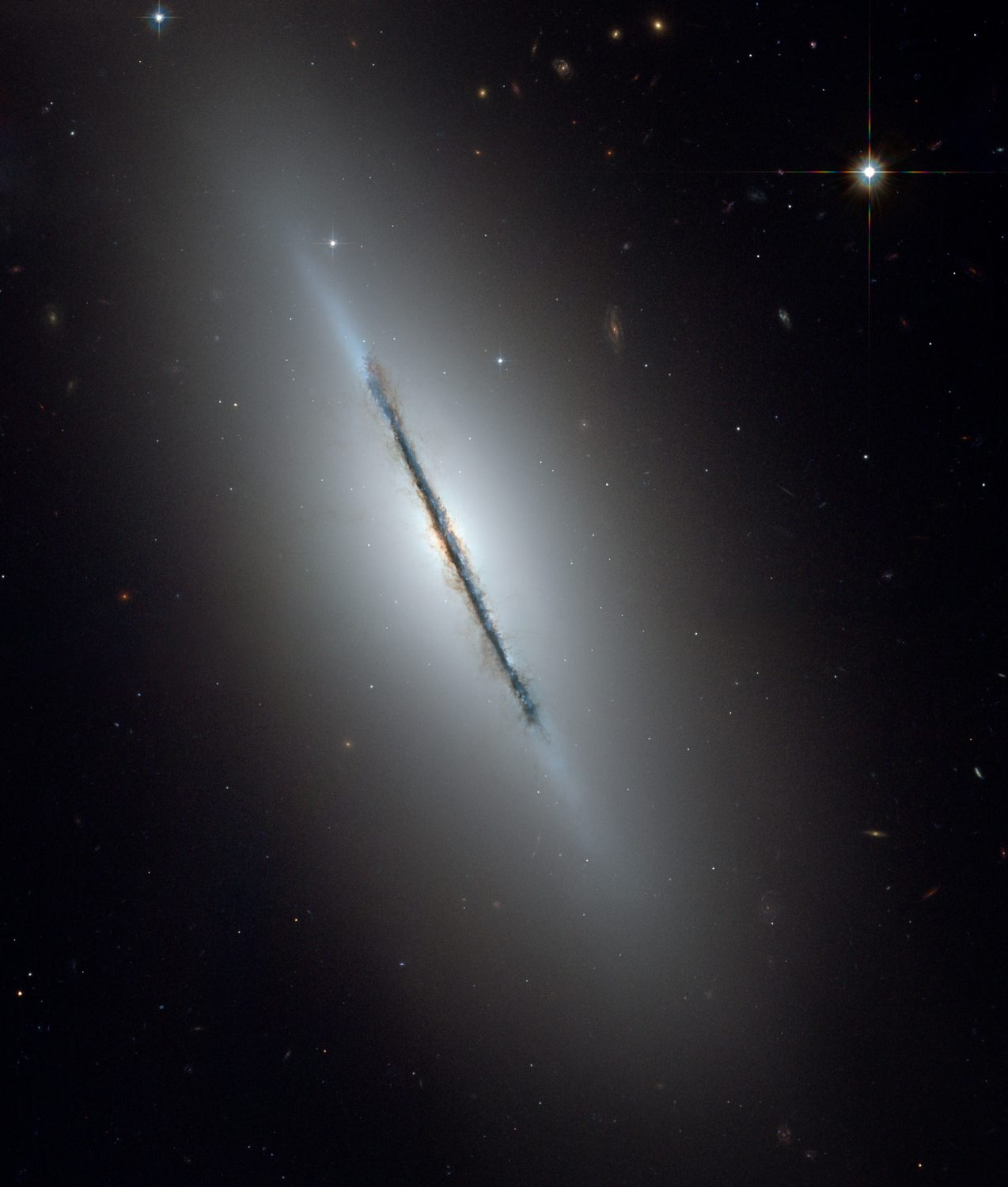
Credit: NASA, ESA, and The Hubble Heritage Team (STScI/AURA)
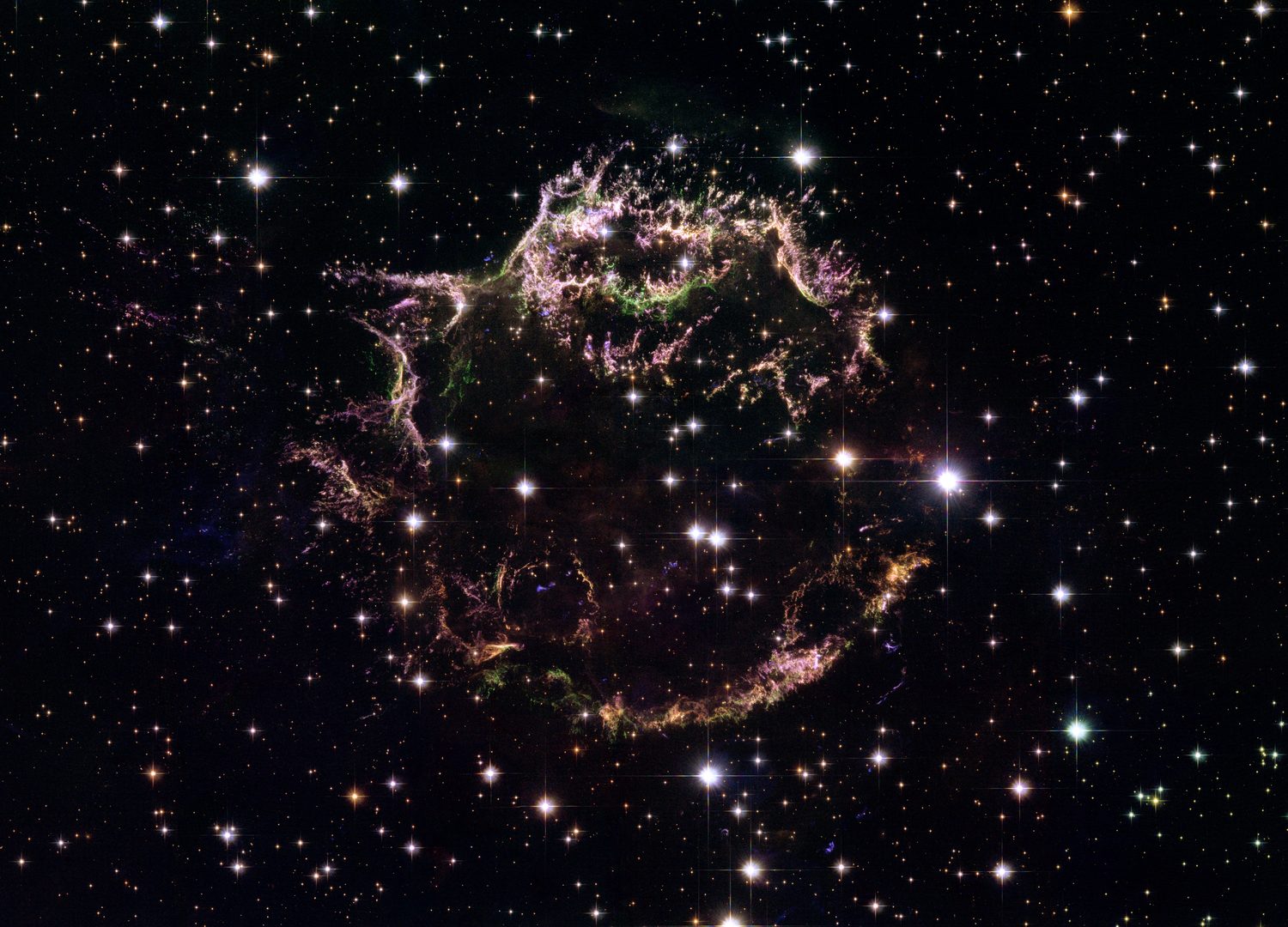
Credit: NASA, ESA, and the Hubble Heritage (STScI/AURA)-ESA/Hubble Collaboration. Acknowledgement: Robert A. Fesen (Dartmouth College, USA) and James Long (ESA/Hubble)
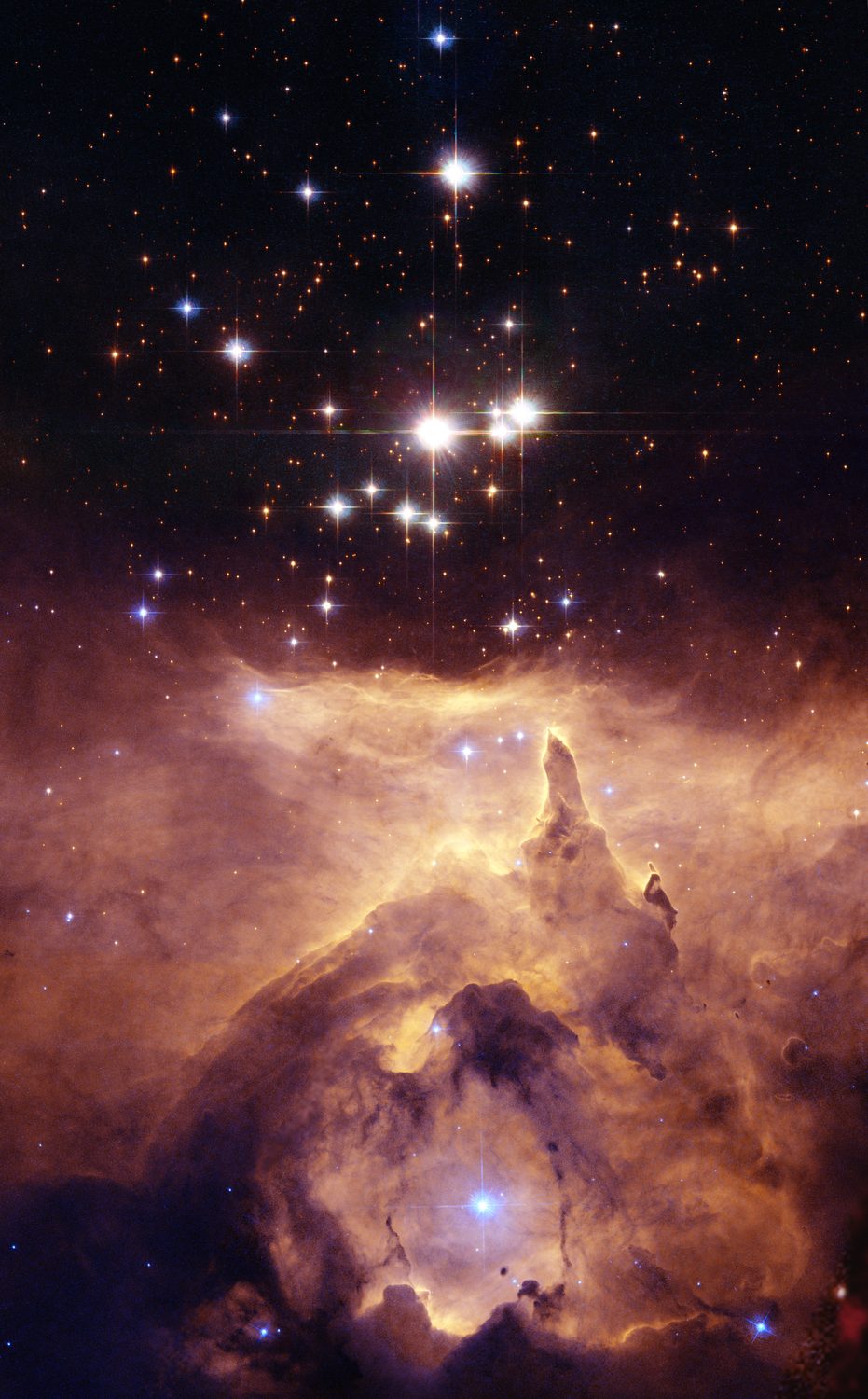
Credit: NASA, ESA and Jesús Maíz Apellániz (Instituto de Astrofísica de Andalucía, Spain). Acknowledgement: Davide De Martin (ESA/Hubble)
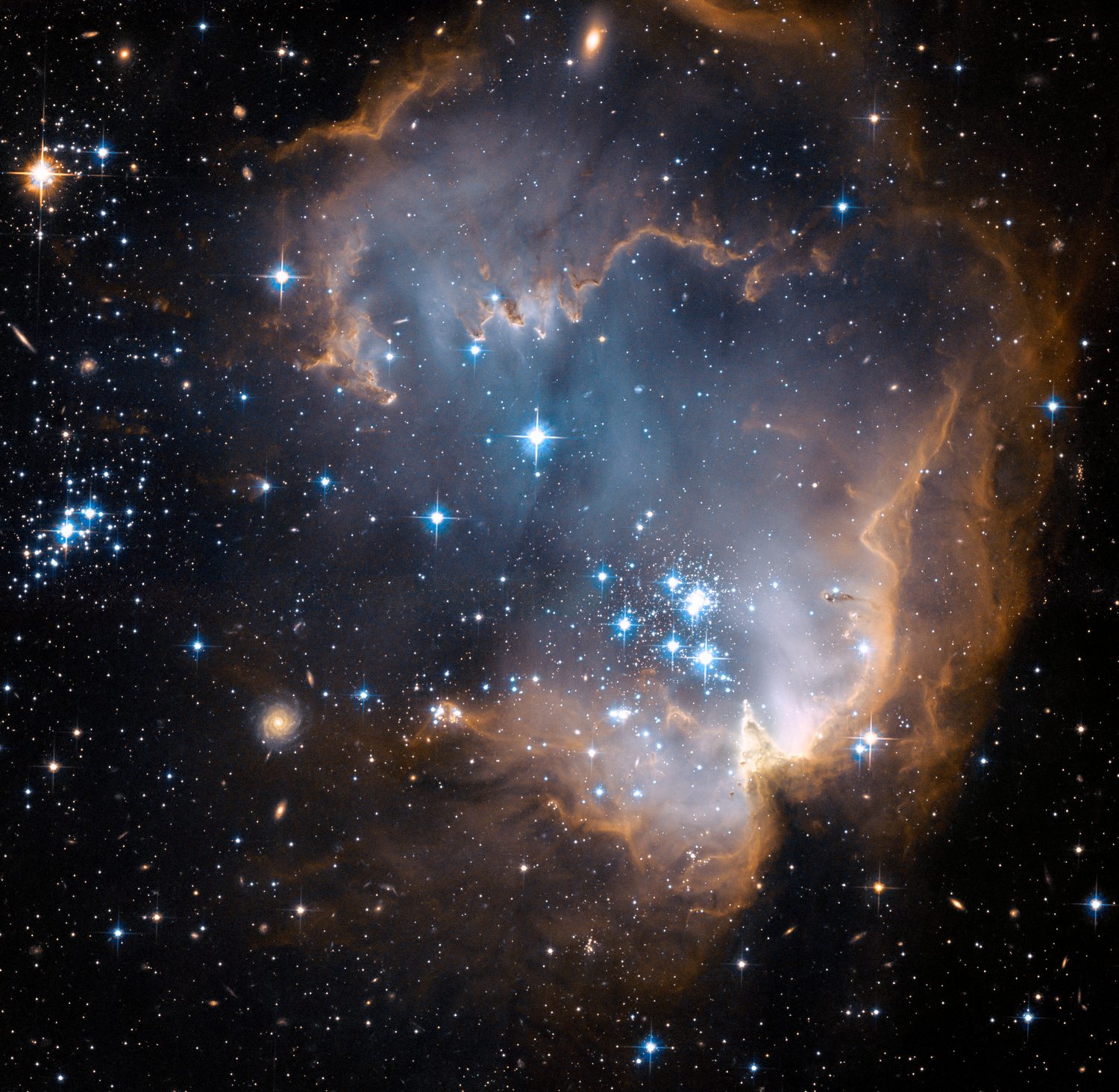
Credit: NASA, ESA and the Hubble Heritage Team (STScI/AURA)-ESA/Hubble Collaboration
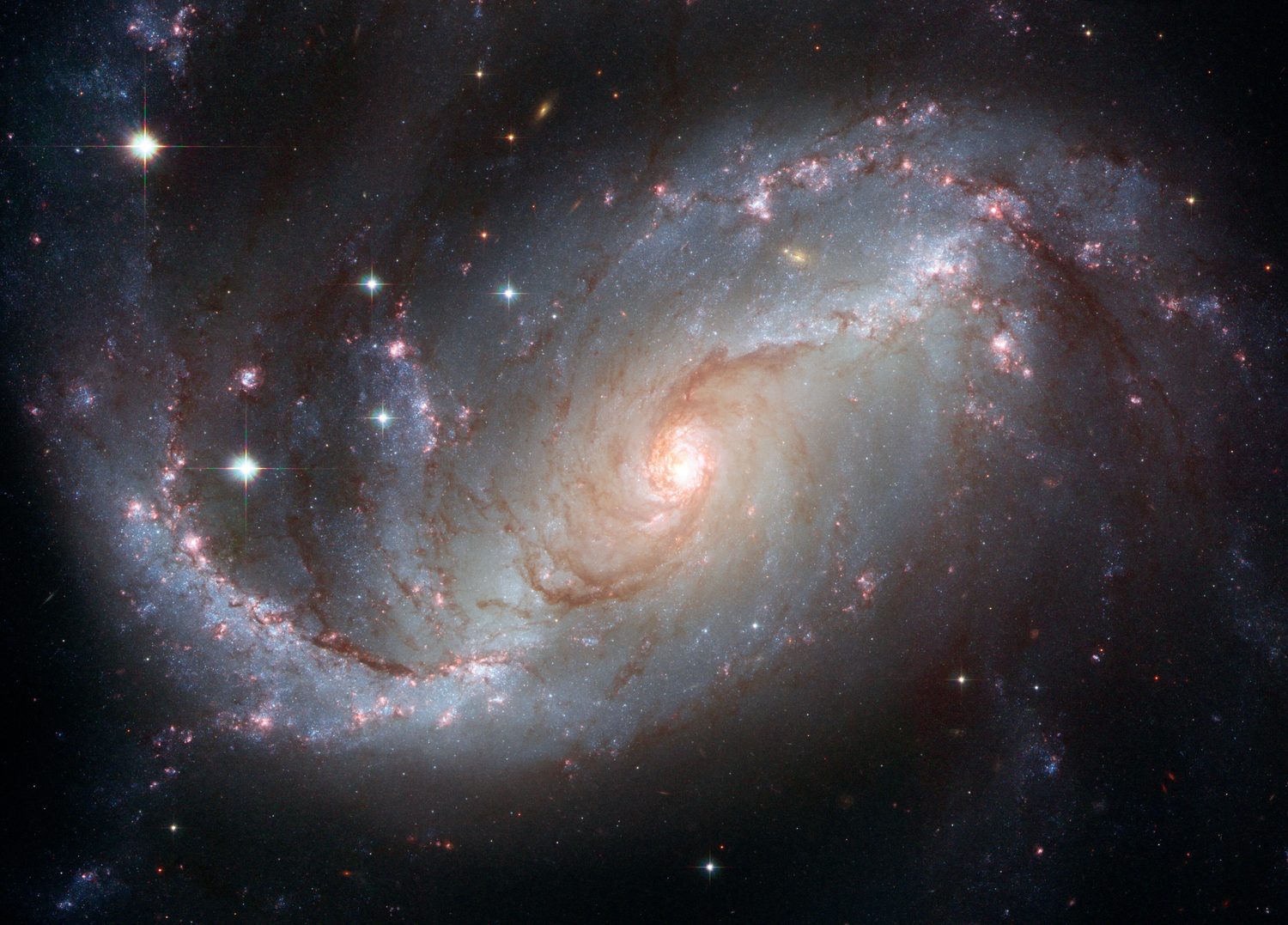
Credit: NASA, ESA
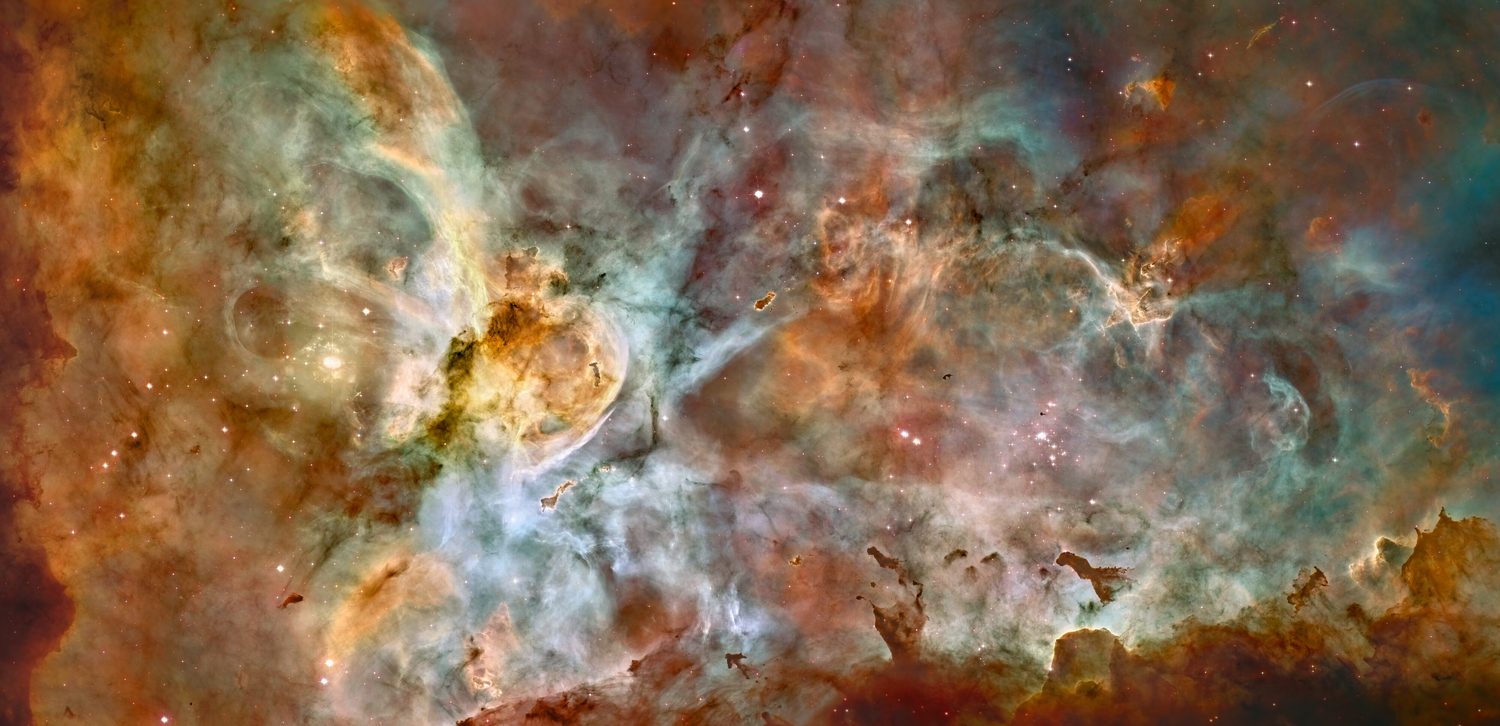
Credit: NASA, ESA, N. Smith (University of California, Berkeley), and The Hubble Heritage Team (STScI/AURA)
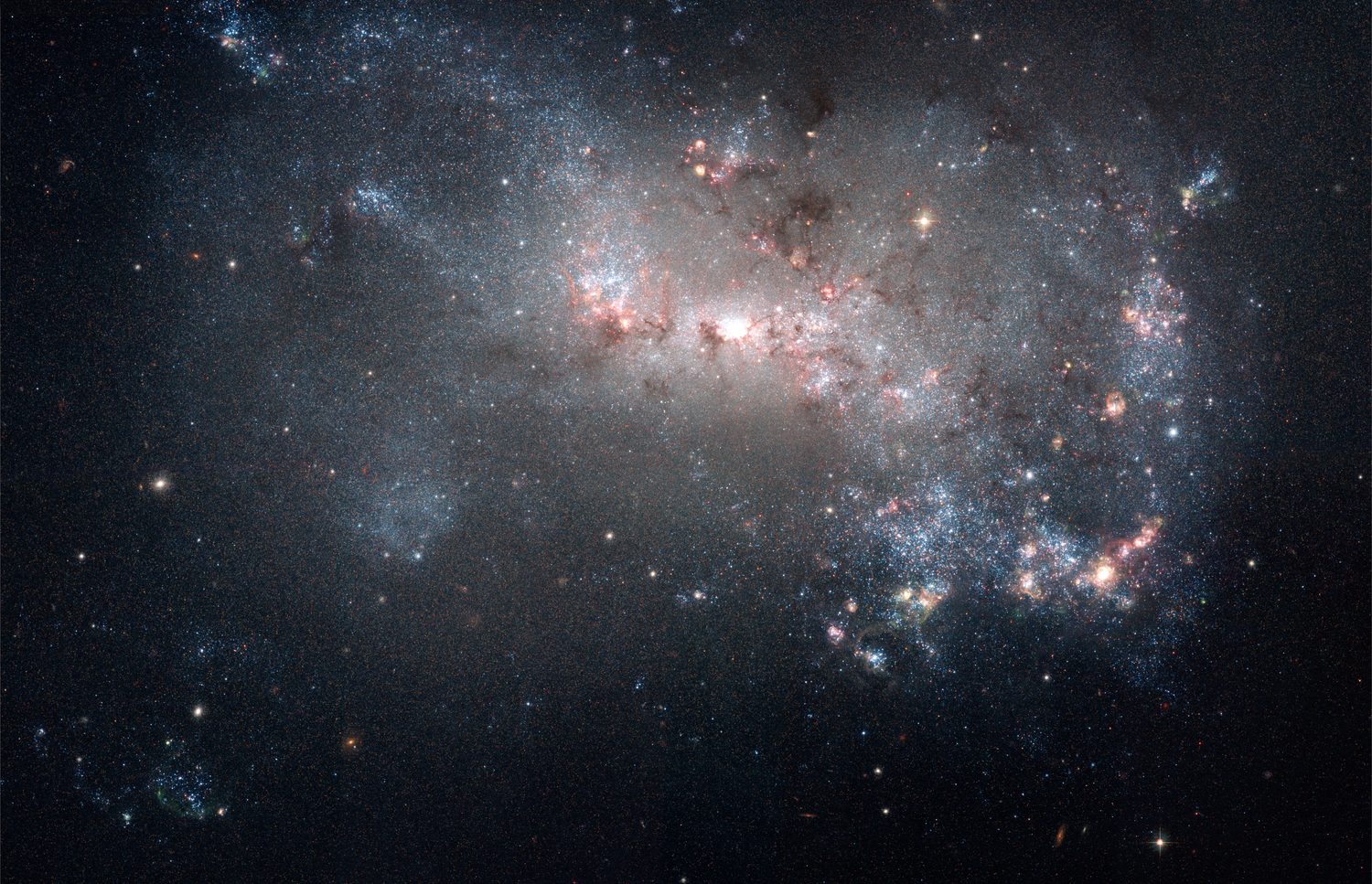
Credit: NASA, ESA, A. Aloisi (STScI/ESA), and The Hubble Heritage (STScI/AURA)-ESA/Hubble Collaboration
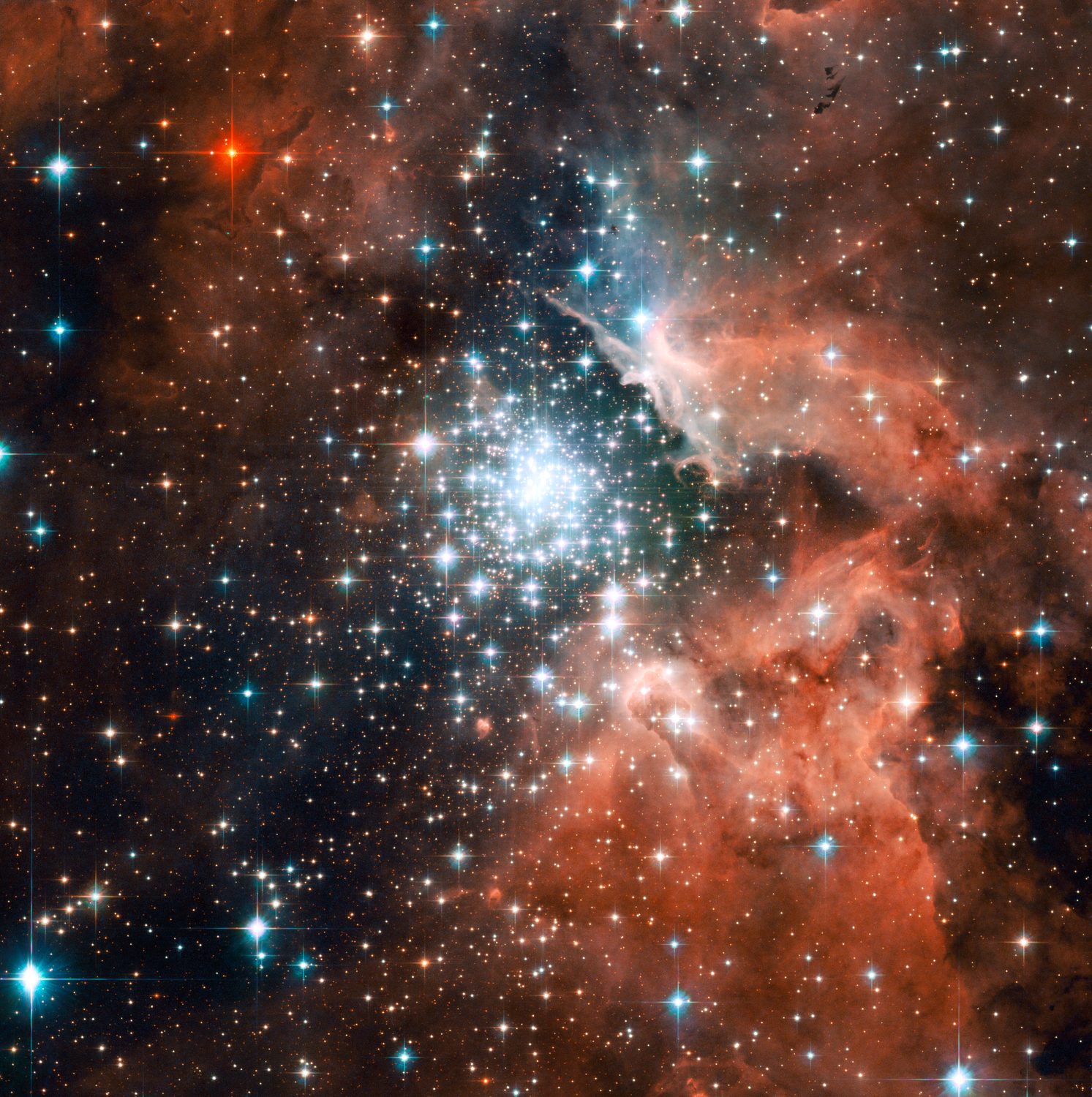
Credit: NASA, ESA and the Hubble Heritage (STScI/AURA)-ESA/Hubble Collaboration
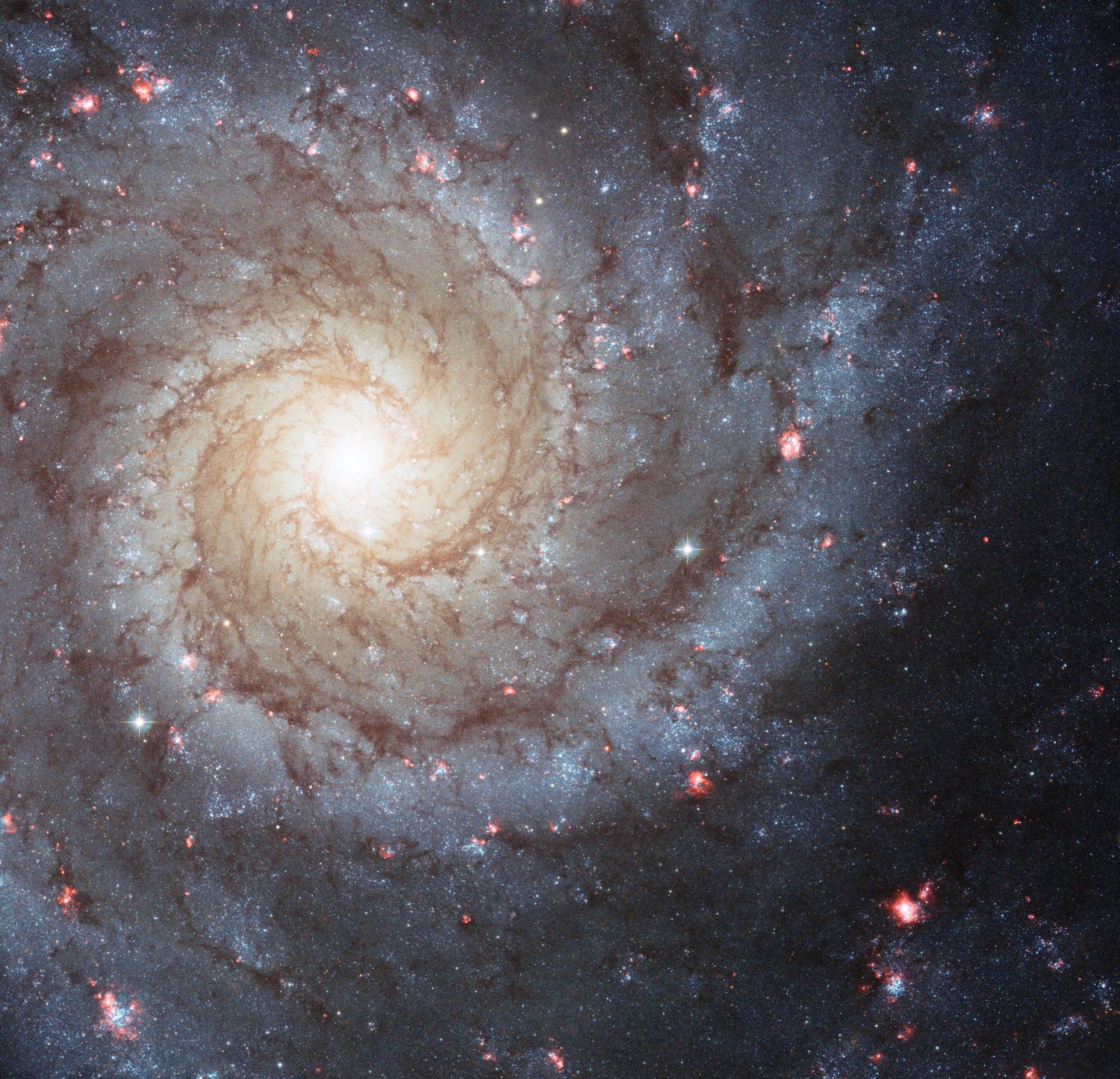
Credit: NASA, ESA, and The Hubble Heritage (STScI/AURA)-ESA/Hubble Collaboration
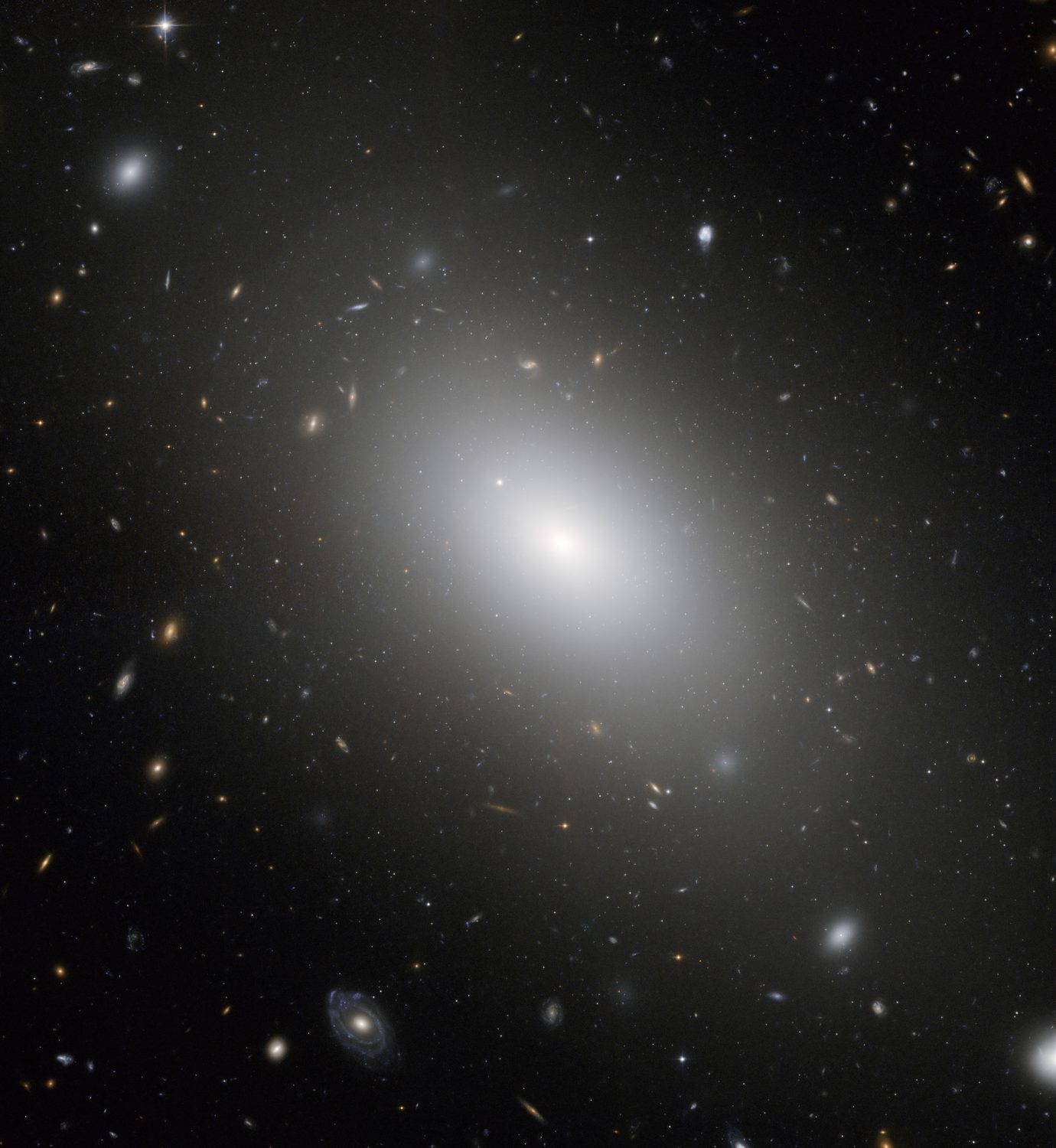
Credit: NASA, ESA and the Hubble Heritage (STScI/AURA)-ESA/Hubble Collaboration. Acknowledgment: M. West (ESO, Chile)
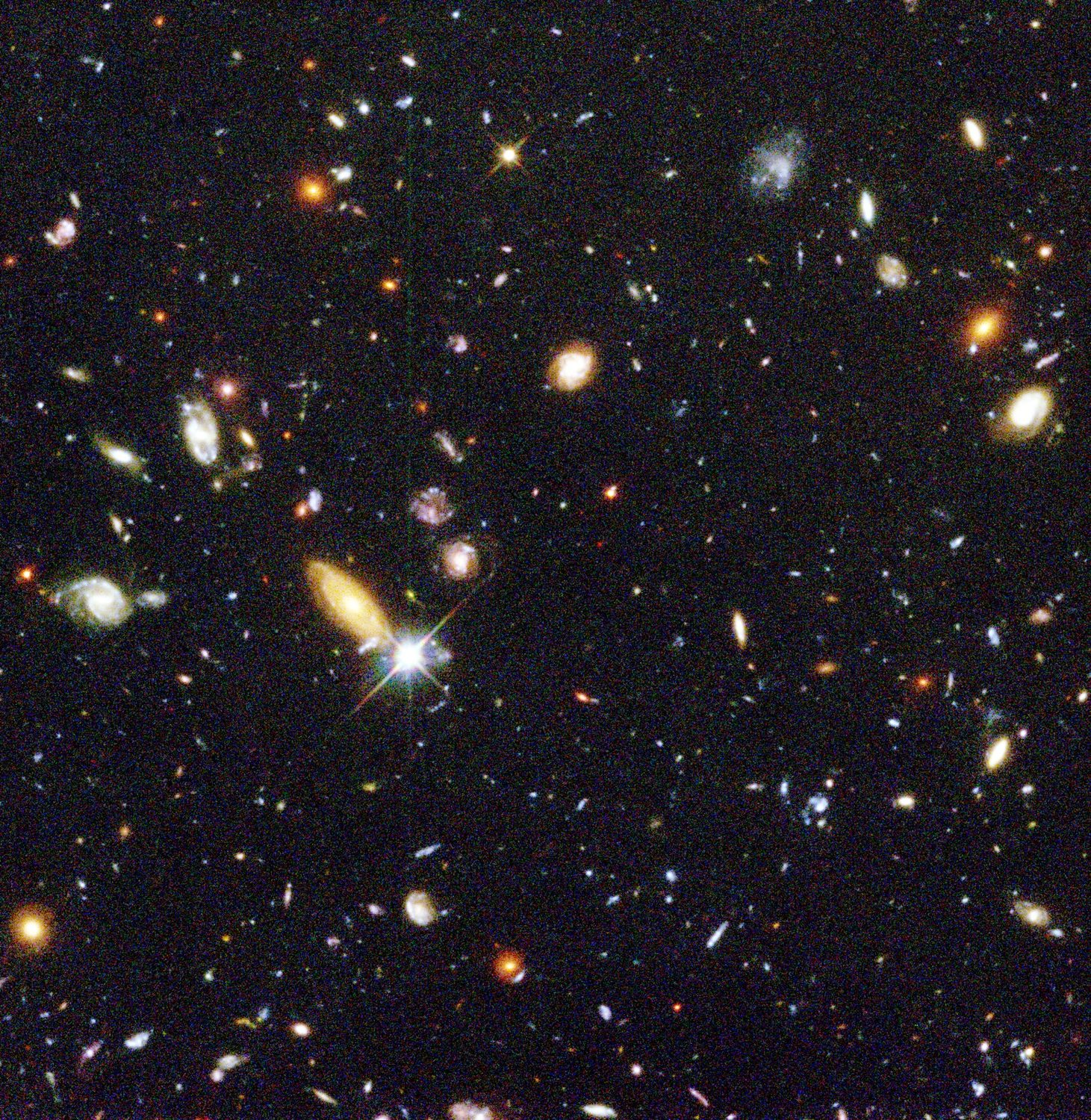
Credit: Robert Williams and the Hubble Deep Field Team and NASA
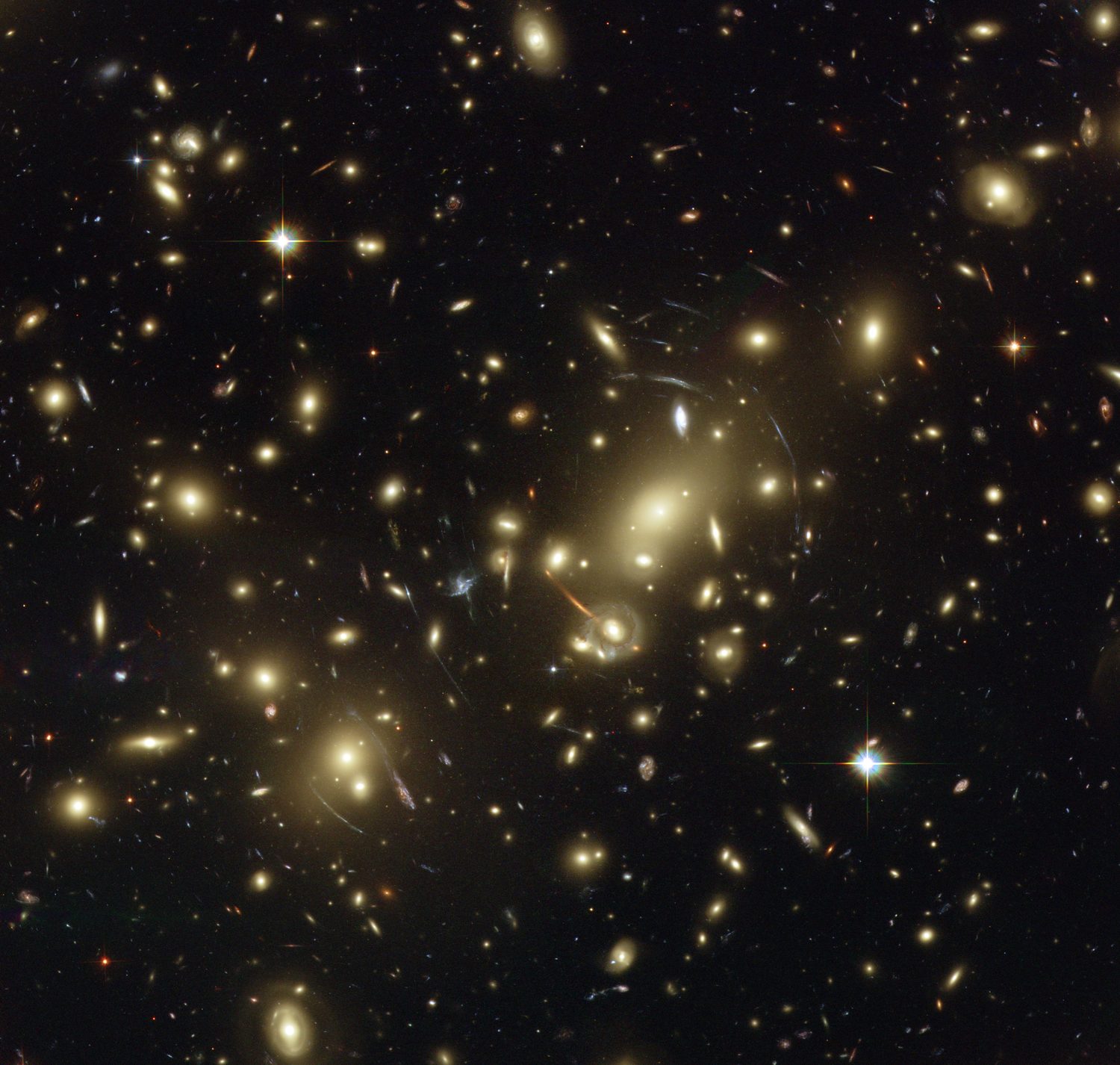
Credit: NASA, ESA, and Johan Richard (Caltech, USA)Acknowledgement: Davide de Martin & James Long (ESA/Hubble)
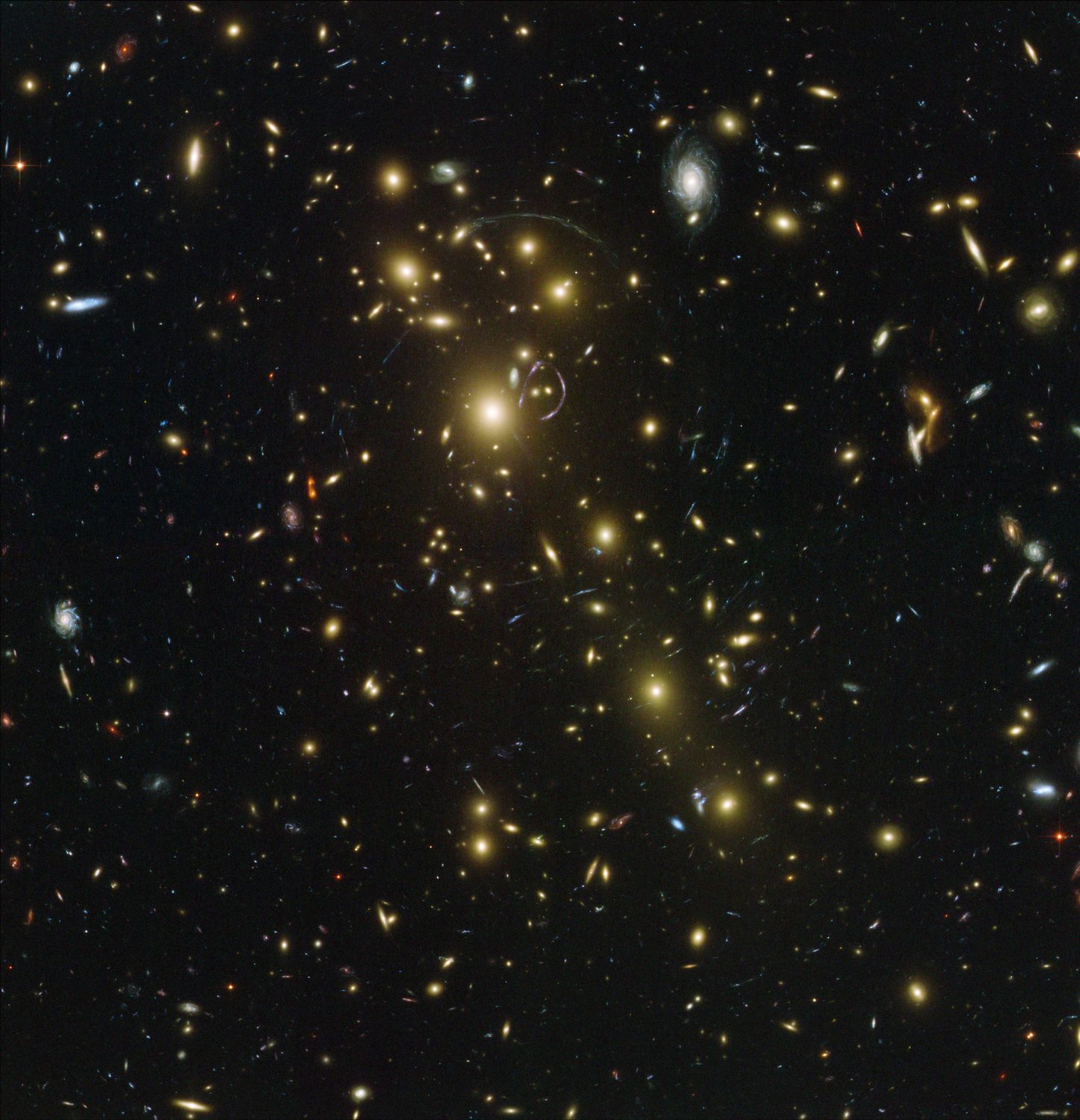
Credit: NASA, ESA, and Johan Richard (Caltech, USA)Acknowledgement: Davide de Martin & James Long (ESA/Hubble)
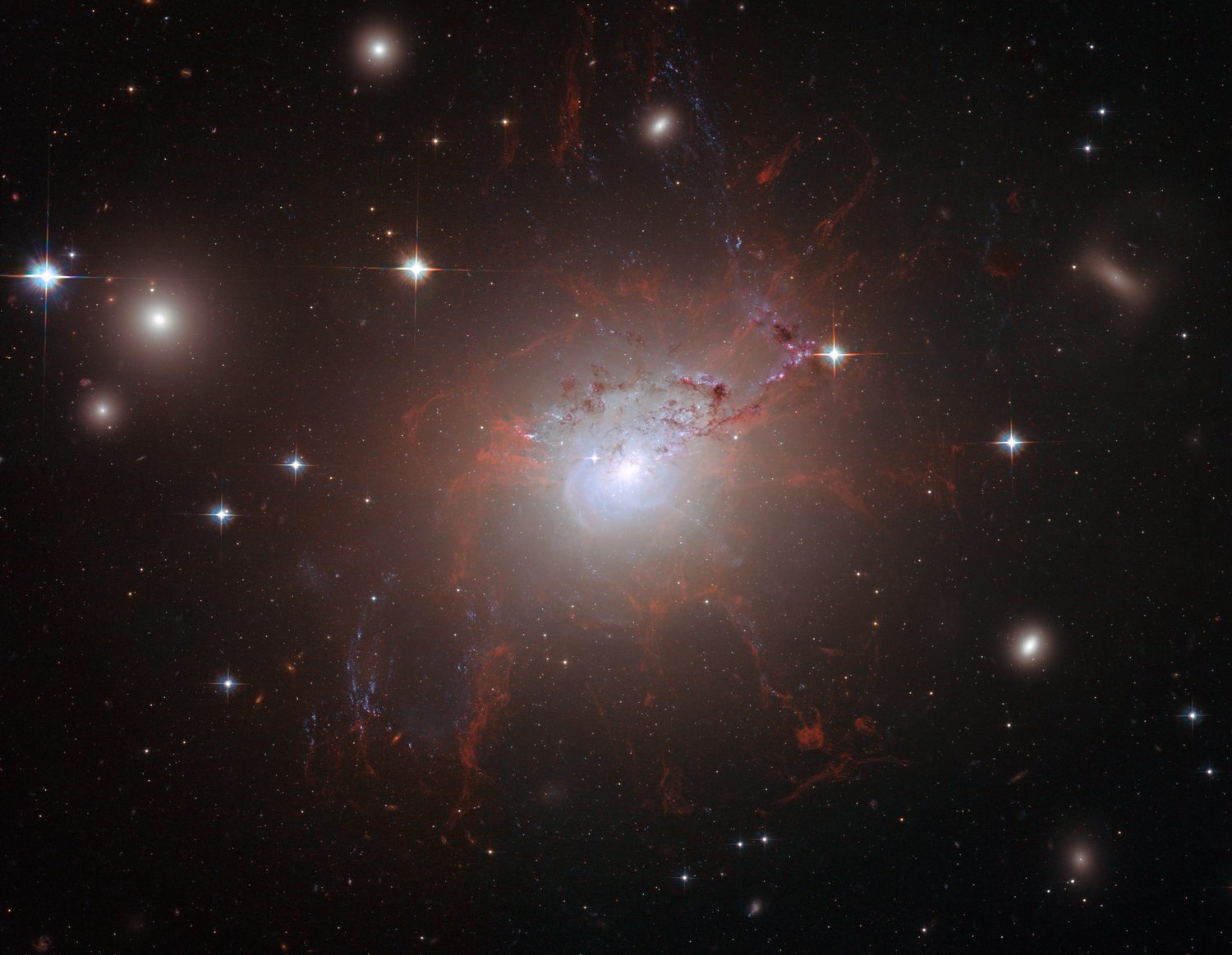
Credit: NASA, ESA and Andy Fabian (University of Cambridge, UK)
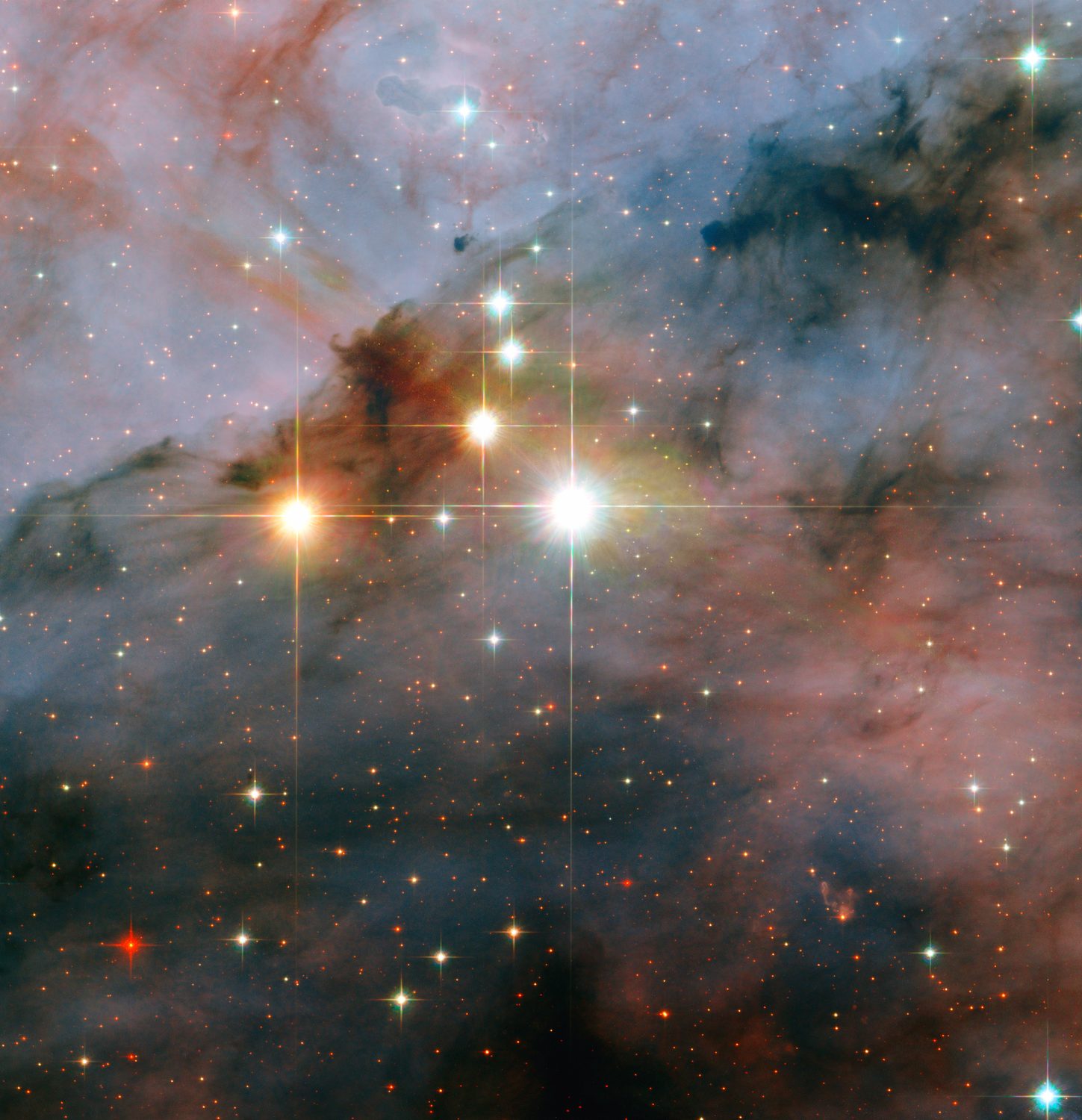
Credit: NASA, ESA and Jesús Maíz Apellániz (Instituto de Astrofísica de Andalucía, Spain)
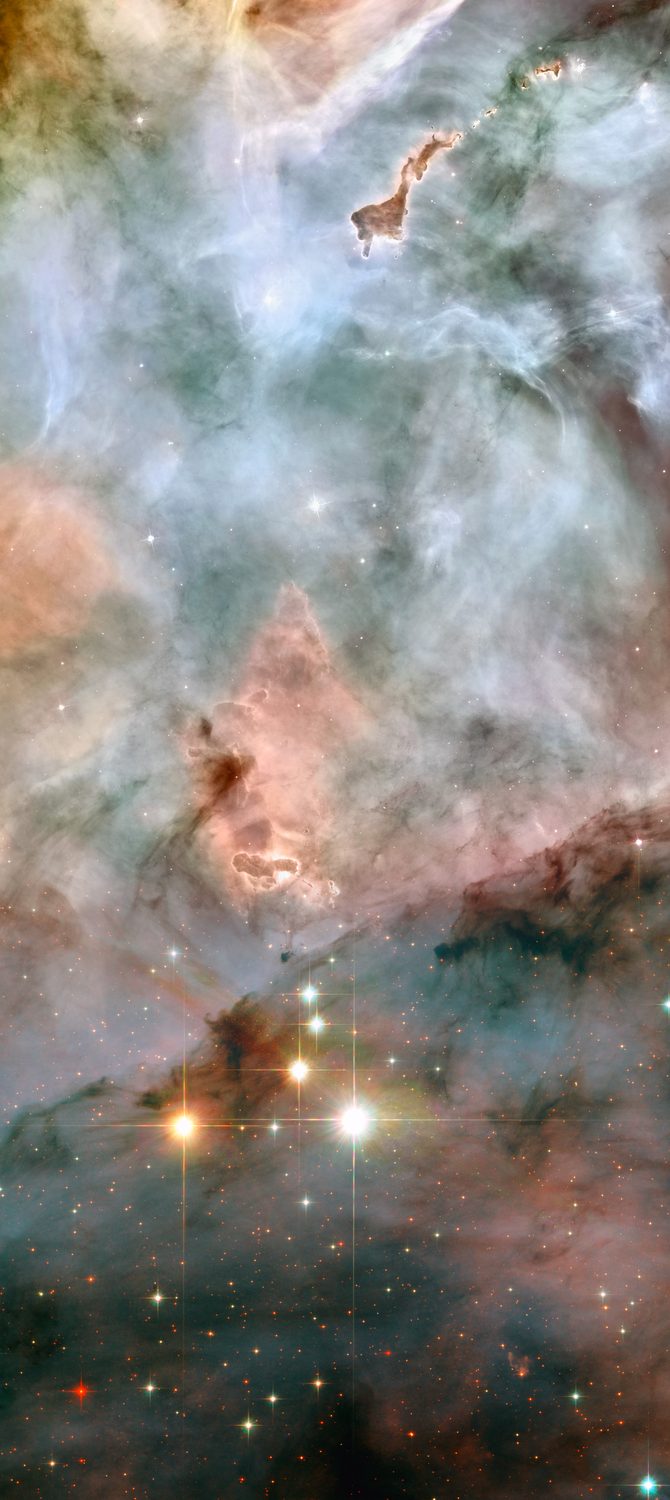
Credit: NASA, ESA and Jesús Maíz Apellániz (Instituto de Astrofísica de Andalucía, Spain)
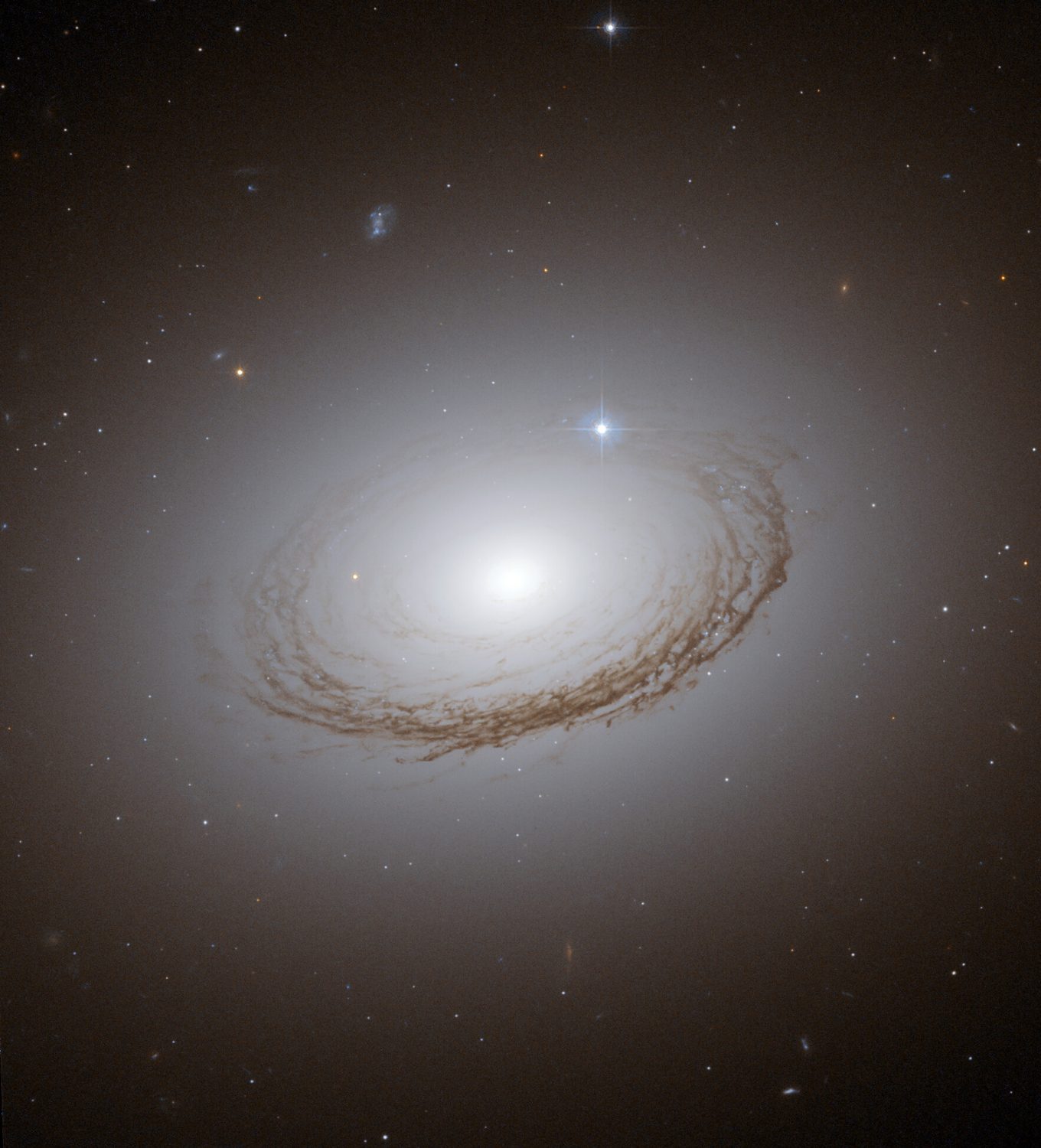
Credit: NASA, ESA and W. Harris (McMaster University, Ontario, Canada)
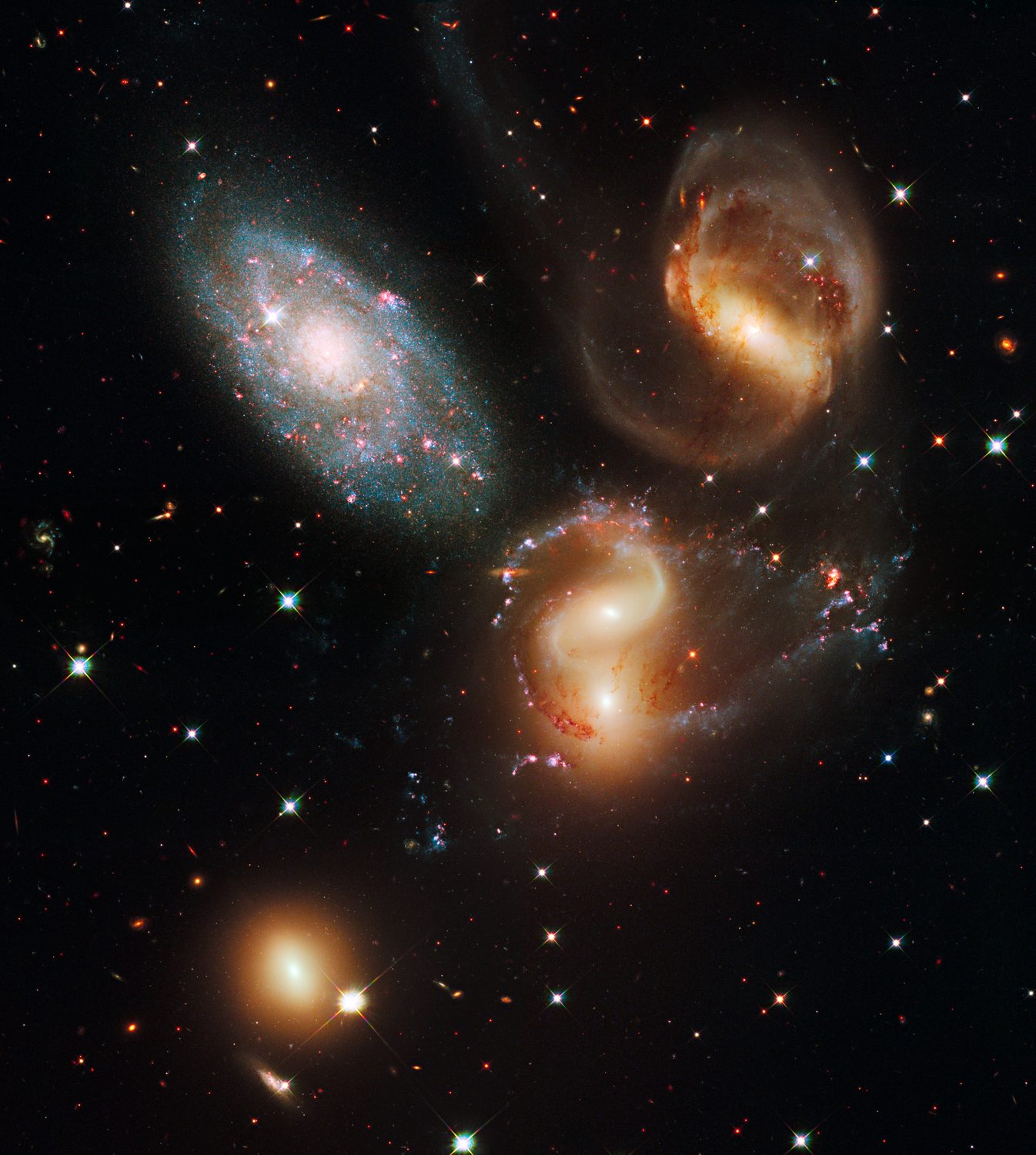
Credit: NASA, ESA and the Hubble SM4 ERO Team
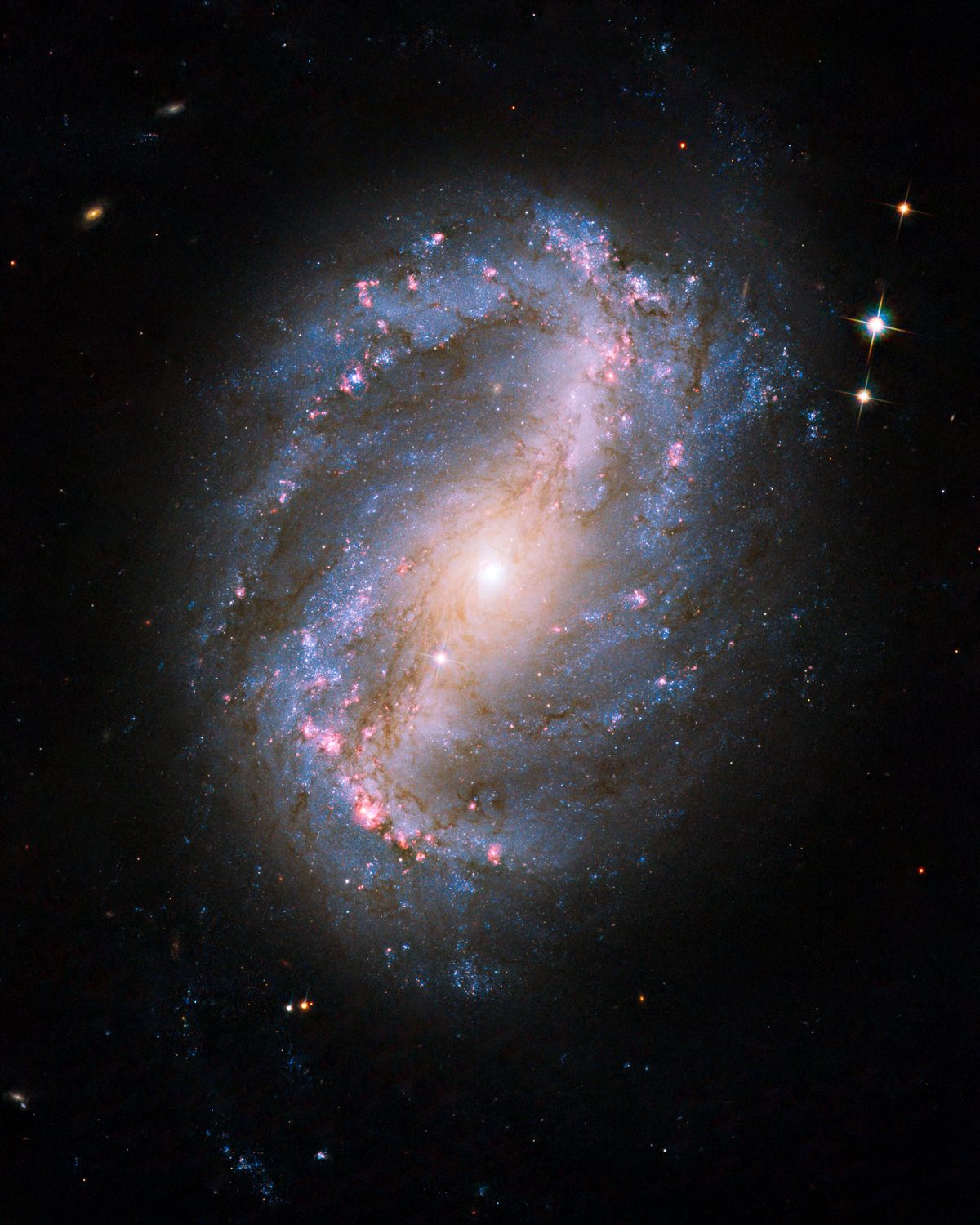
Credit: NASA, ESA and the Hubble SM4 ERO Team
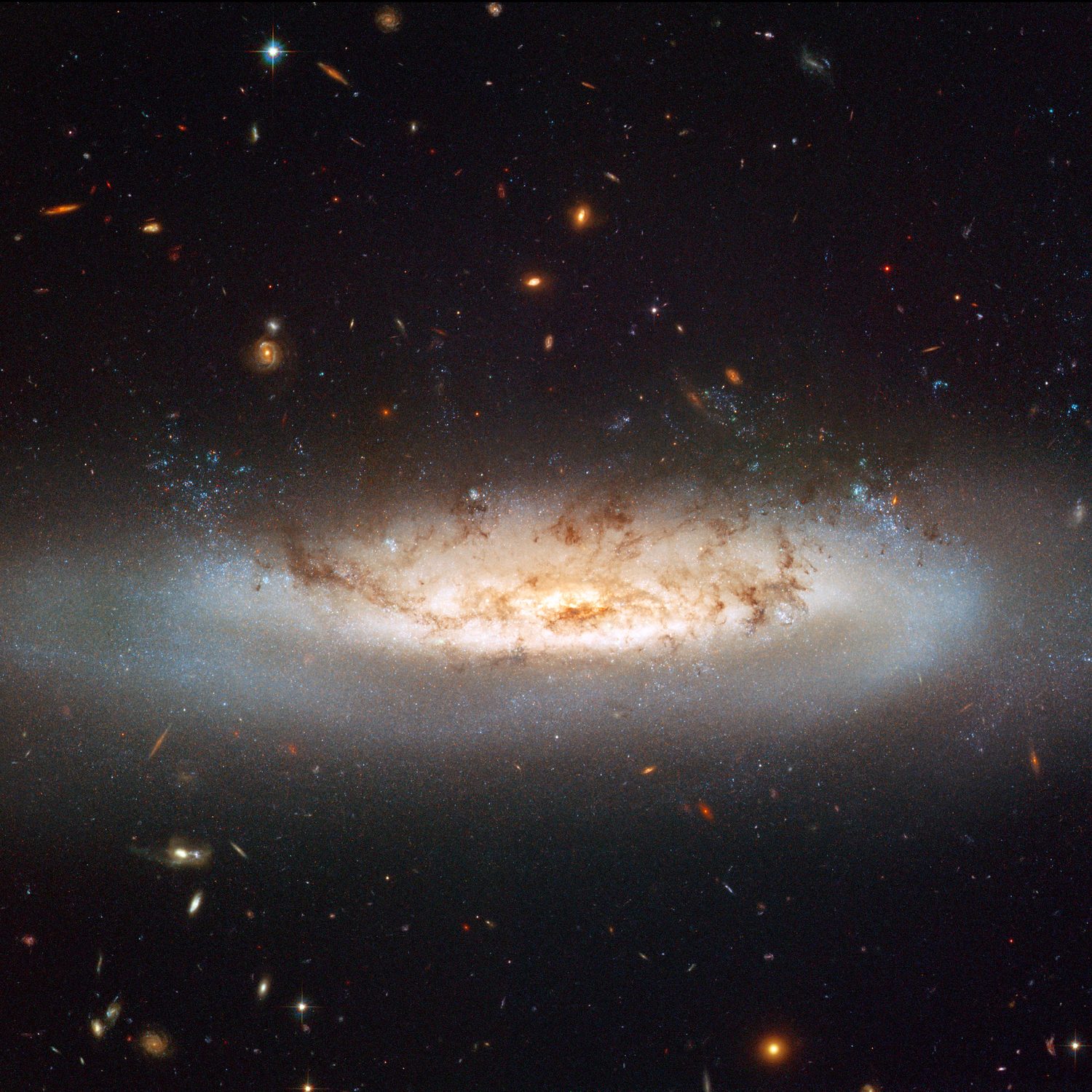
Credit: NASA & ESA
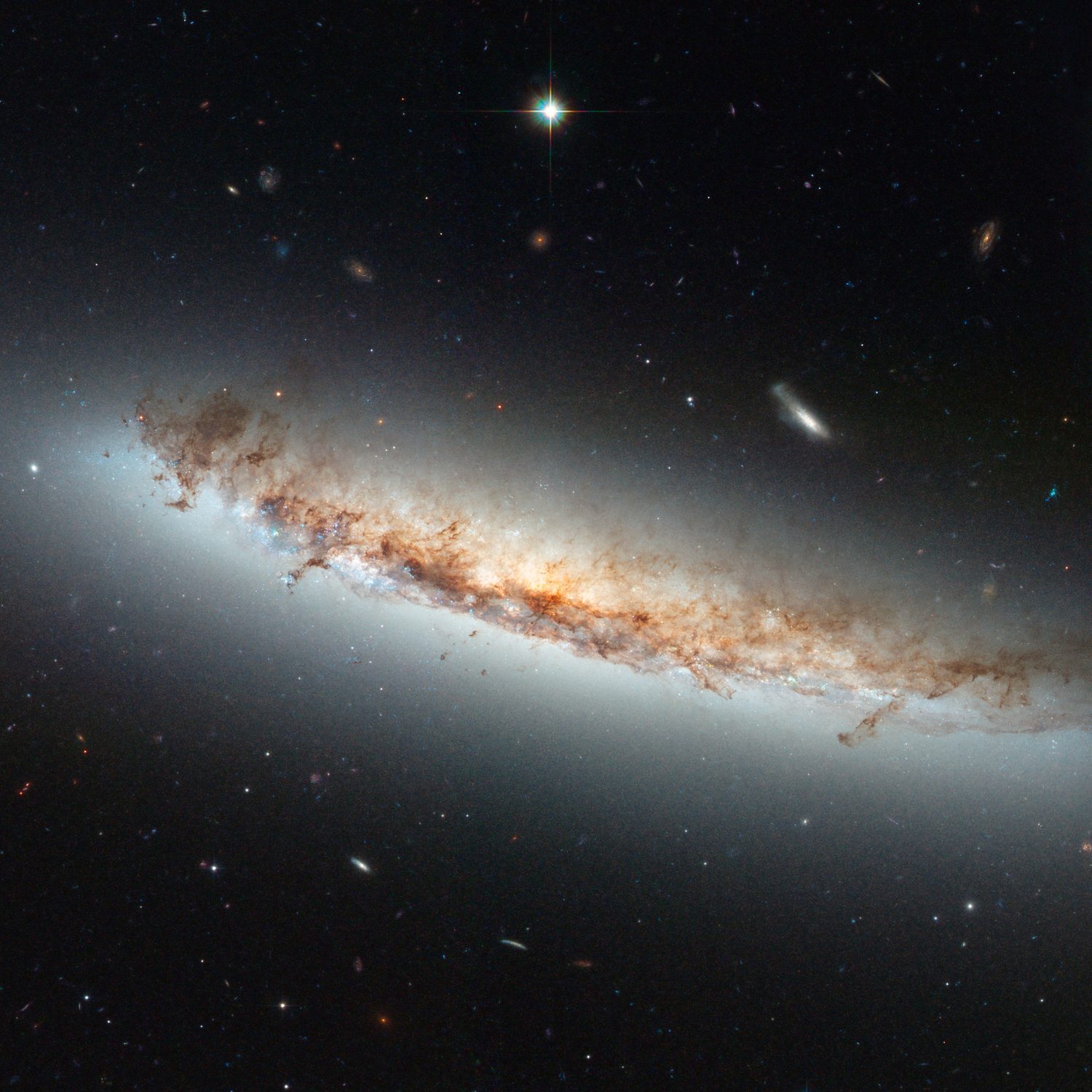
Credit: NASA & ESA
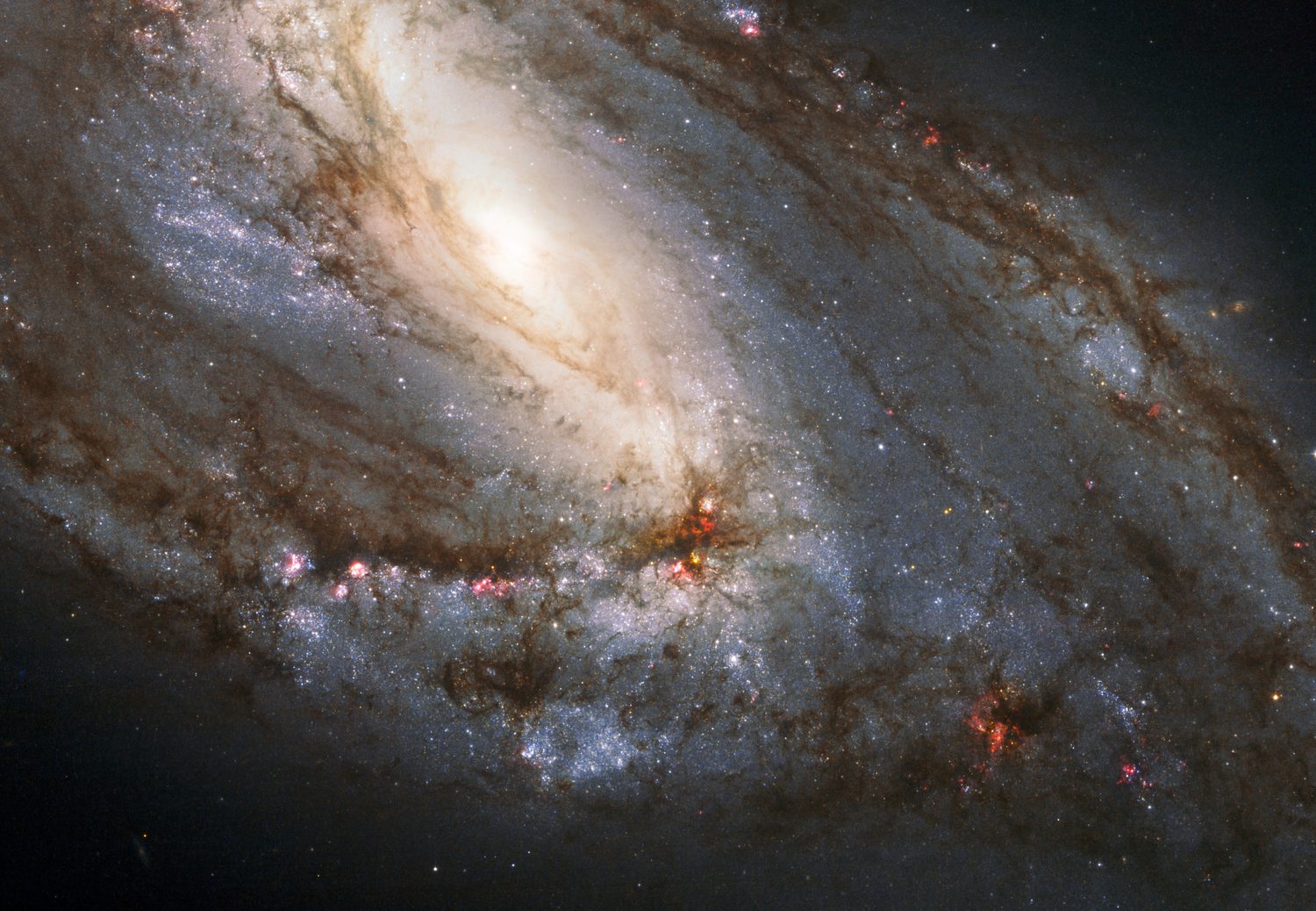
Credit: NASA, ESA and the Hubble Heritage (STScI/AURA)-ESA/Hubble Collaboration. Acknowledgement: Davide De Martin and Robert Gendler
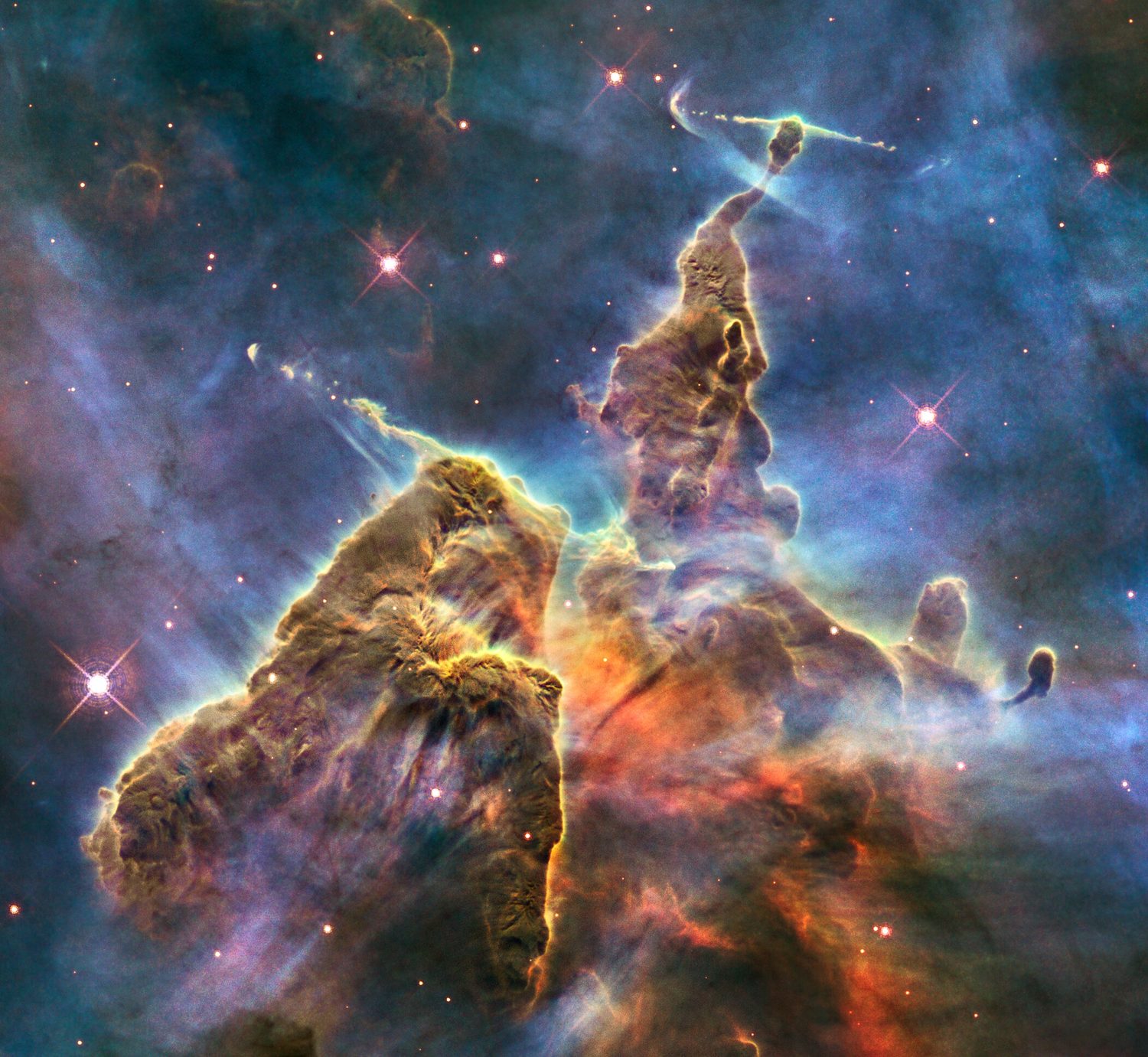
Credit: NASA, ESA, M. Livio and the Hubble 20th Anniversary Team (STScI)
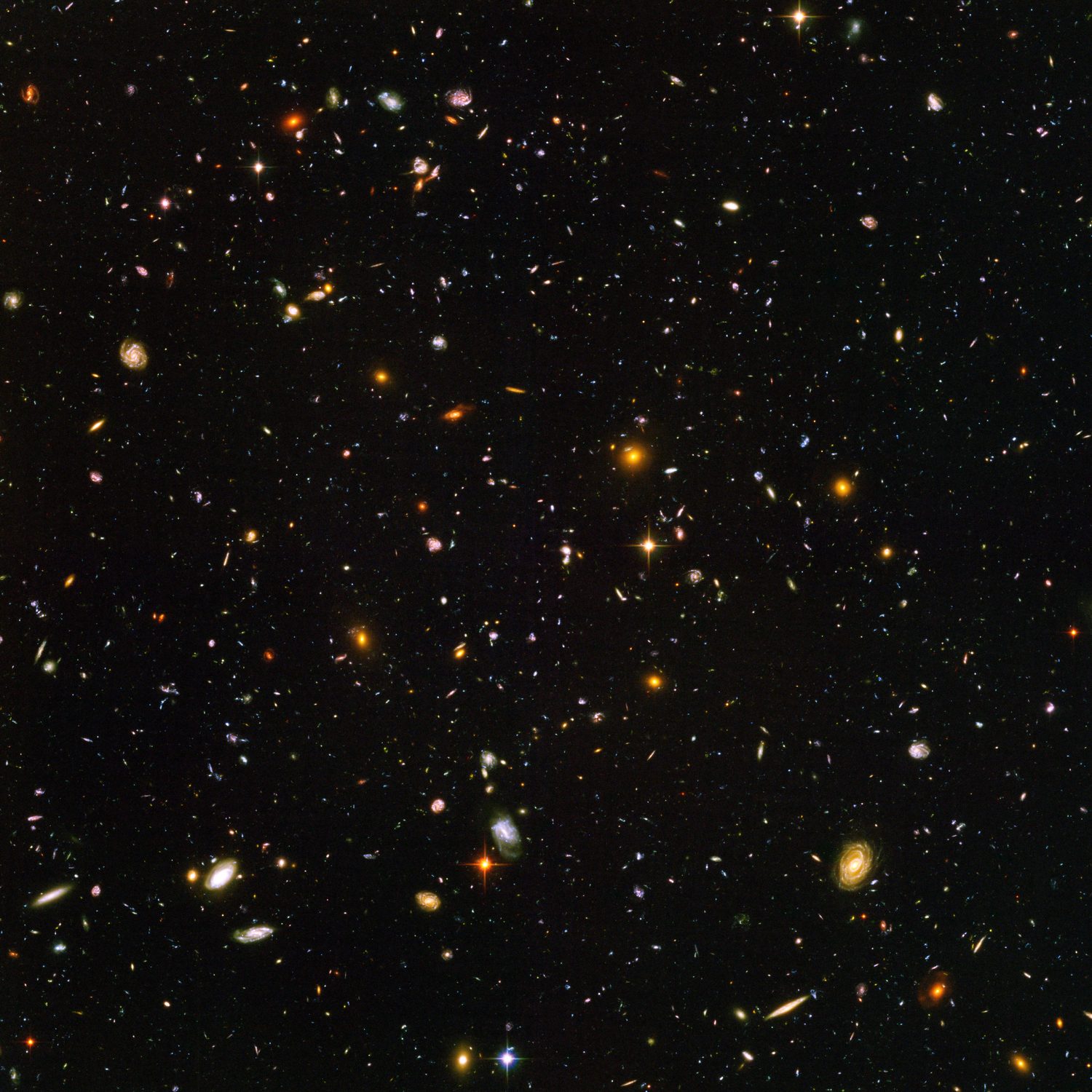
Credit: NASA, ESA, and S. Beckwith (STScI) and the HUDF Team
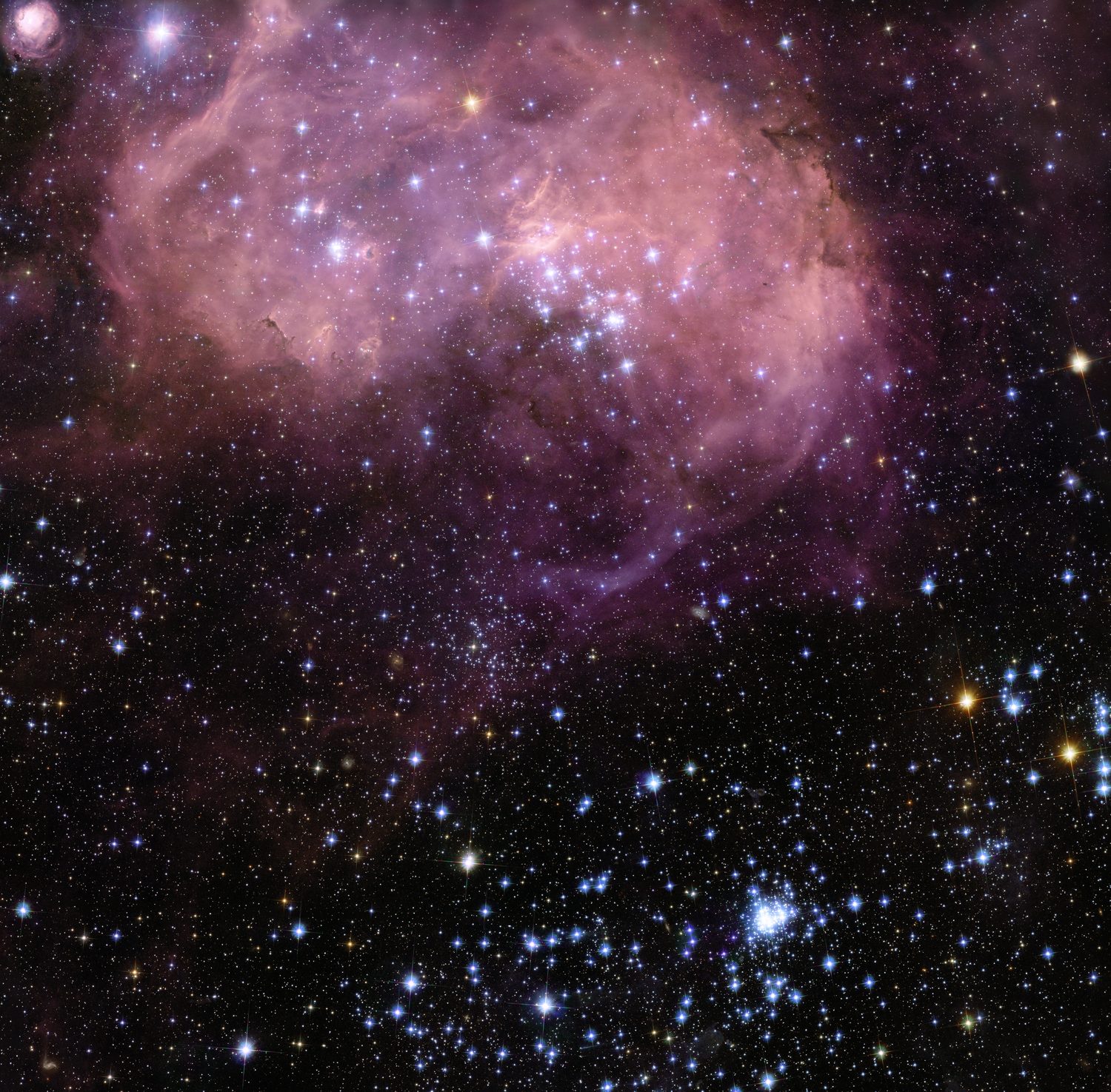
Credit: NASA, ESA and Jesús Maíz Apellániz (Instituto de Astrofísica de Andalucía, Spain)
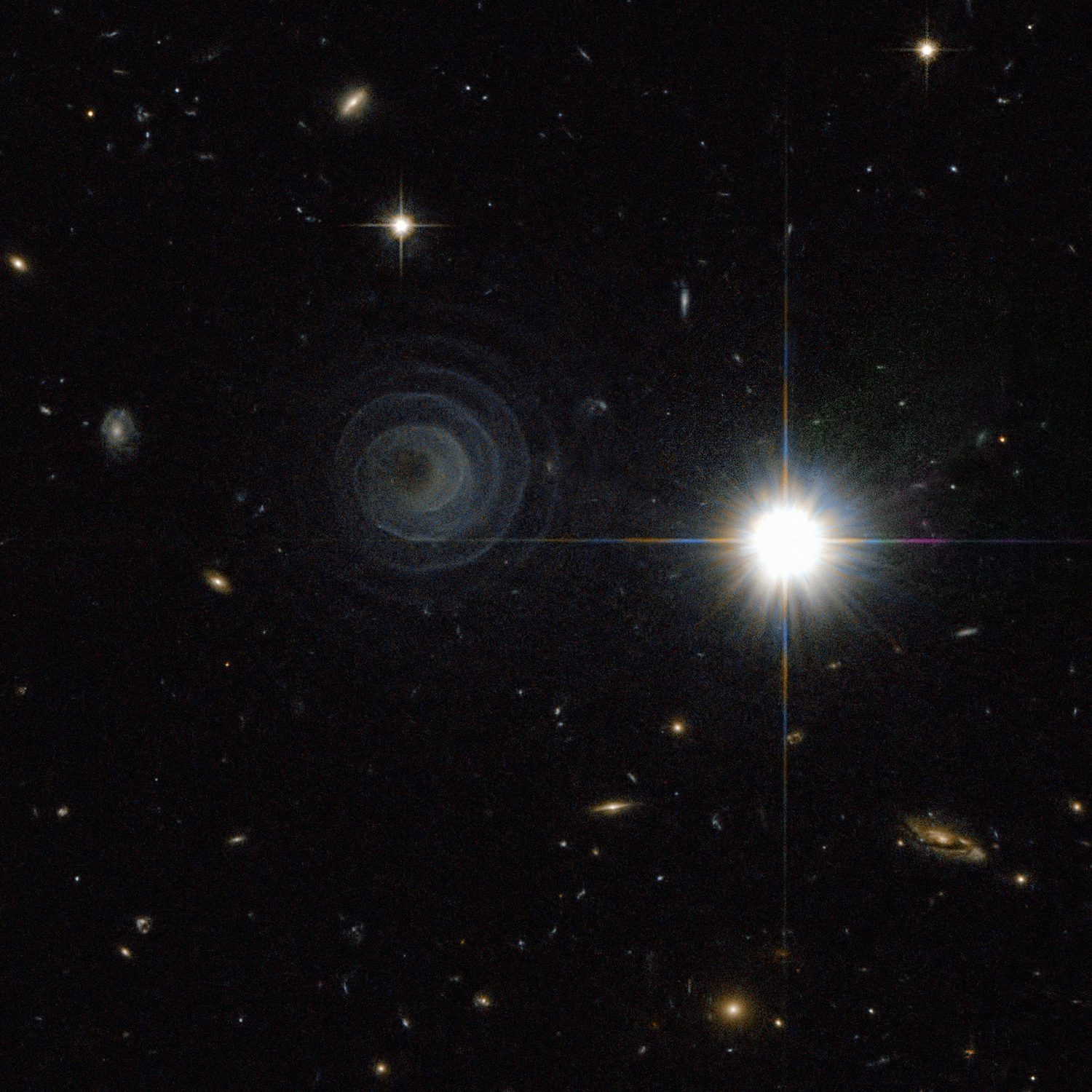
Credit: ESA/NASA & R. Sahai
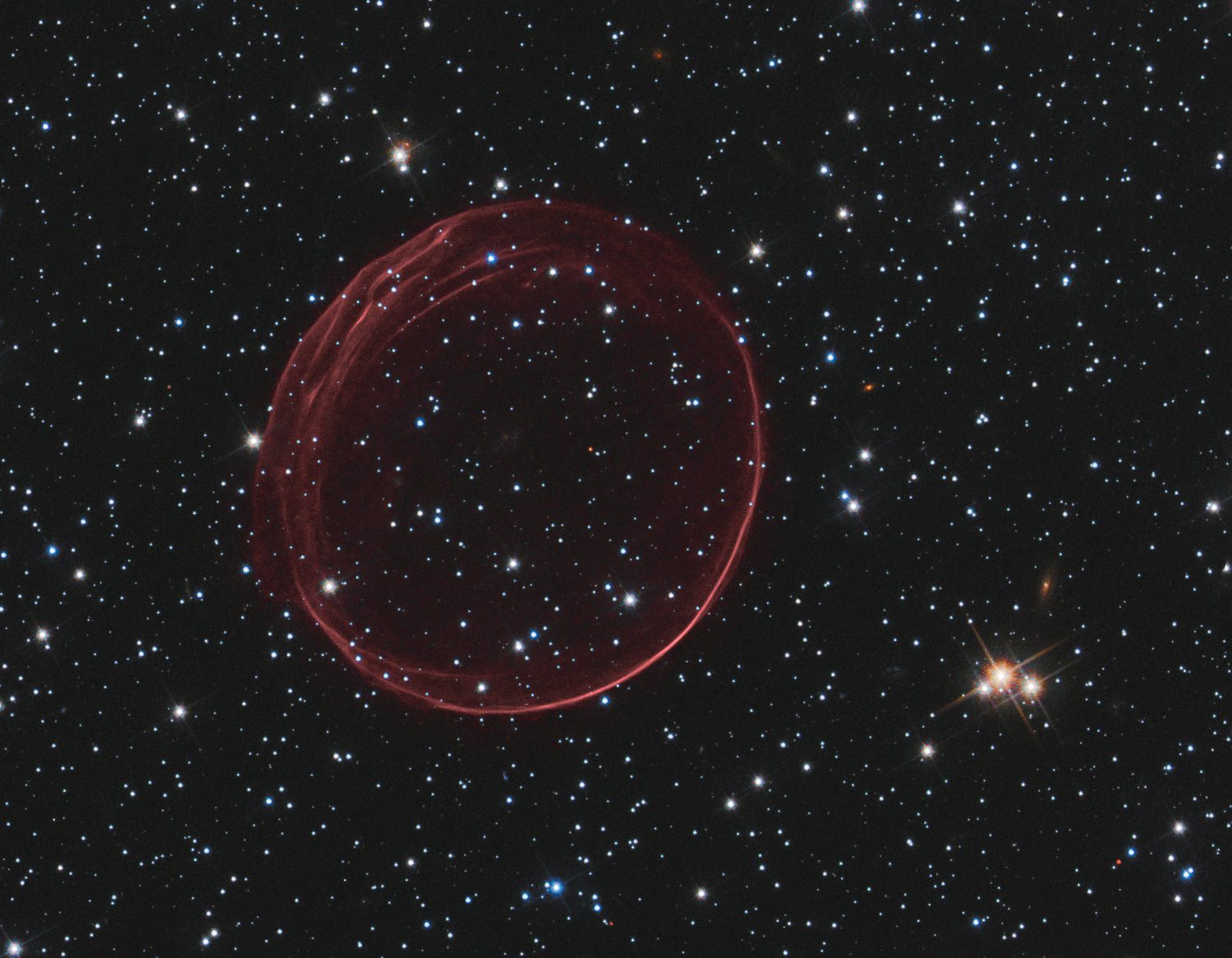
Credit: NASA, ESA, and the Hubble Heritage Team (STScI/AURA). Acknowledgement: J. Hughes (Rutgers University)
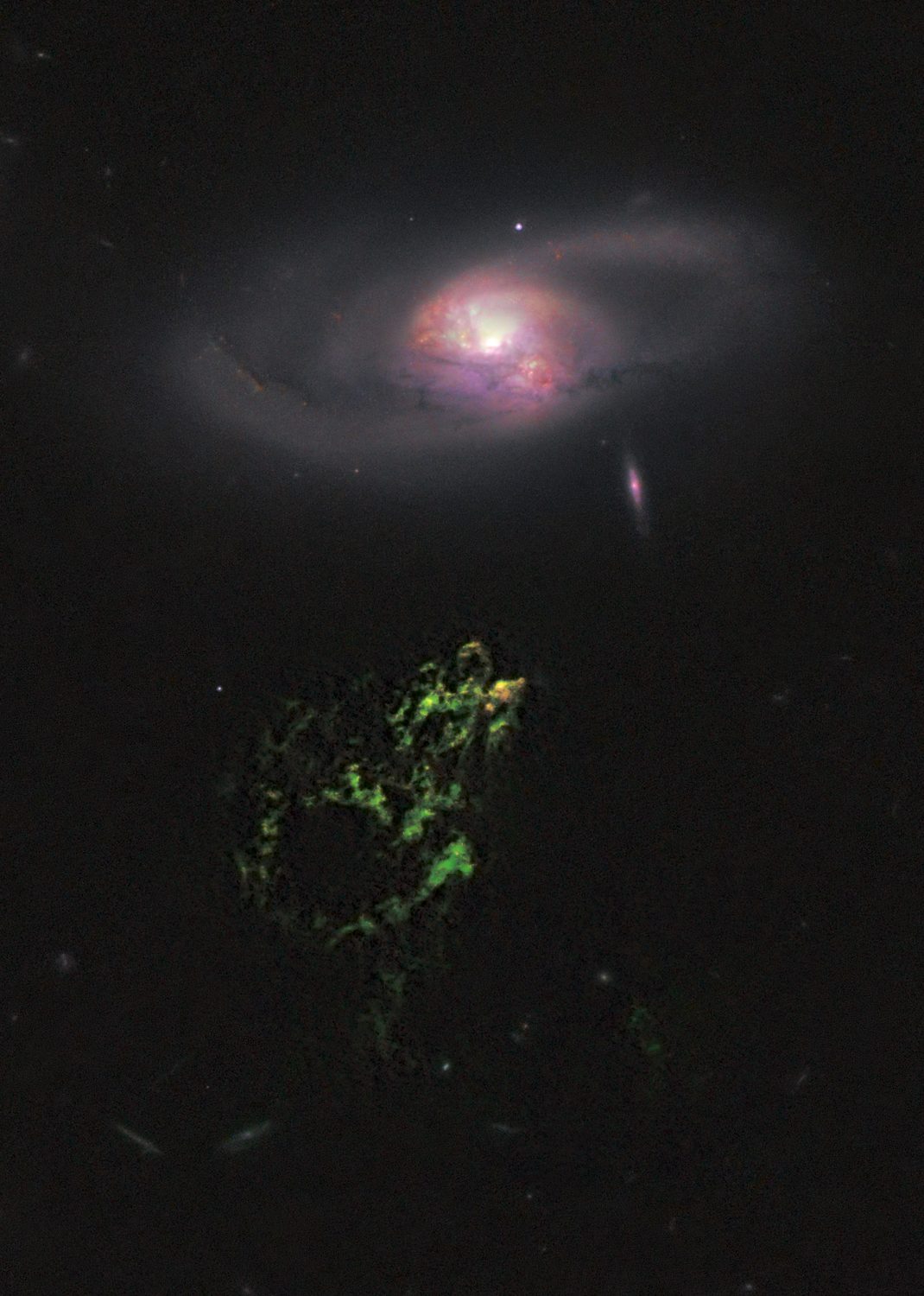
Credit: NASA, ESA, William Keel (University of Alabama, Tuscaloosa), and the Galaxy Zoo team
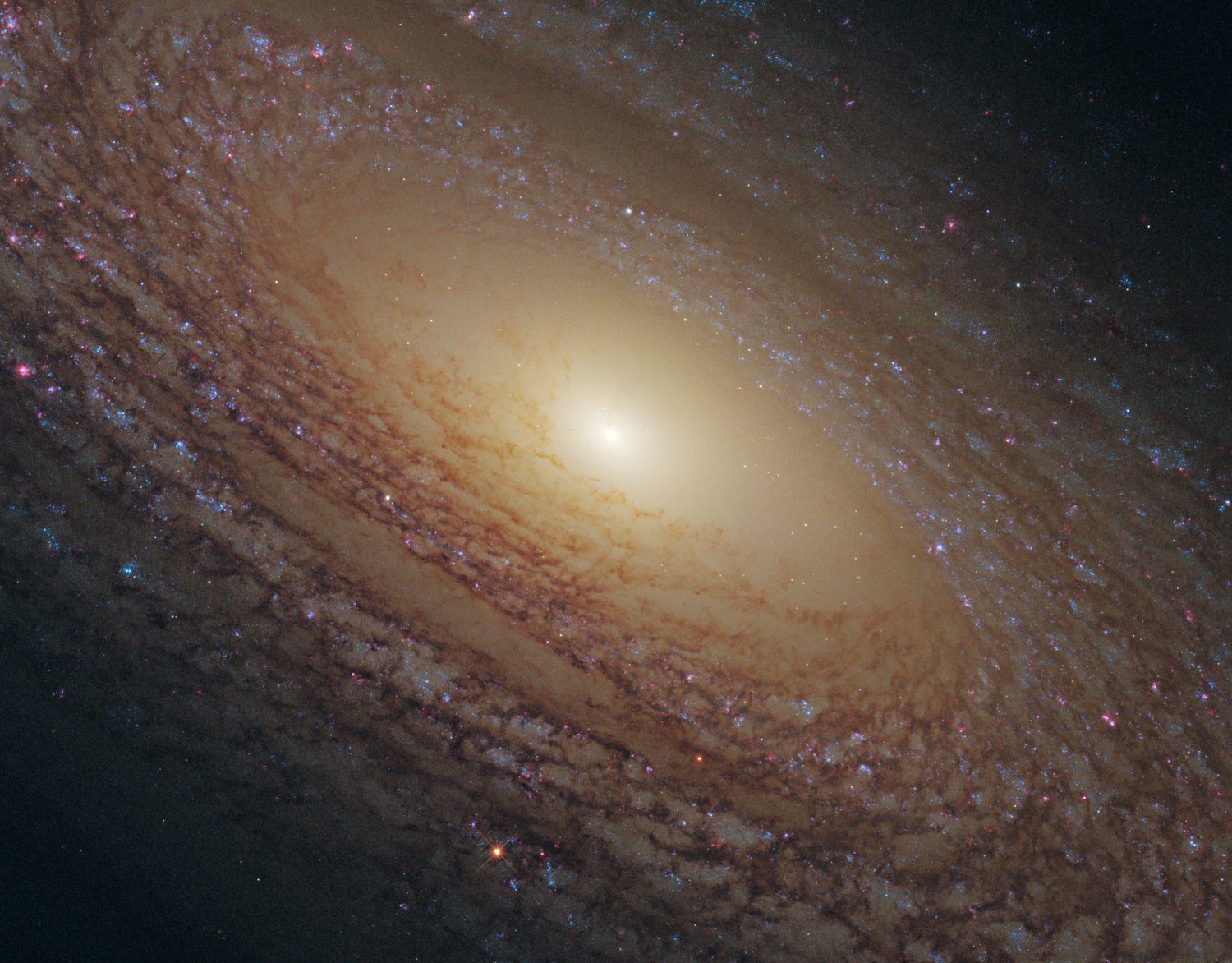
Credit: NASA, ESA and the Hubble Heritage (STScI/AURA)-ESA/Hubble Collaboration Acknowledgment: M. Crockett and S. Kaviraj (Oxford University, UK), R. O'Connell (University of Virginia), B. Whitmore (STScI) and the WFC3 Scientific Oversight Committee.
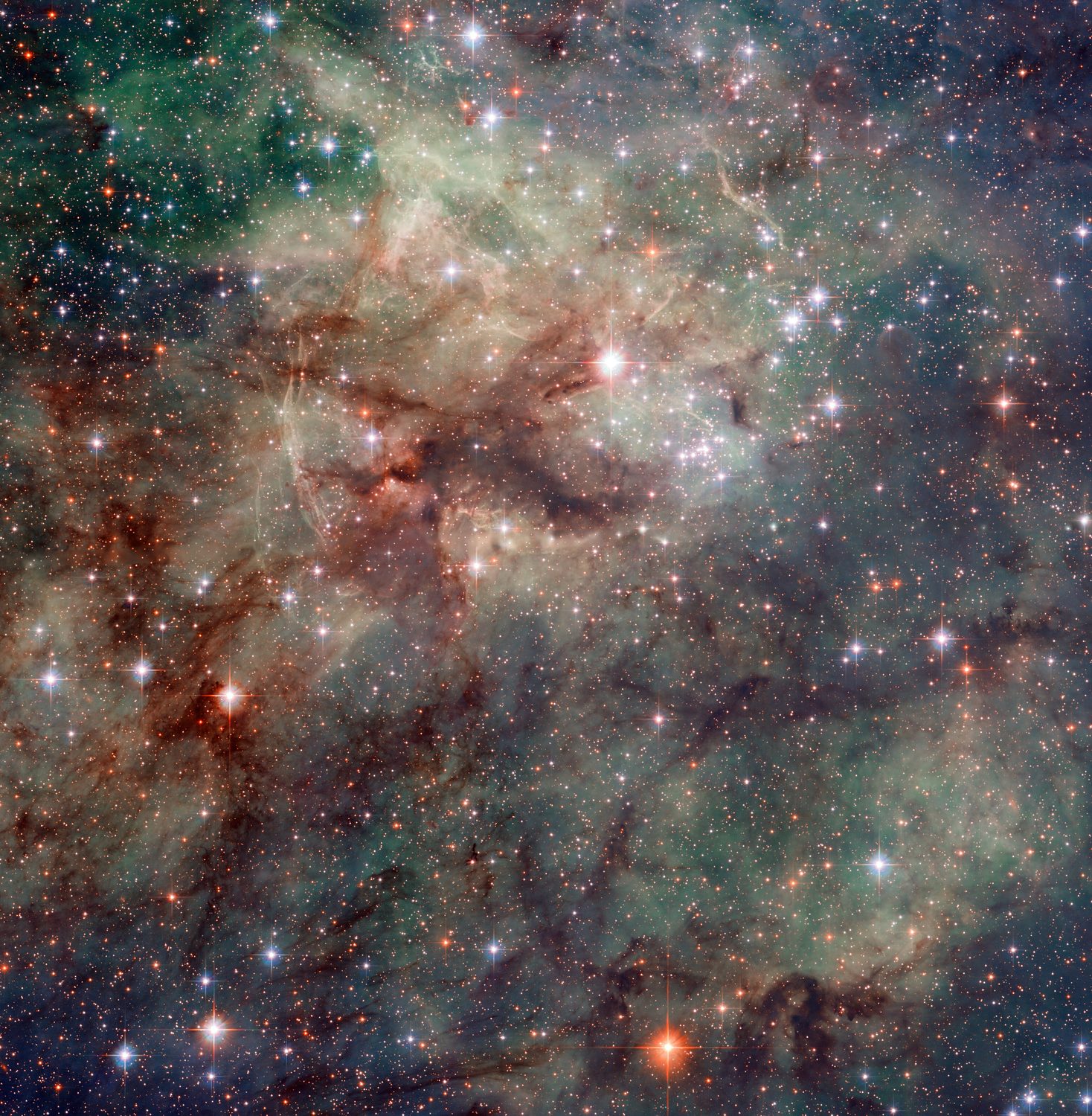
Credit: NASA, ESA
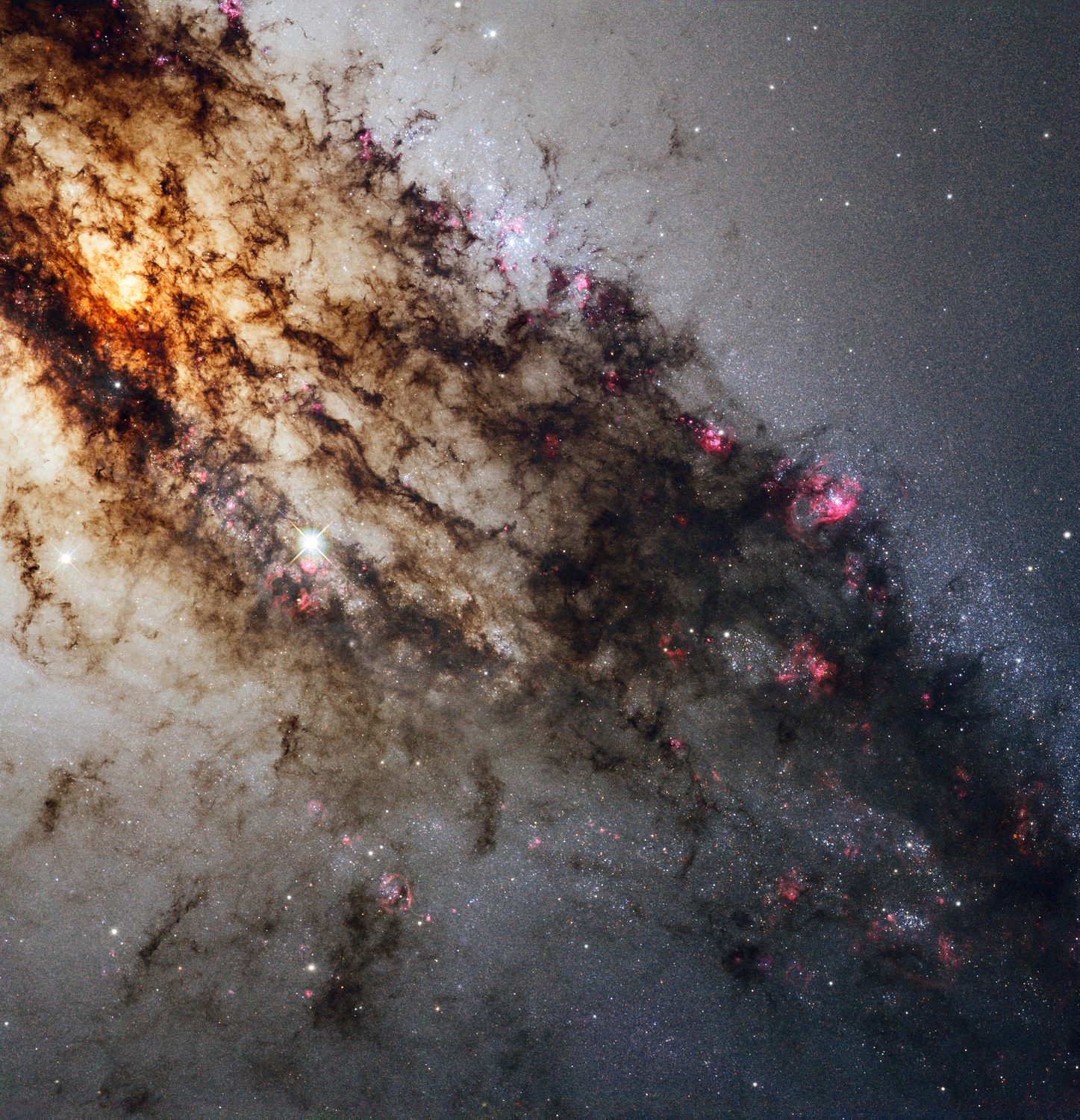
Credit: NASA, ESA, and the Hubble Heritage (STScI/AURA)-ESA/Hubble Collaboration. Acknowledgment: R. O’Connell (University of Virginia) and the WFC3 Scientific Oversight Committee
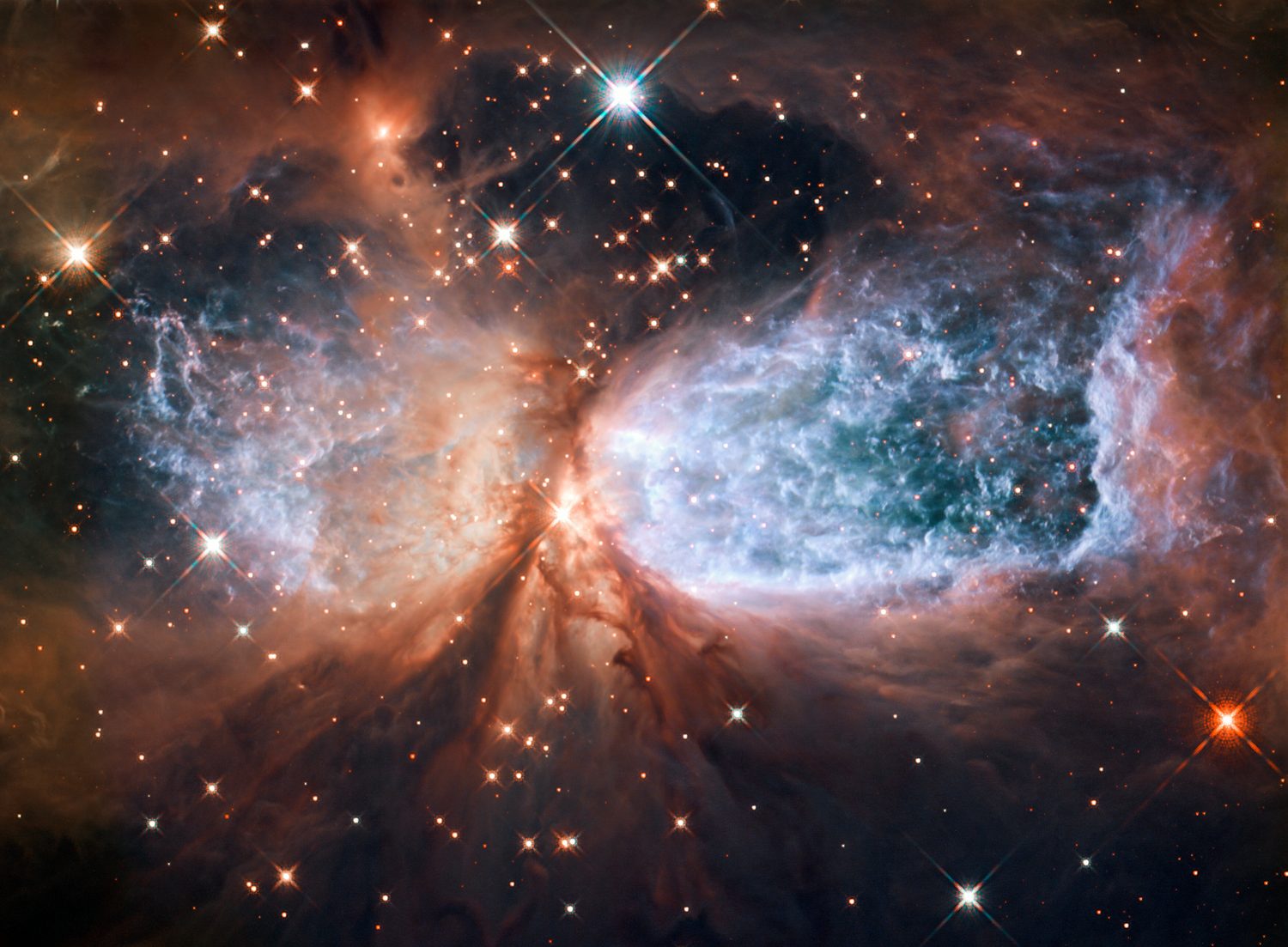
Credit: NASA & ESA
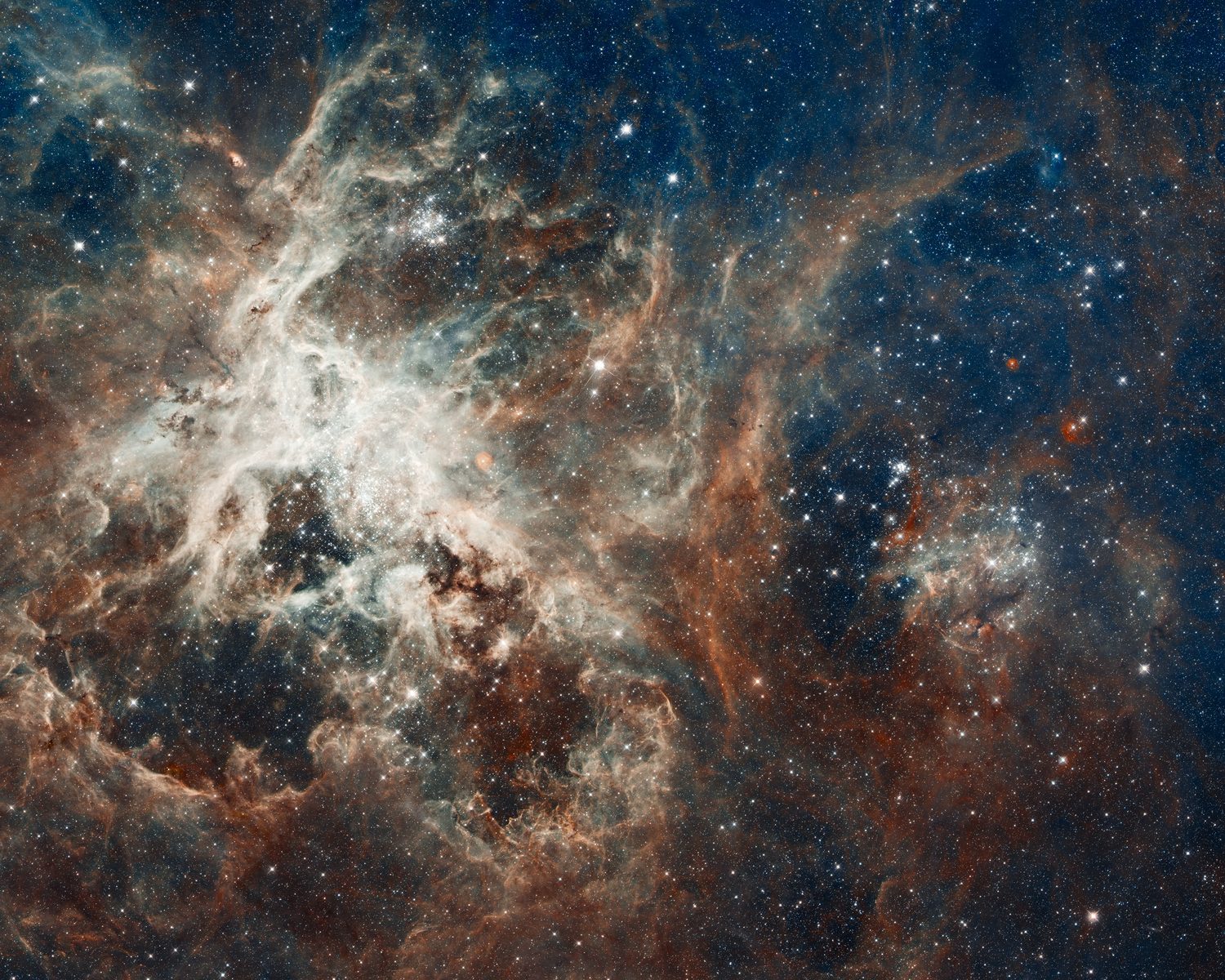
Credit: NASA, ESA, ESO, D. Lennon and E. Sabbi (ESA/STScI), J. Anderson, S. E. de Mink, R. van der Marel, T. Sohn, and N. Walborn (STScI), N. Bastian (Excellence Cluster, Munich), L. Bedin (INAF, Padua), E. Bressert (ESO), P. Crowther (Sheffield), A. de Koter (Amsterdam), C. Evans (UKATC/STFC, Edinburgh), A. Herrero (IAC, Tenerife), N. Langer (AifA, Bonn), I. Platais (JHU) and H. Sana (Amsterdam)
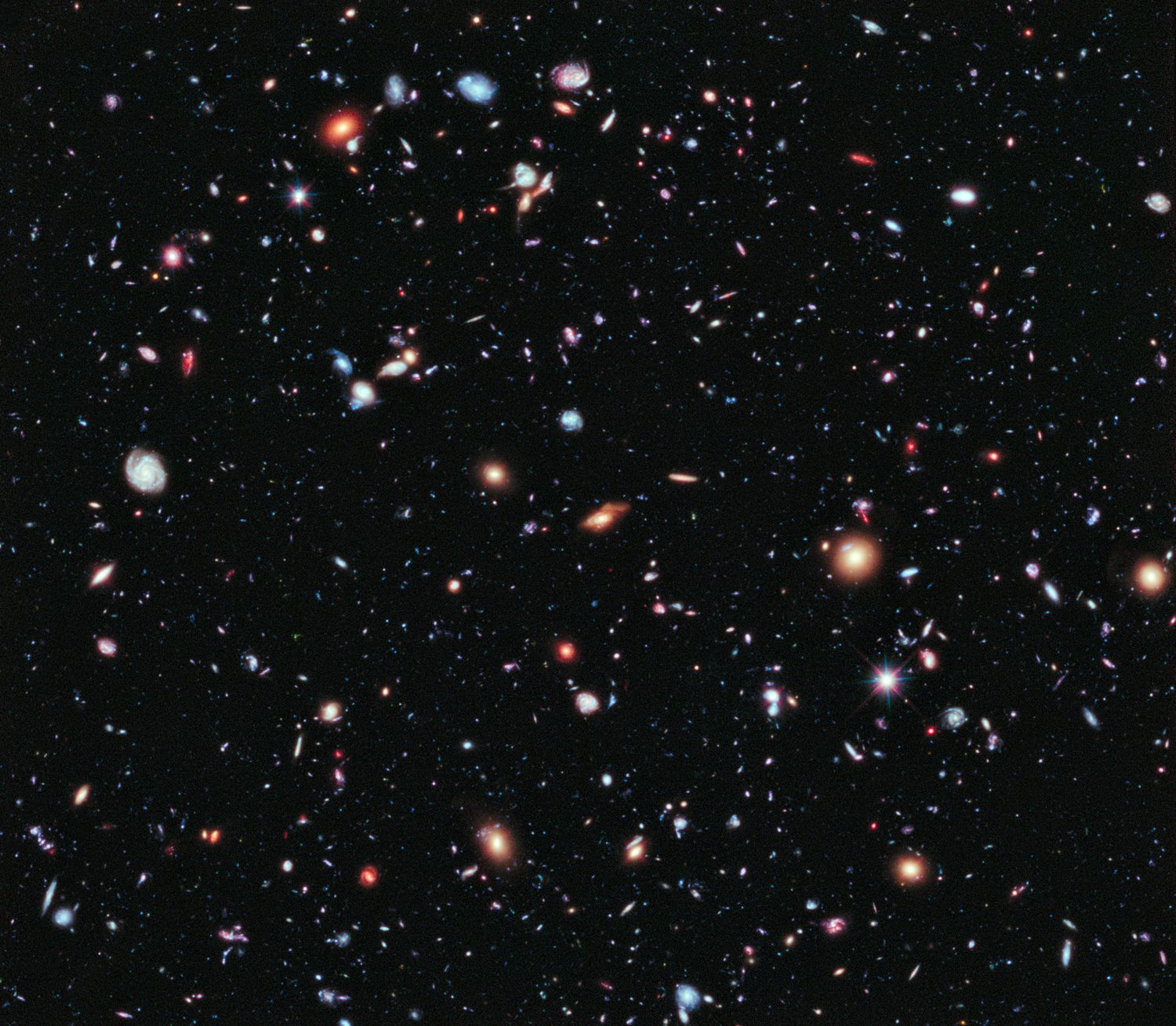
Credit: NASA, ESA, G. Illingworth, D. Magee, and P. Oesch (University of California, Santa Cruz), R. Bouwens (Leiden University), and the HUDF09 Team
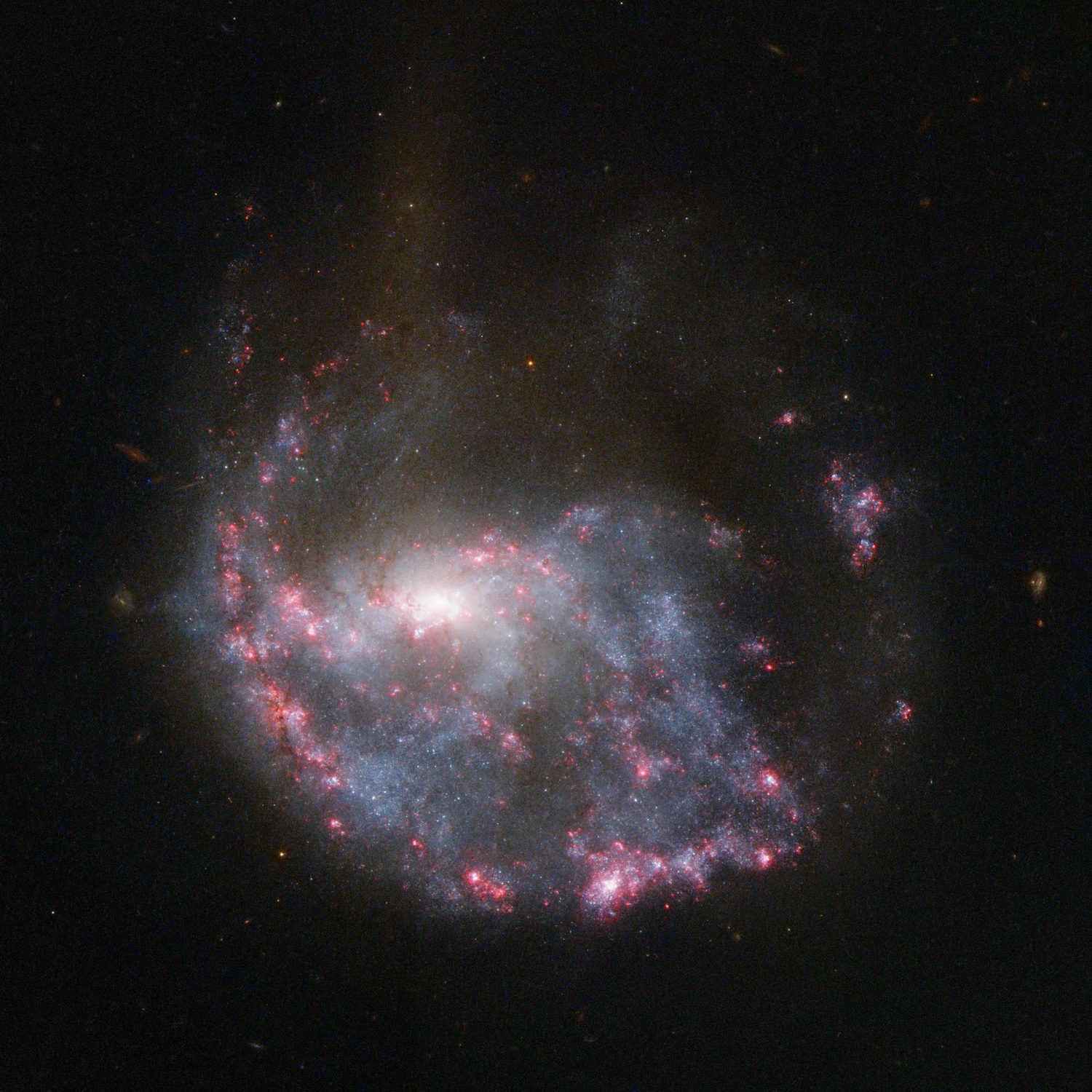
Credit: NASA, ESA
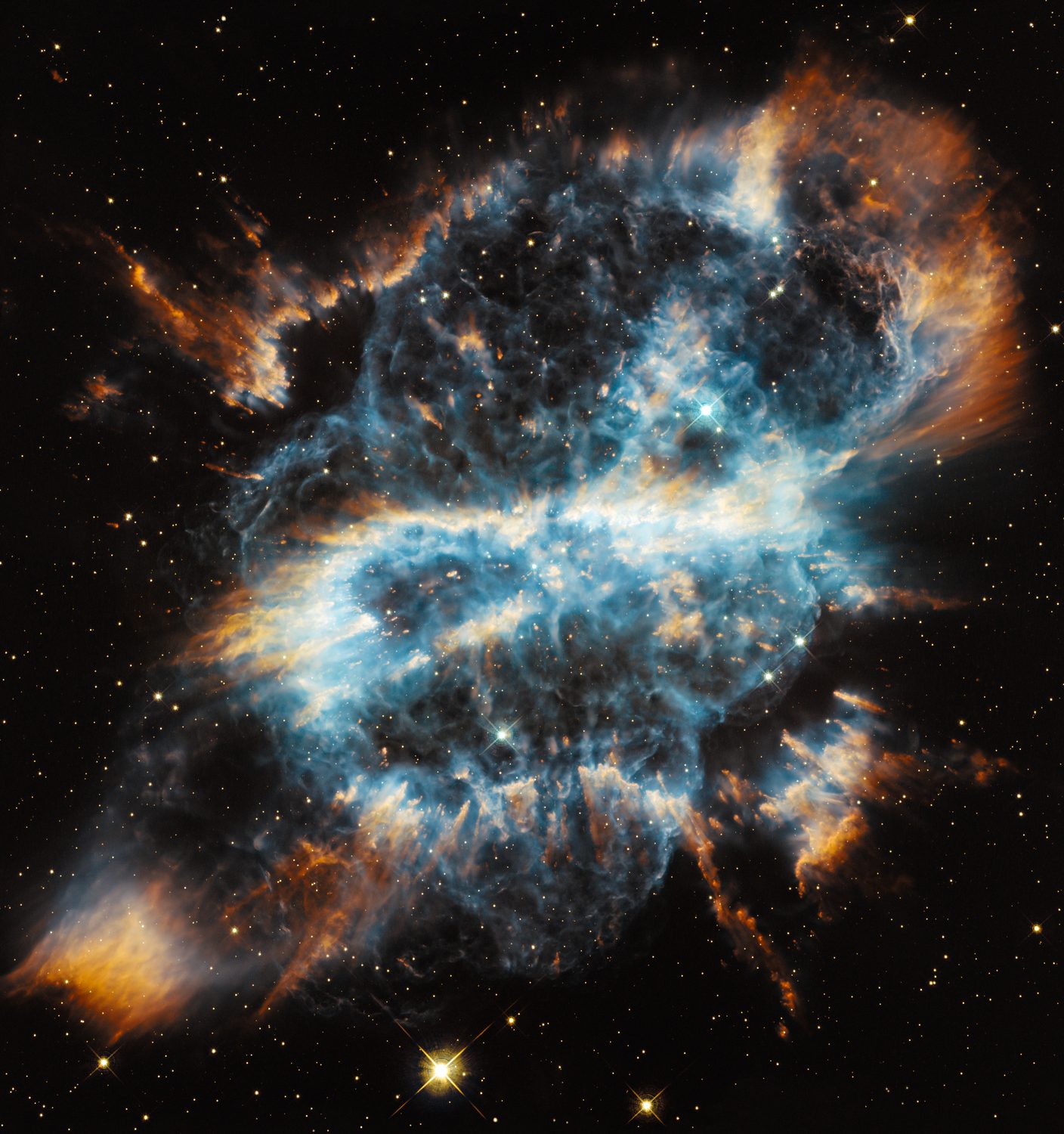
Credit: NASA, ESA and the Hubble Heritage Team (STScI/AURA)
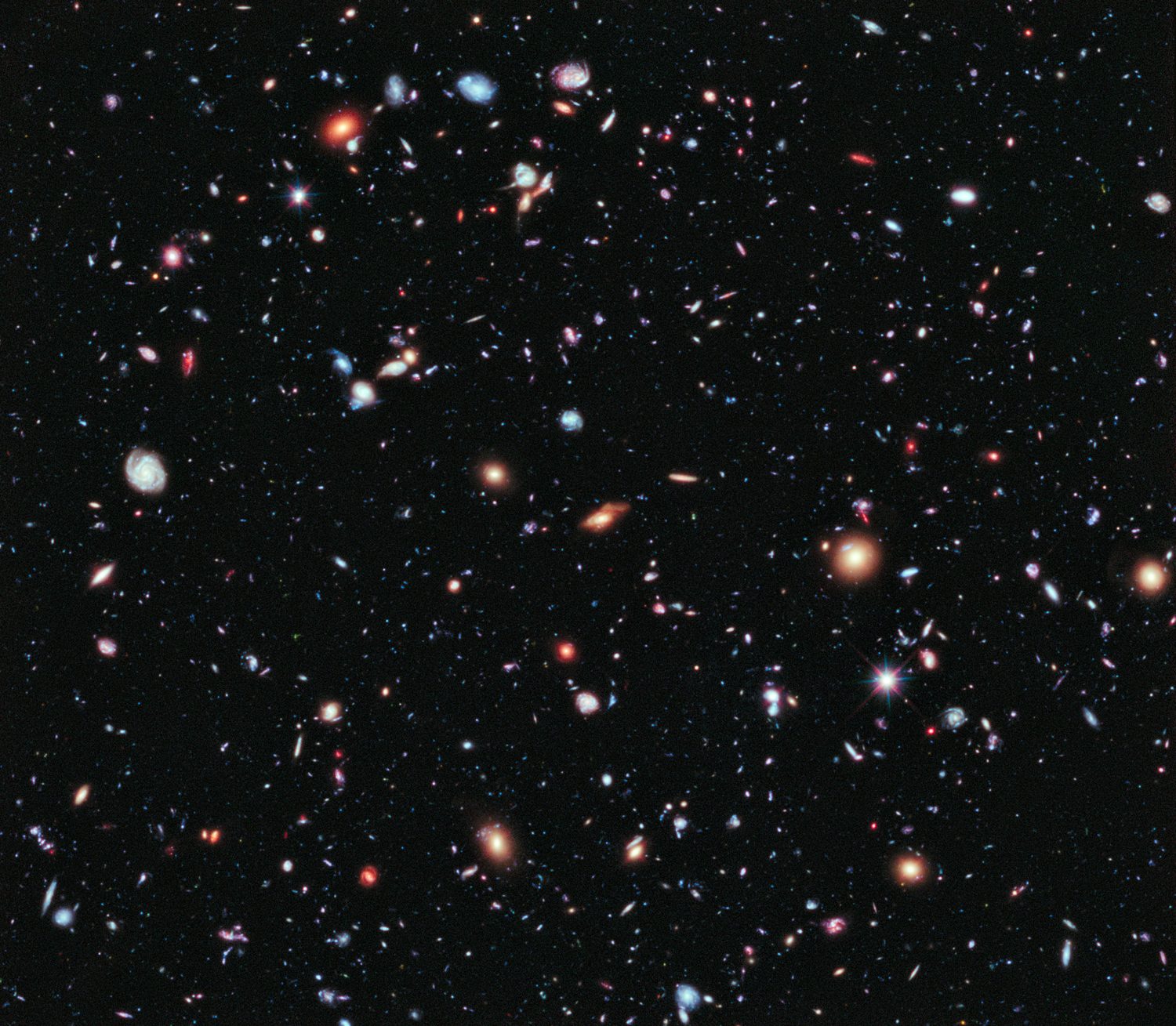
Credit: NASA, ESA, G. Illingworth, D. Magee, and P. Oesch (University of California, Santa Cruz), R. Bouwens (Leiden University), and the HUDF09 Team
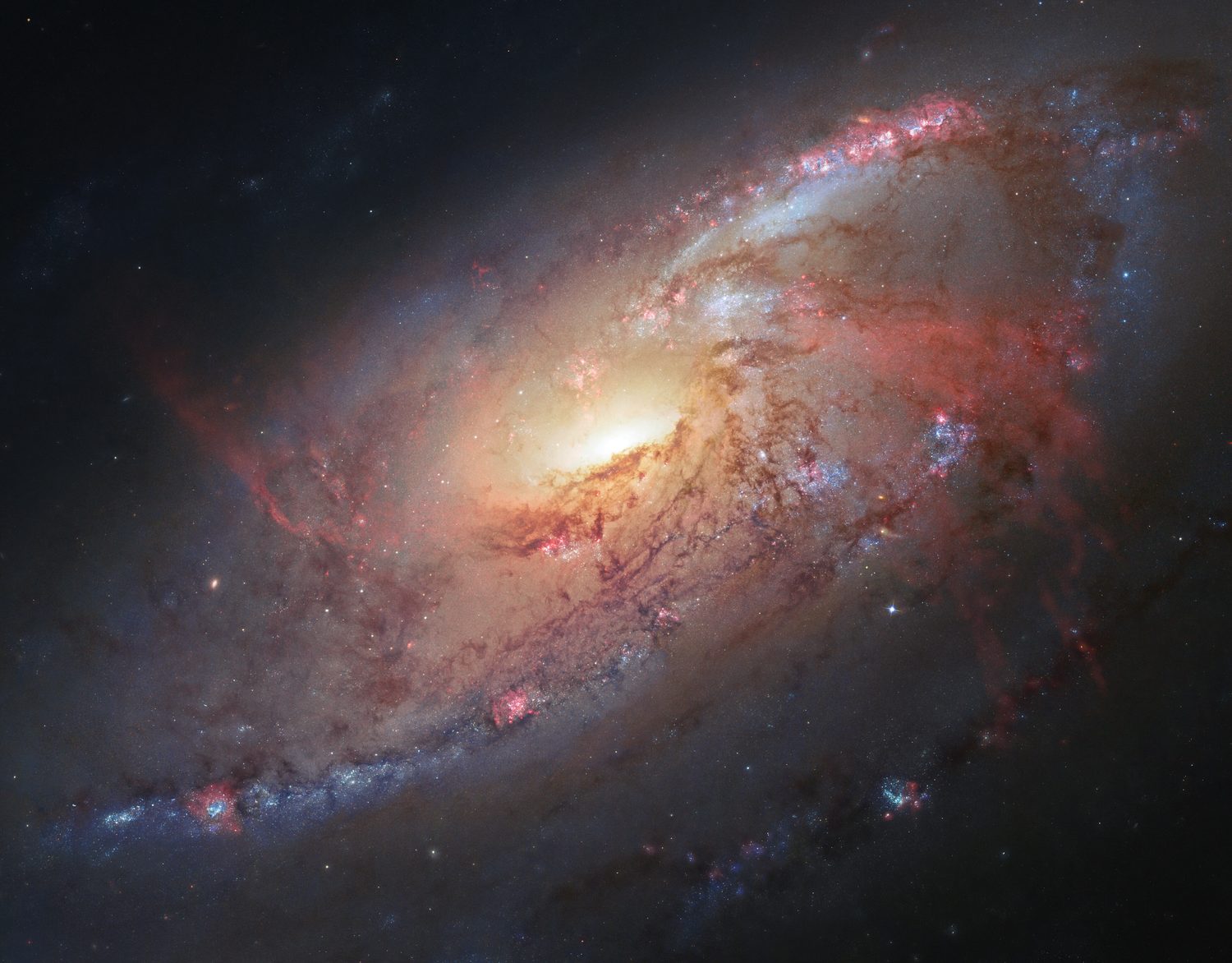
Credit: NASA, ESA, the Hubble Heritage Team (STScI/AURA), and R. Gendler (for the Hubble Heritage Team). Acknowledgment: J. GaBany
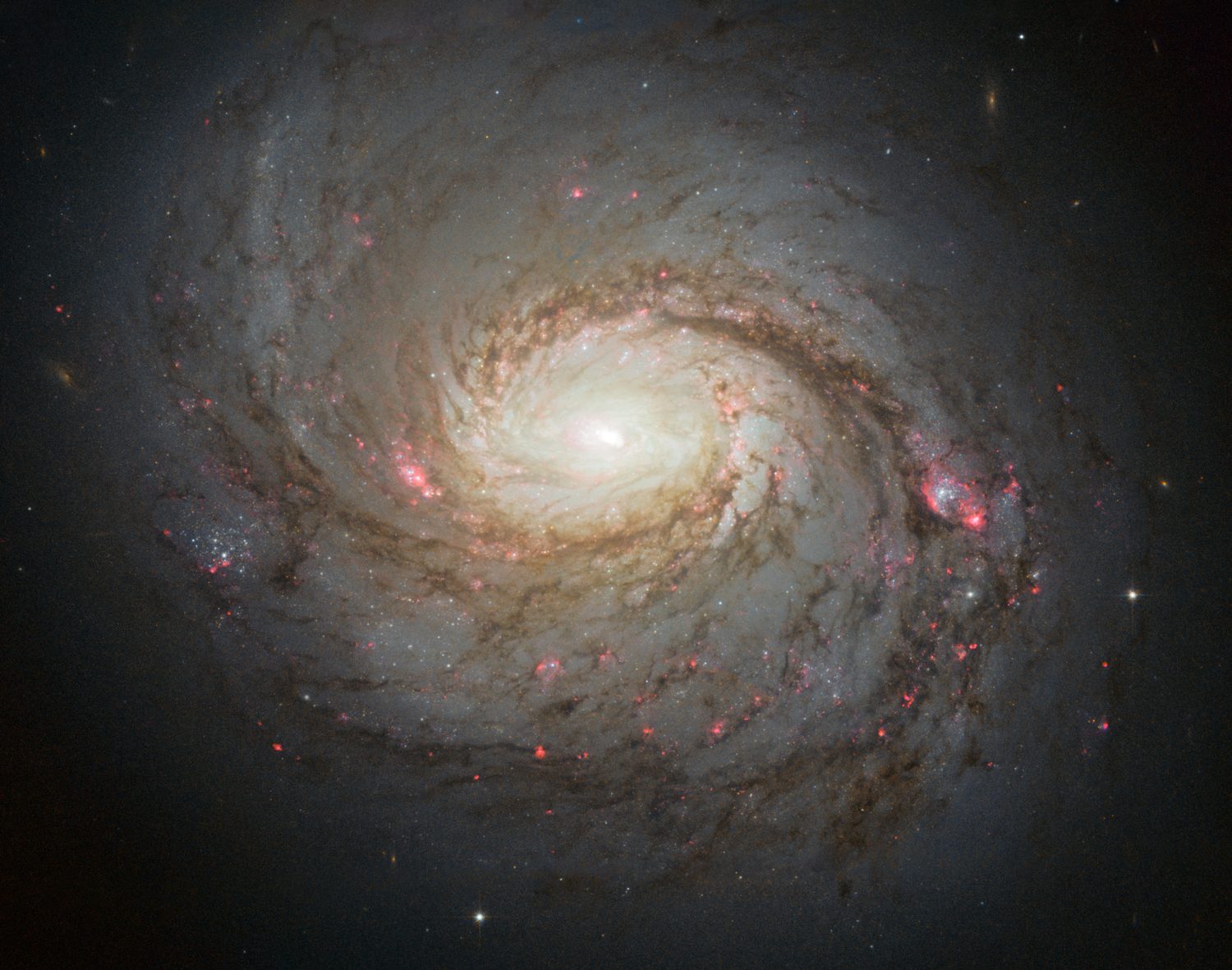
Credit: NASA, ESA & A. van der Hoeven
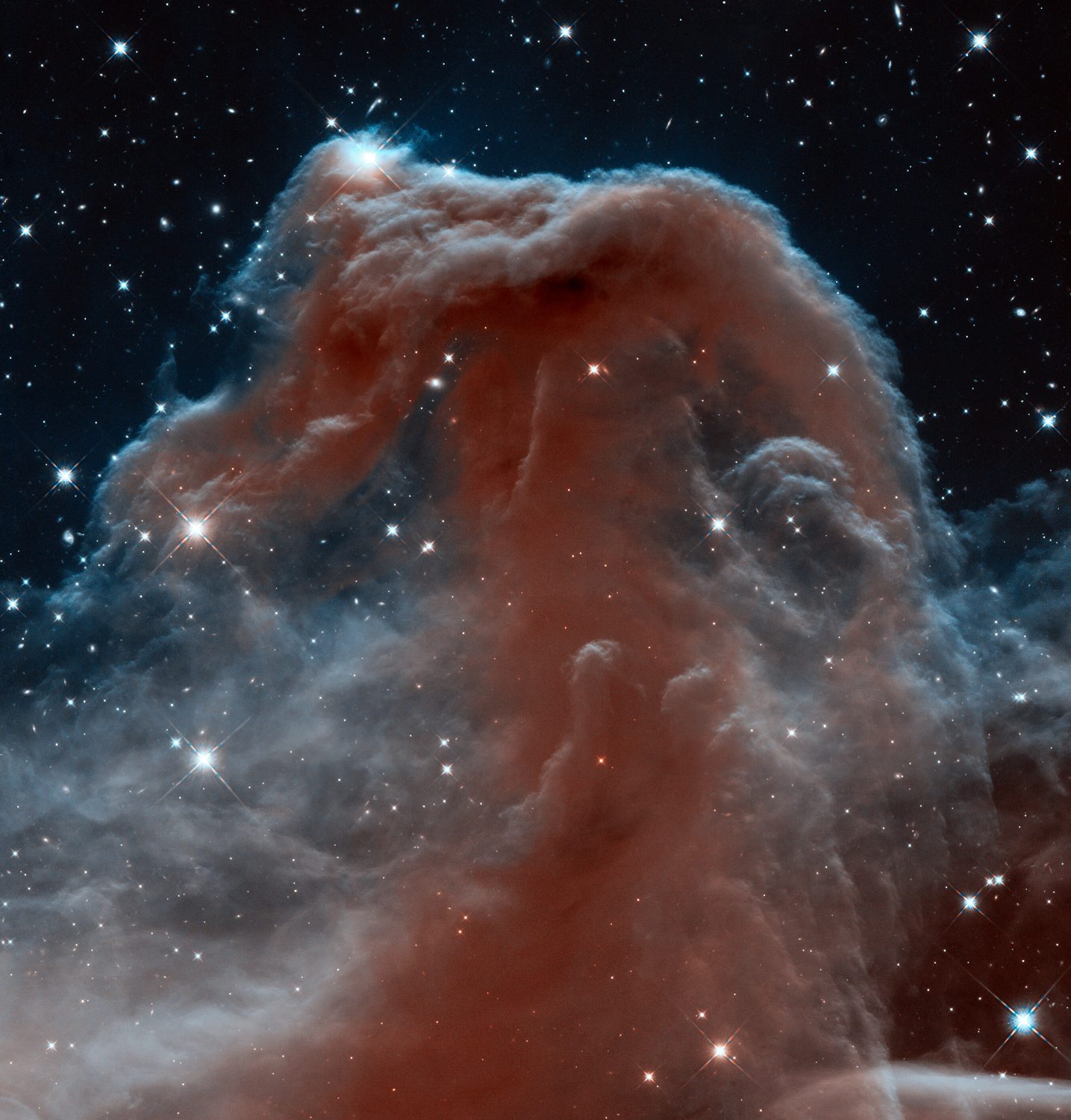
Credit: NASA, ESA, and the Hubble Heritage Team (AURA/STScI)
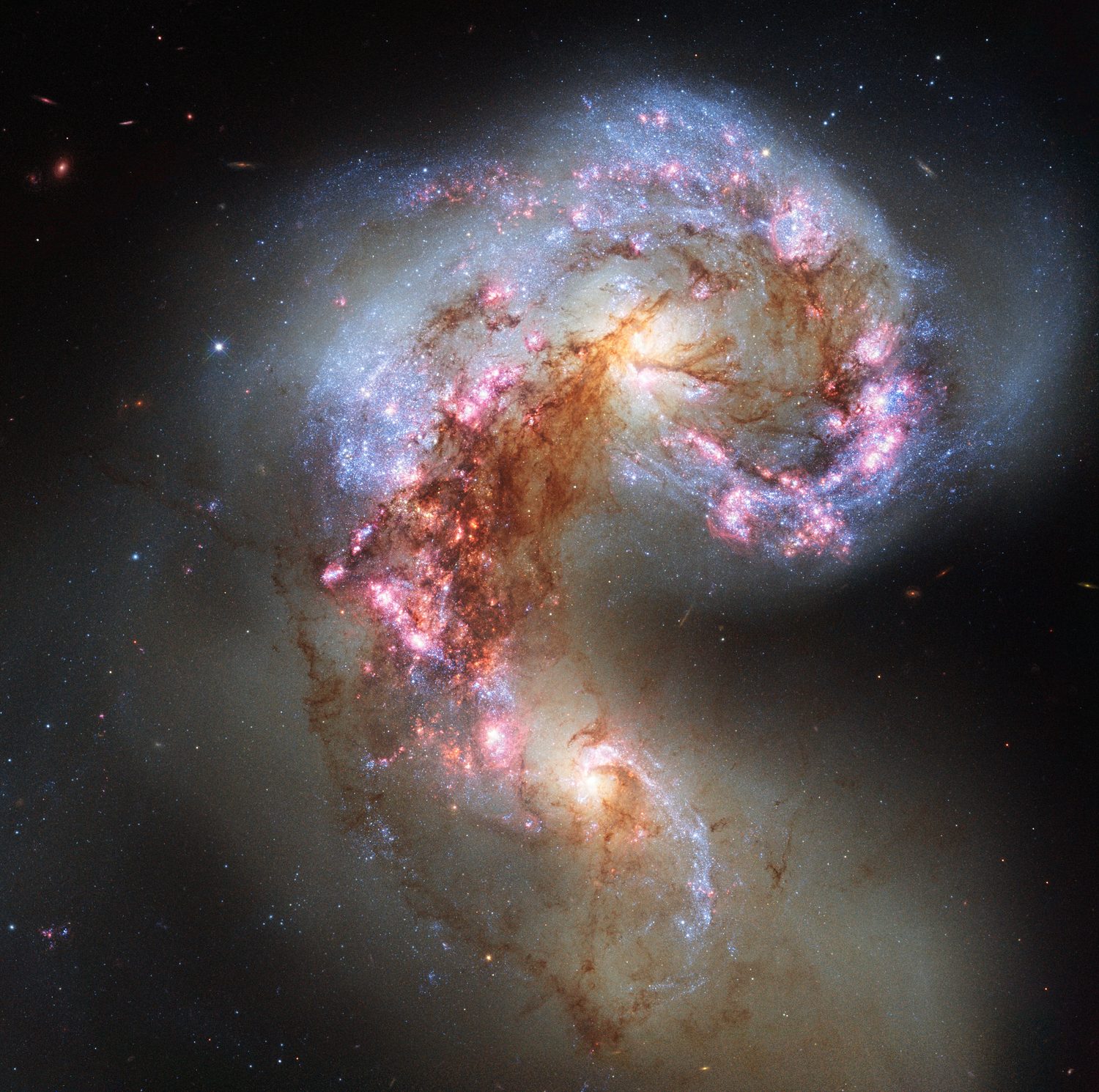
Credit: ESA/Hubble & NASA
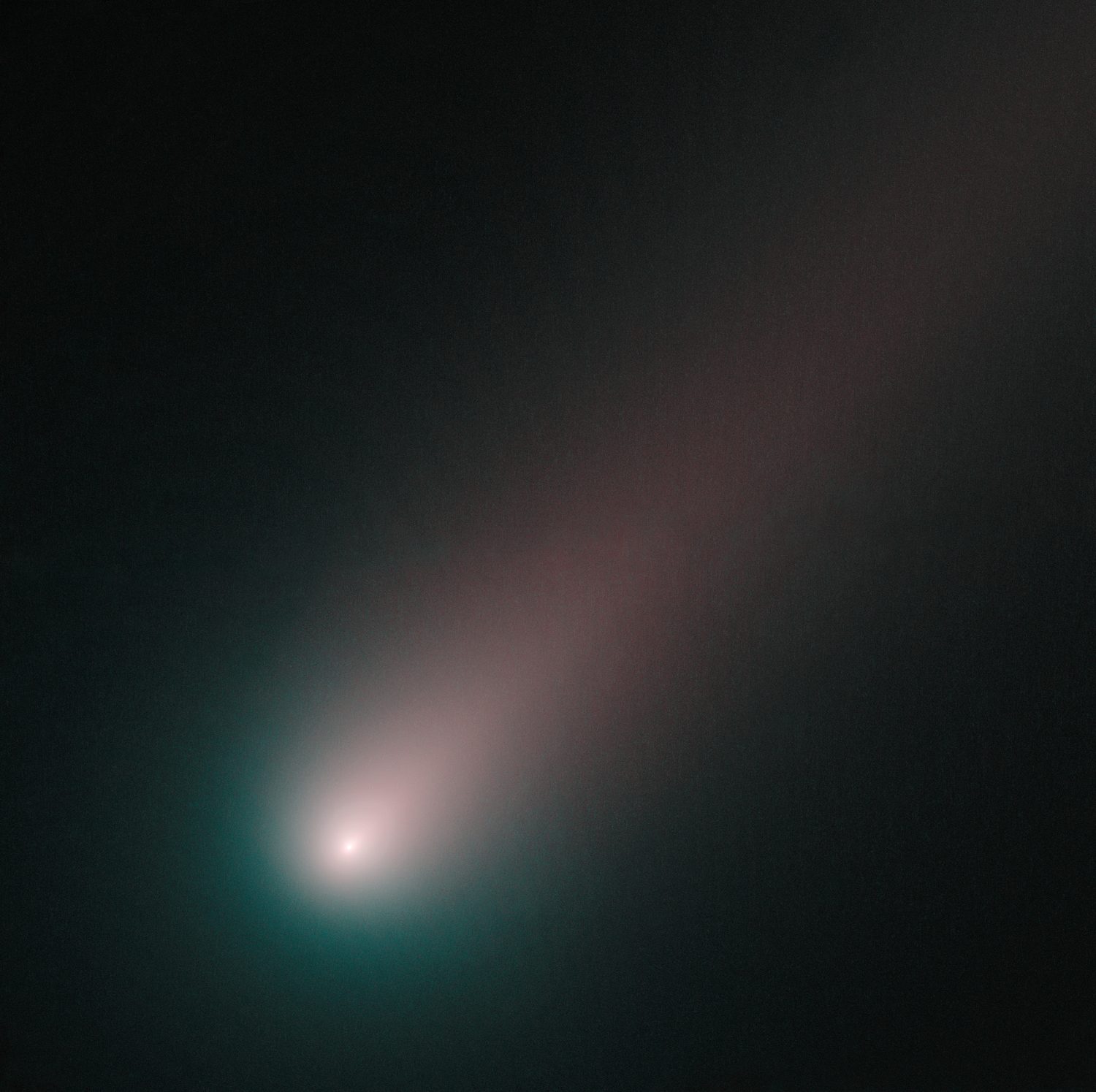
Credit: NASA, ESA, and the Hubble Heritage Team (STScI/AURA)
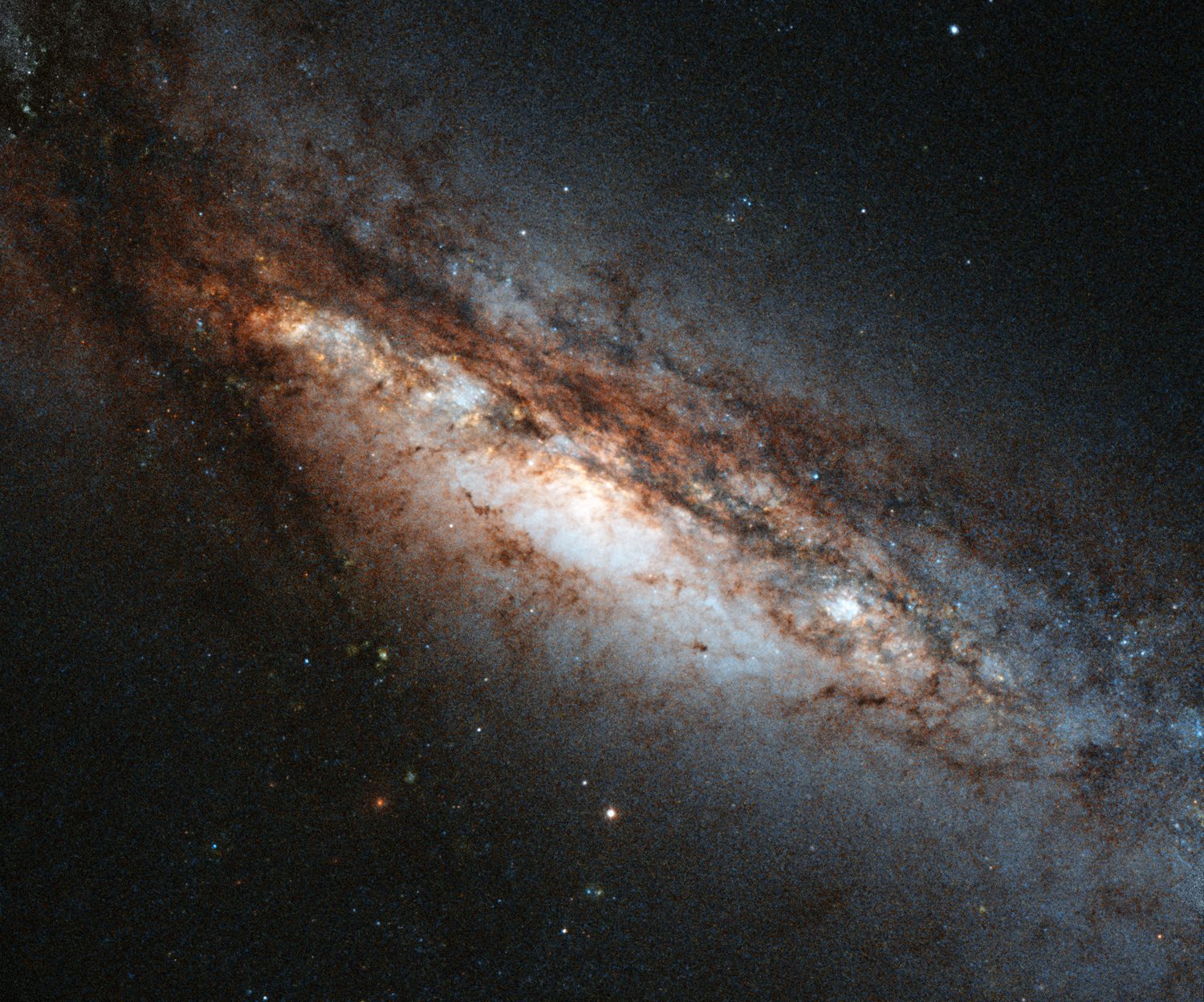
Credit: ESA/Hubble & NASA
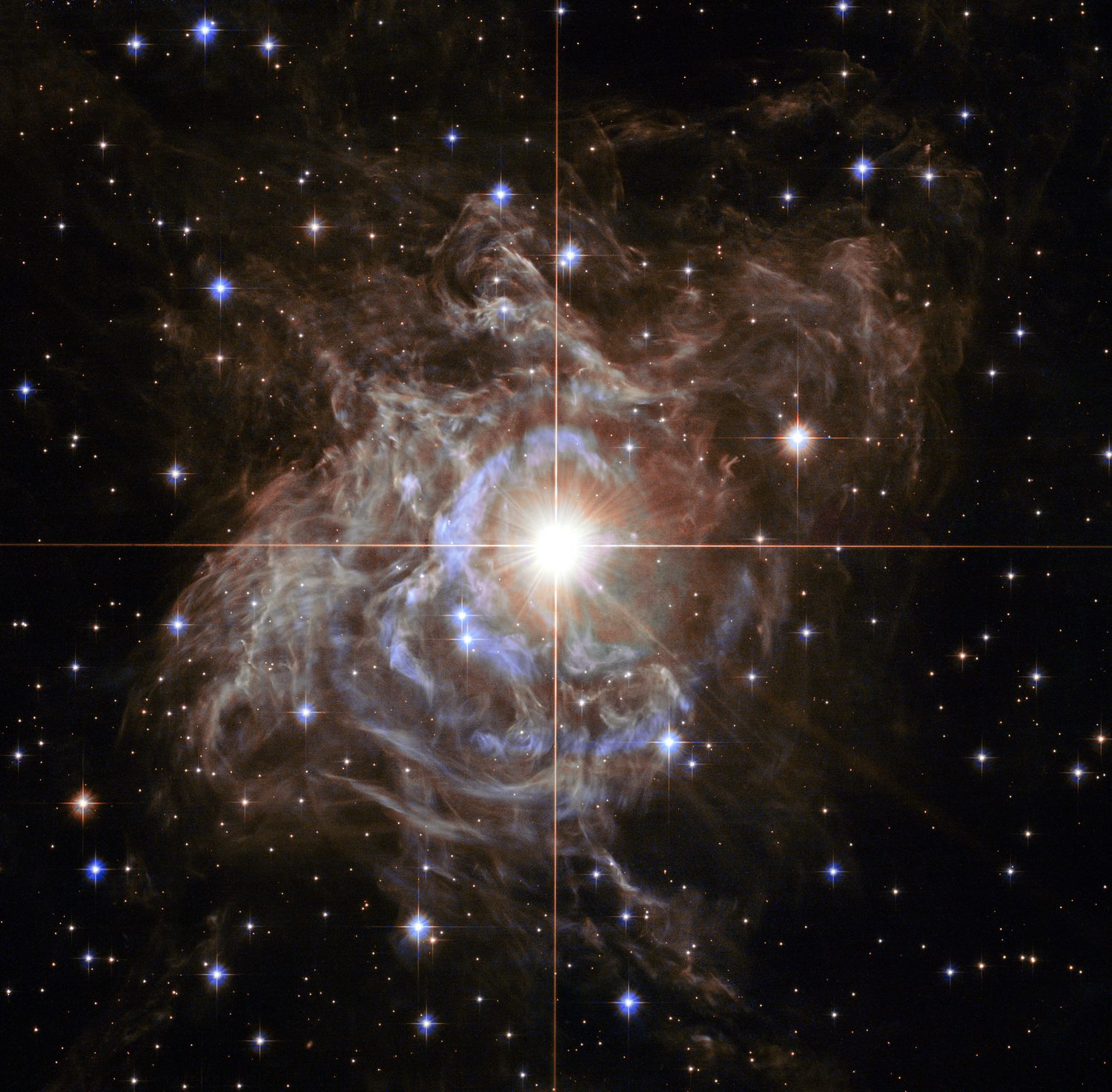
Credit: NASA, ESA, and the Hubble Heritage Team (STScI/AURA)-Hubble/Europe CollaborationAcknowledgment: H. Bond (STScI and Penn State University)
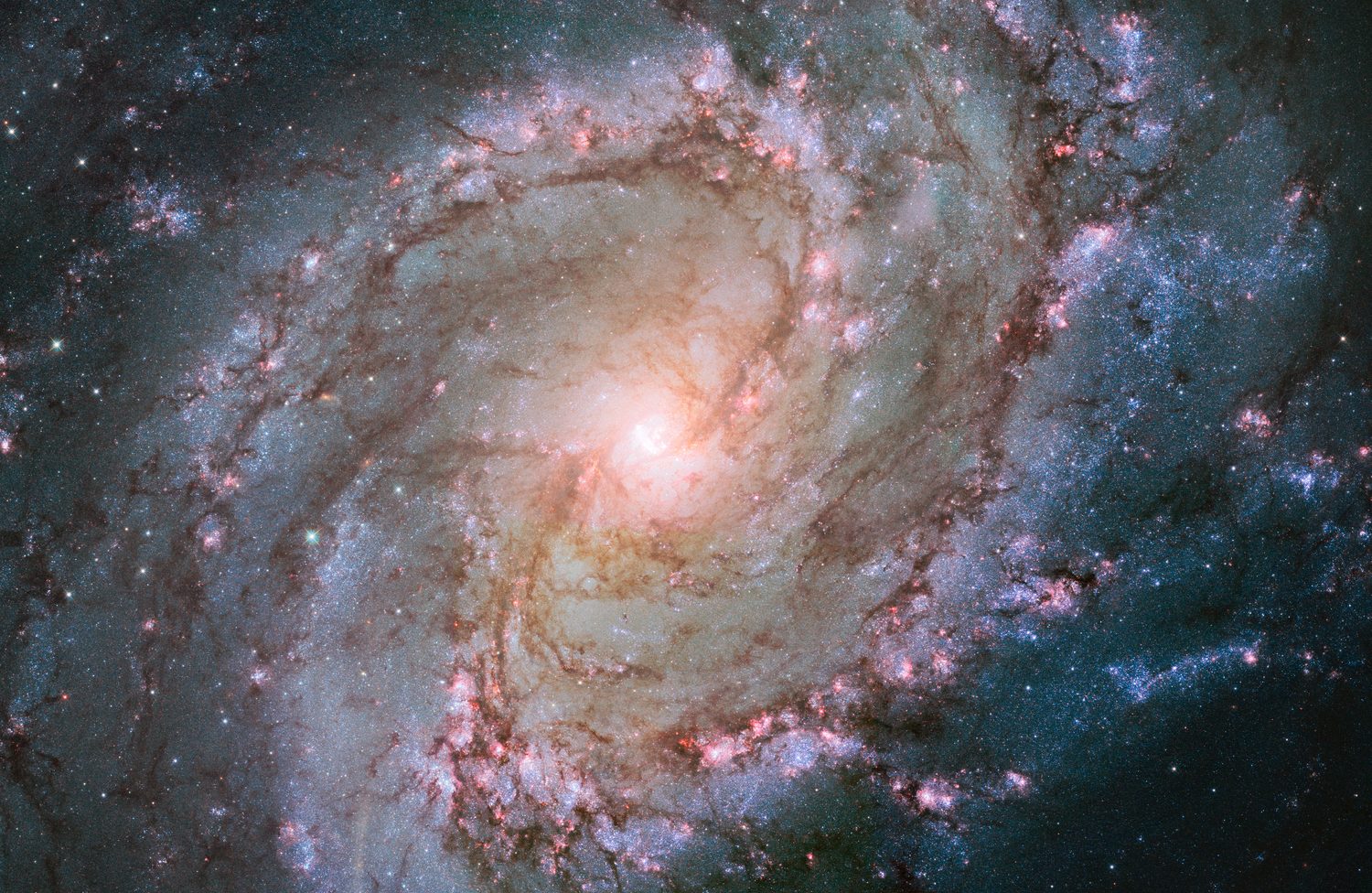
Credit: NASA, ESA, and the Hubble Heritage Team (STScI/AURA)Acknowledgement: William Blair (Johns Hopkins University)
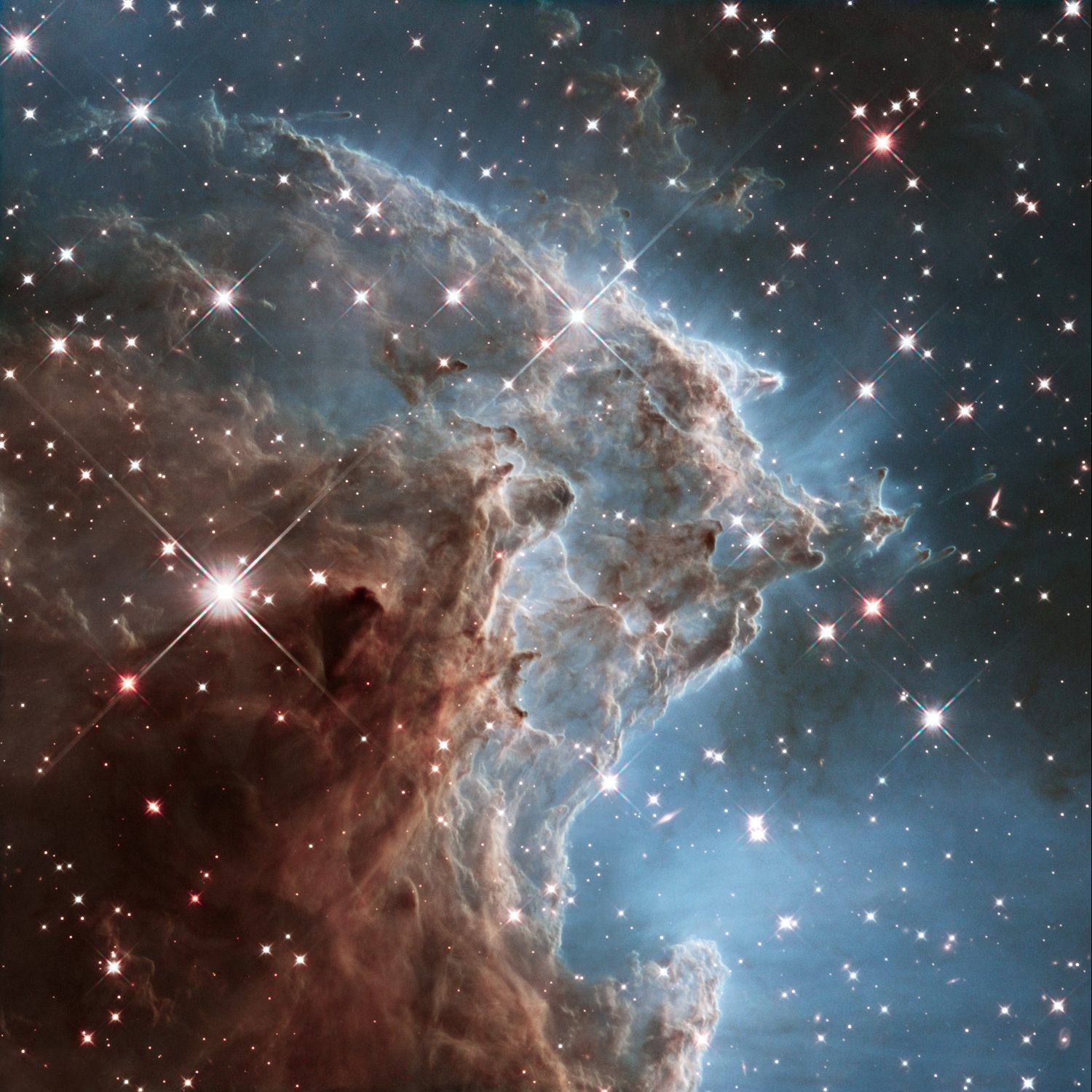
Credit: NASA, ESA, and the Hubble Heritage Team (STScI/AURA)
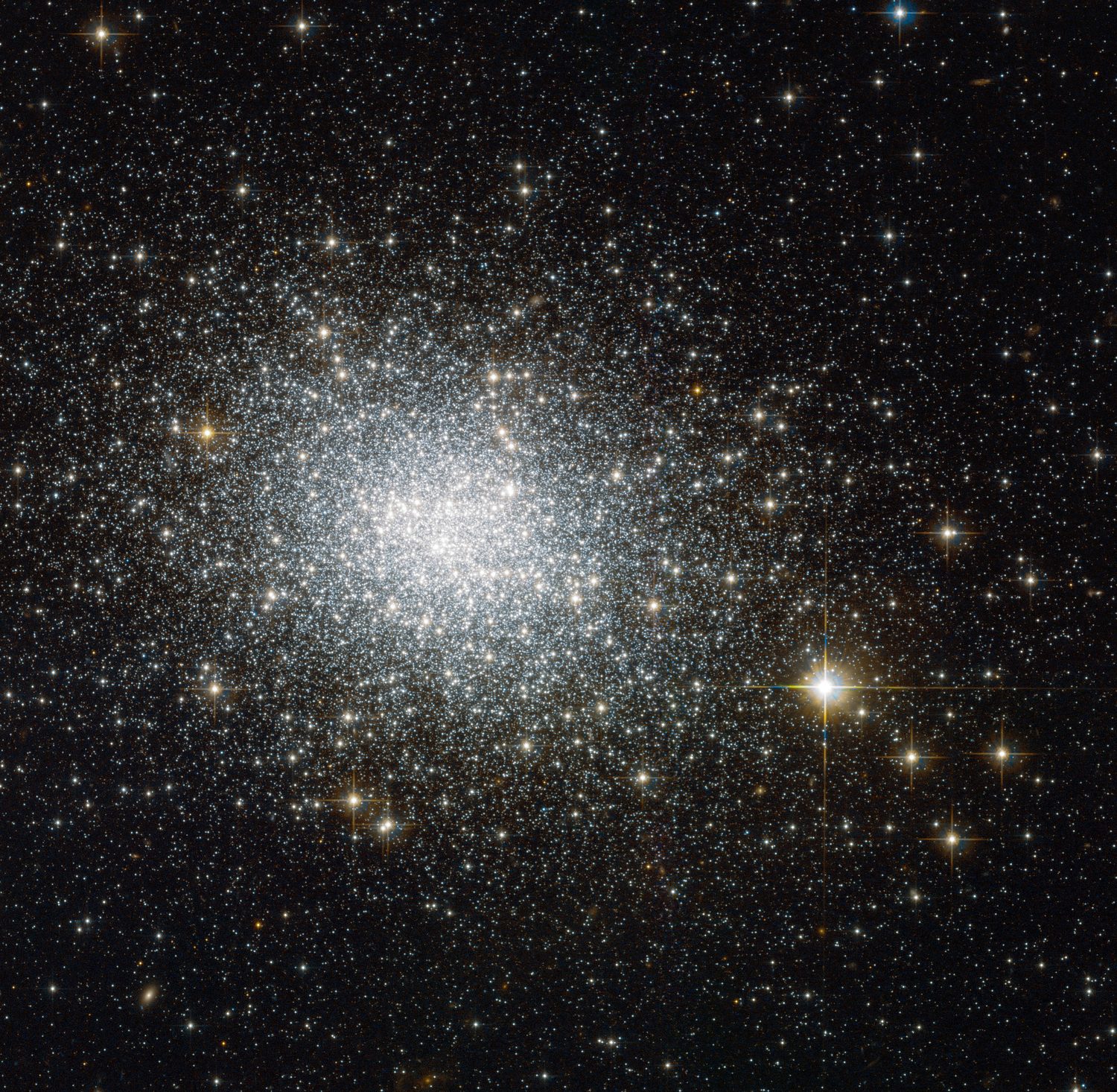
Credit: ESA/Hubble & NASA Acknowlegement: Stefano Campani
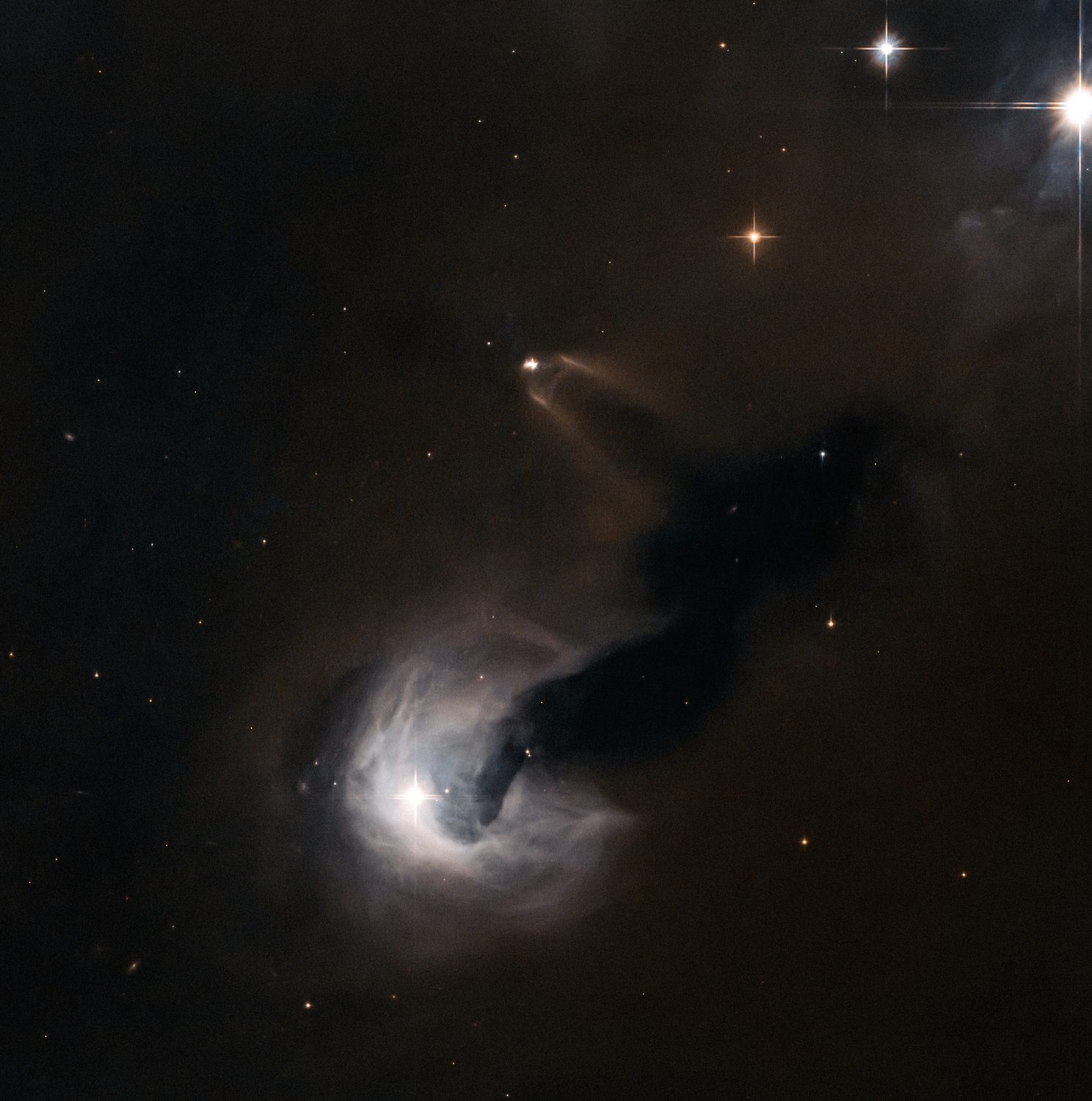
Credit: ESA/Hubble & NASA
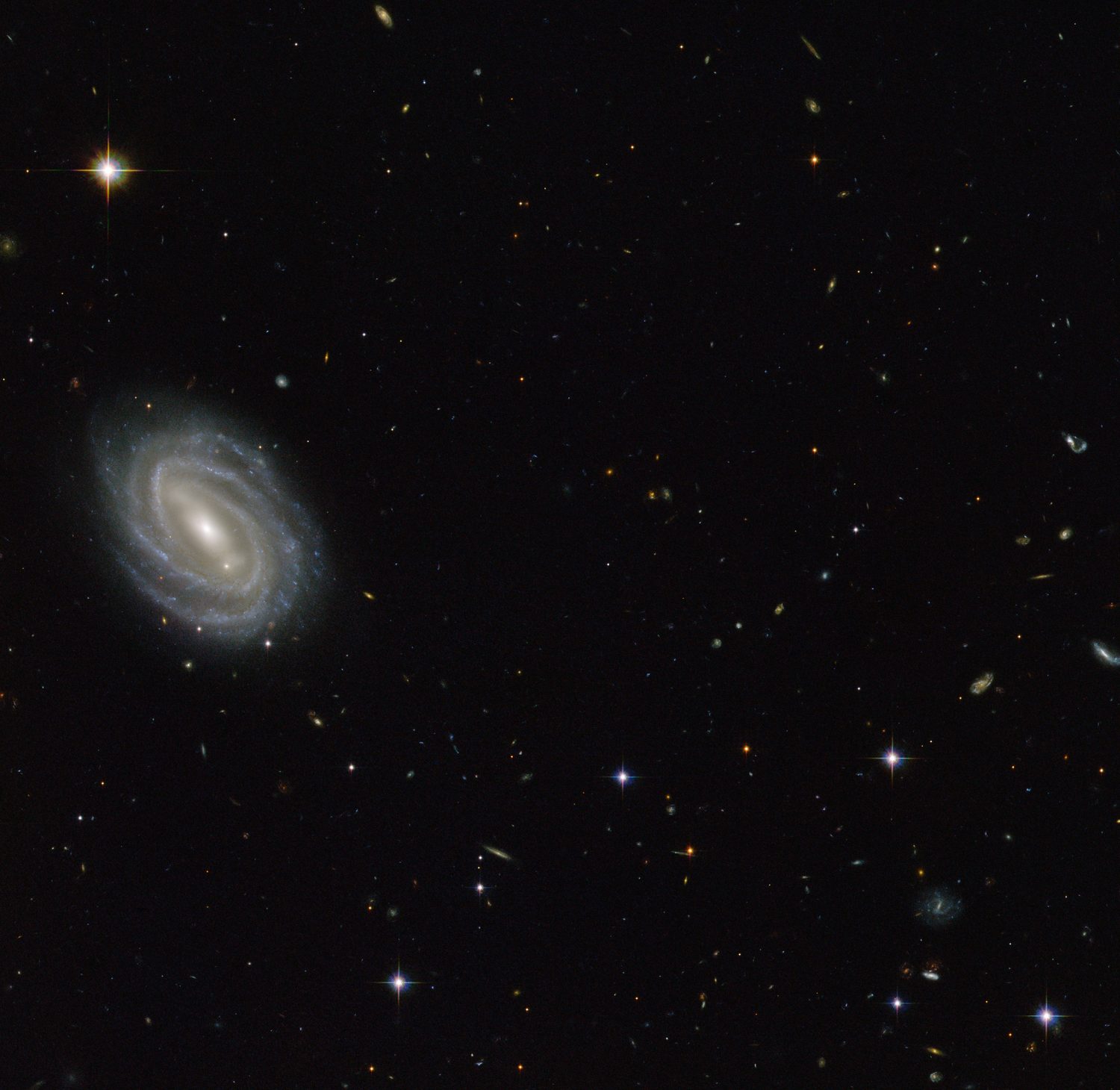
Credit: ESA/Hubble & NASA Acknowledgement: Judy Schmidt (geckzilla.com)
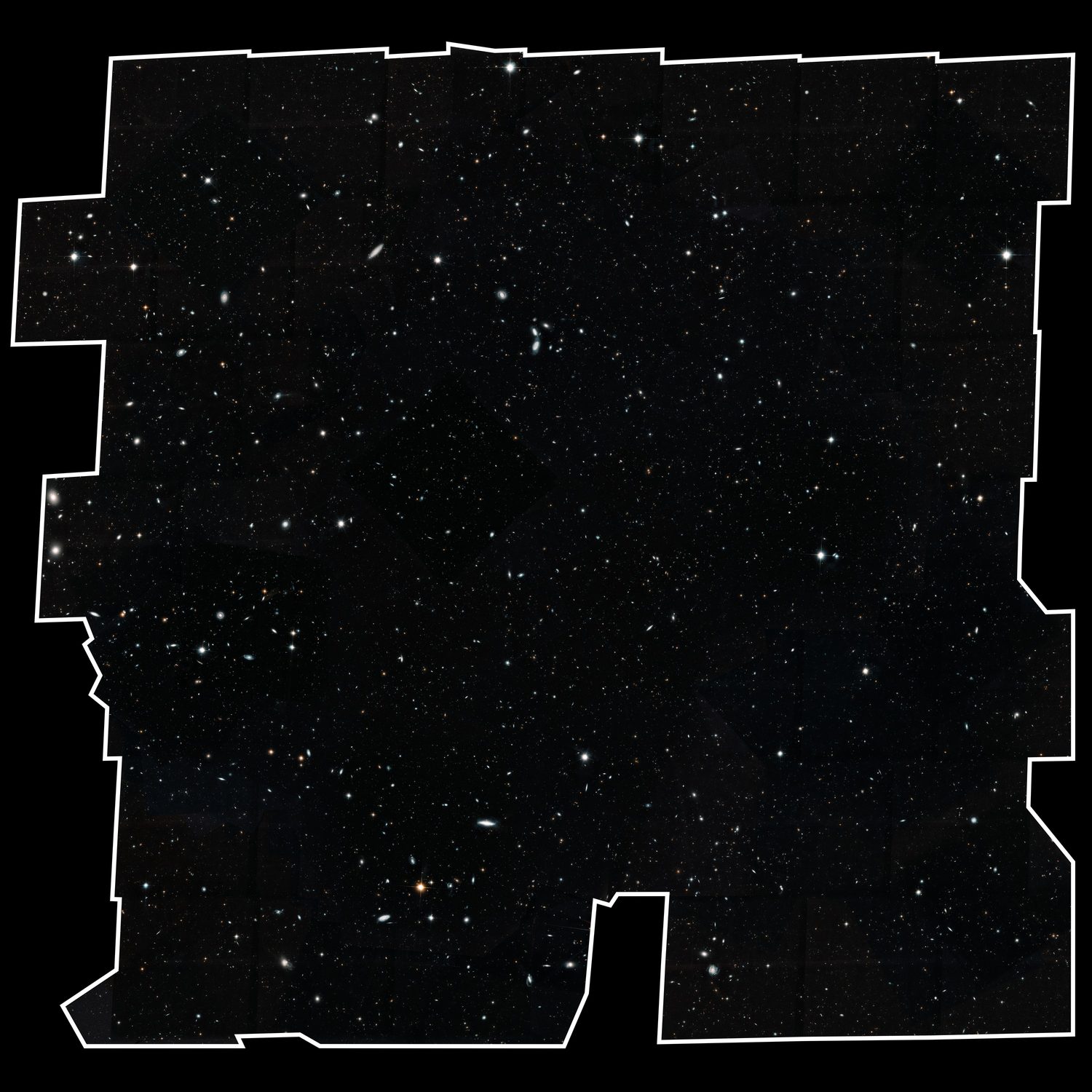
Credit: NASA, ESA, and G. Illingworth (University of California, Santa Cruz; UCO/Lick Observatory)
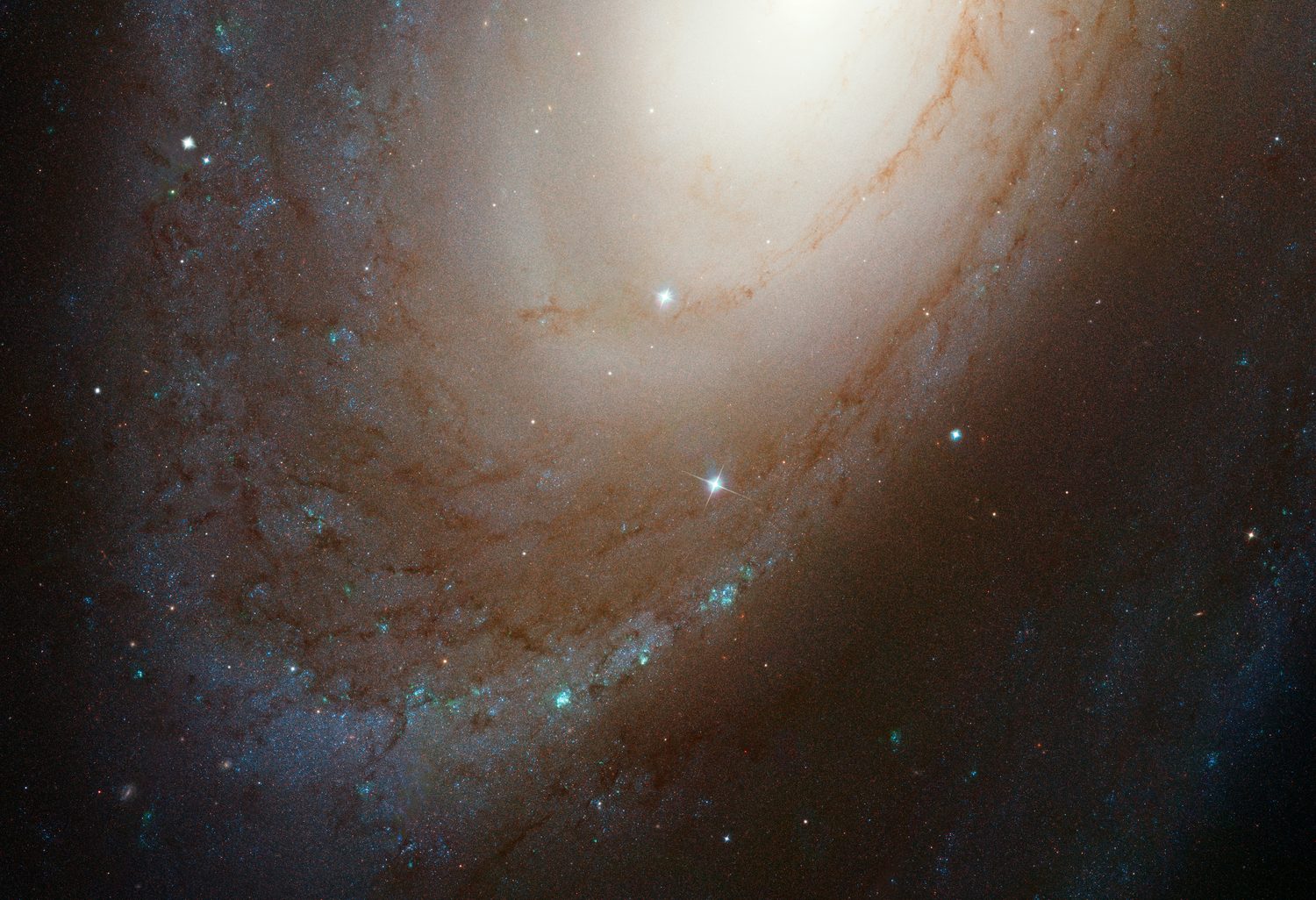
Credit: NASA, ESA, A. Zezas (CfA), and A. Filippenko (UC Berkeley) Acknowledgment: Hubble Heritage Team (STScI/AURA) & O. Fox (University of California, Berkeley)
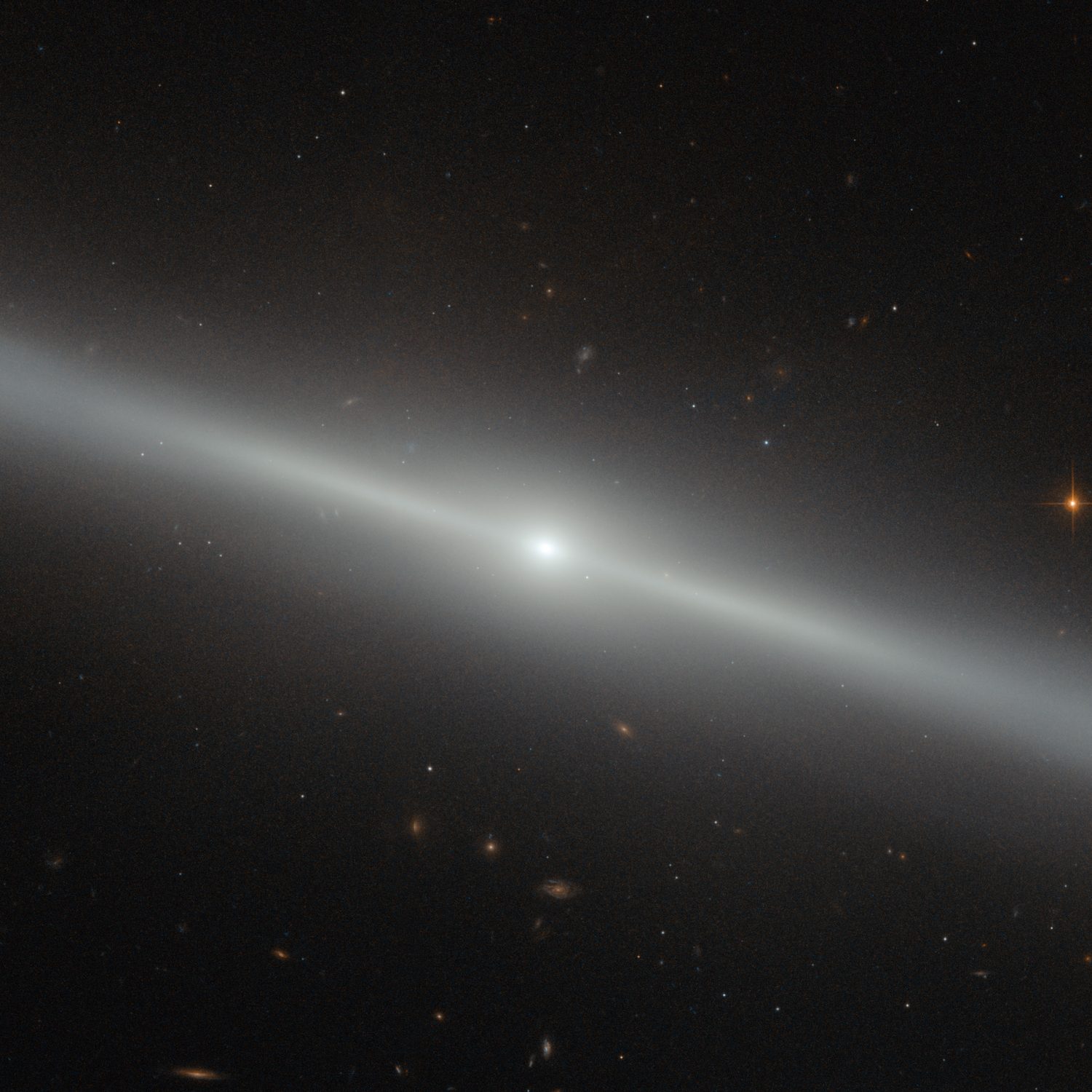
Credit: ESA/Hubble & NASA
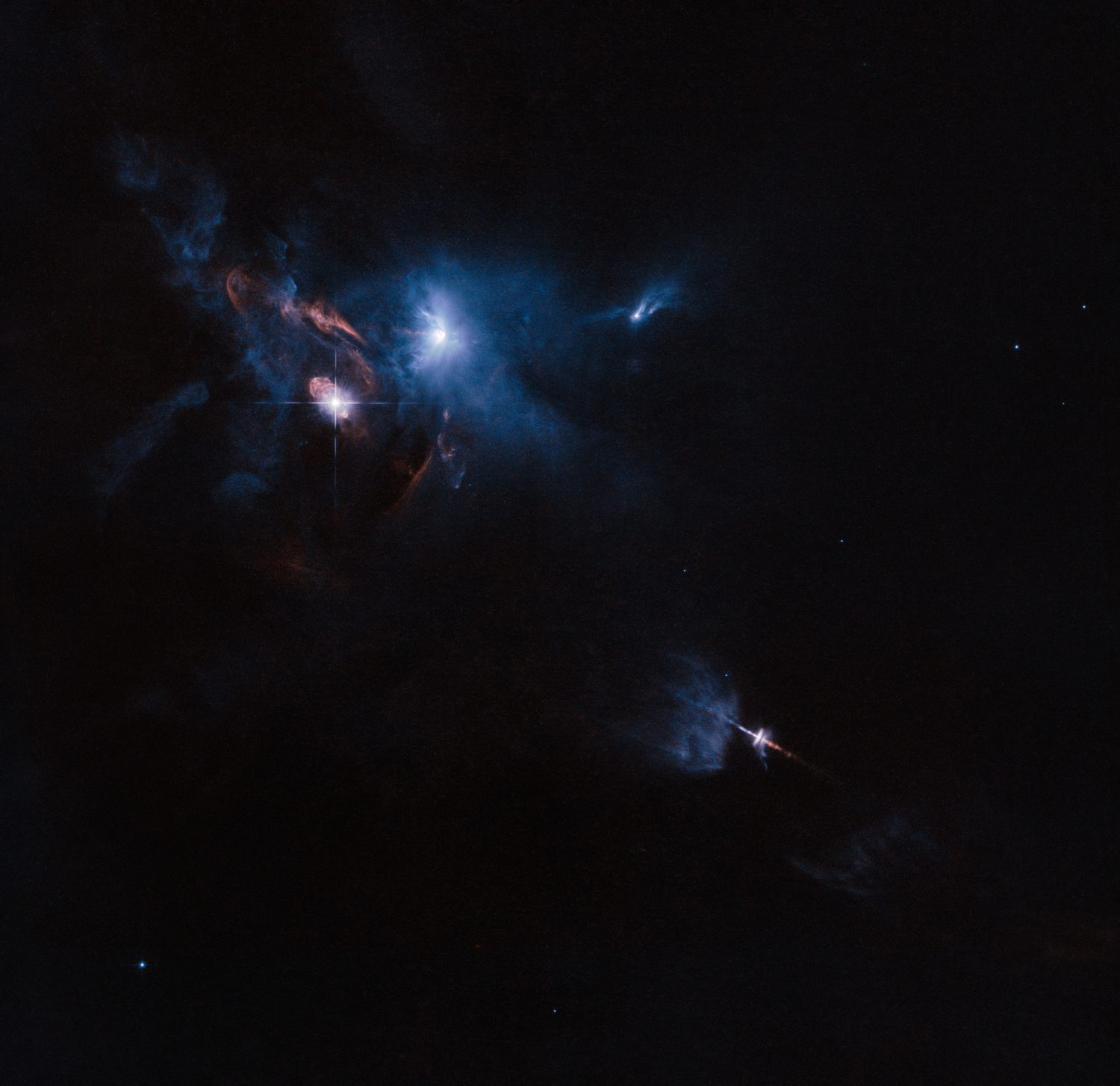
Credit: Image credit: ESA/Hubble and NASAAcknowledgement: Judy Schmidt
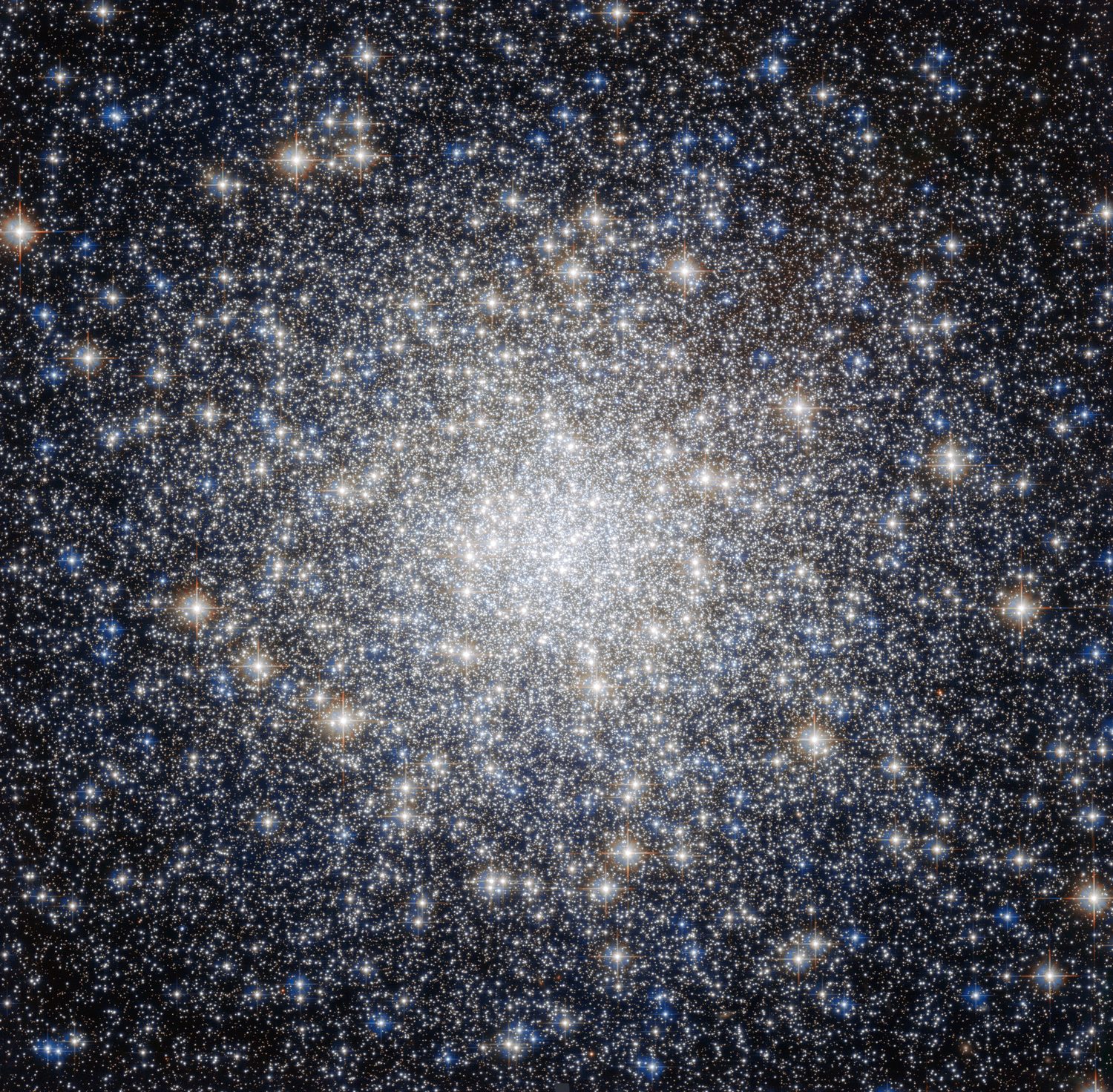
Credit: ESA/Hubble & NASA Acknowledgement: Gilles Chapdelaine
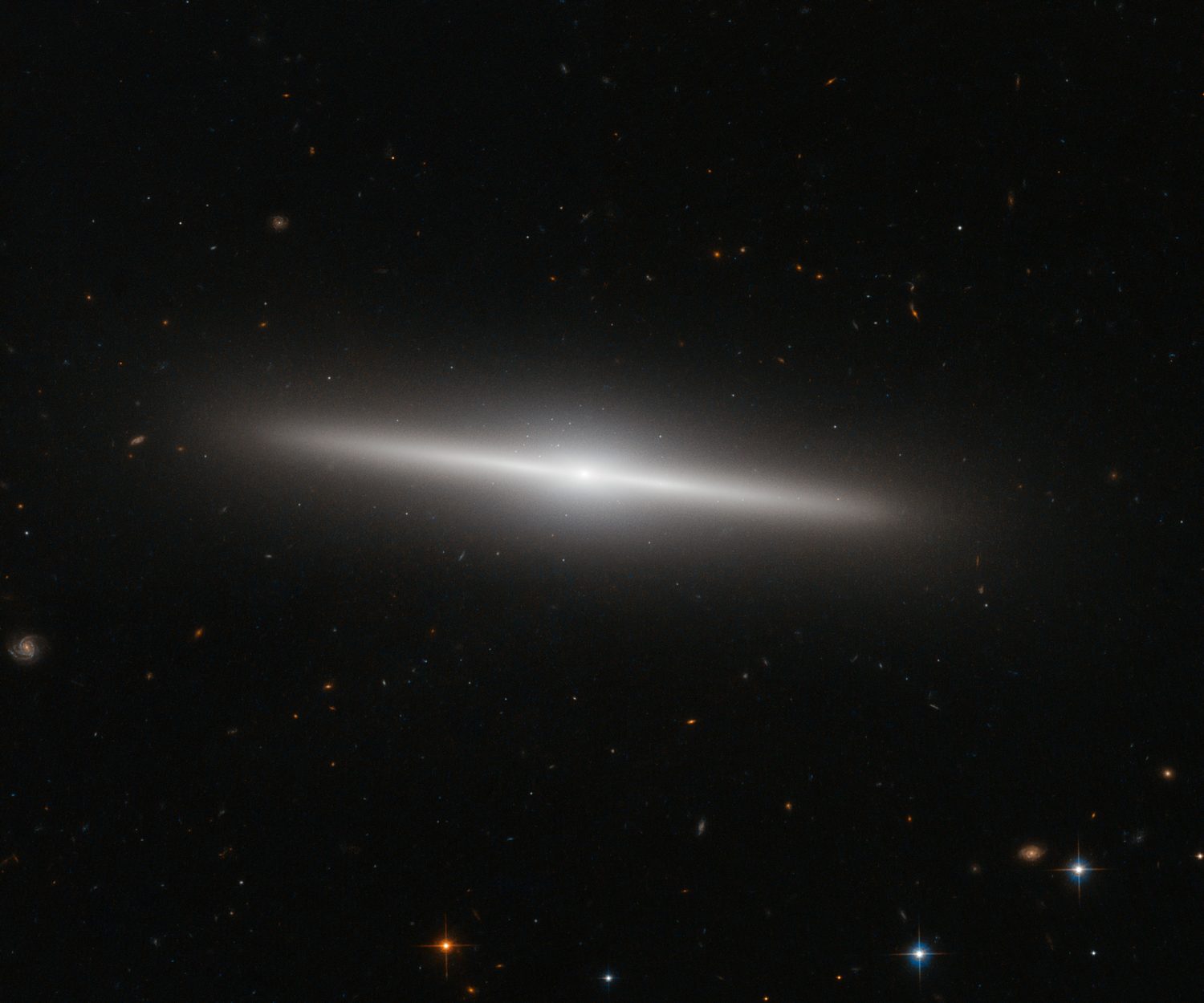
Credit: ESA/Hubble & NASA
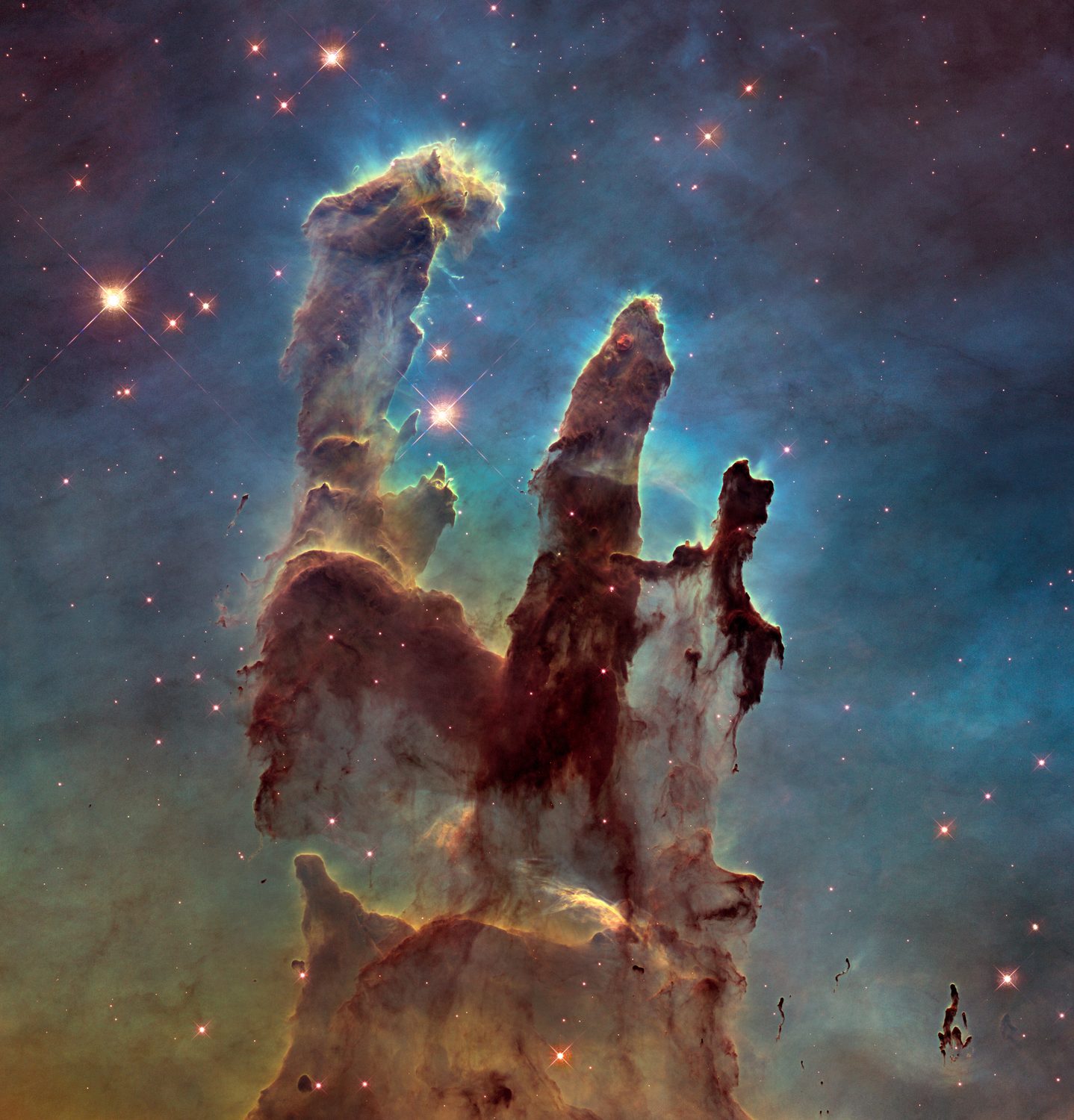
Credit: NASA, ESA/Hubble and the Hubble Heritage Team
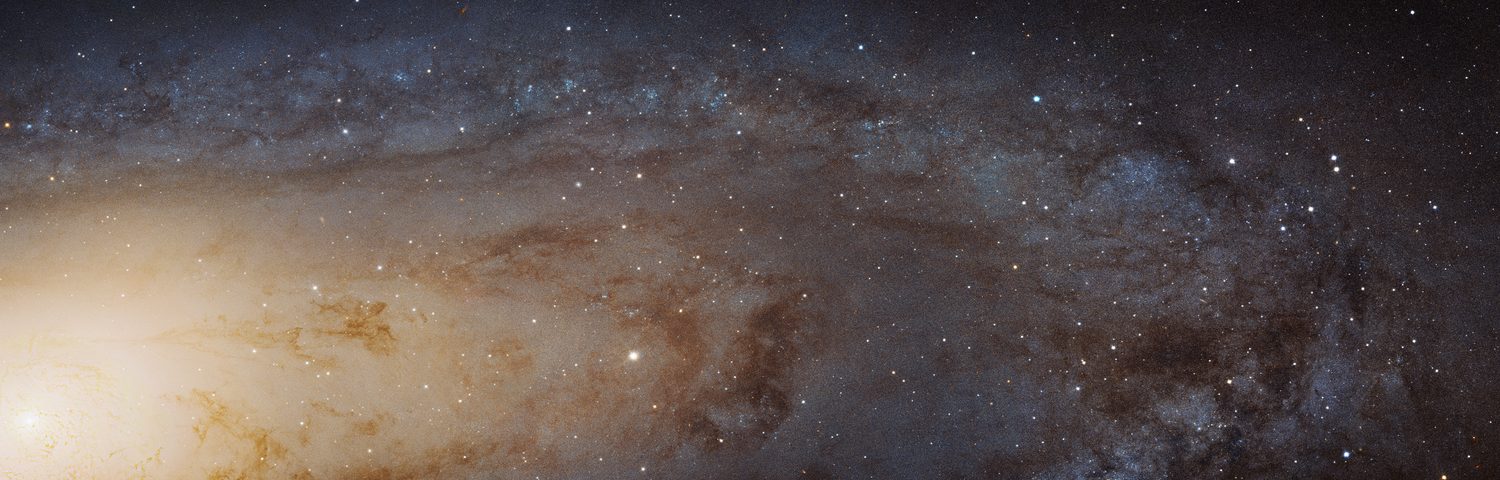
Credit: NASA, ESA, J. Dalcanton (University of Washington, USA), B. F. Williams (University of Washington, USA), L. C. Johnson (University of Washington, USA), the PHAT team, and R. Gendler.
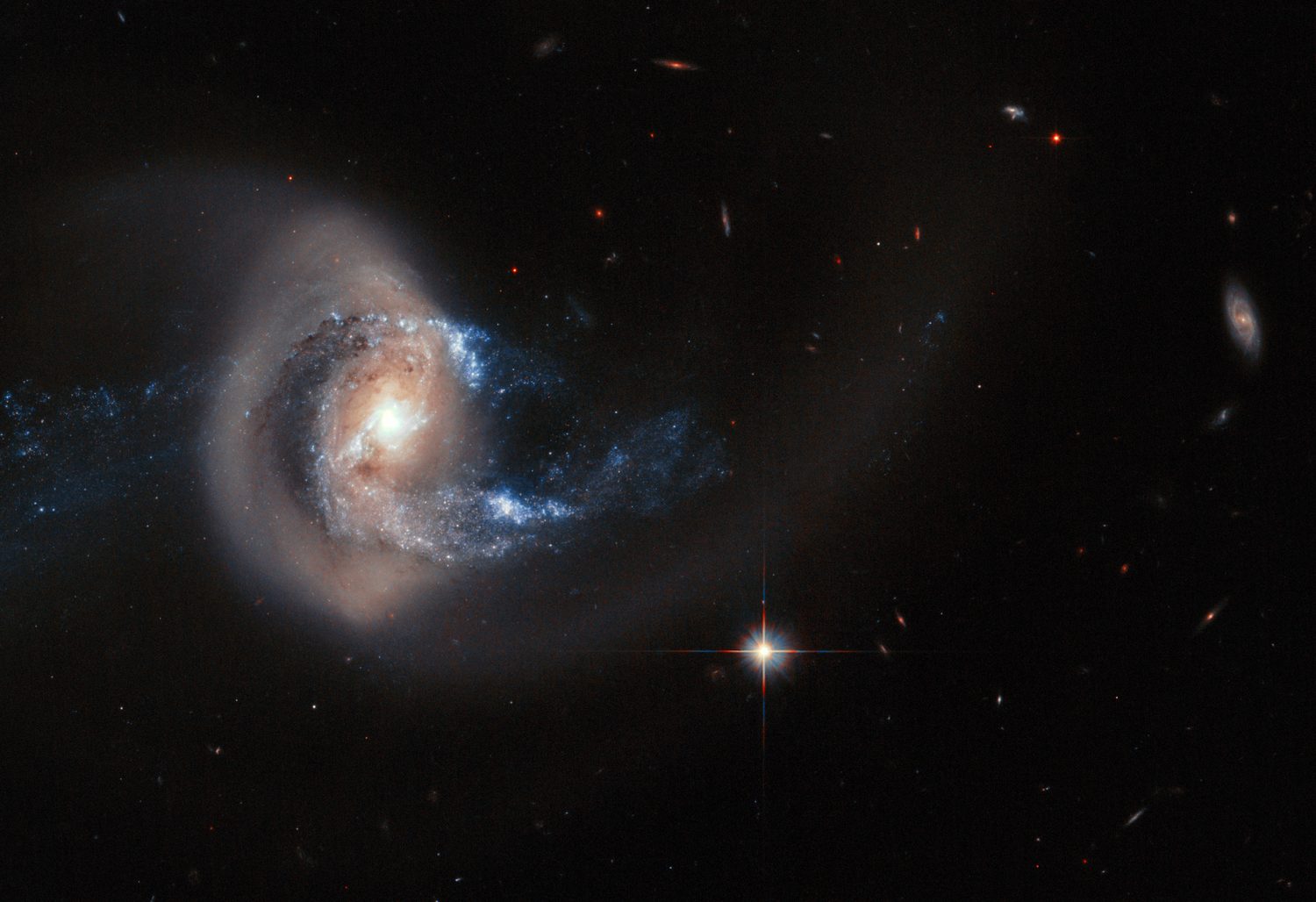
Credit: ESA, NASA Acknowledgement: A. Gal-Yam (Weizmann Institute of Science)
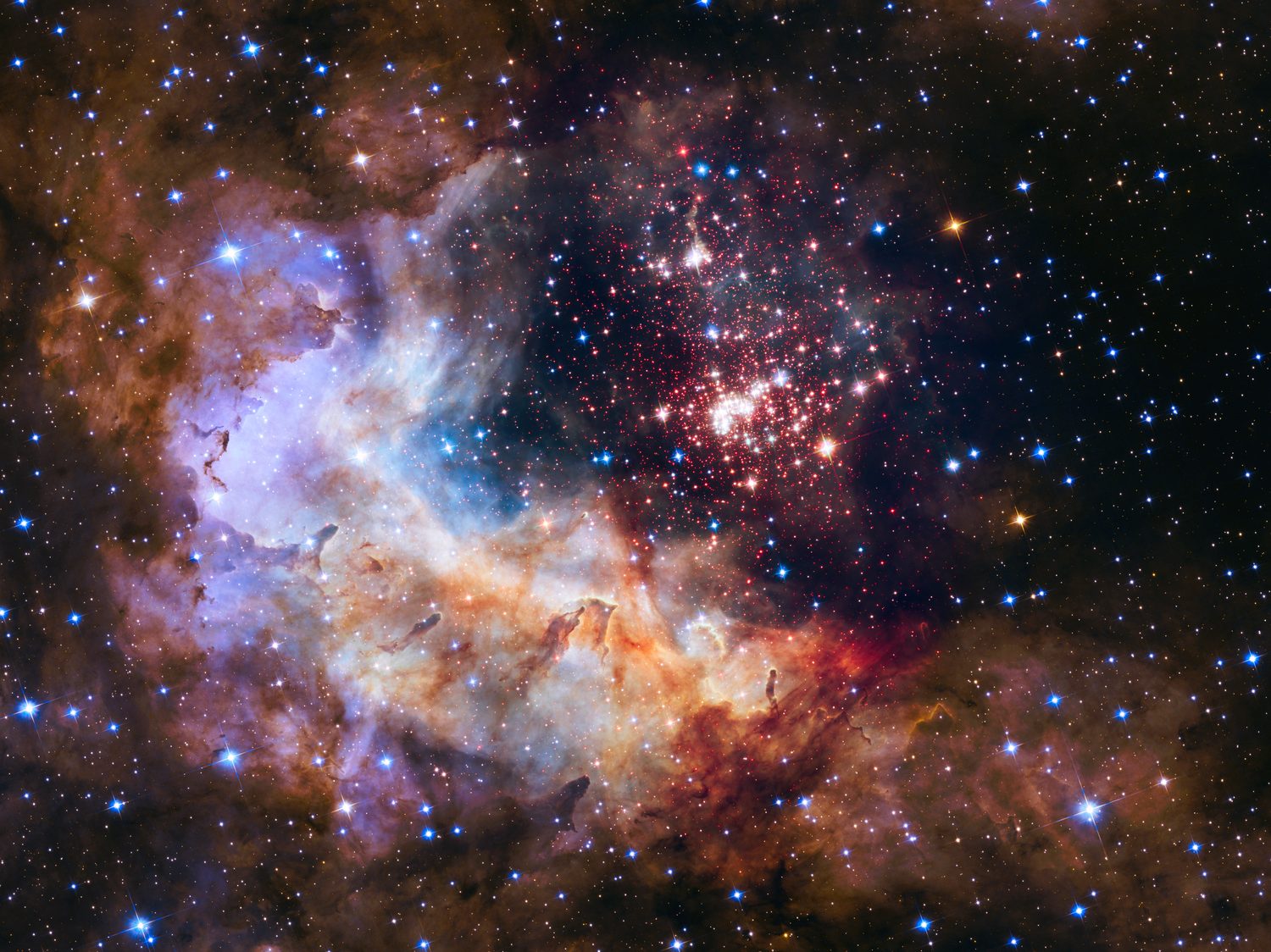
Credit: NASA, ESA, the Hubble Heritage Team (STScI/AURA), A. Nota (ESA/STScI), and the Westerlund 2 Science Team The original observations of Westerlund 2 were obtained by the science team: Antonella Nota (ESA/STScI), Elena Sabbi (STScI), Eva Grebel and Peter Zeidler (Astronomisches Rechen-Institut Heidelberg), Monica Tosi (INAF, Osservatorio Astronomico di Bologna), Alceste Bonanos (National Observatory of Athens, Astronomical Institute), Carol Christian (STScI/AURA) and Selma de Mink (University of Amsterdam). Follow-up observations were made by the Hubble Heritage team: Zoltan Levay (STScI), Max Mutchler, Jennifer Mack, Lisa Frattare, Shelly Meyett, Mario Livio, Carol Christian (STScI/AURA), and Keith Noll (NASA/GSFC).
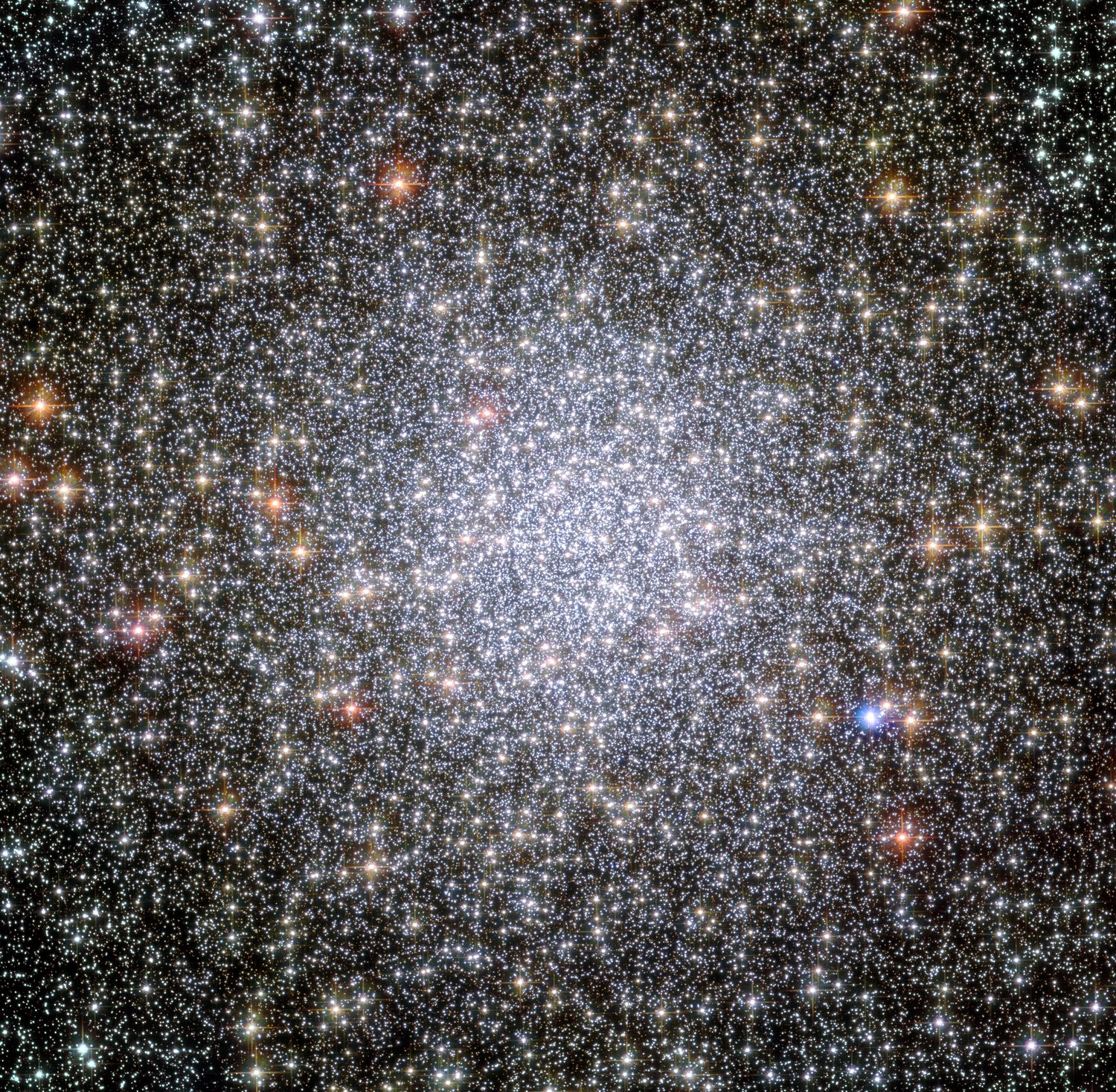
Credit: NASA, ESA, and the Hubble Heritage (STScI/AURA)-ESA/Hubble Collaboration Acknowledgment: J. Mack (STScI) and G. Piotto (University of Padova, Italy)
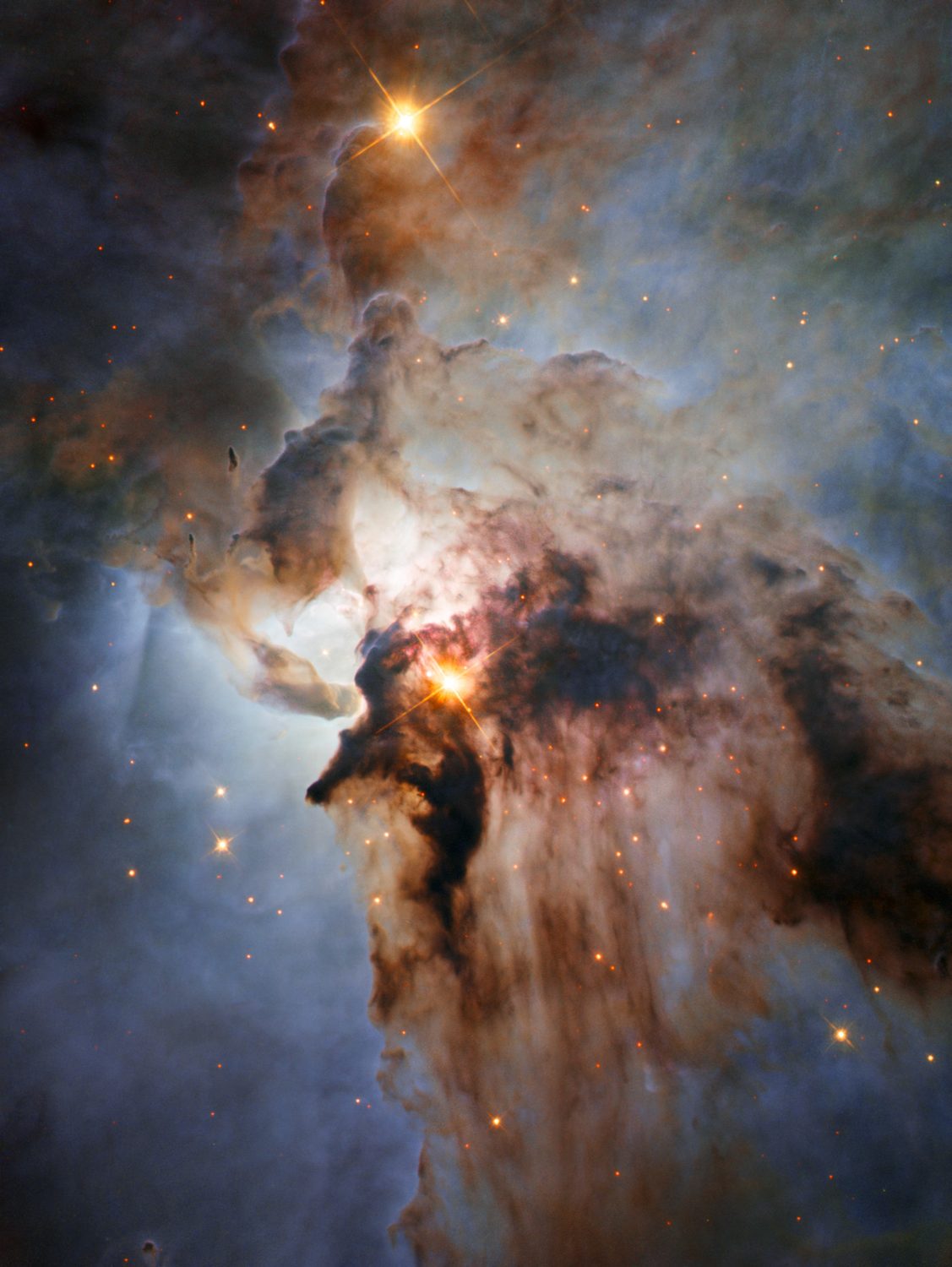
Credit: NASA, ESA, J. Trauger (Jet Propulsion Laboratory)
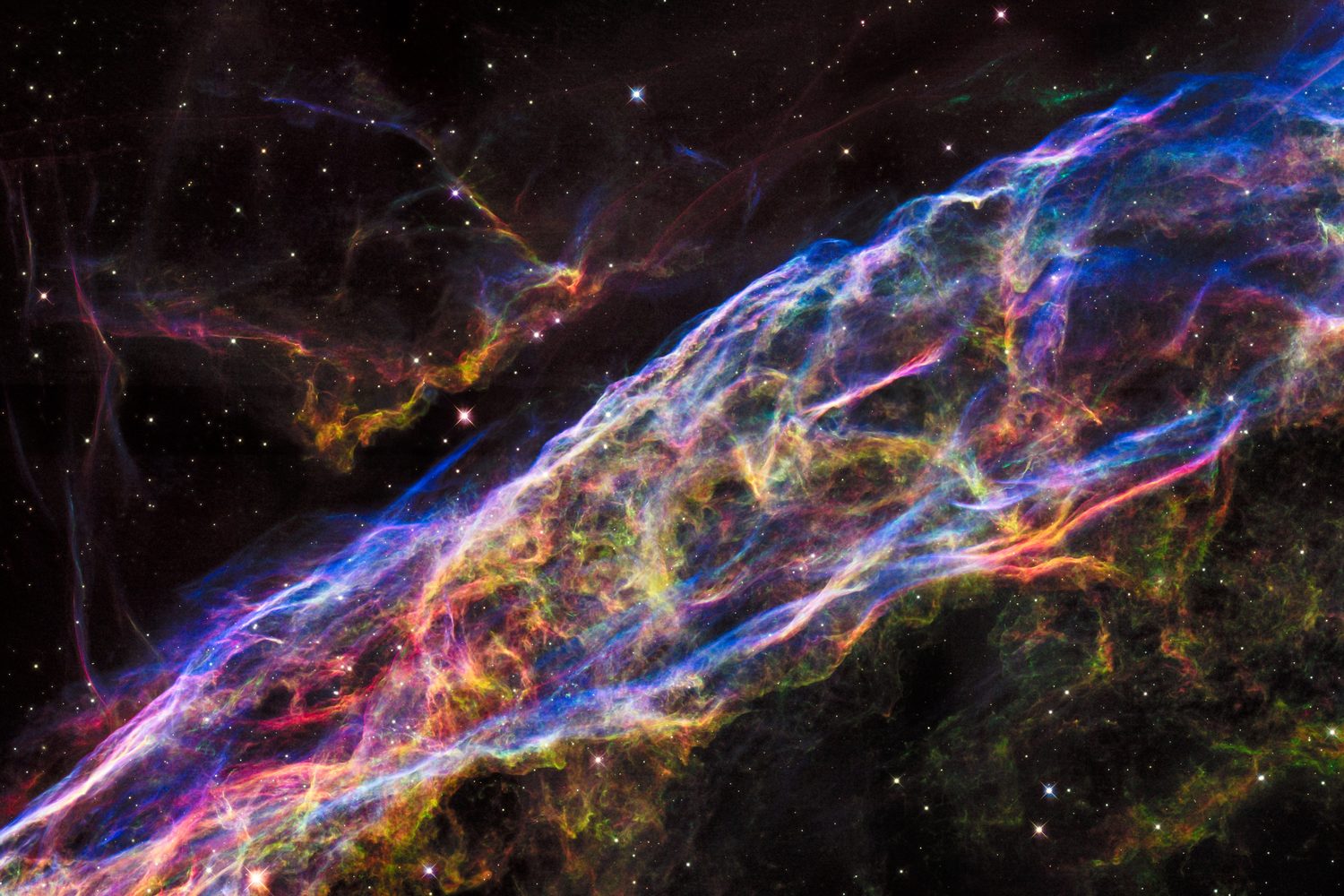
Credit: NASA, ESA, Hubble Heritage Team
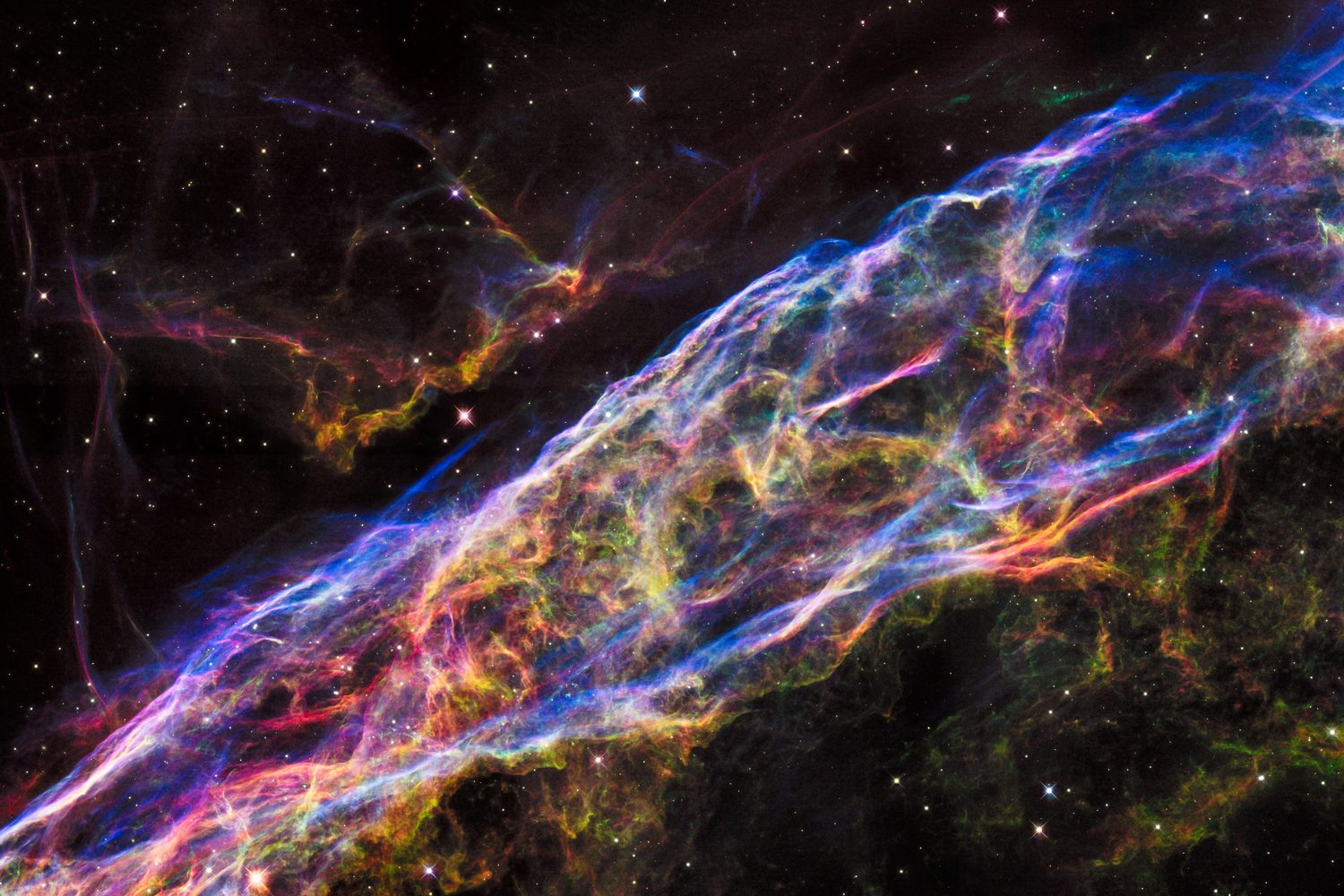
Credit: NASA, ESA, Hubble Heritage Team
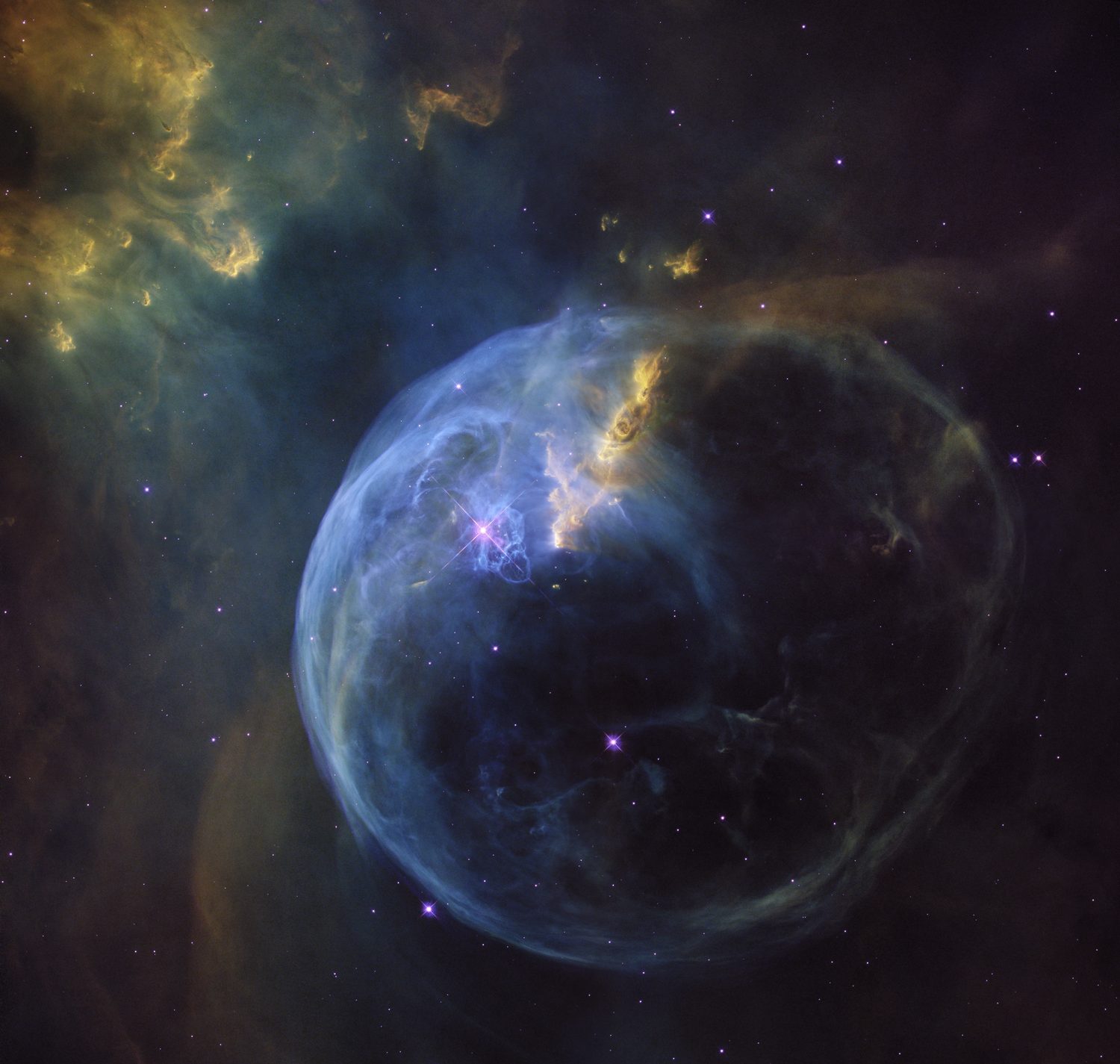
Credit: NASA, ESA, Hubble Heritage Team
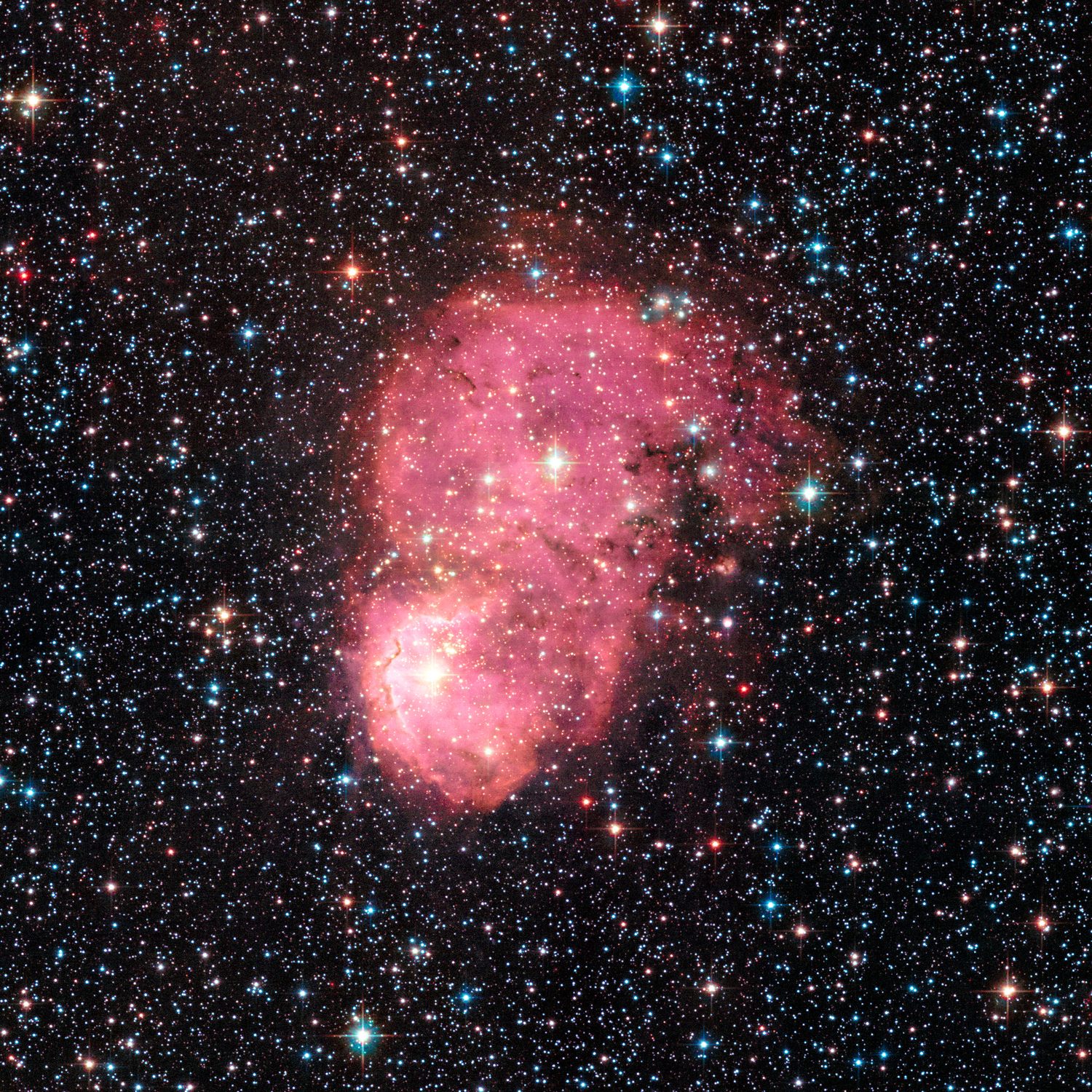
Credit: NASA, ESA, STScI, K. Sandstrom (University of California, San Diego), and the SMIDGE team.
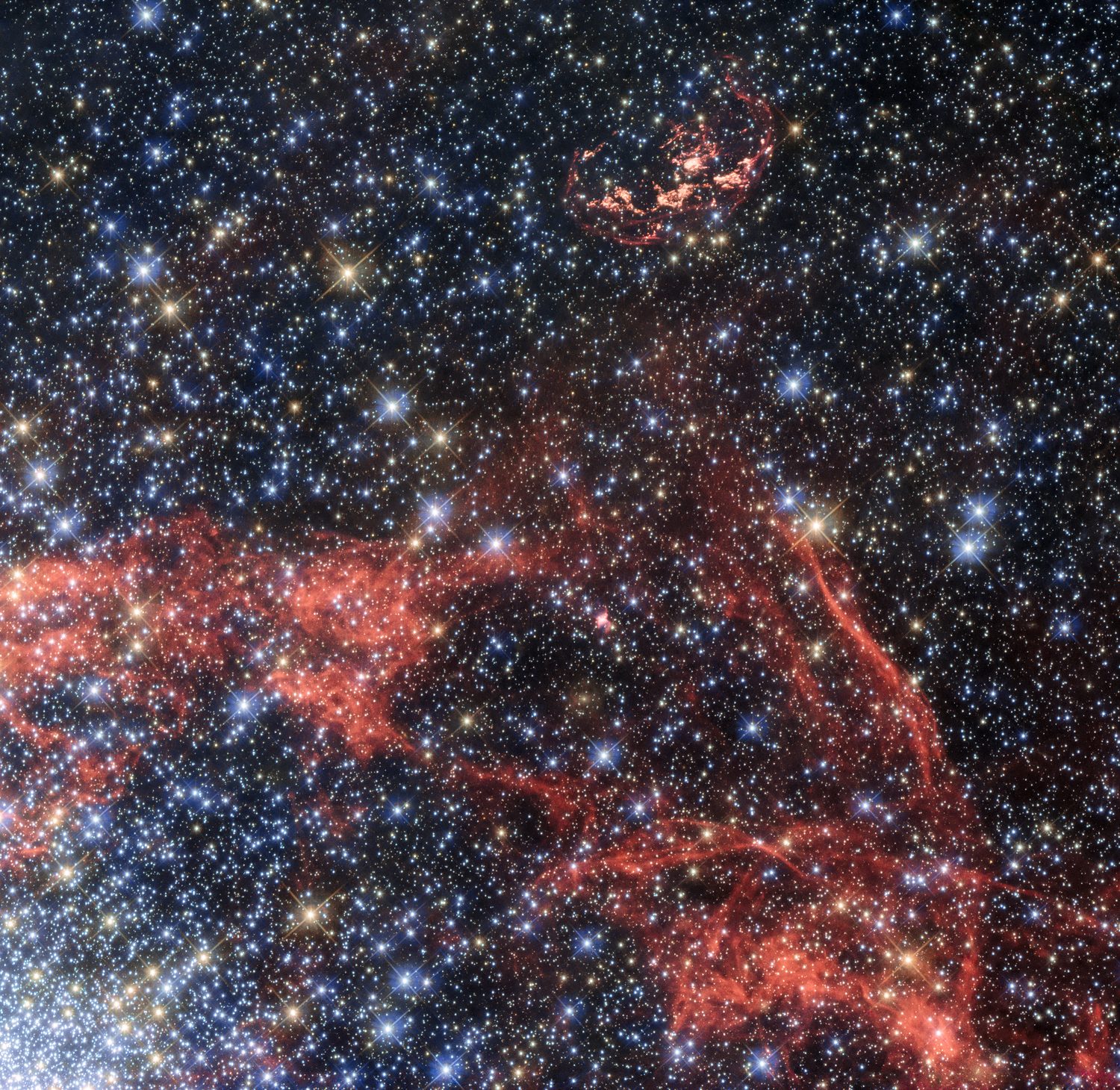
Credit: ESA/Hubble, NASA
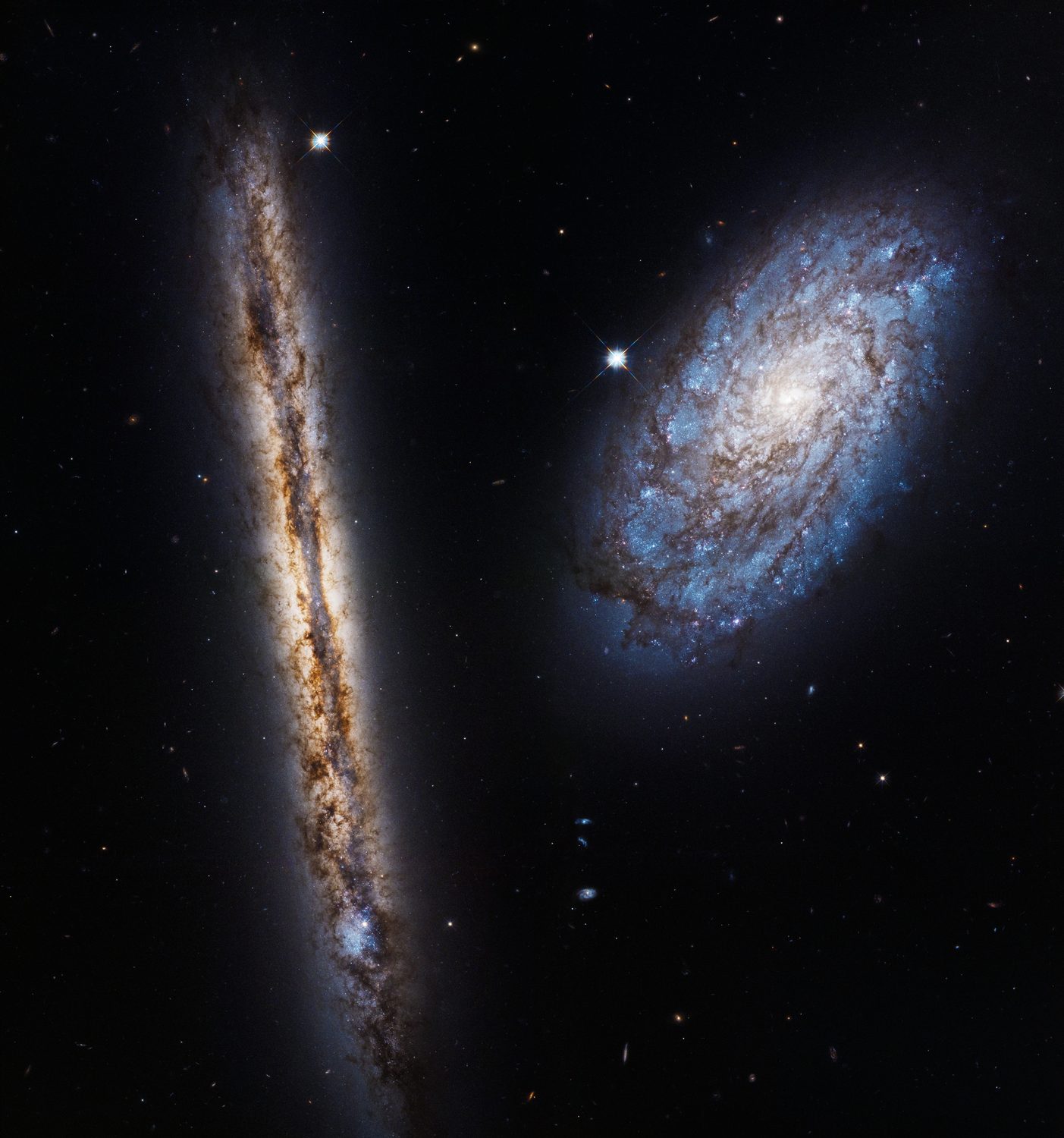
Credit: NASA, ESA, and M. Mutchler (STScI)
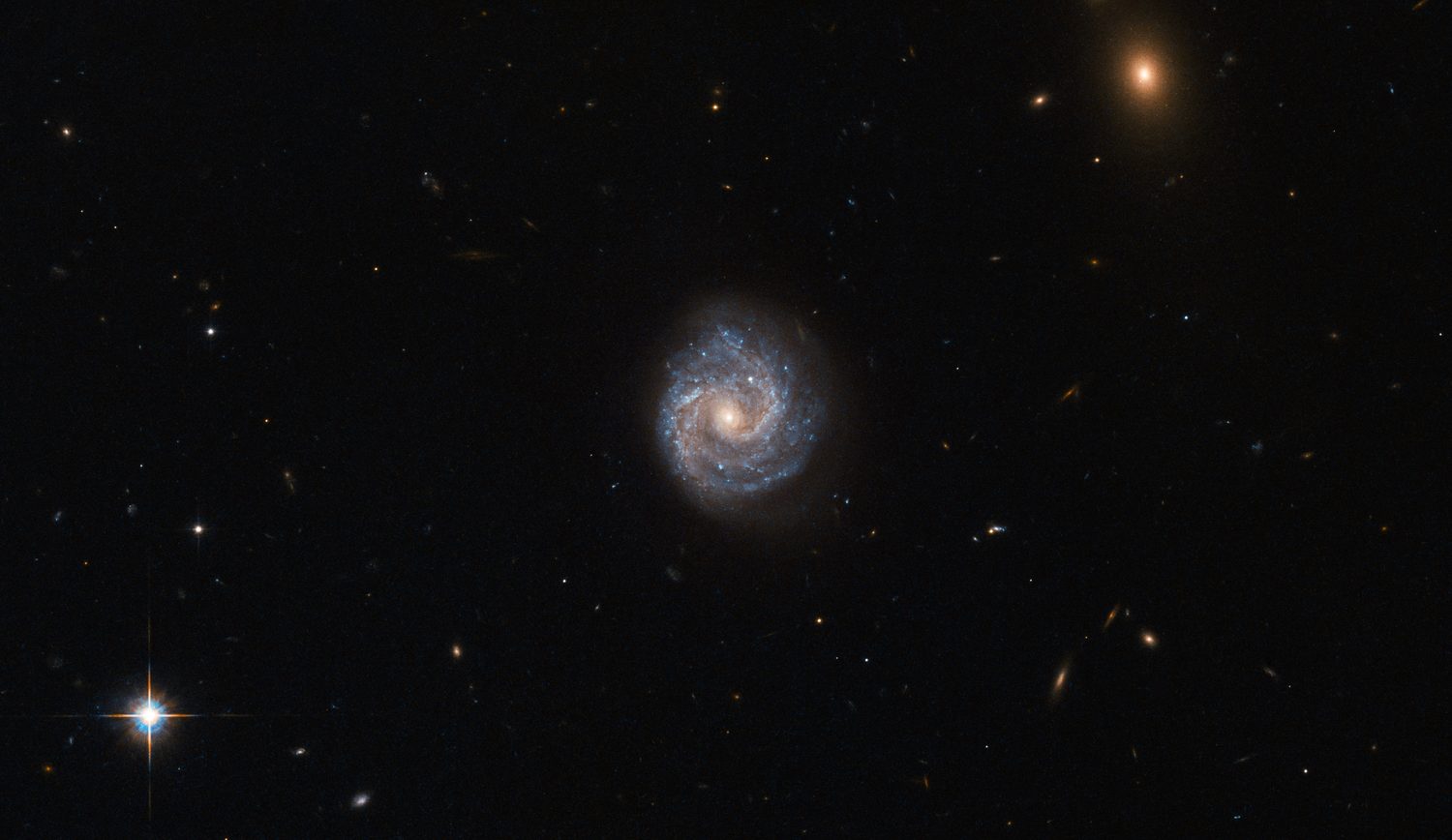
Credit: ESA/Hubble & NASA
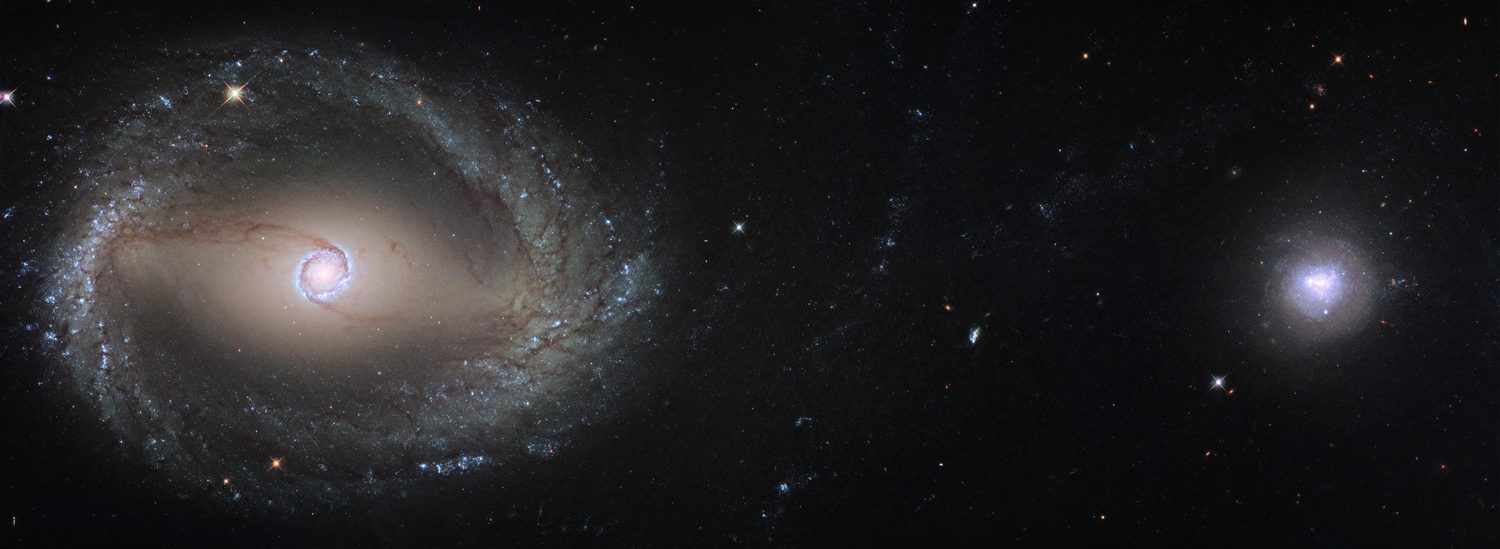
Credit: ESA/Hubble, NASA
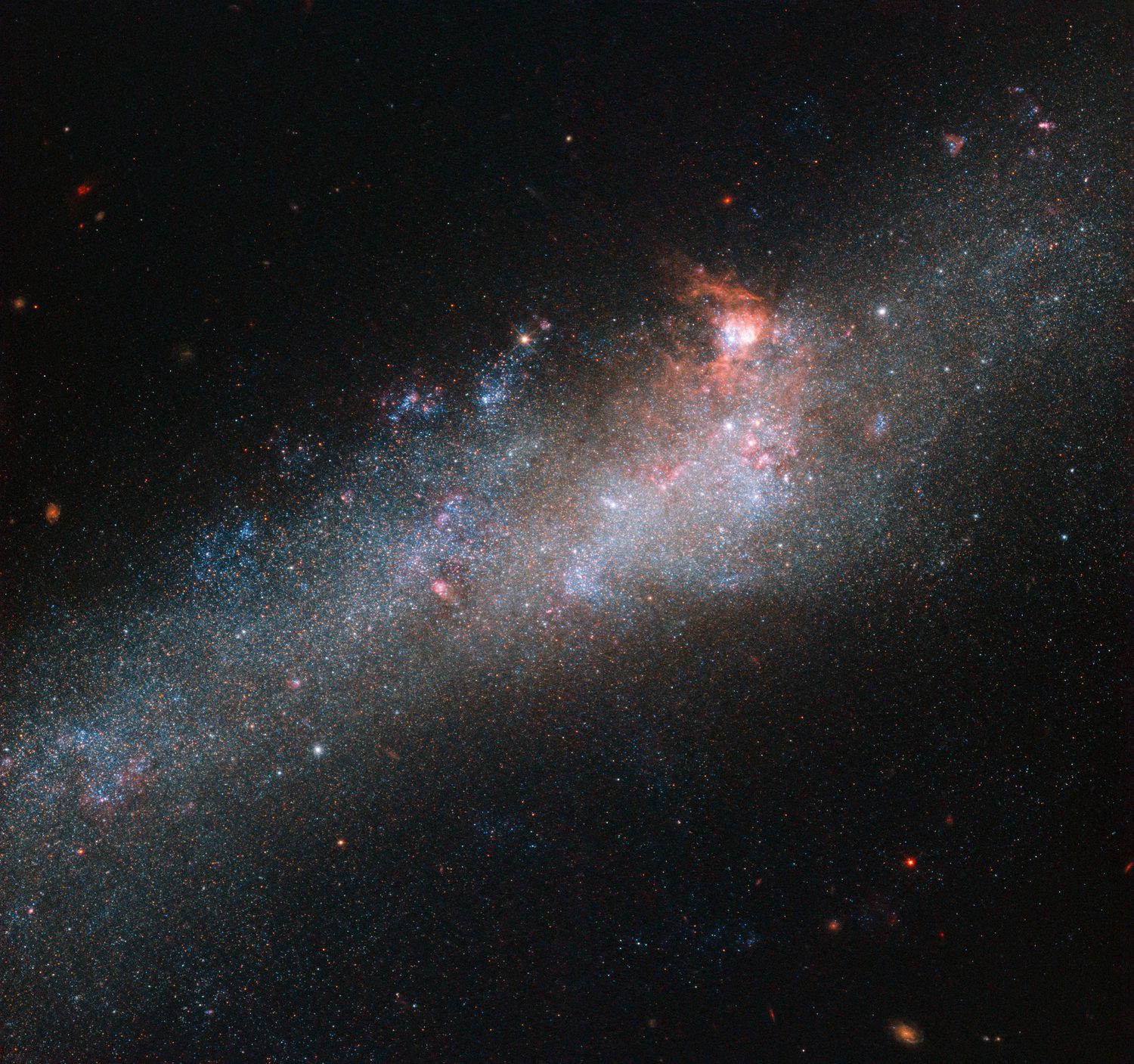
Credit: ESA/Hubble & NASA
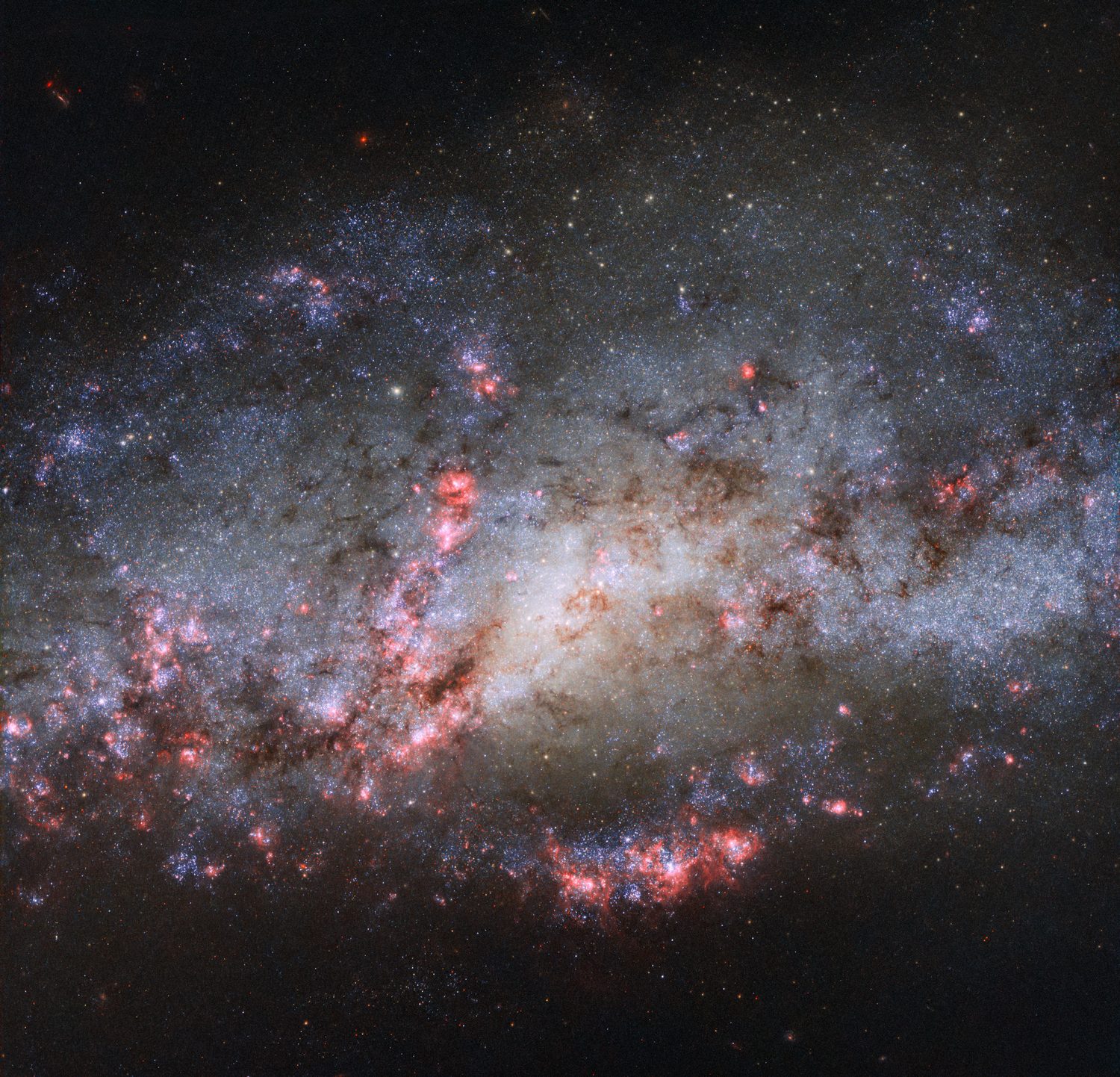
Credit: ESA/Hubble & NASA Acknowledgements: D. Calzetti (UMass) and the LEGUS Team, J. Maund (University of Sheffield), and R. Chandar (University of Toledo)
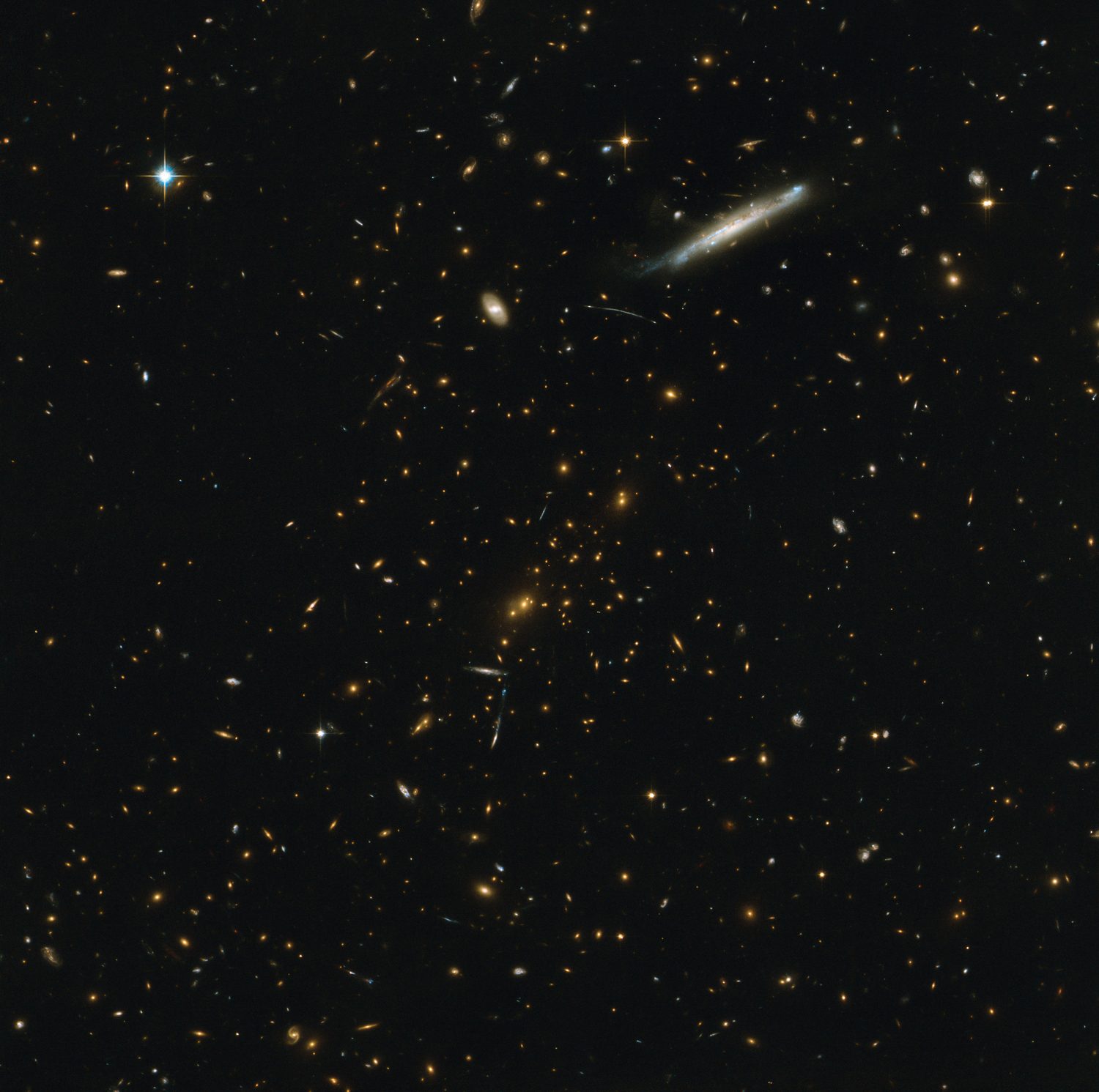
Credit: ESO & ESA/Hubble & NASA
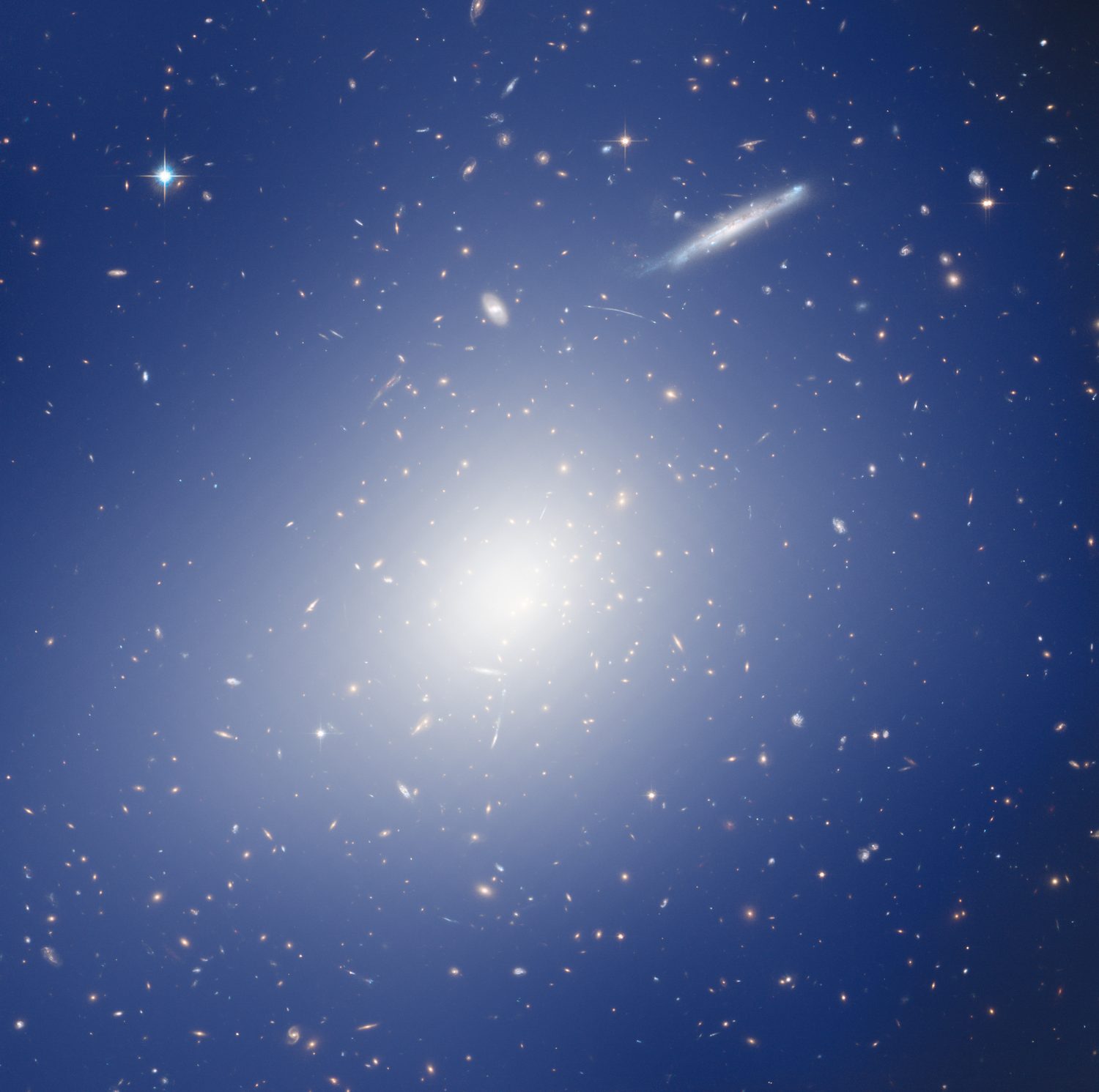
Credit: ESO, ESA/Hubble & NASA
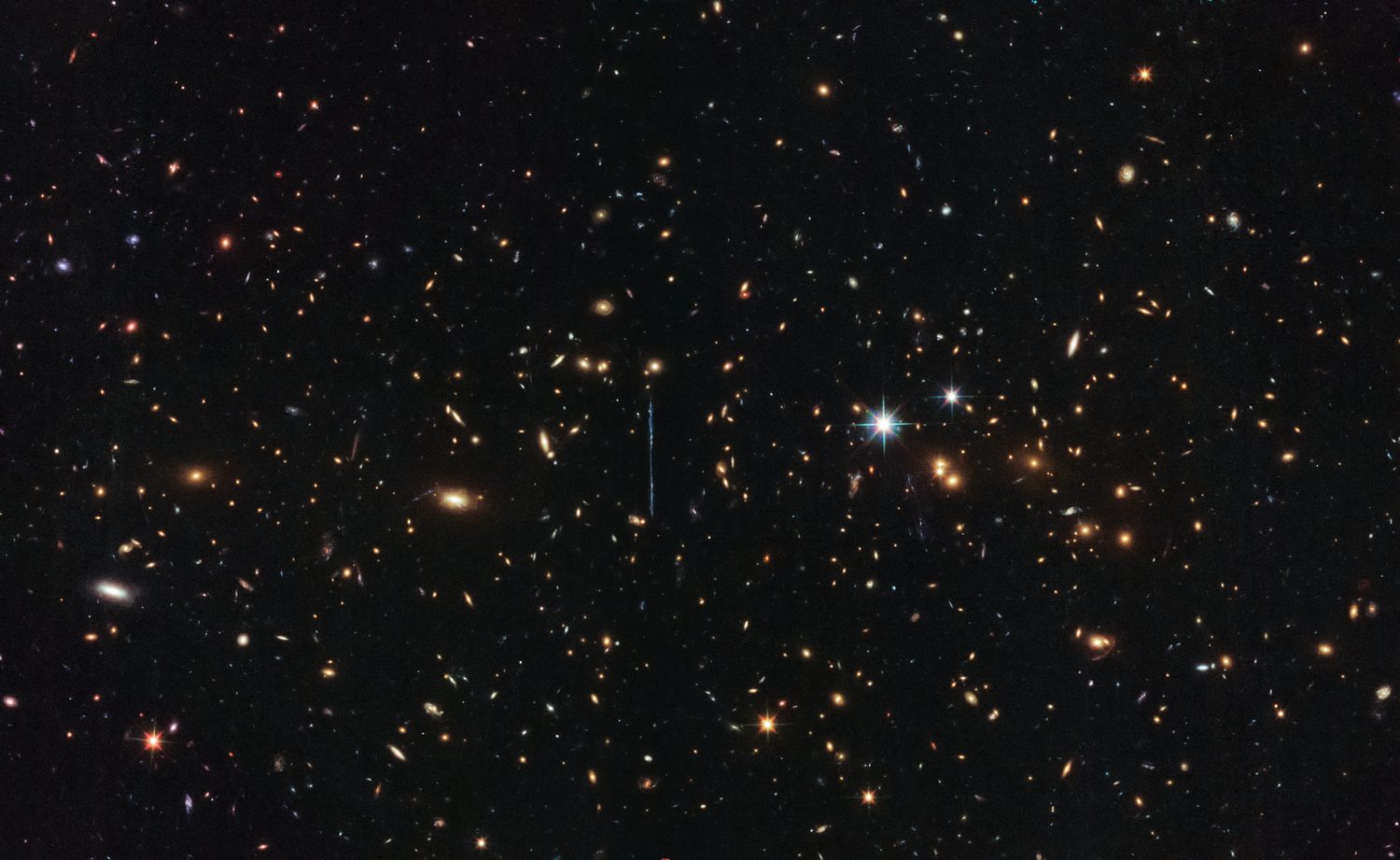
Credit: ESA/Hubble & NASA, RELICS
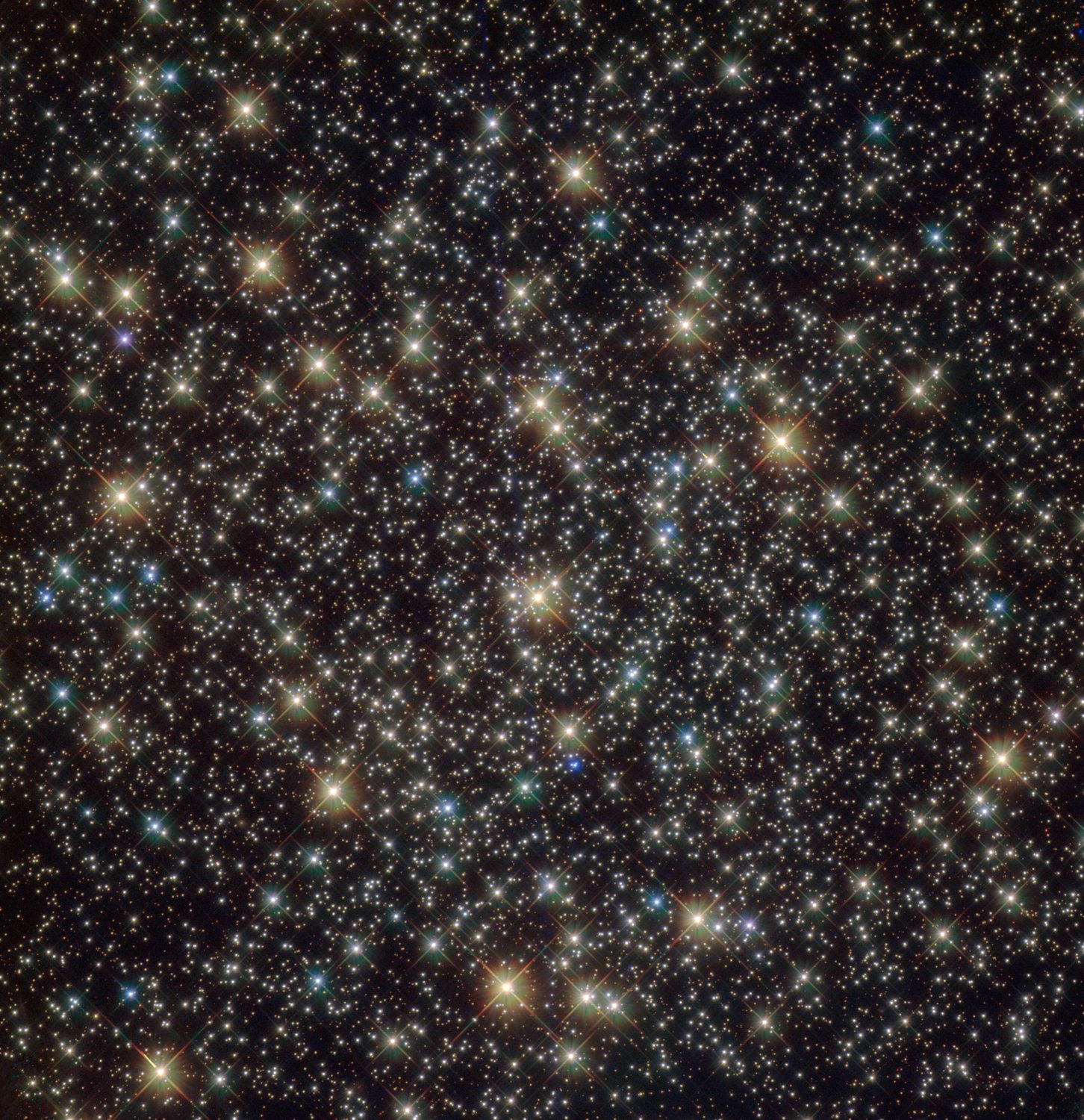
Credit: ESA/Hubble & NASA
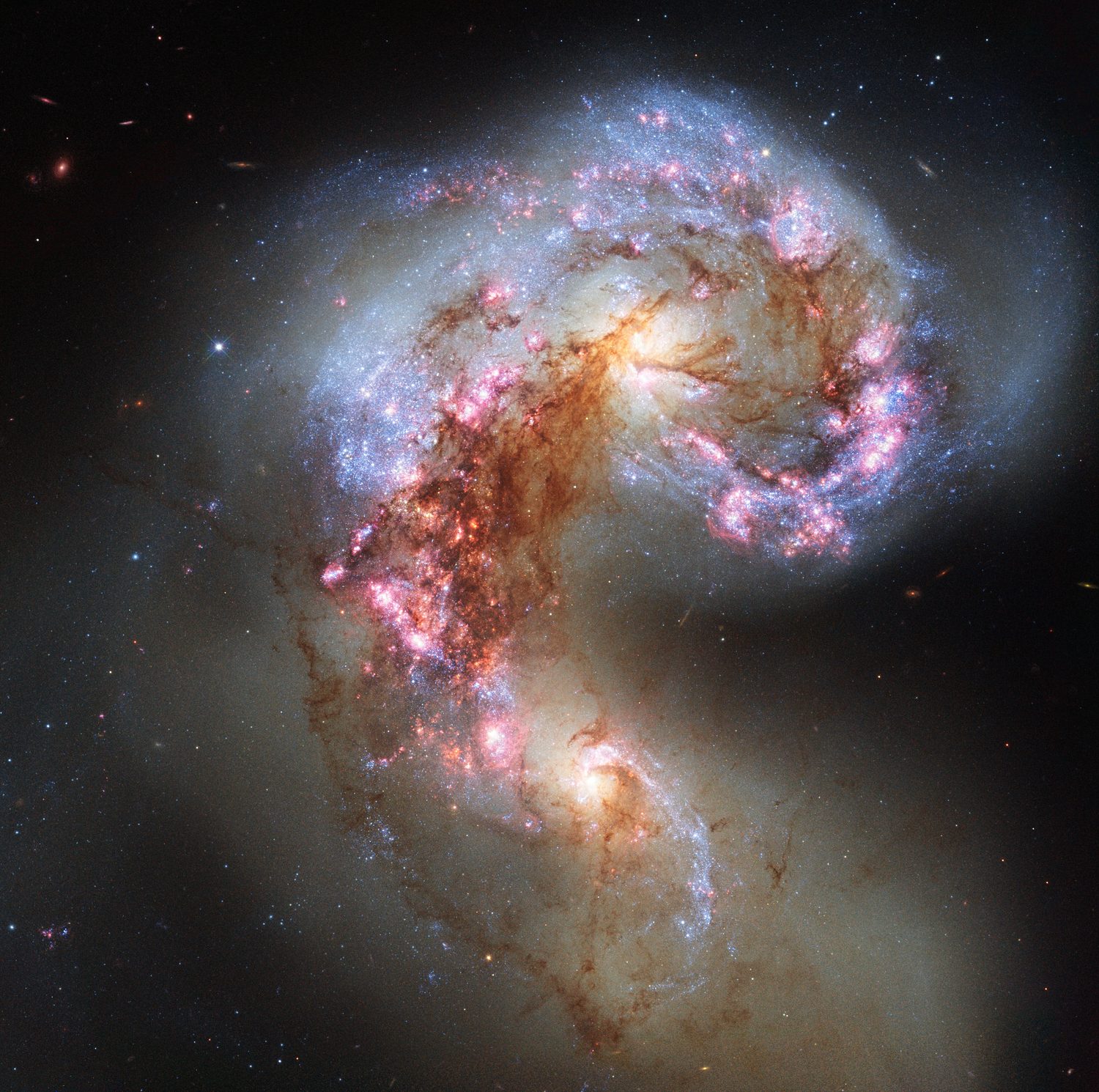
Credit: ESA/Hubble & NASA
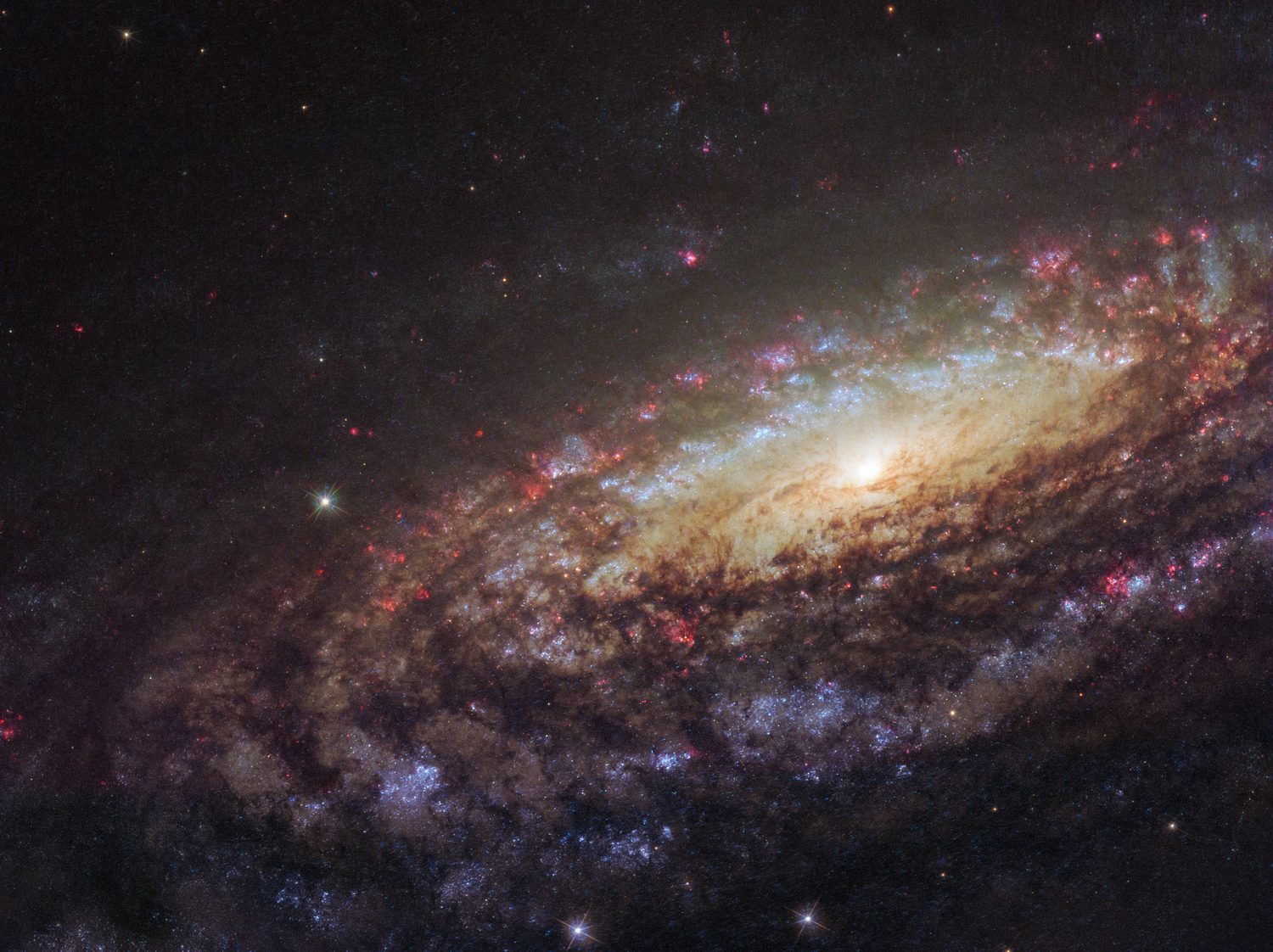
Credit: ESA/Hubble & NASA/D. Milisavljevic (Purdue University)
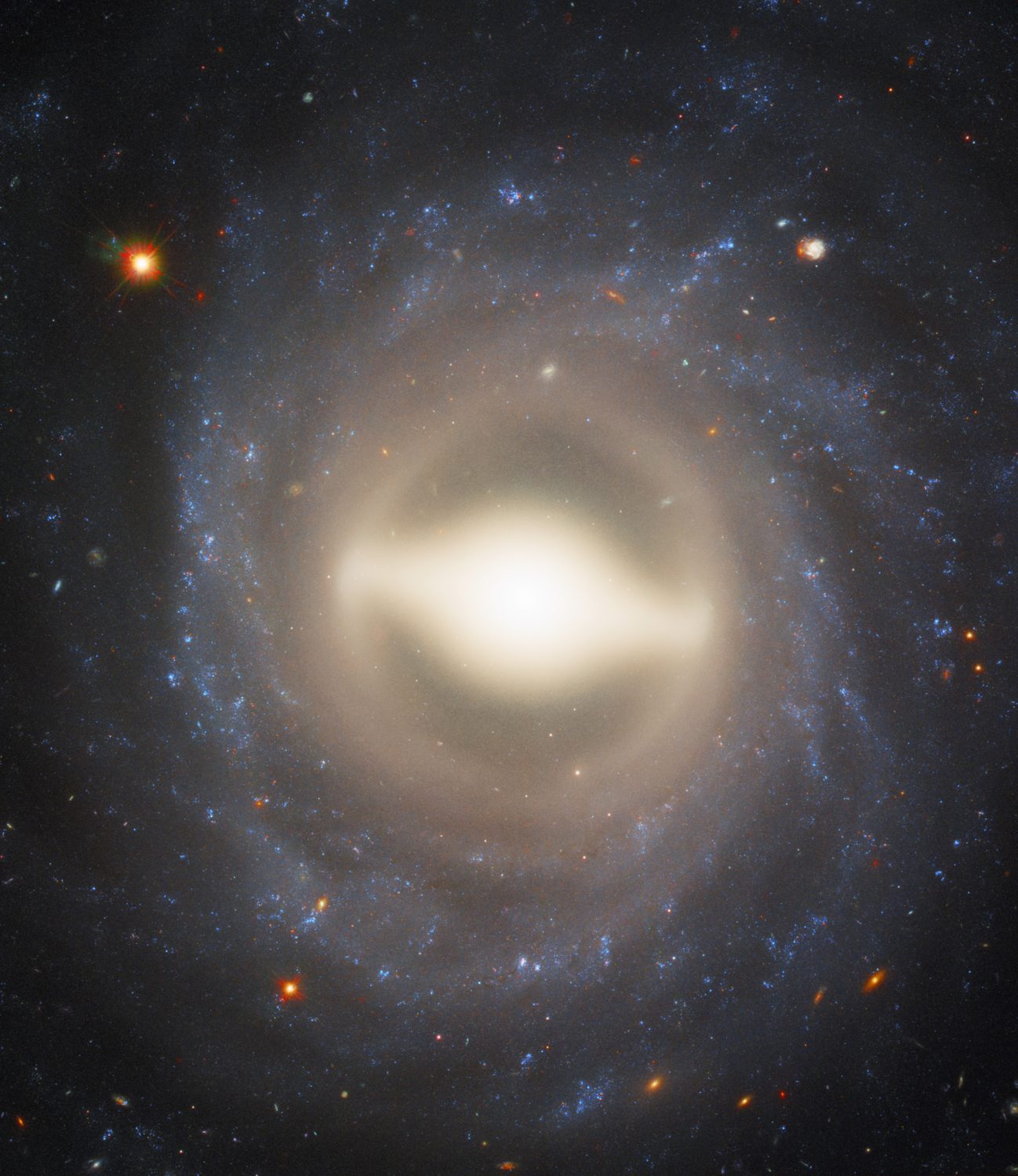
Credit: ESA/Hubble & NASA, A. Riess (STScl/JHU)
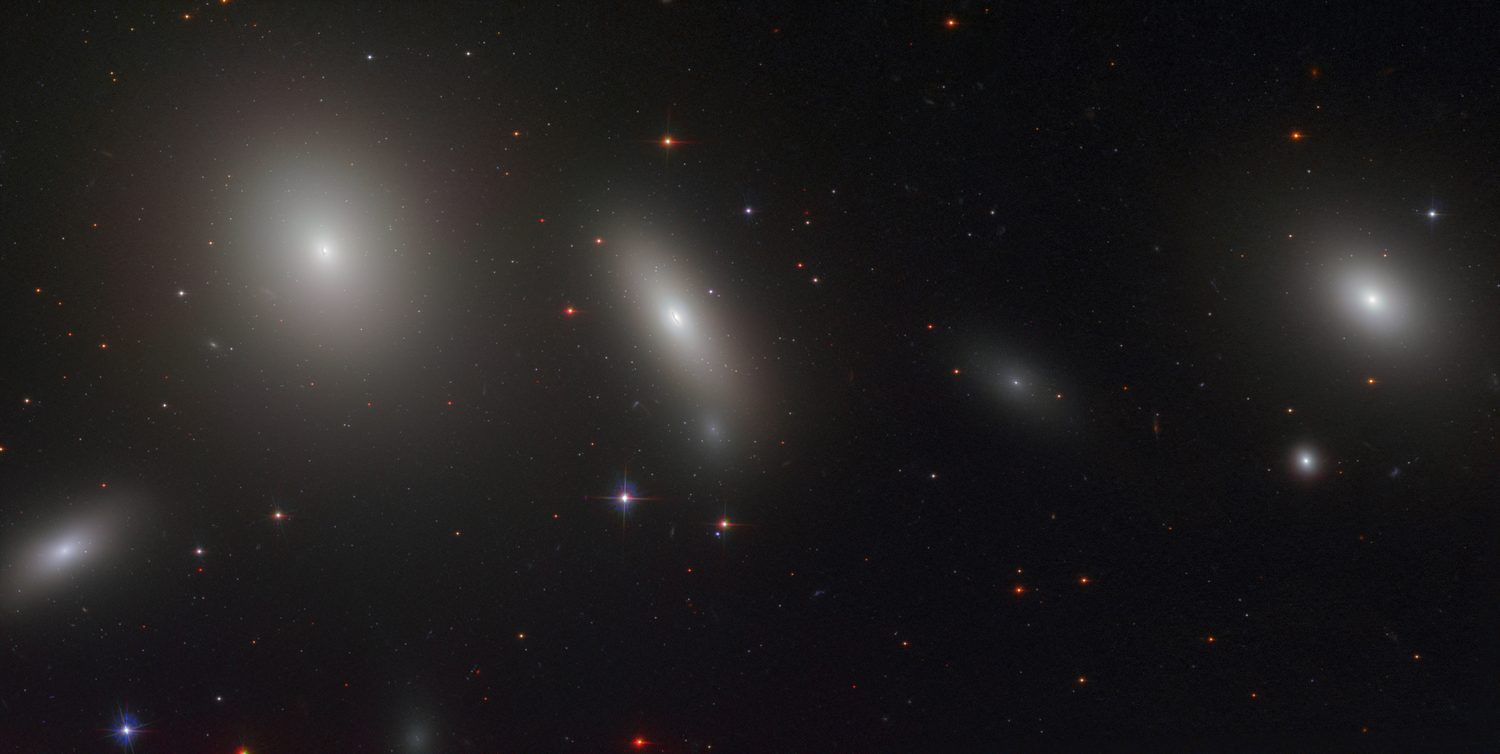
Credit: NASA, ESA, and M. Beasley (Instituto de Astrofísica de Canarias)
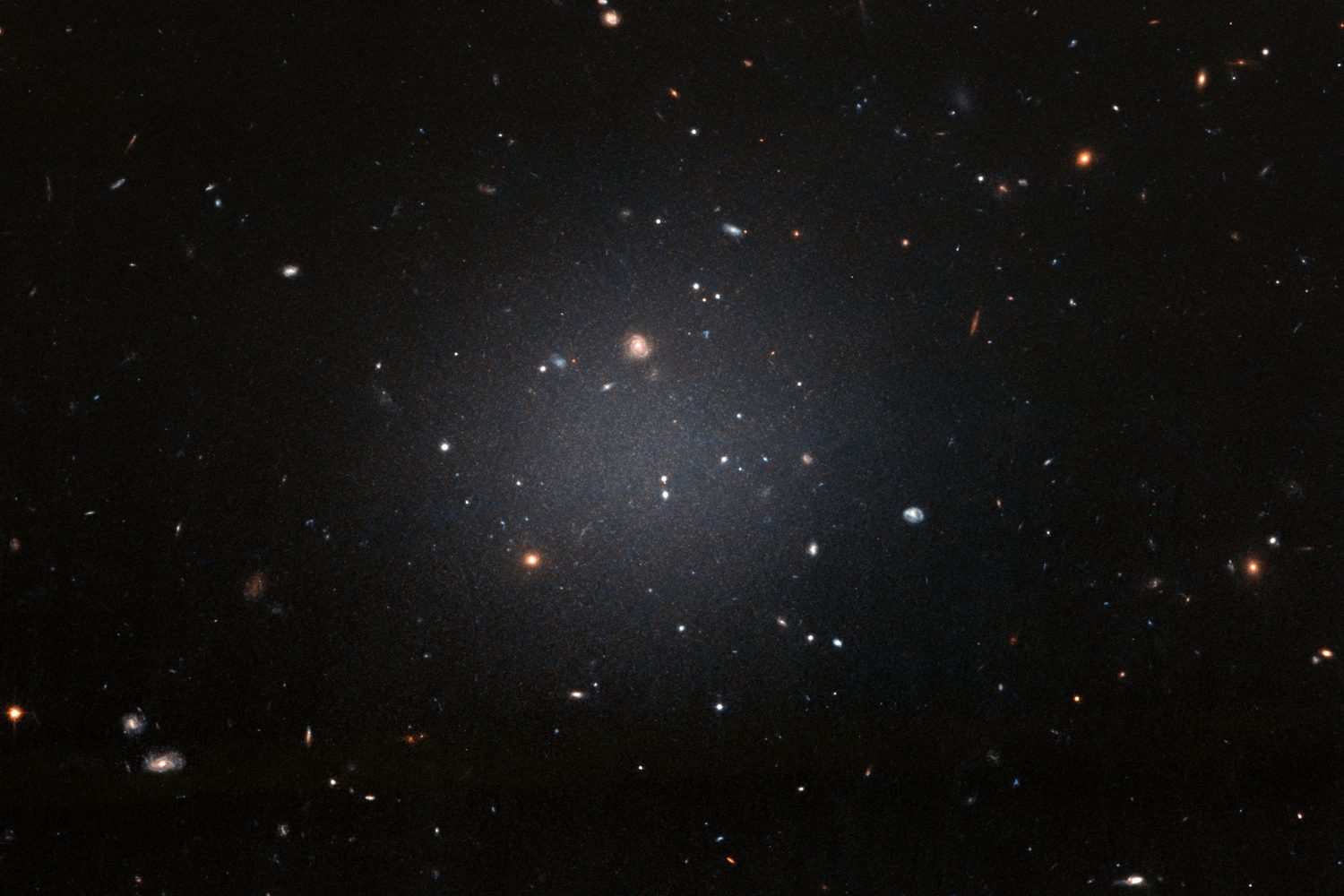
Credit: NASA, ESA, and P. van Dokkum (Yale University)
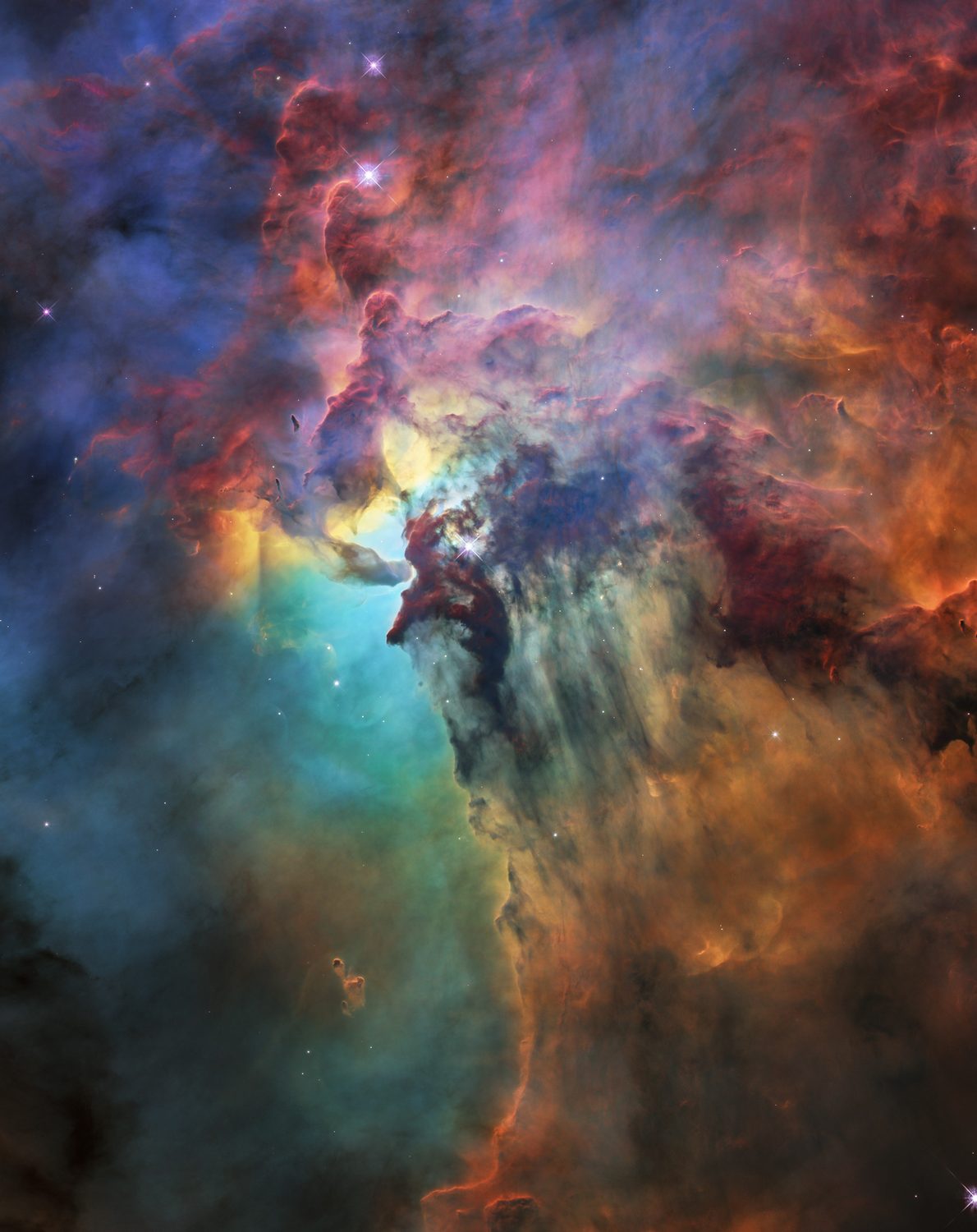
Credit: NASA, ESA, STScI
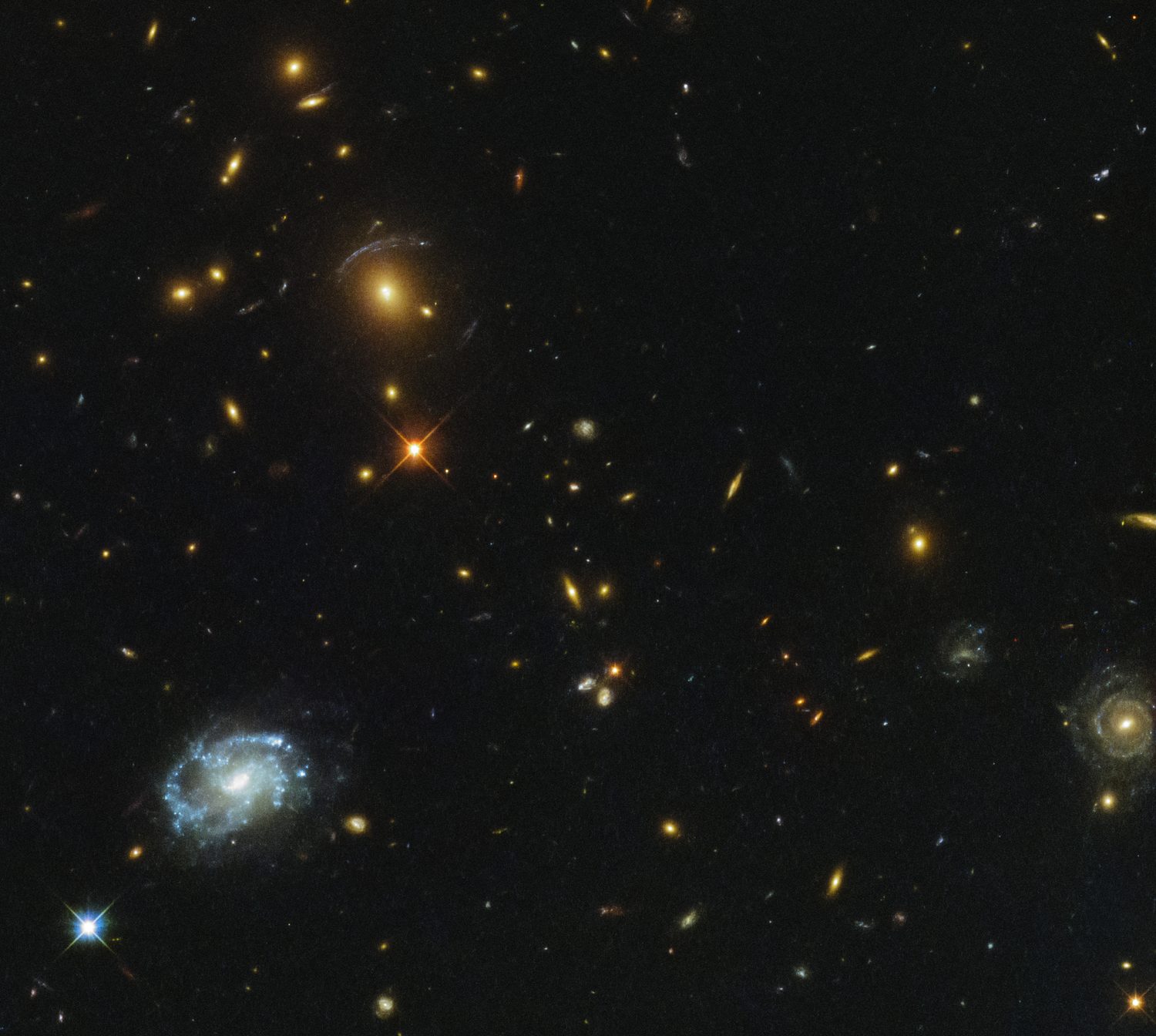
Credit: ESA/Hubble & NASAAcknowledgement: Judy Schmidt
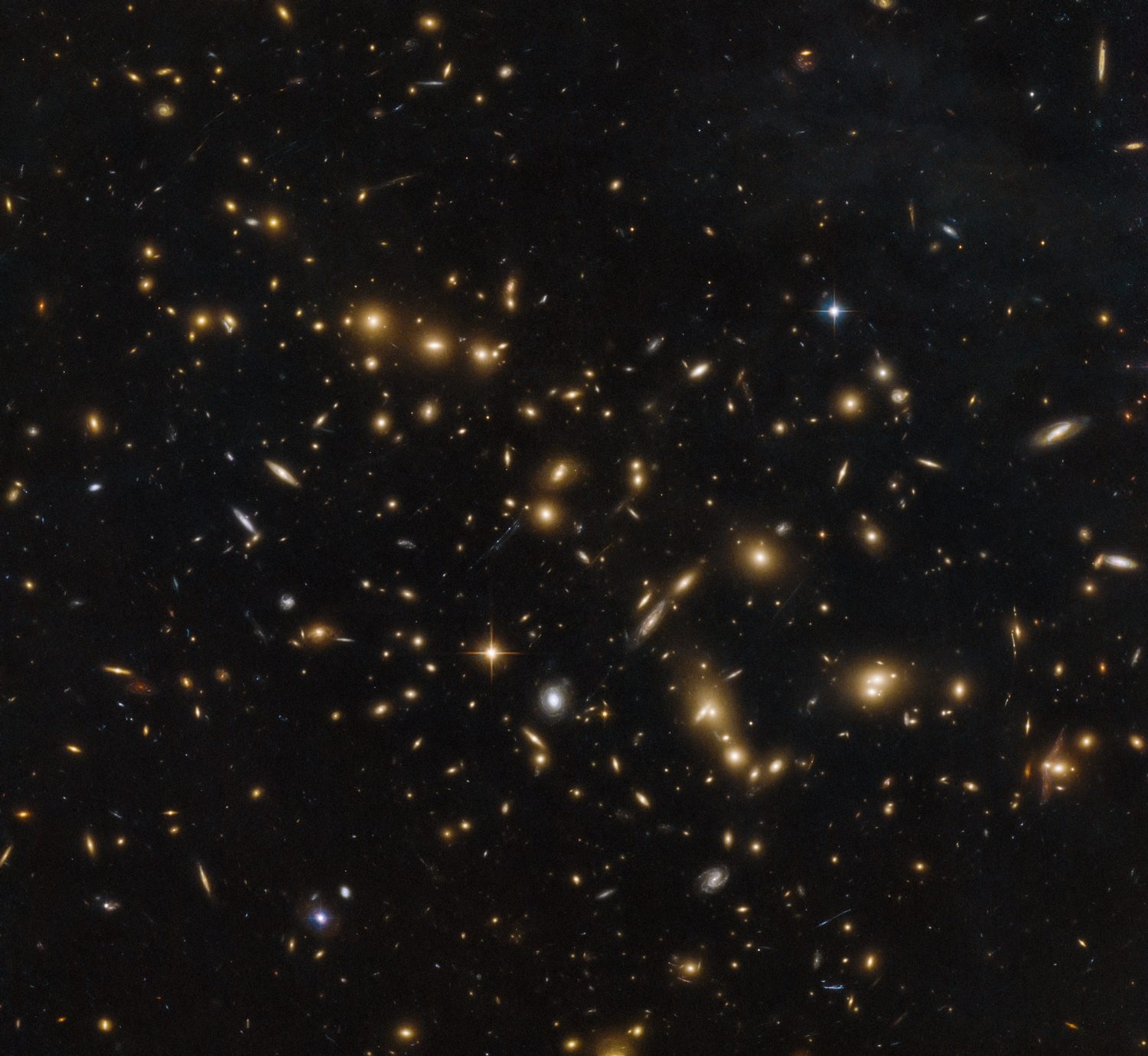
Credit: ESA/Hubble & NASA, RELICS
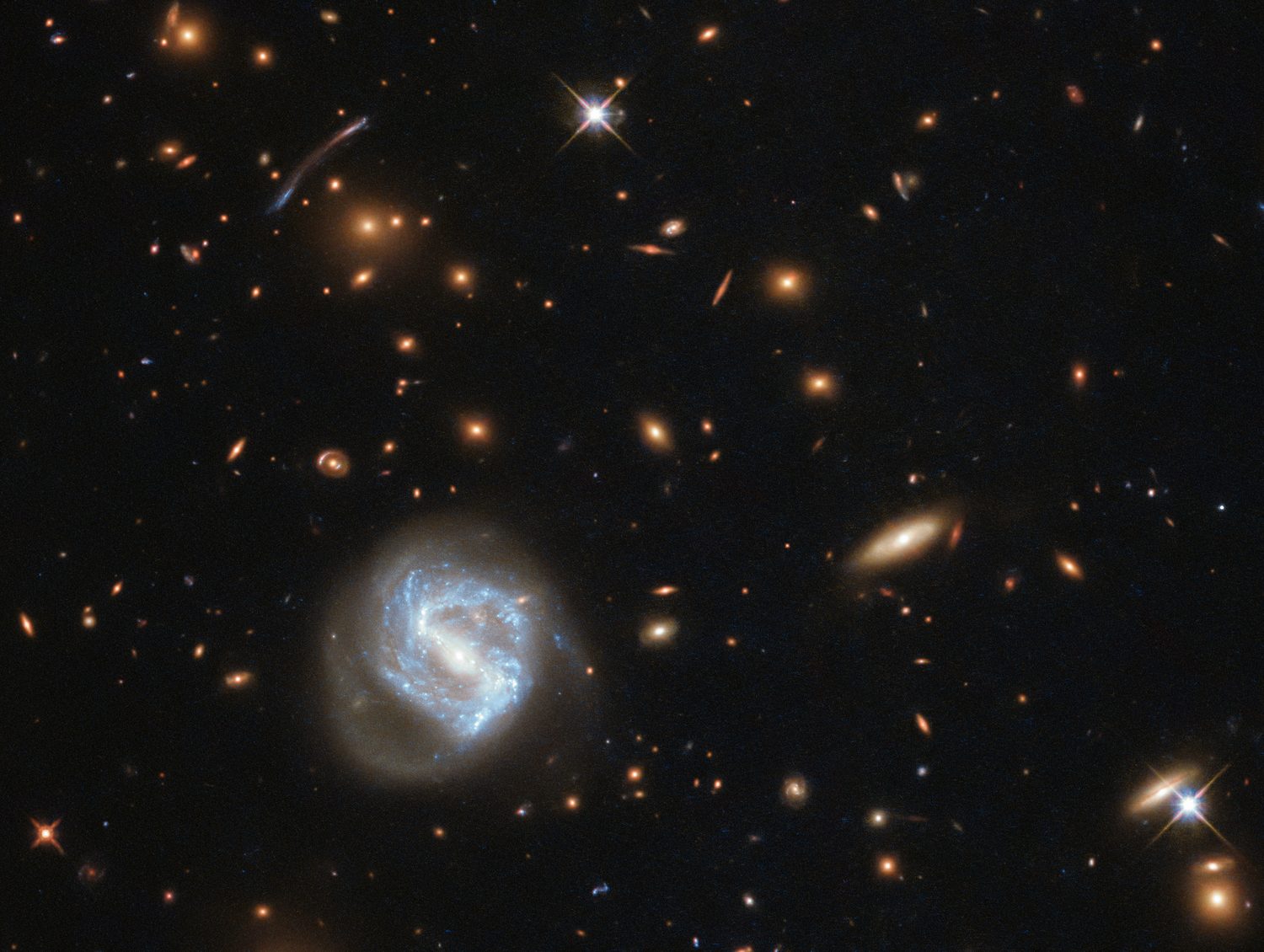
Credit: ESA/Hubble & NASA
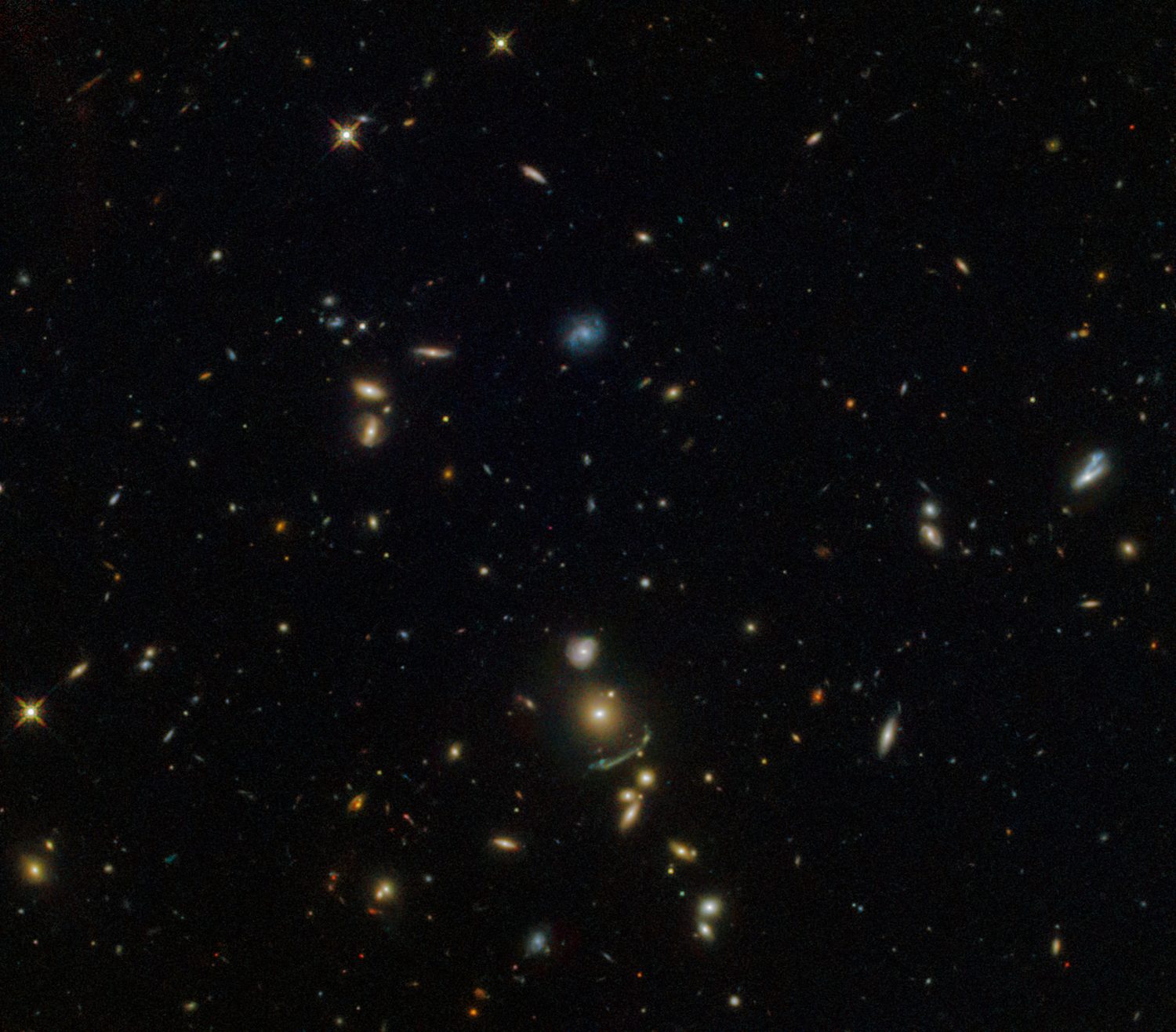
Credit: ESA/Hubble & NASA Acknowledgement: Judy Schmidt (Geckzilla)
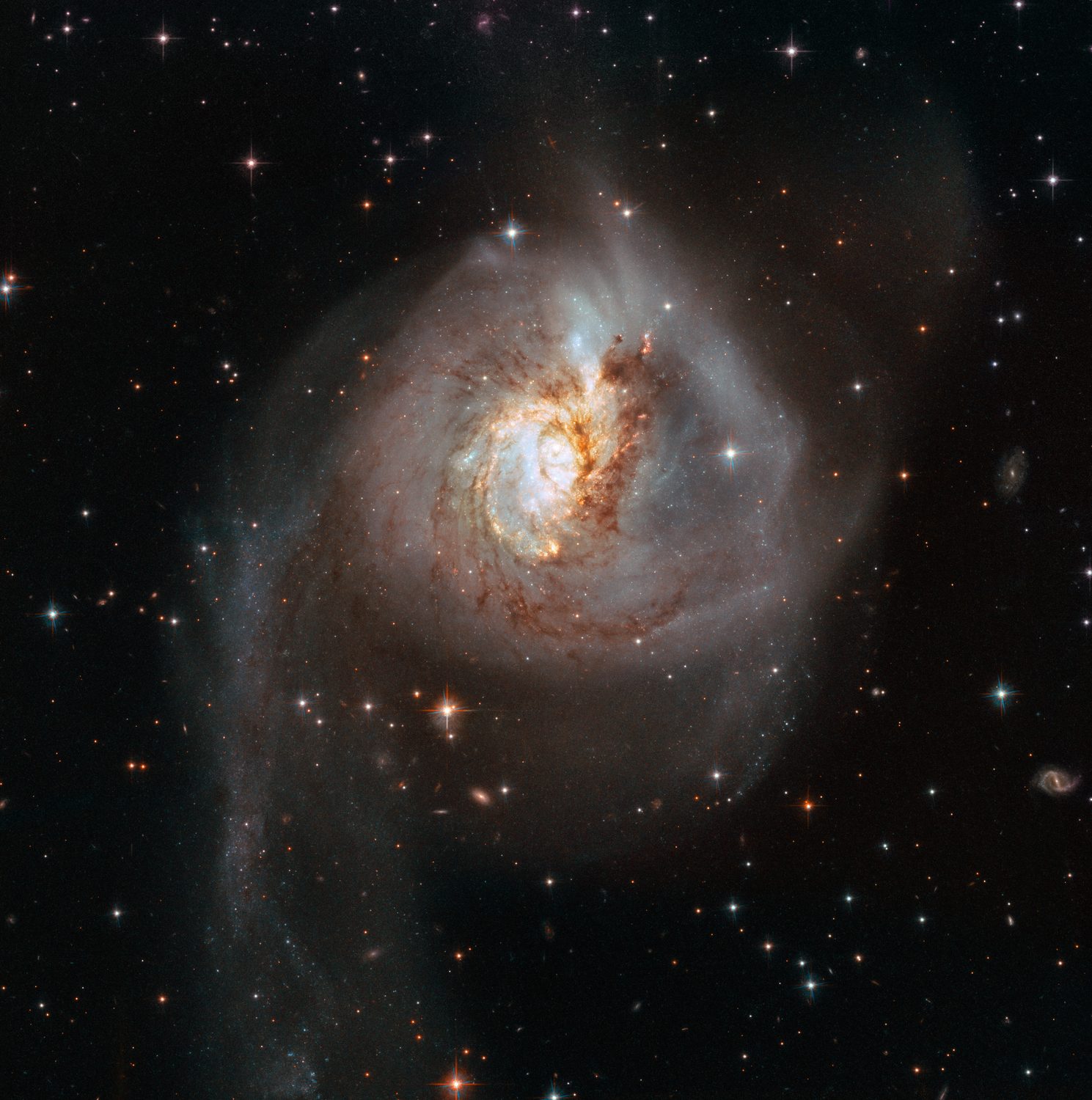
Credit: ESA/Hubble, NASA
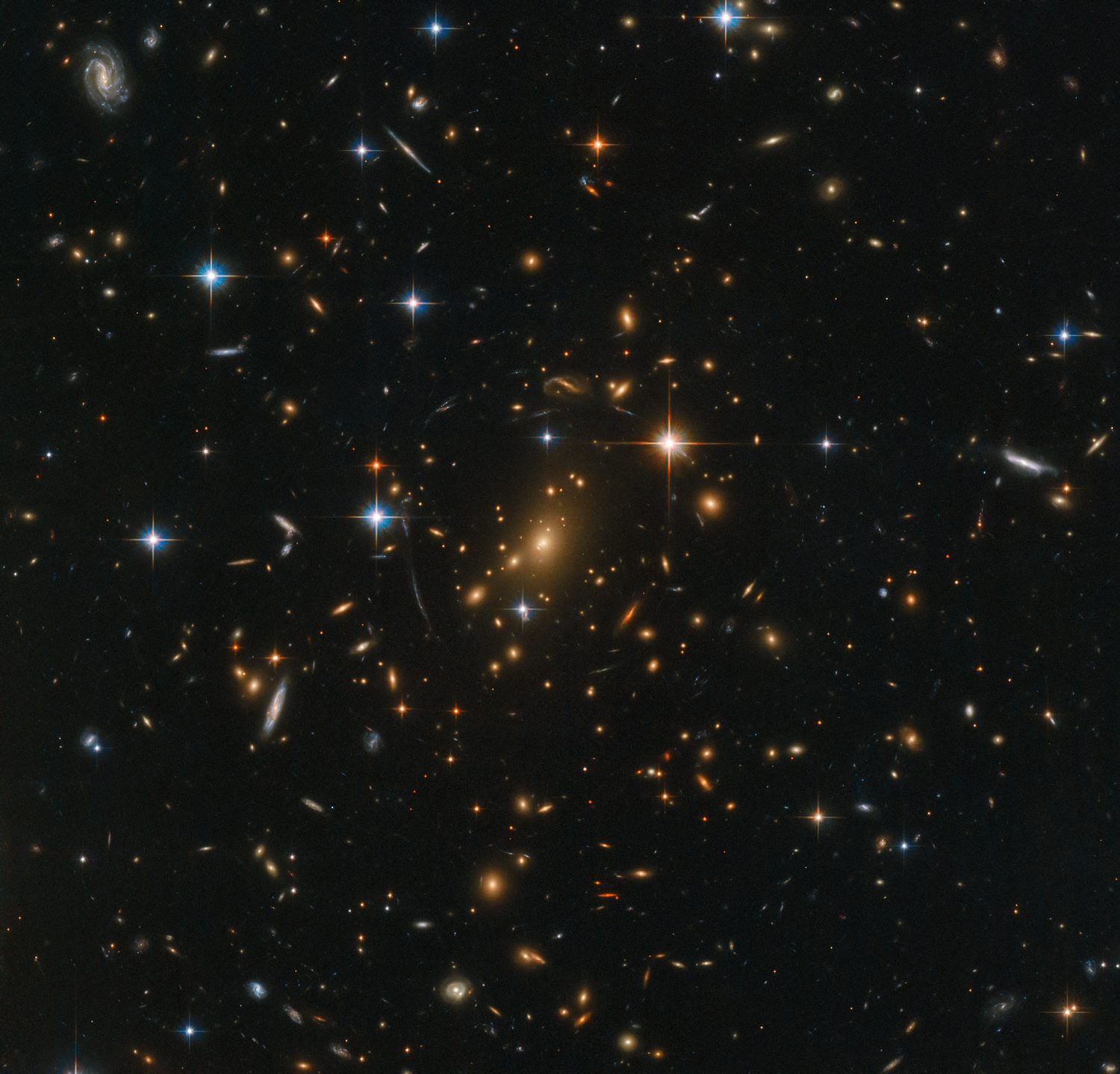
Credit: ESA/Hubble & NASA, RELICS
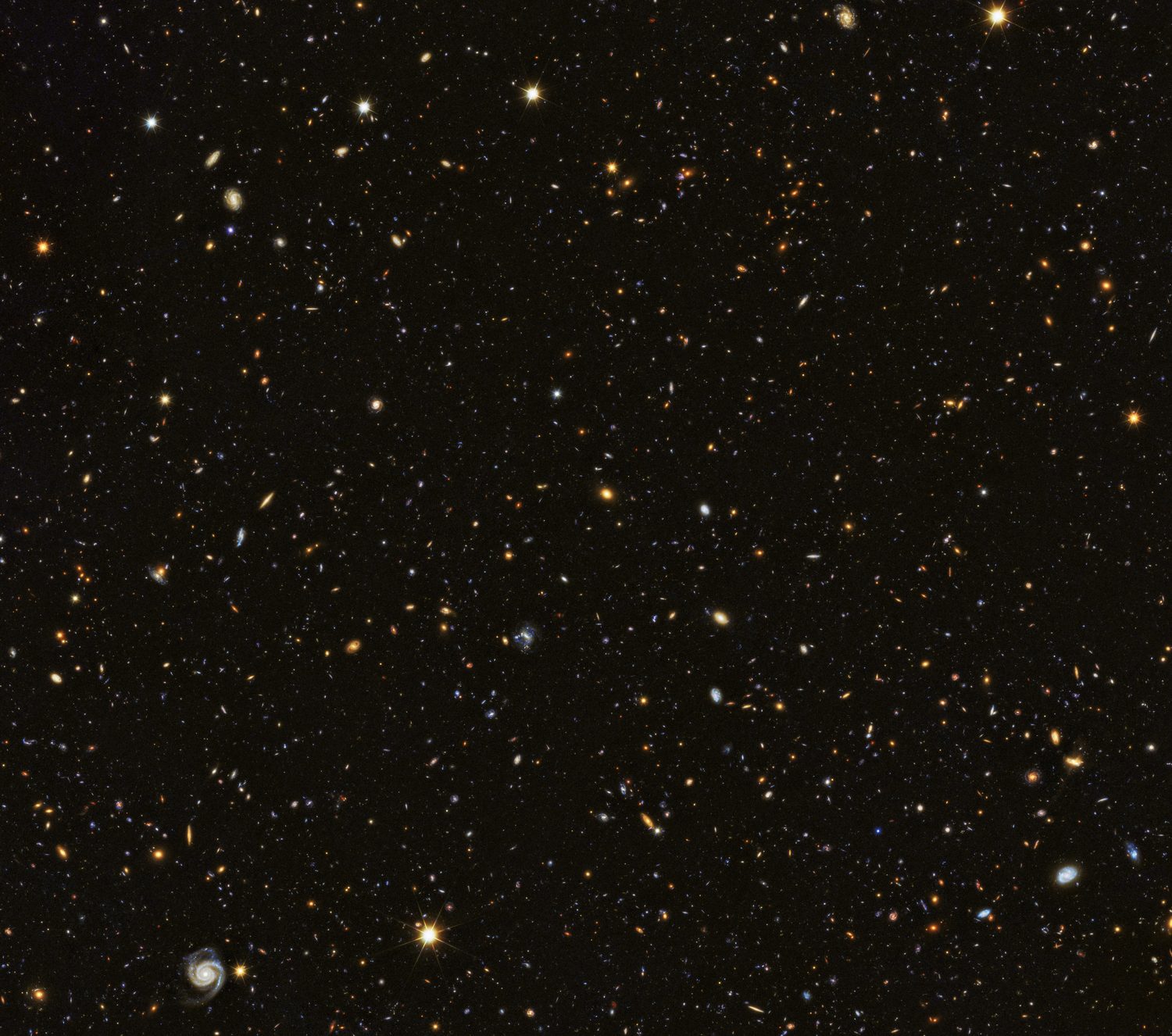
Credit: ESA/Hubble & NASA
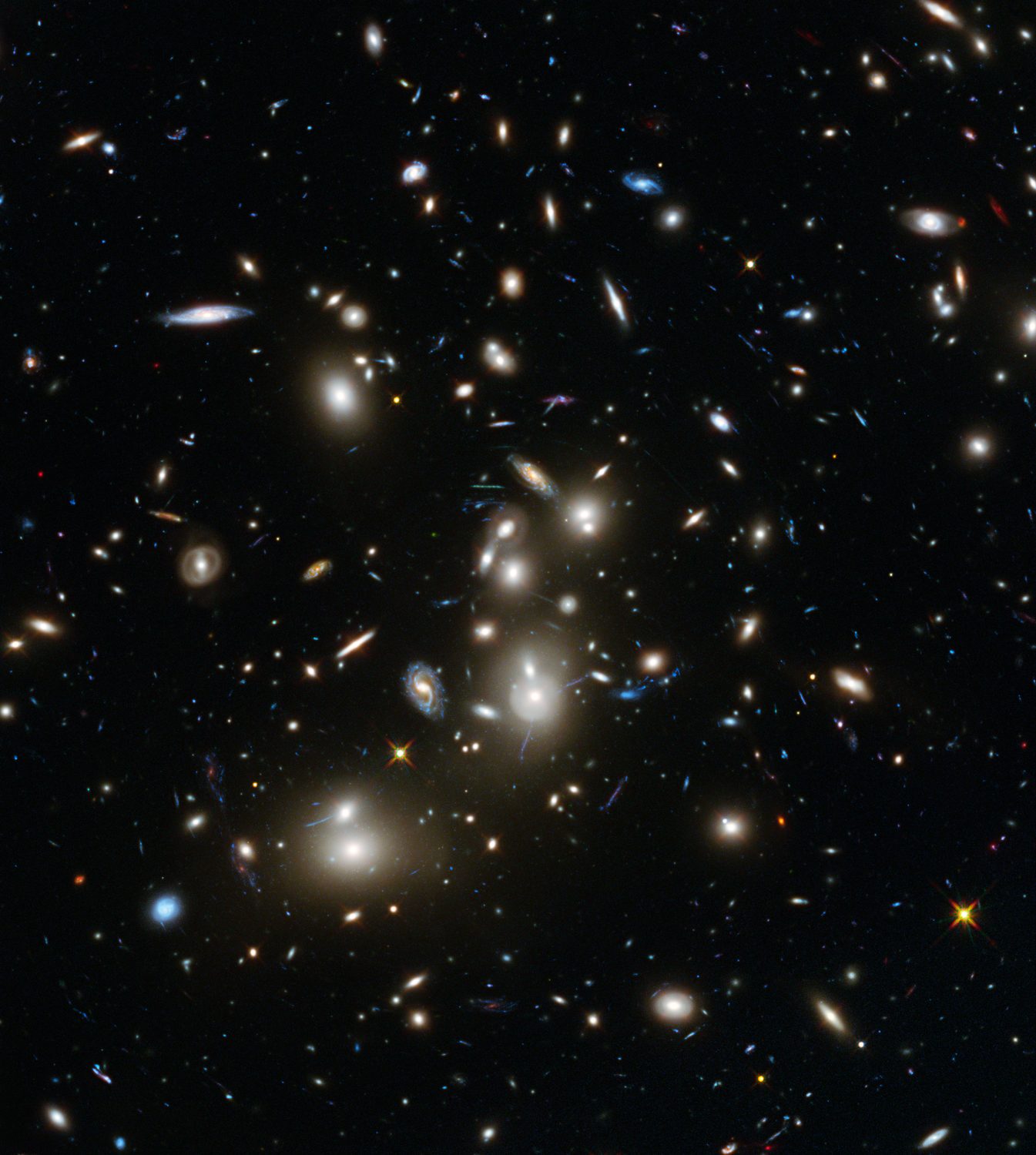
Credit: NASA, ESA, and J. Lotz, M. Mountain, A. Koekemoer, and the HFF Team (STScI).
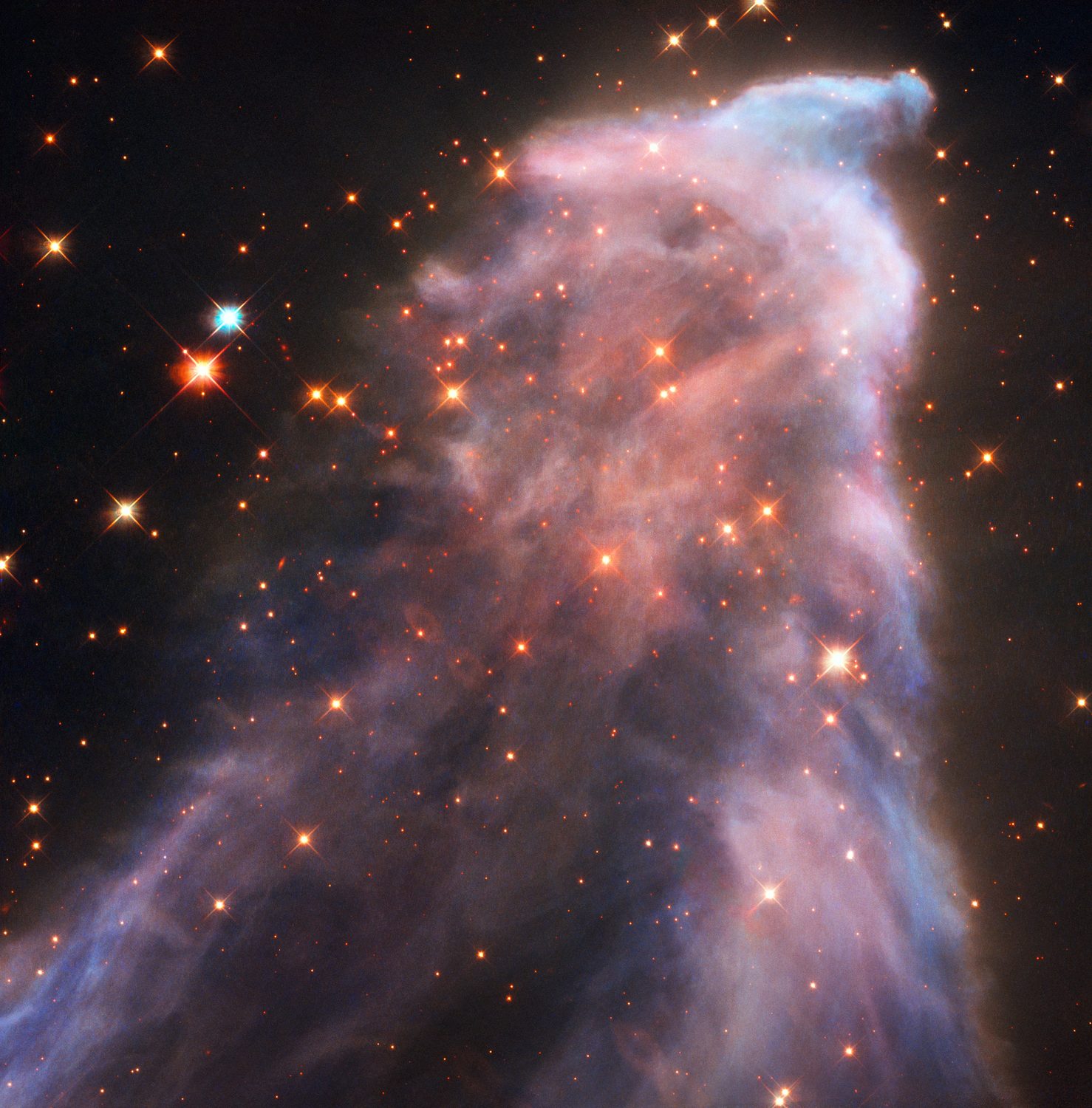
Credit: ESA/Hubble, NASA
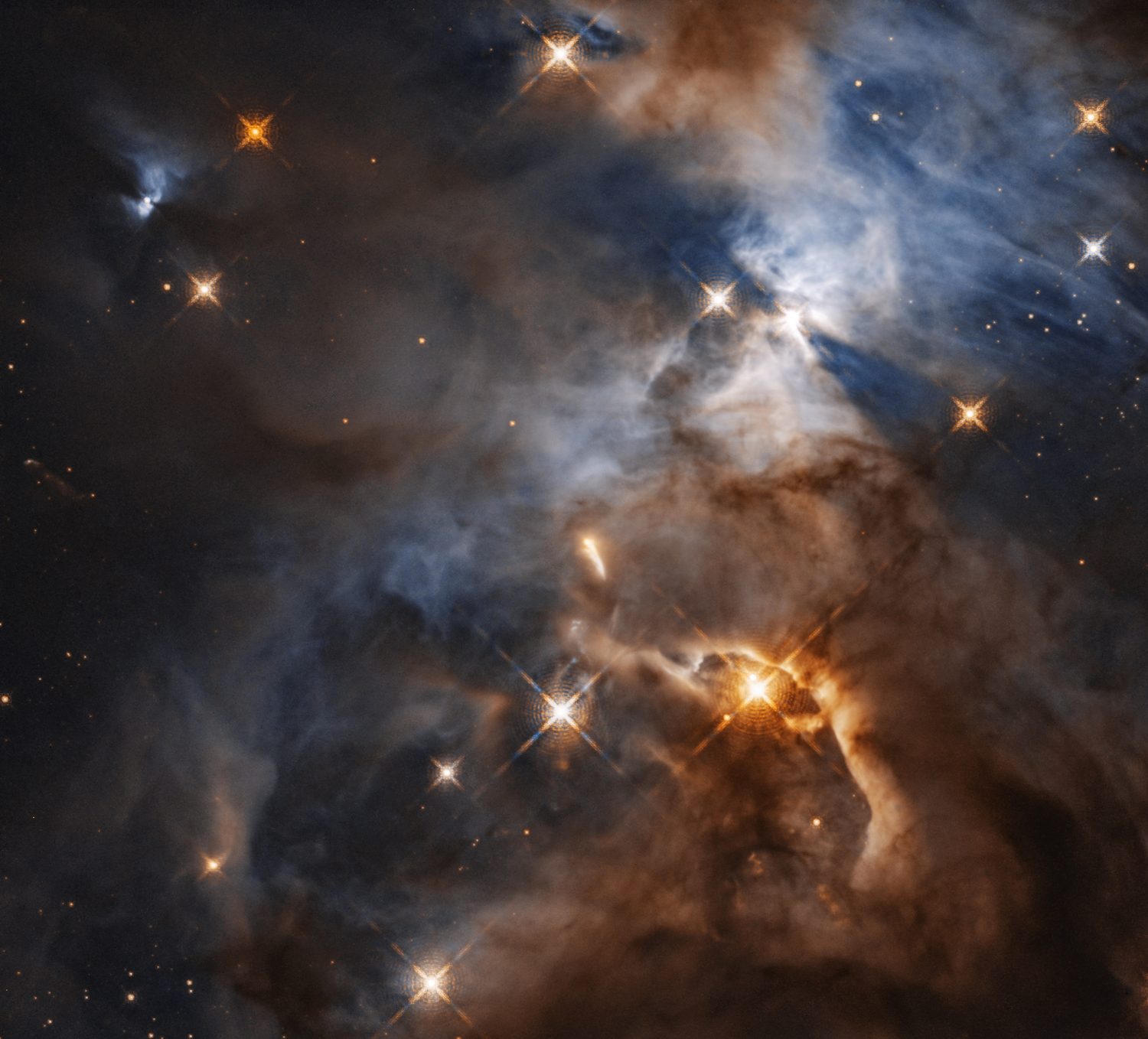
Credit: NASA, ESA, and STScI
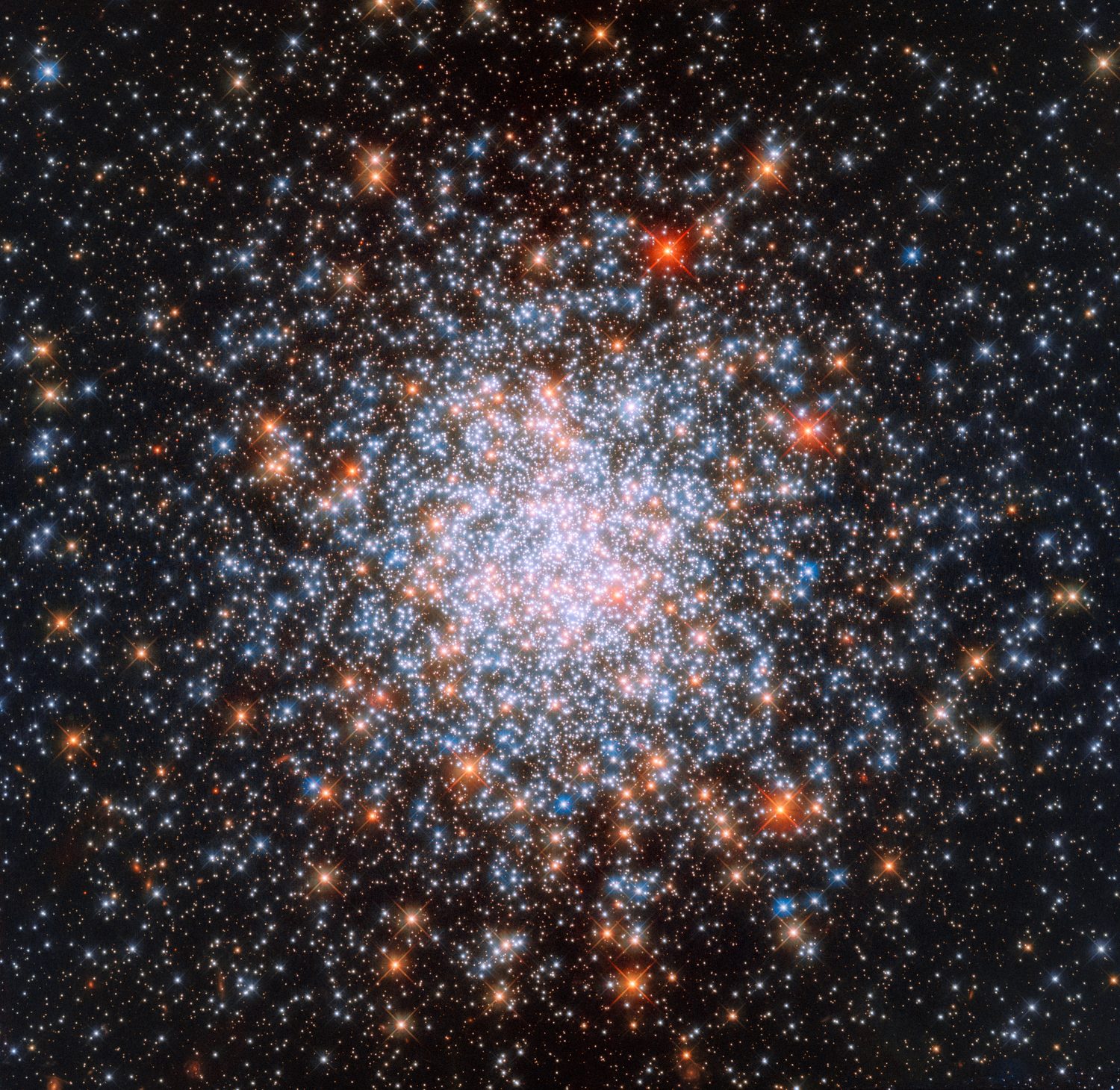
Credit: ESA/Hubble & NASA
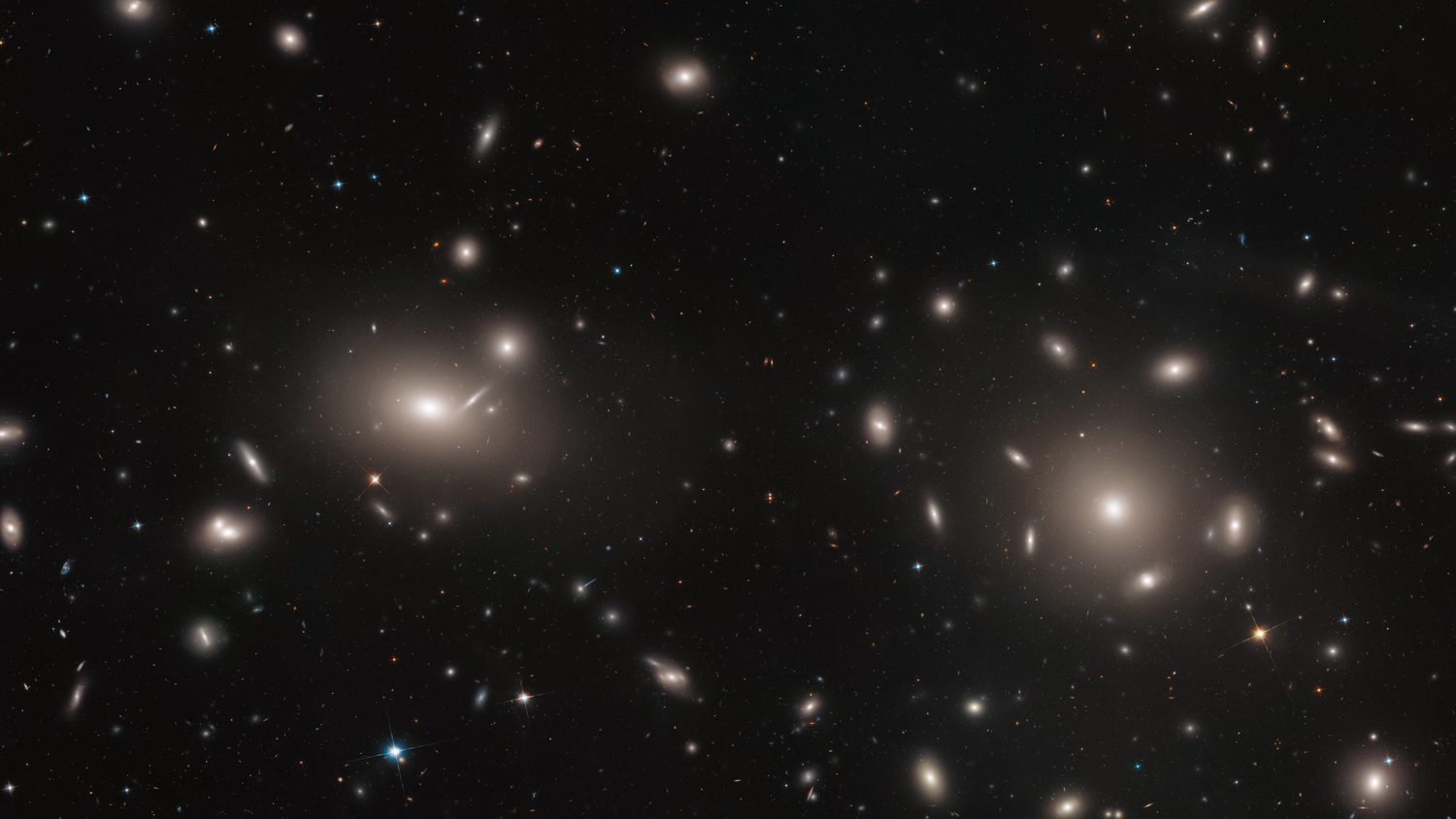
Credit: NASA, ESA, J. Mack, and J. Madrid et al.
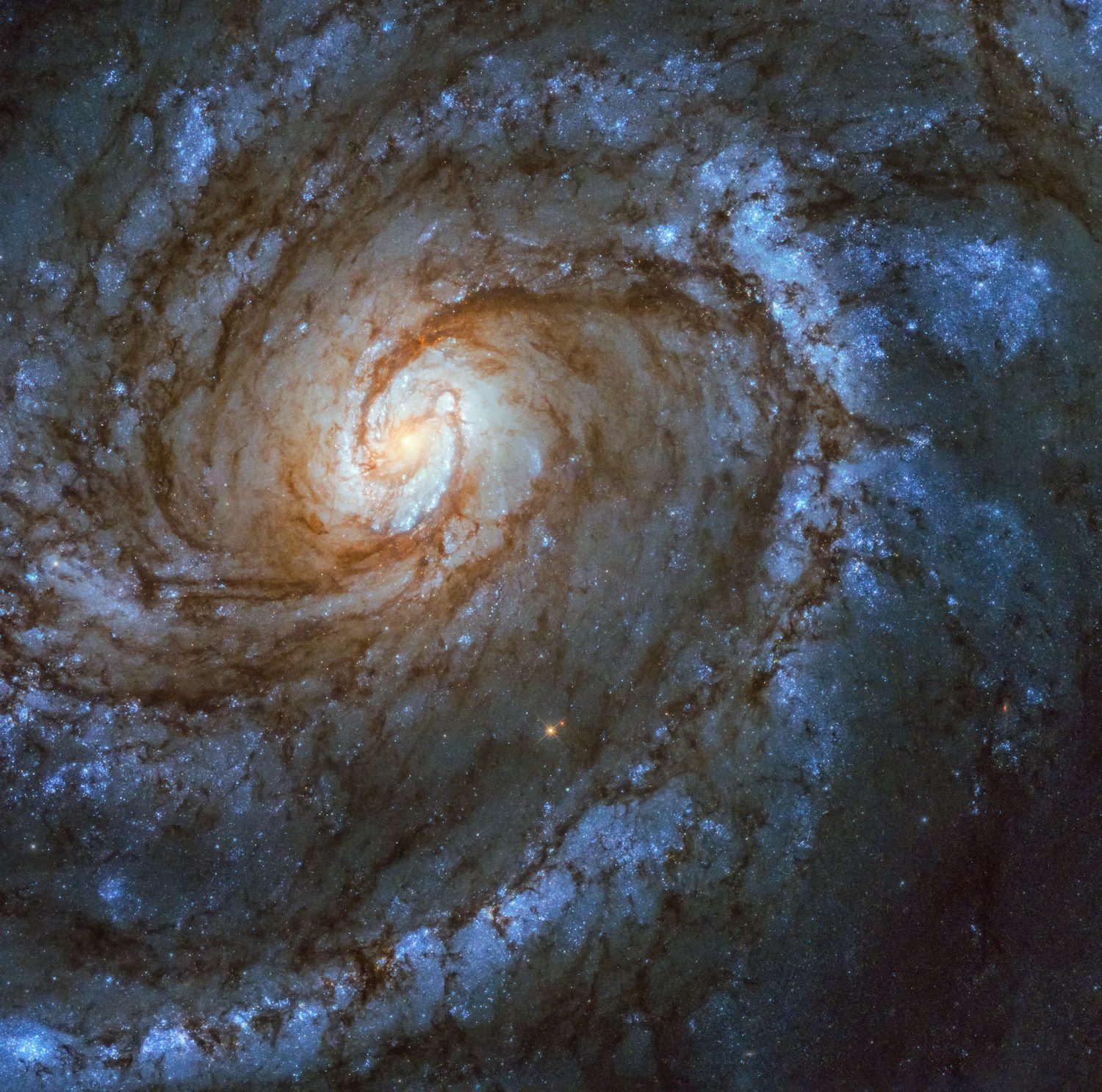
Credit: NASA, ESA
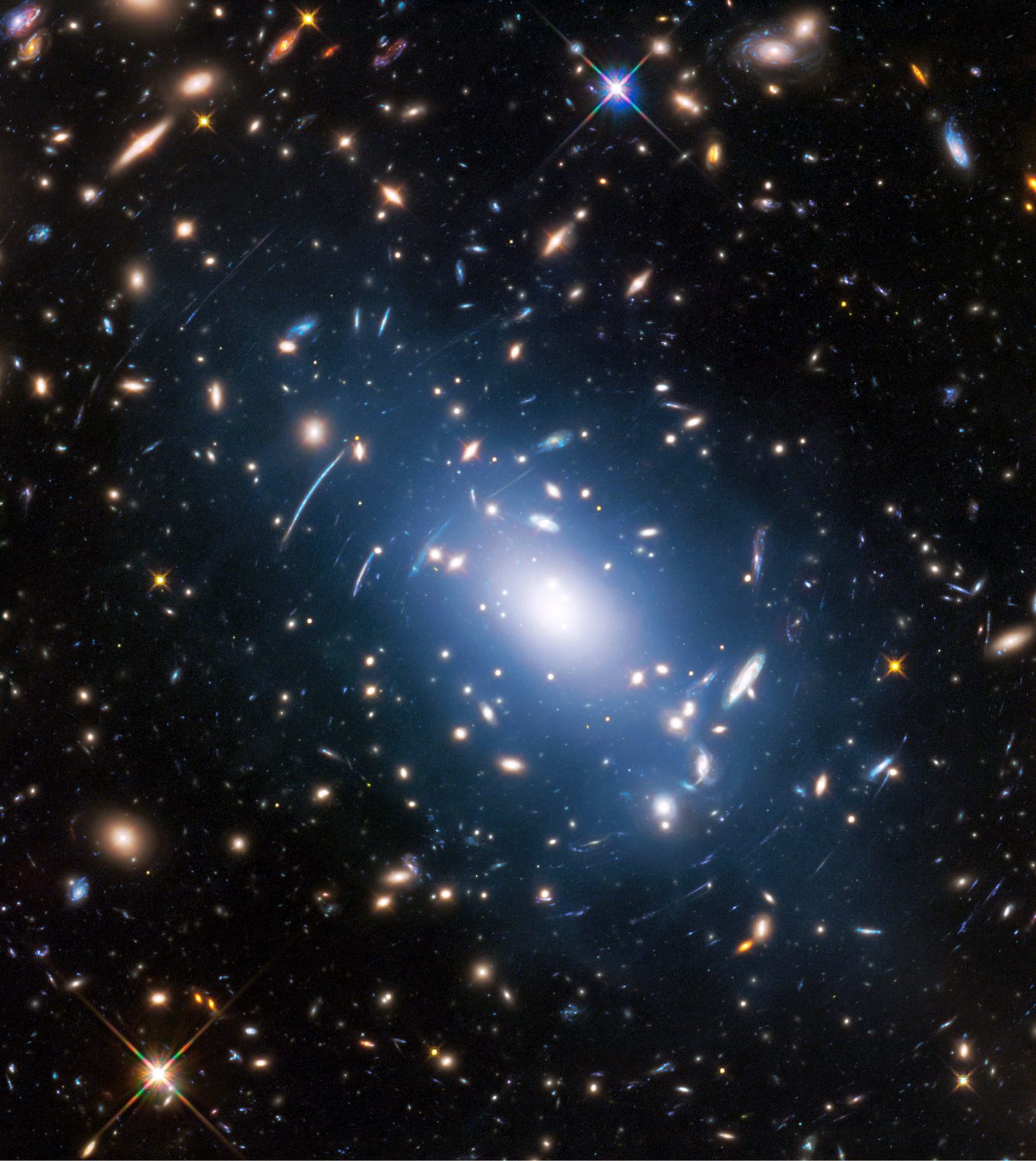
Credit: NASA, ESA, and M. Montes (University of New South Wales, Sydney, Australia)
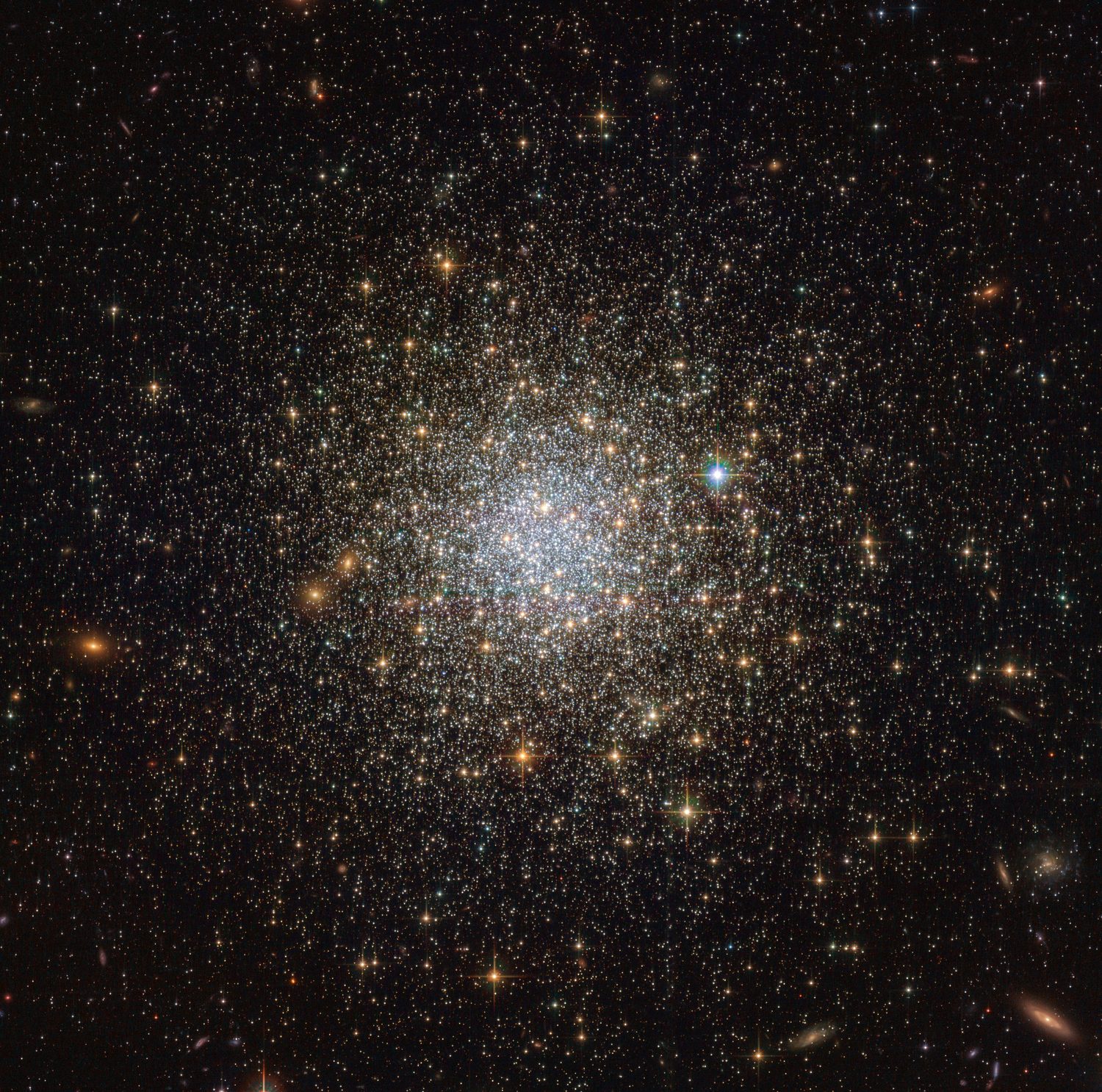
Credit: ESA/Hubble & NASA
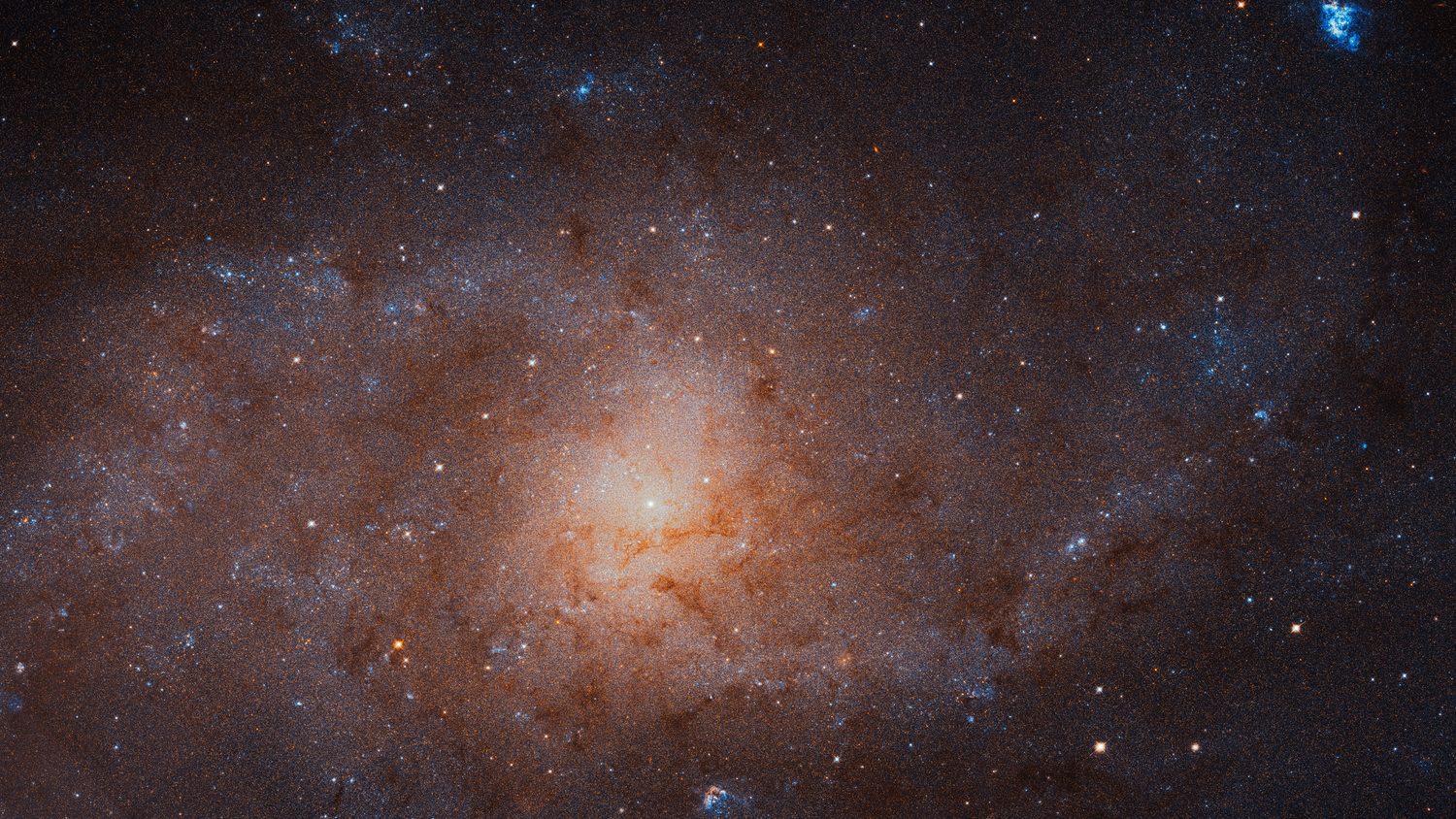
Credit: NASA, ESA, and M. Durbin, J. Dalcanton, and B. F. Williams (University of Washington)
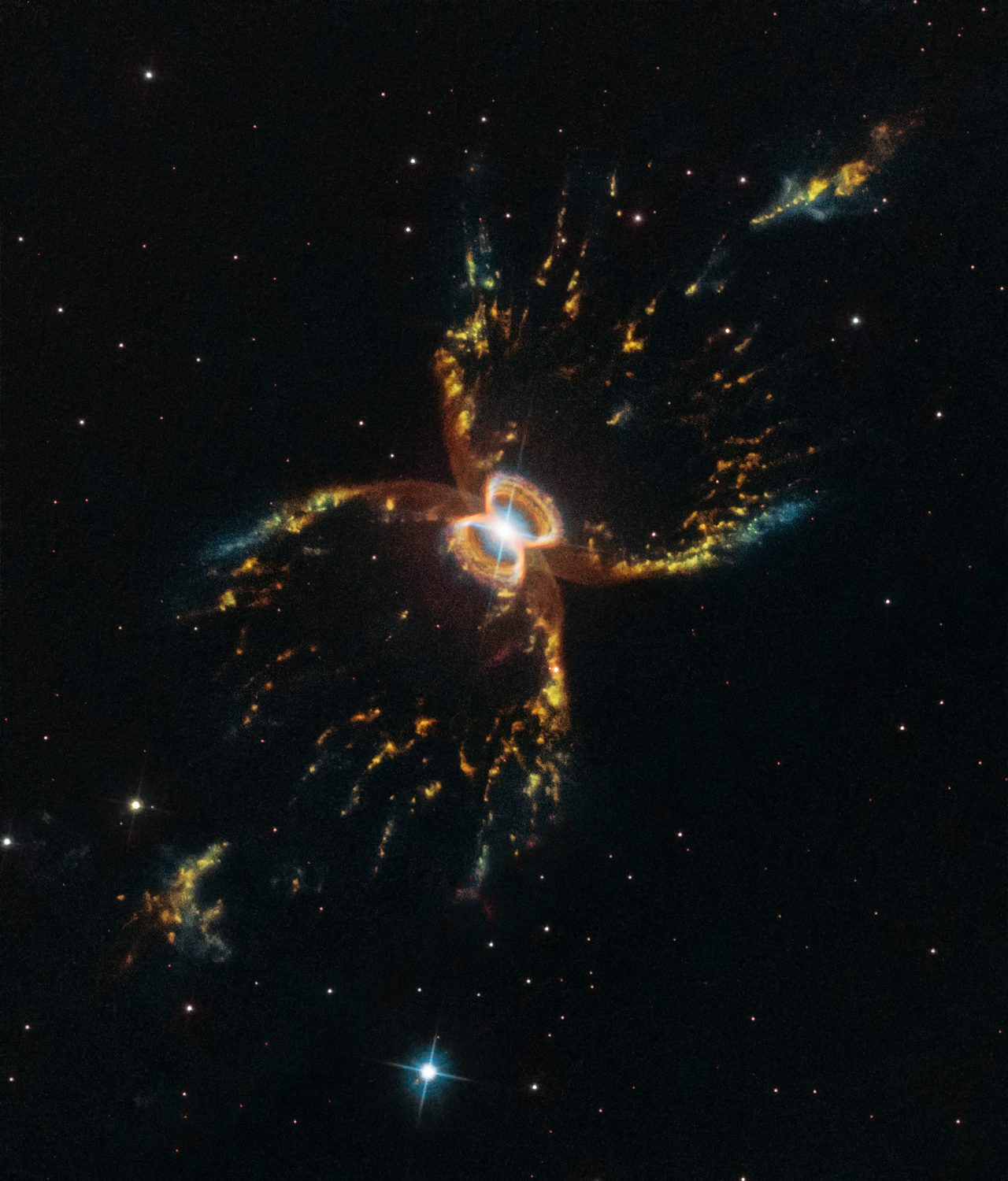
Credit: NASA, ESA, and STScI
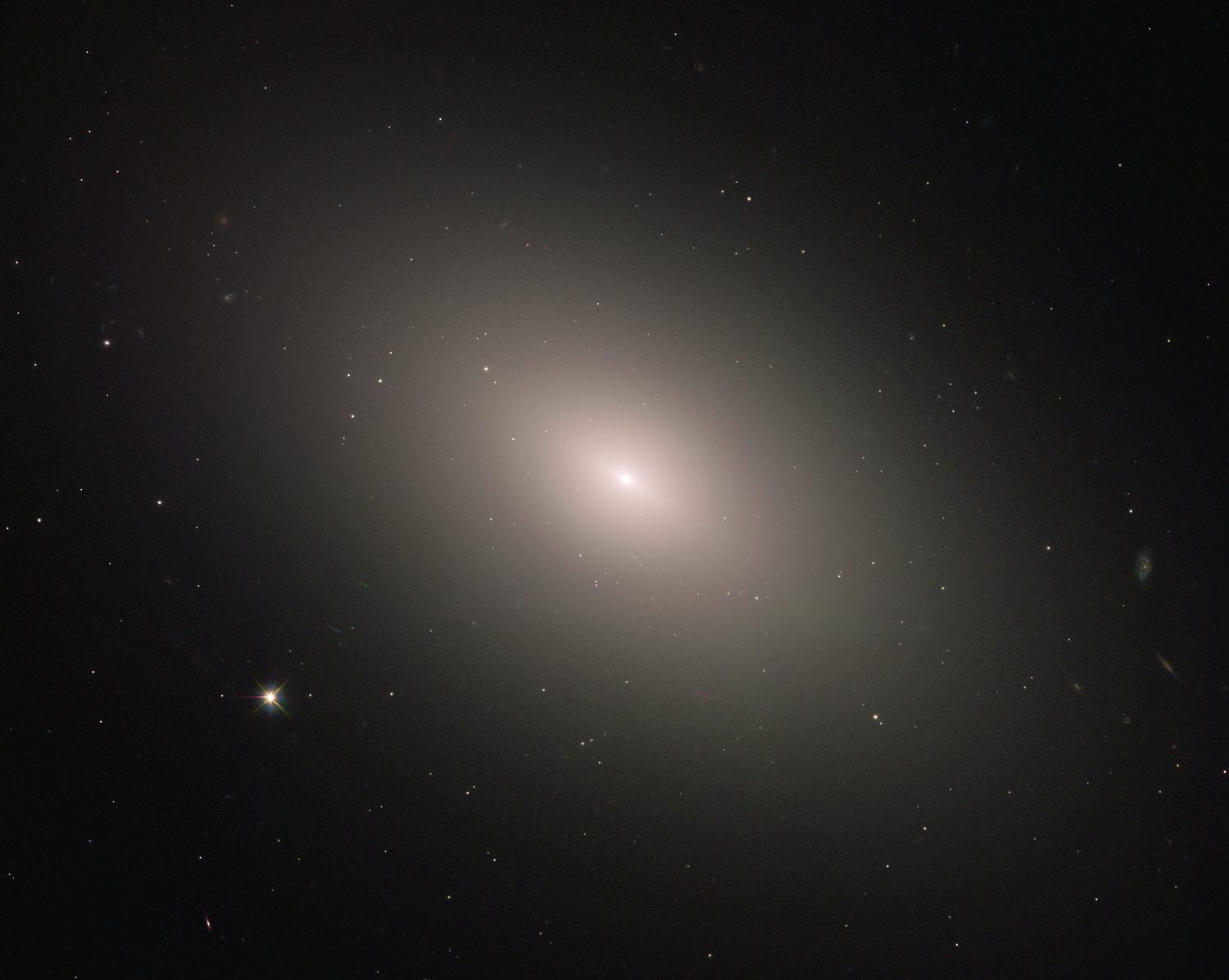
Credit: ESA/Hubble & NASA, P. Cote
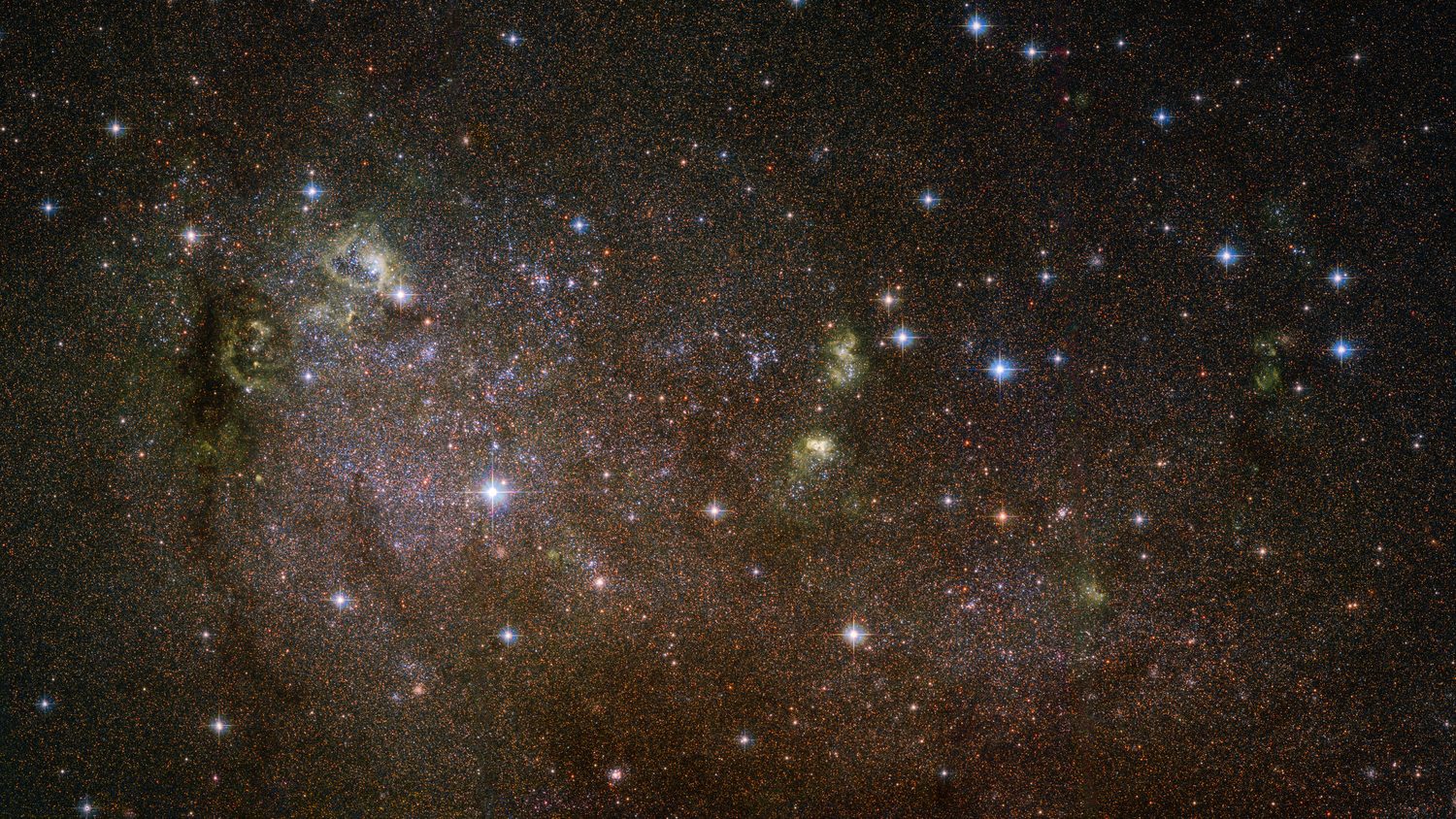
Credit: NASA, ESA and F. Bauer
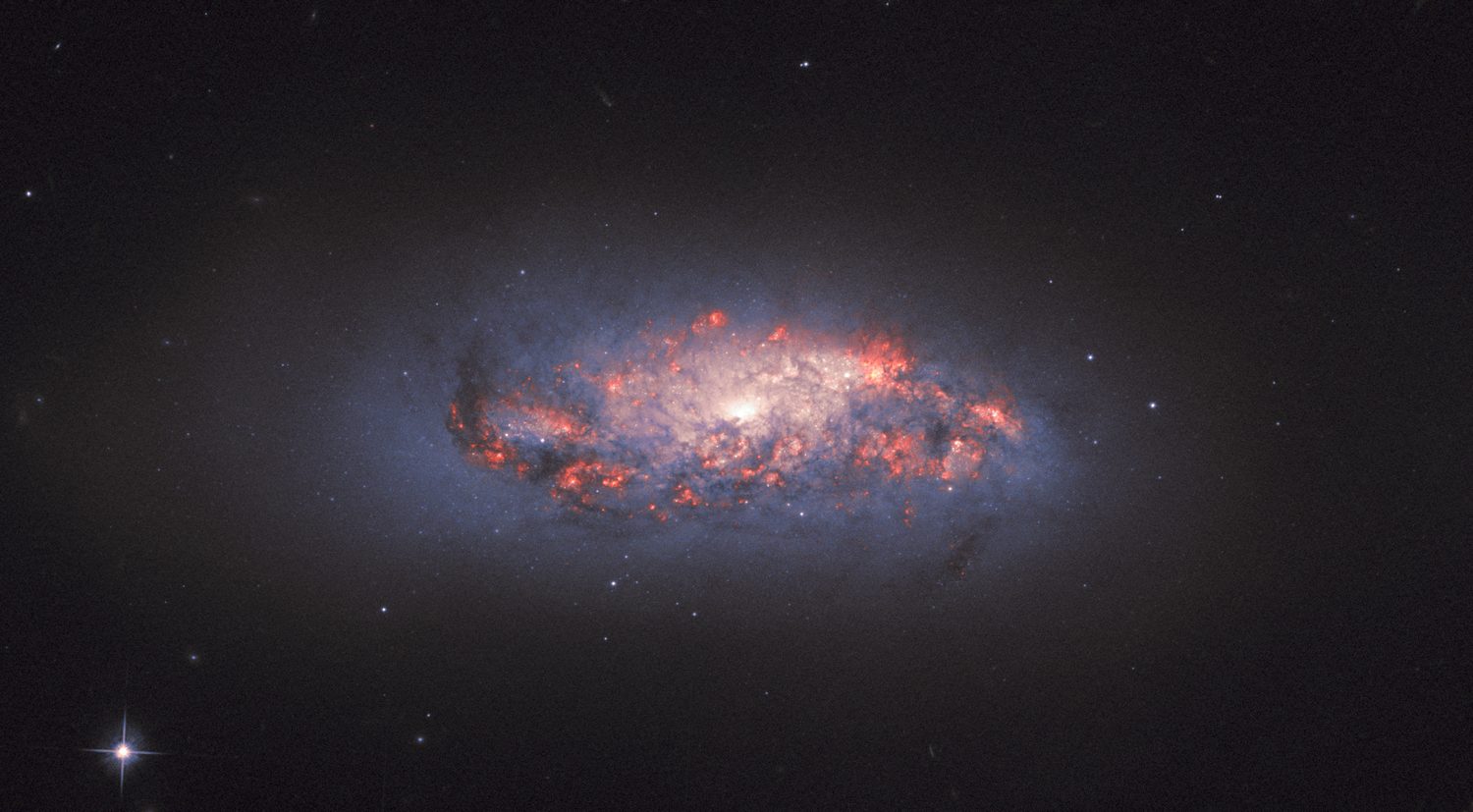
Credit: ESA/Hubble, NASA, L. Ho
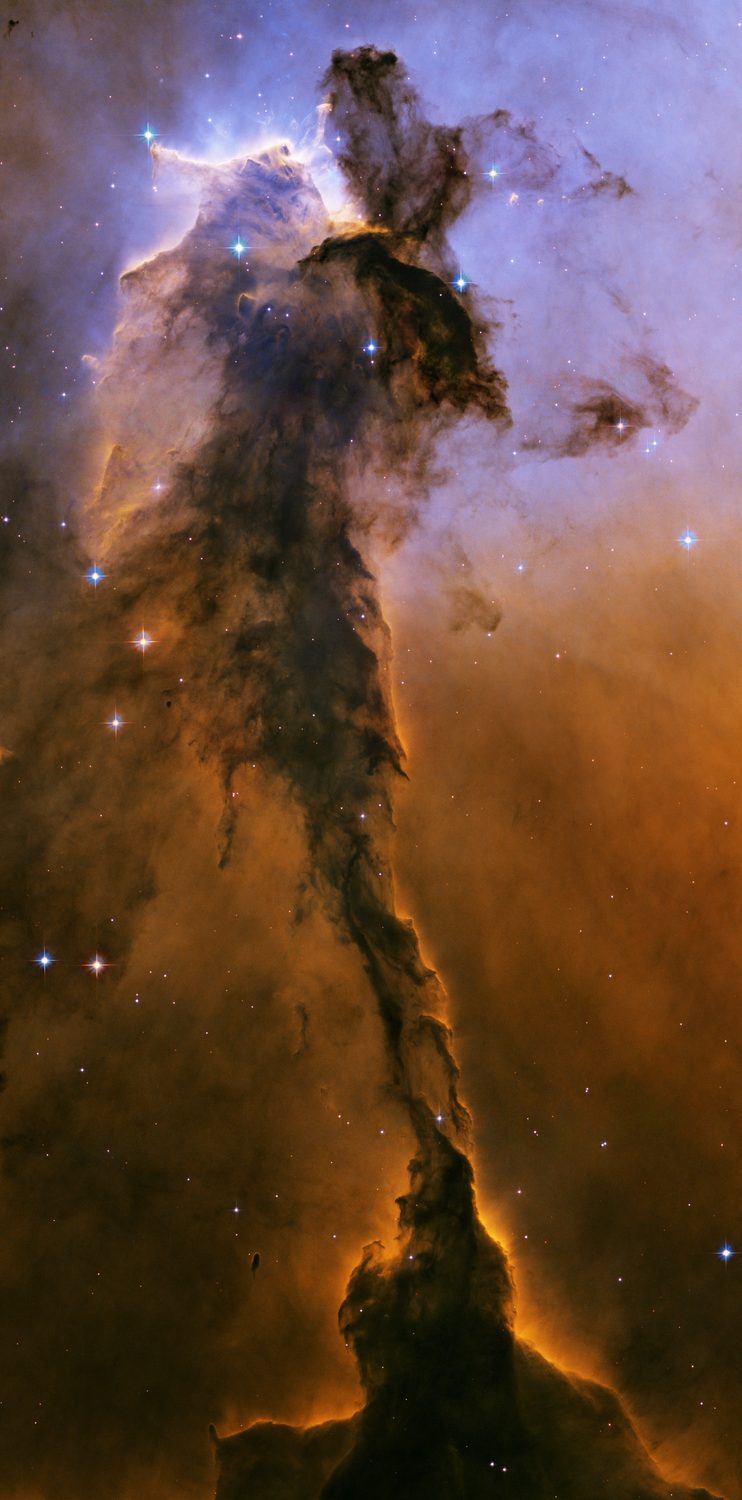
Credit: NASA, ESA, and The Hubble Heritage Team (STScI/AURA)
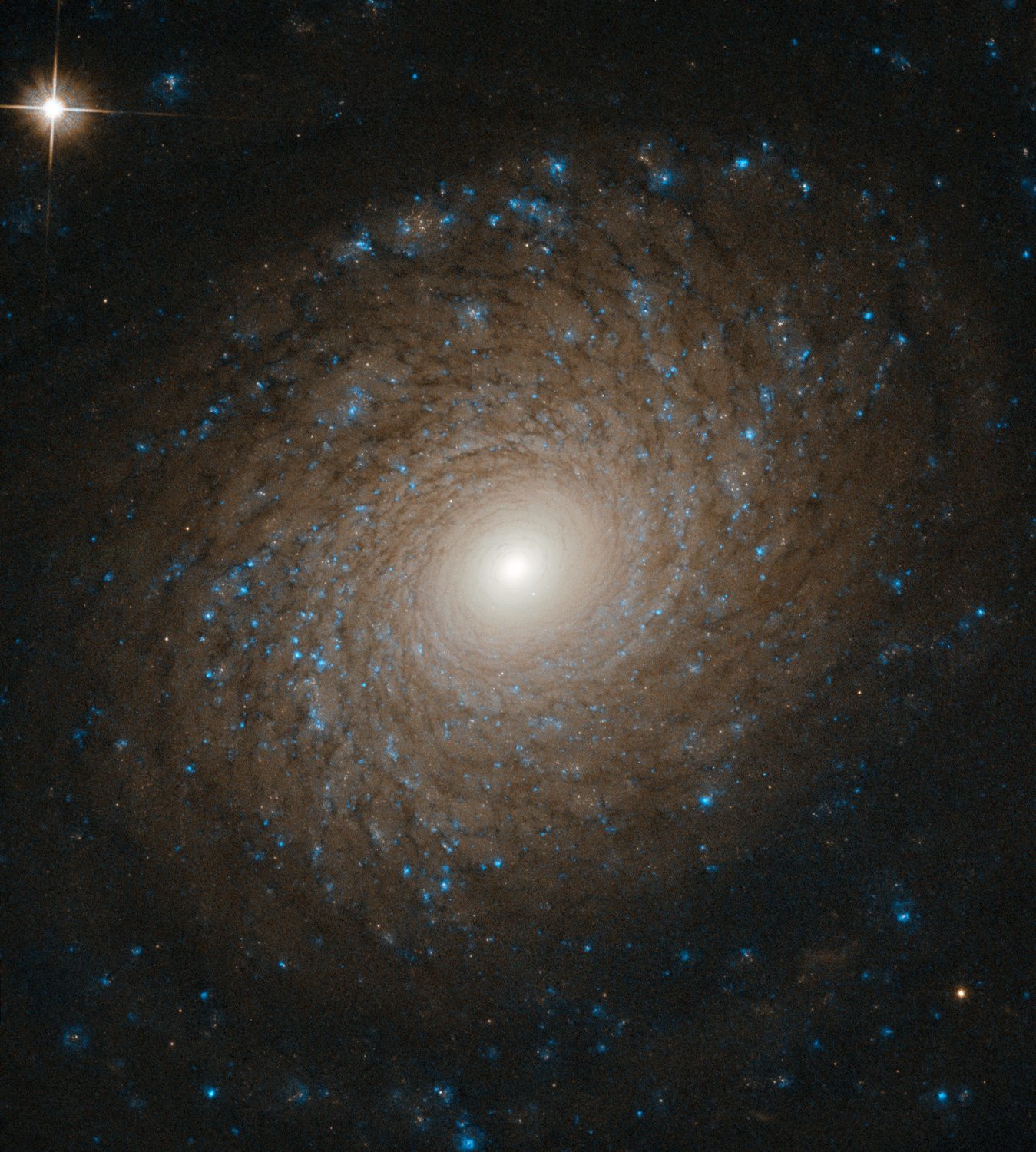
Credit: ESA/Hubble & NASA, L. Ho
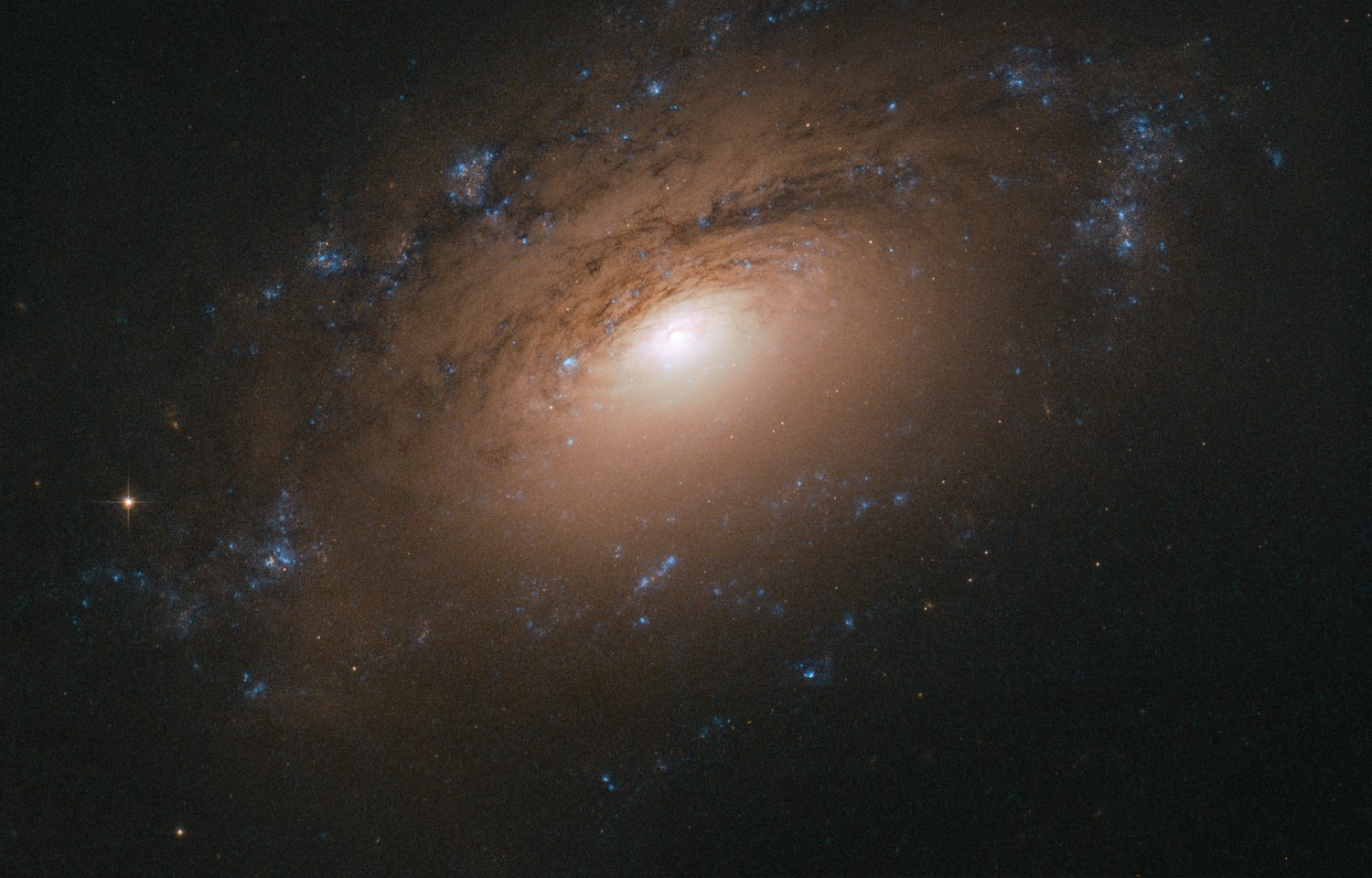
Credit: ESA/Hubble & NASA, L. Ho
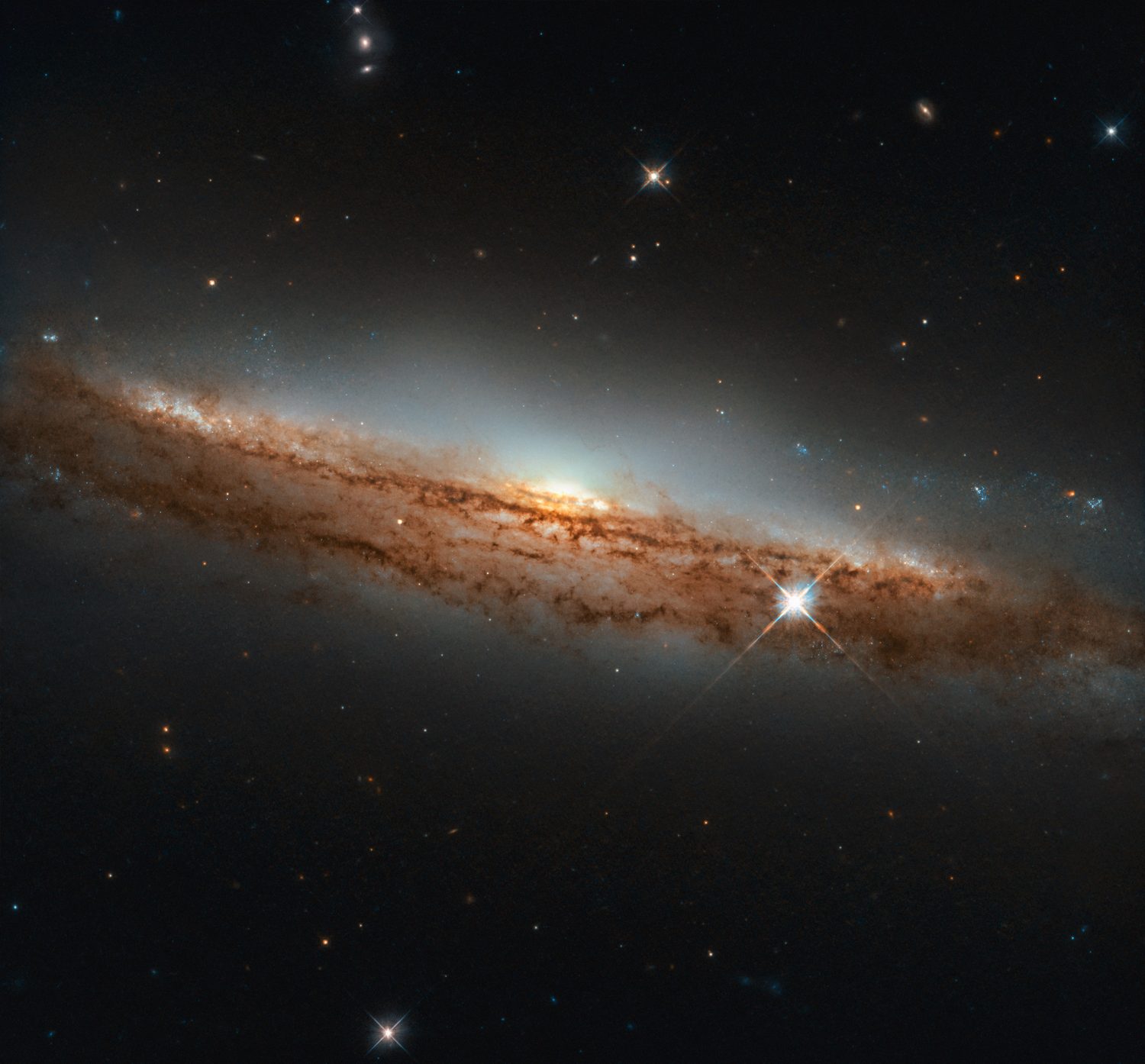
Credit: ESA/Hubble & NASA, D. Rosario
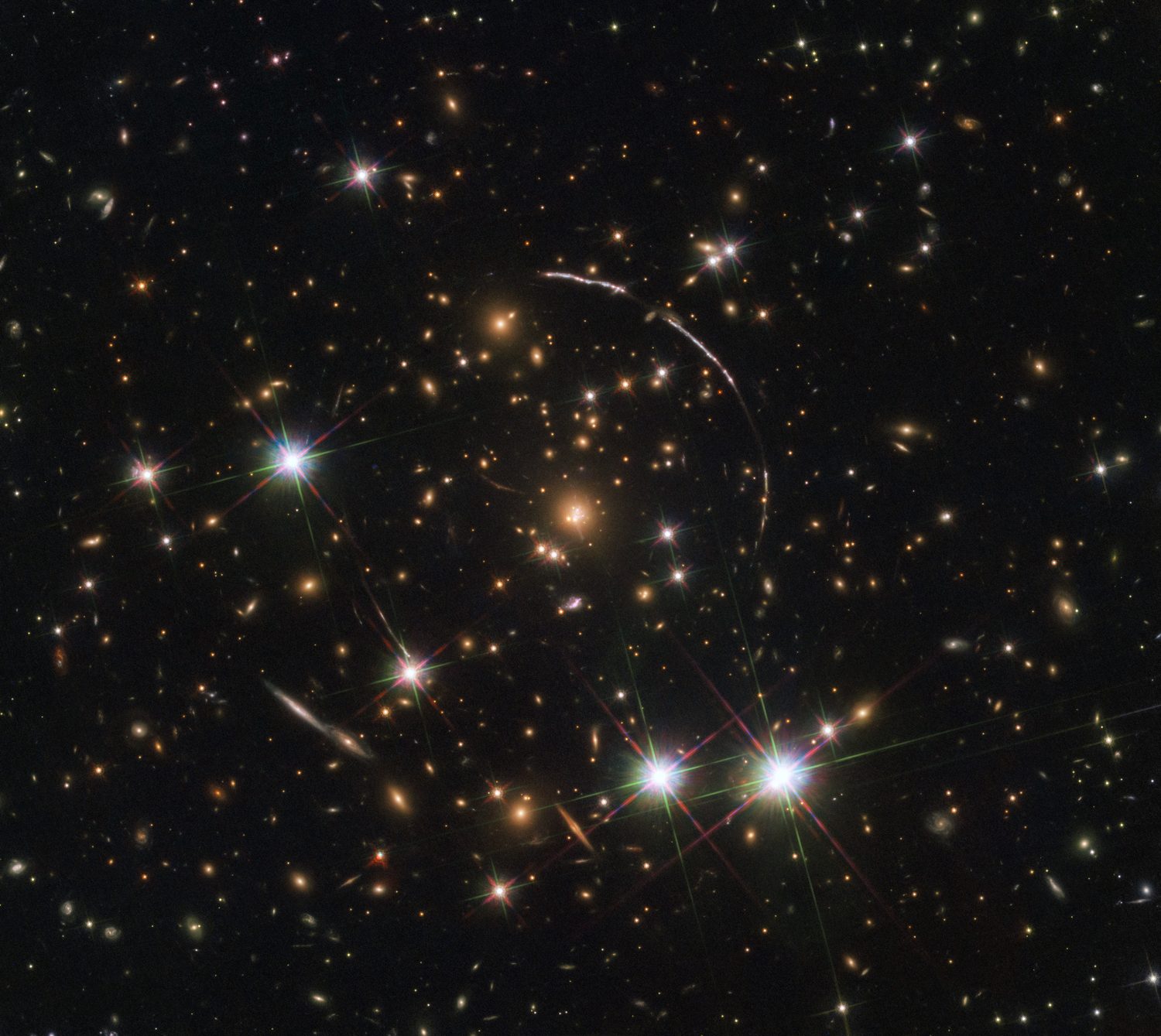
Credit: ESA/Hubble, NASA, Rivera-Thorsen et al.
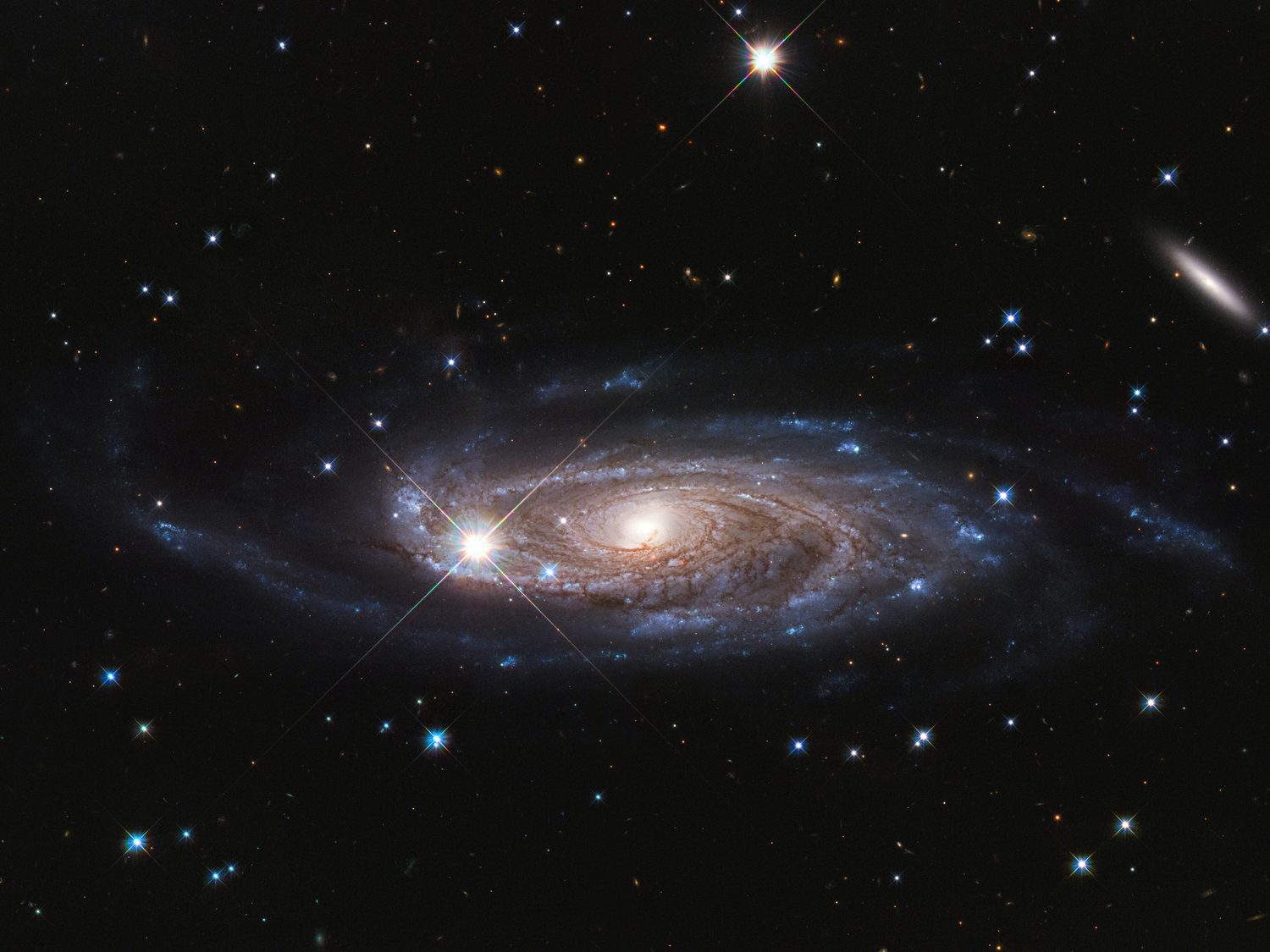
Credit: NASA, ESA, and B. Holwerda (University of Louisville).
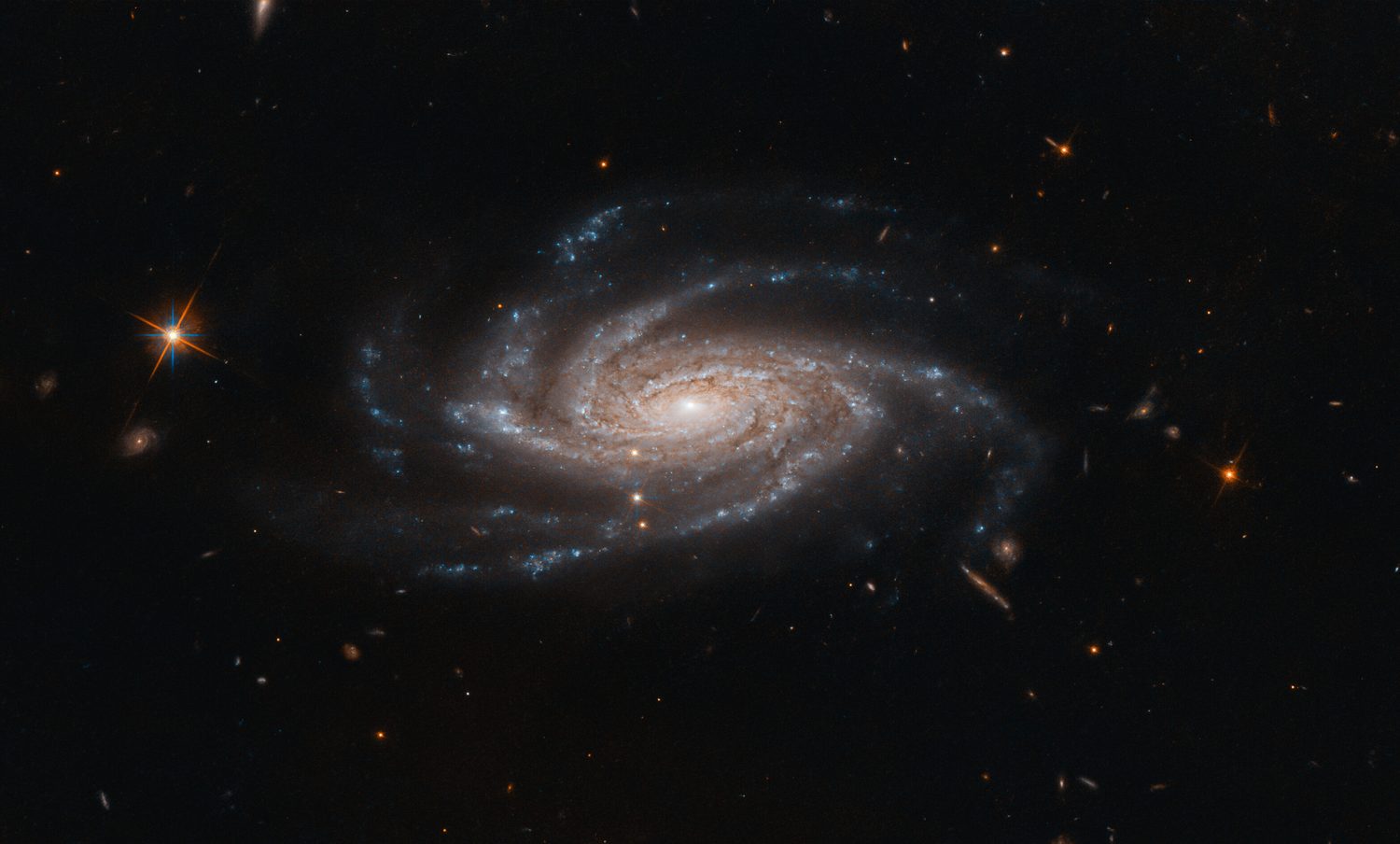
Credit: ESA/Hubble & NASA, A. Bellini
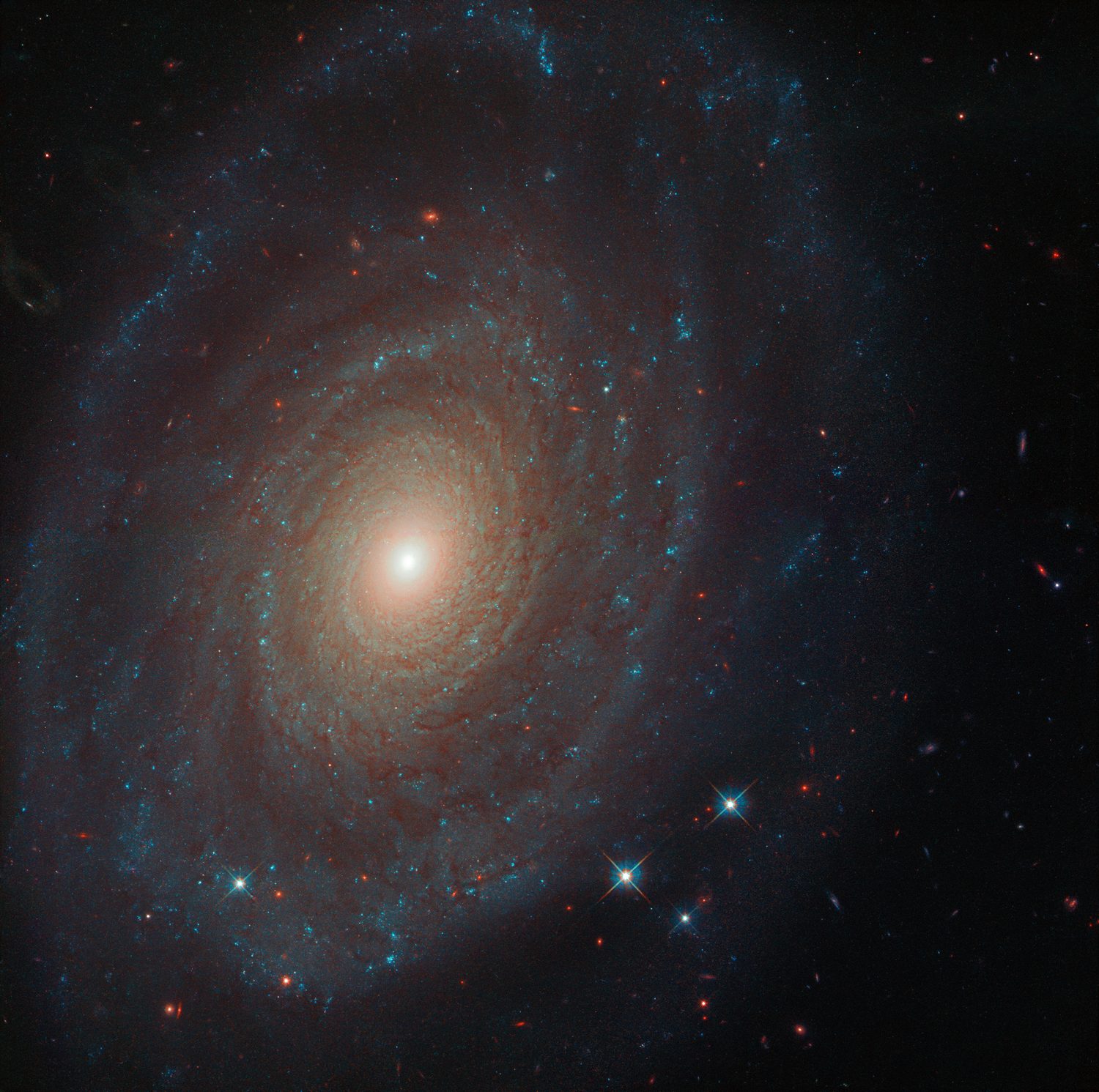
Credit: ESA/Hubble & NASA, A. Riess et al.
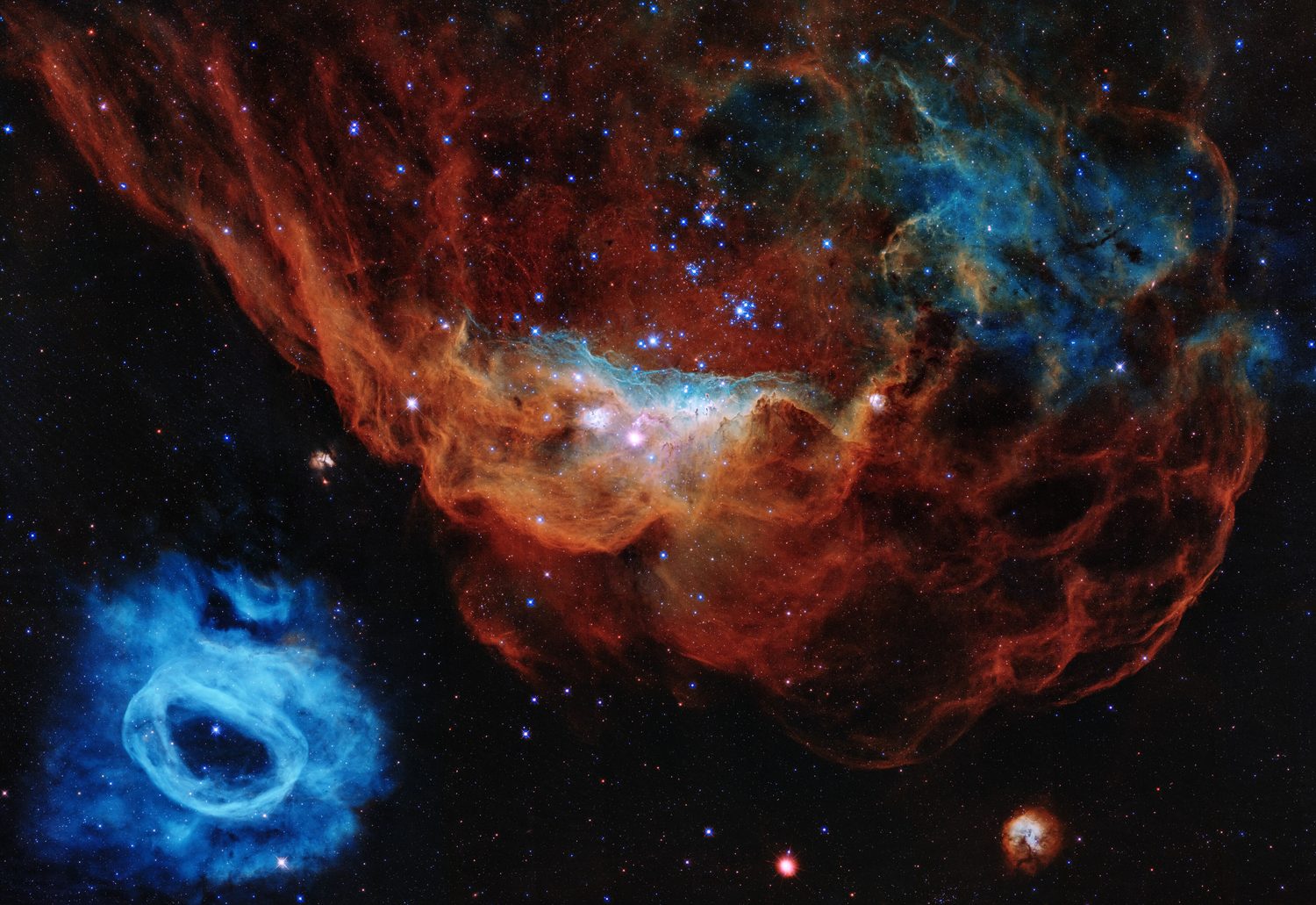
Credit: NASA, ESA, and STScI
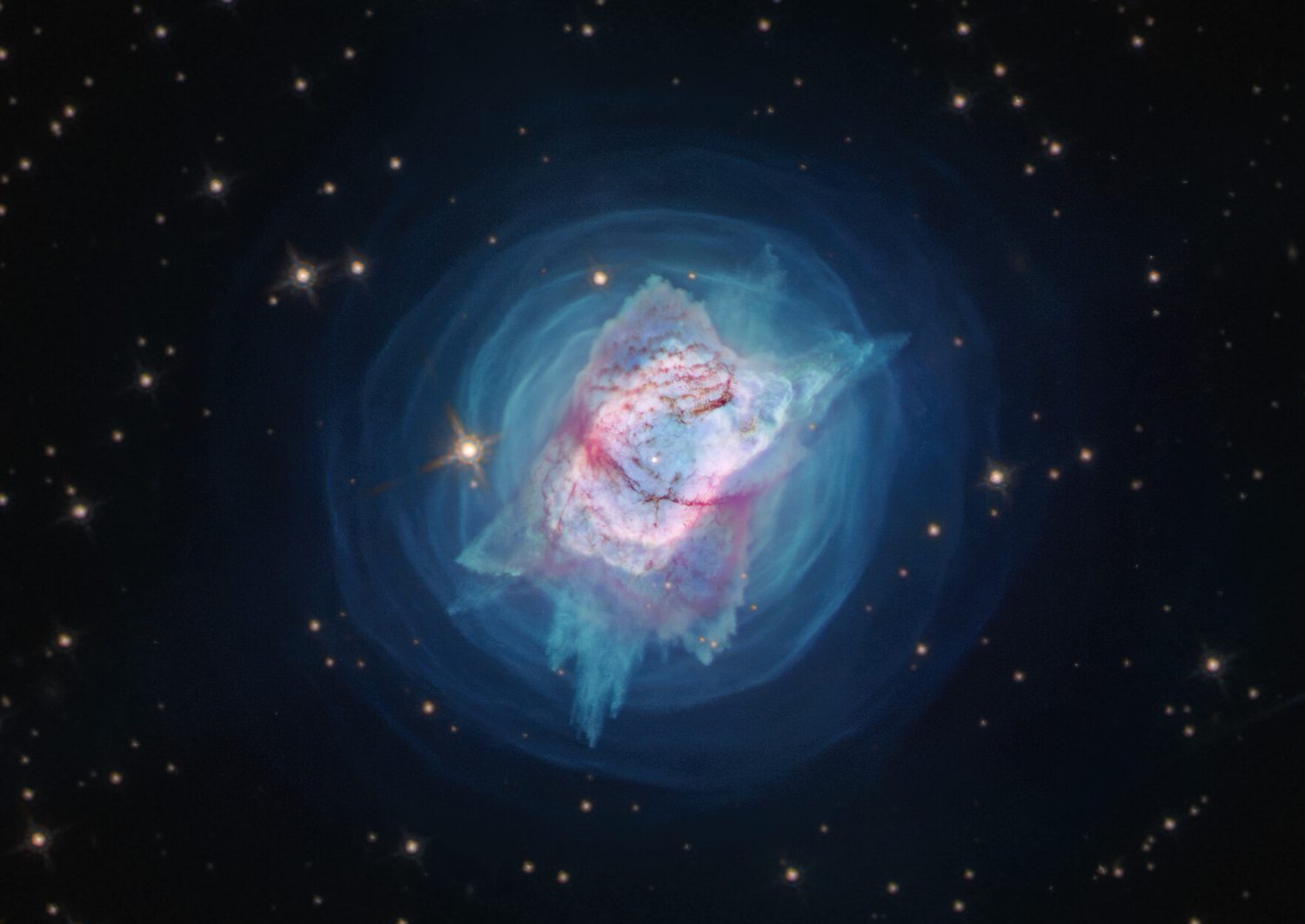
Credit: NASA, ESA, and J. Kastner (RIT)
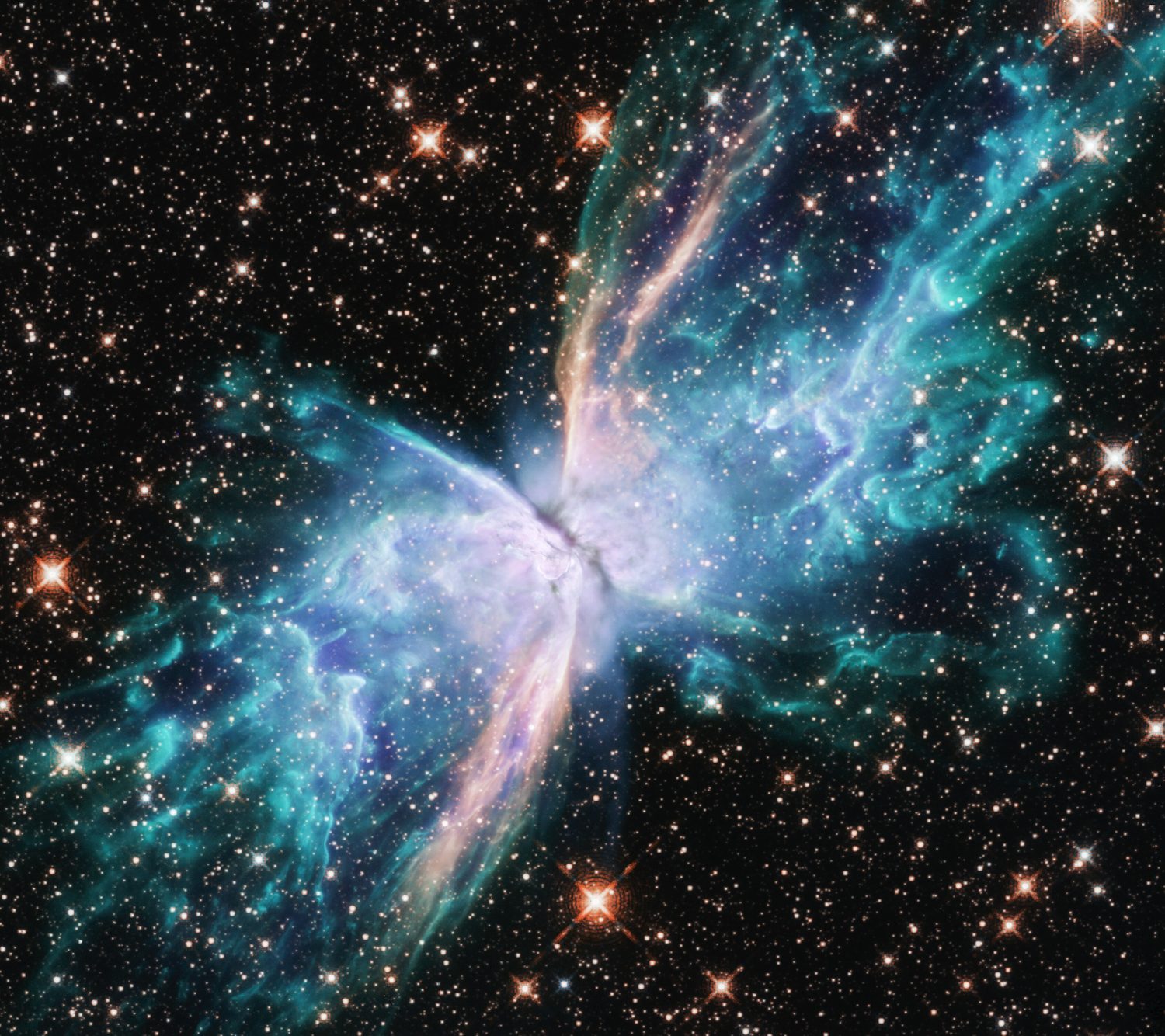
Credit: NASA, ESA, and J. Kastner (RIT)
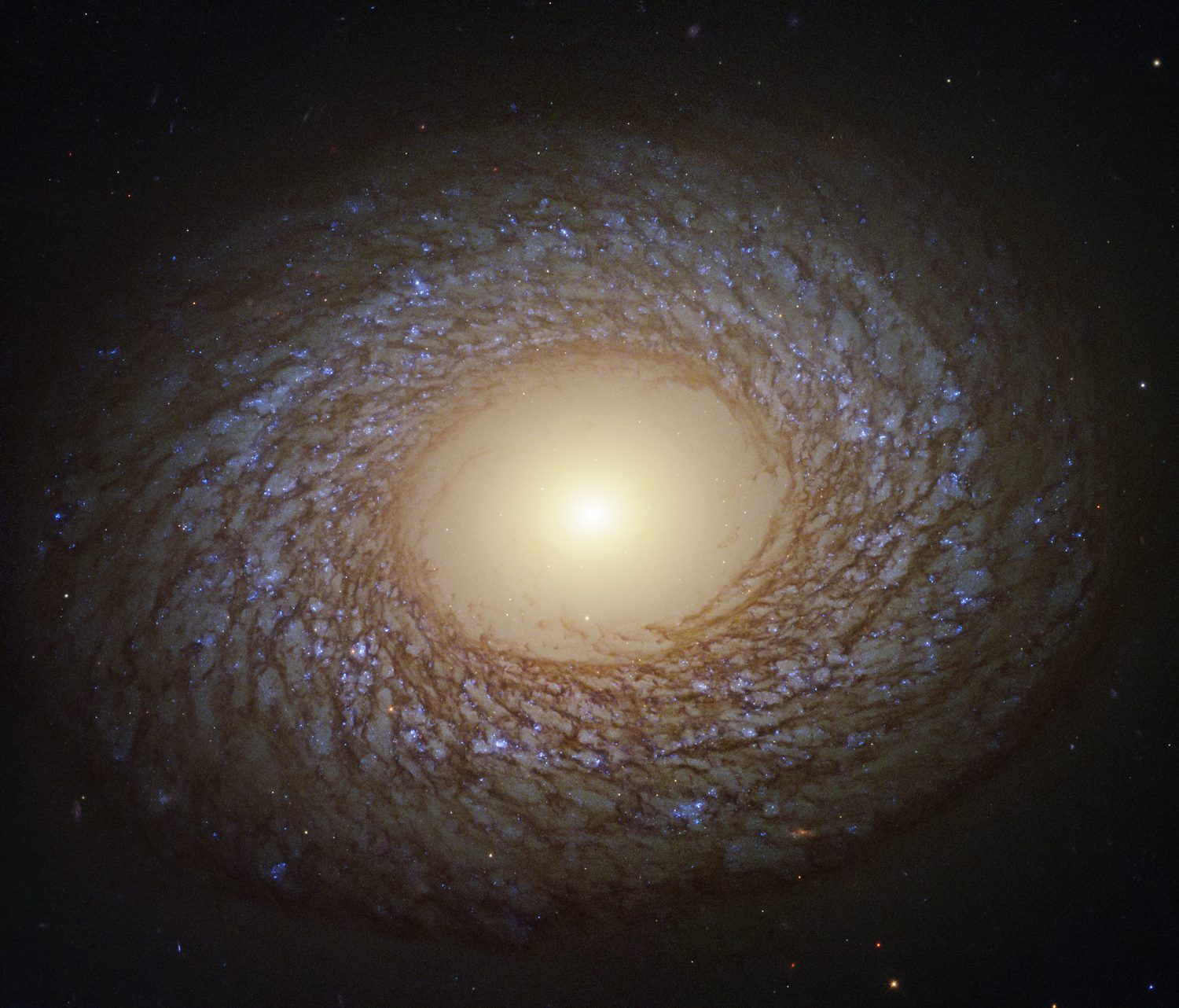
Credit: ESA/Hubble & NASA, J. Lee and the PHANGS-HST TeamAcknowledgement: Judy Schmidt (Geckzilla)
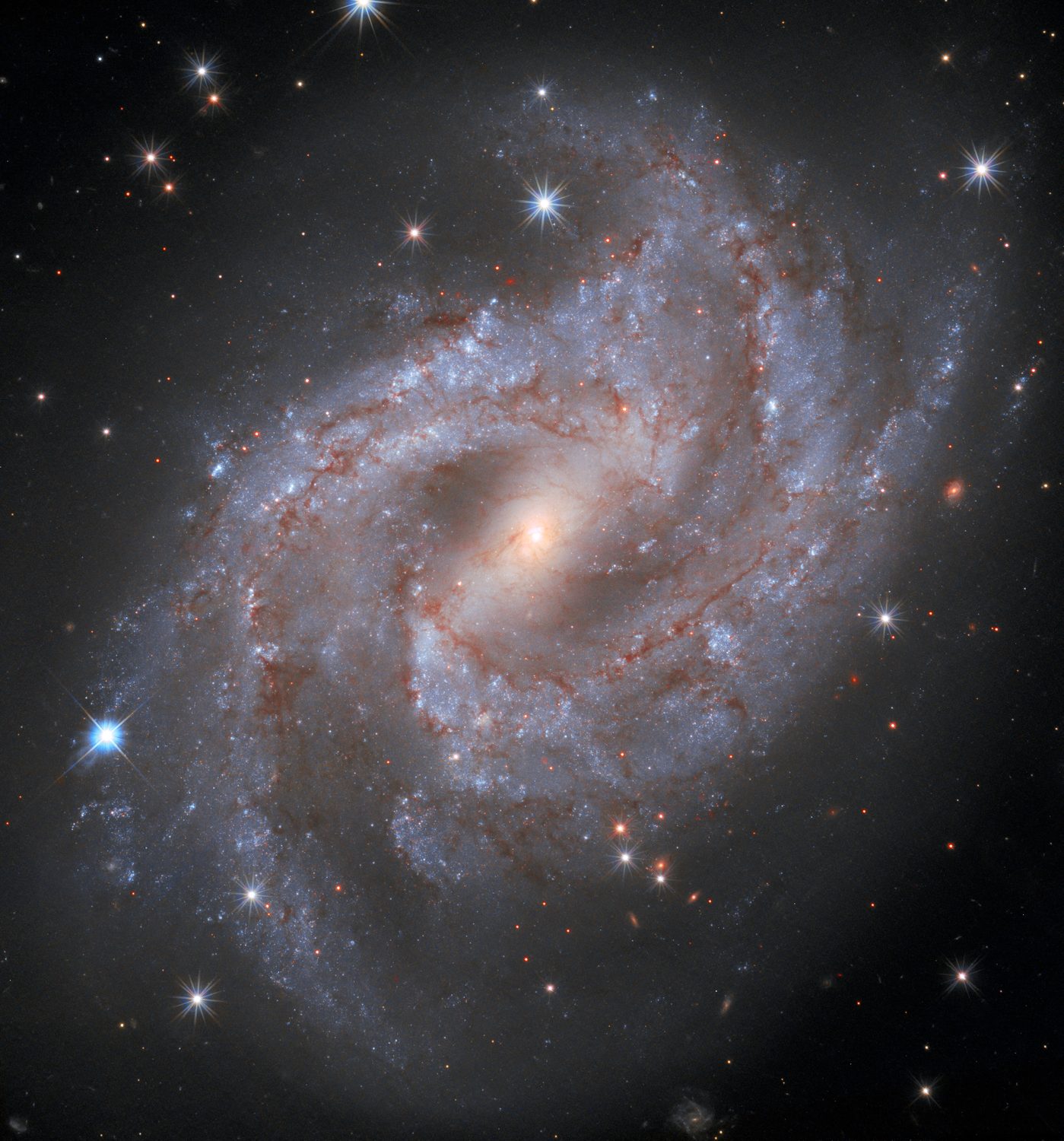
Credit: ESA/Hubble & NASA, A. Riess and the SH0ES teamAcknowledgment: Mahdi Zamani
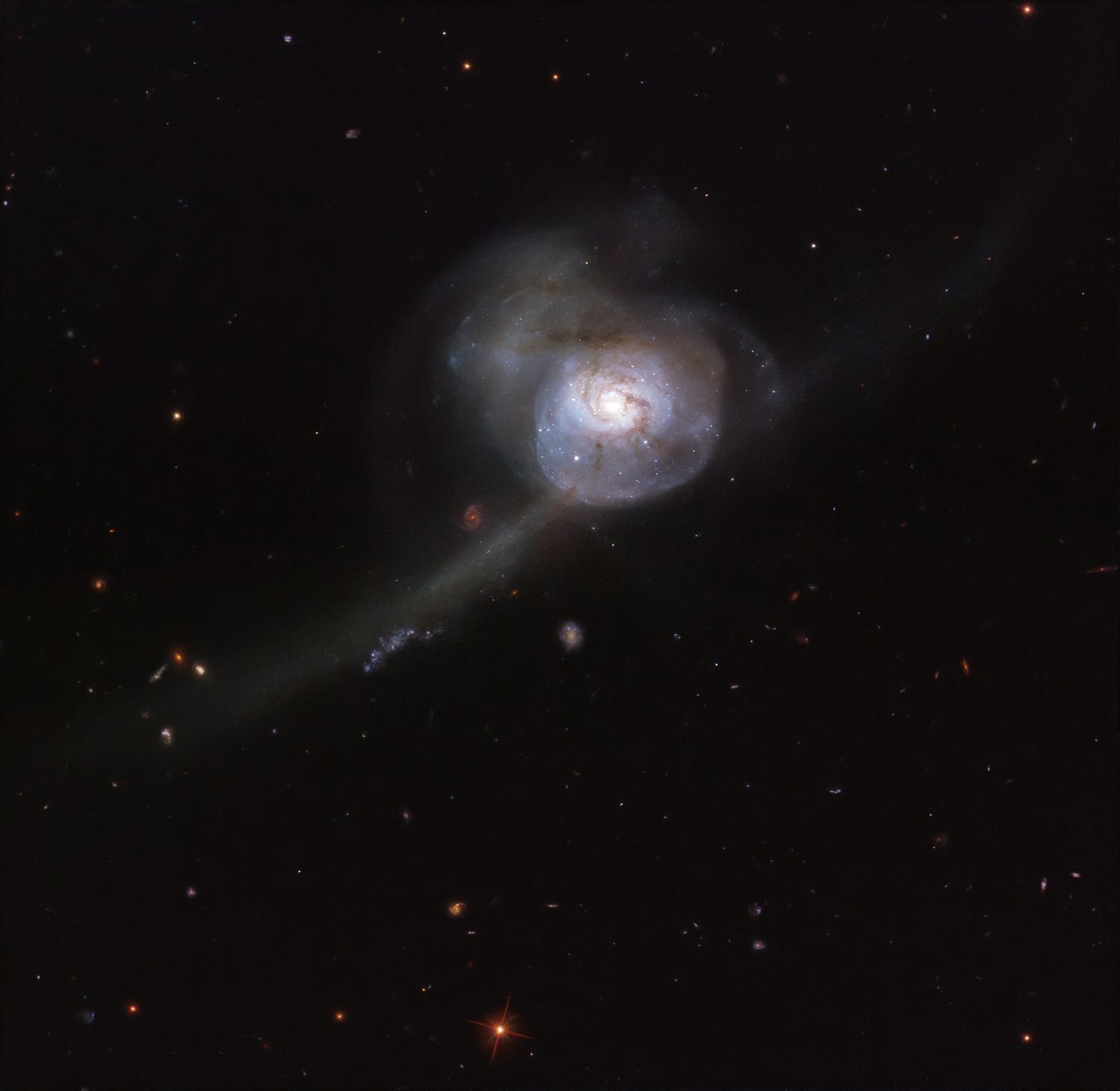
Credit: ESA/Hubble & NASA, A. Adamo et al.
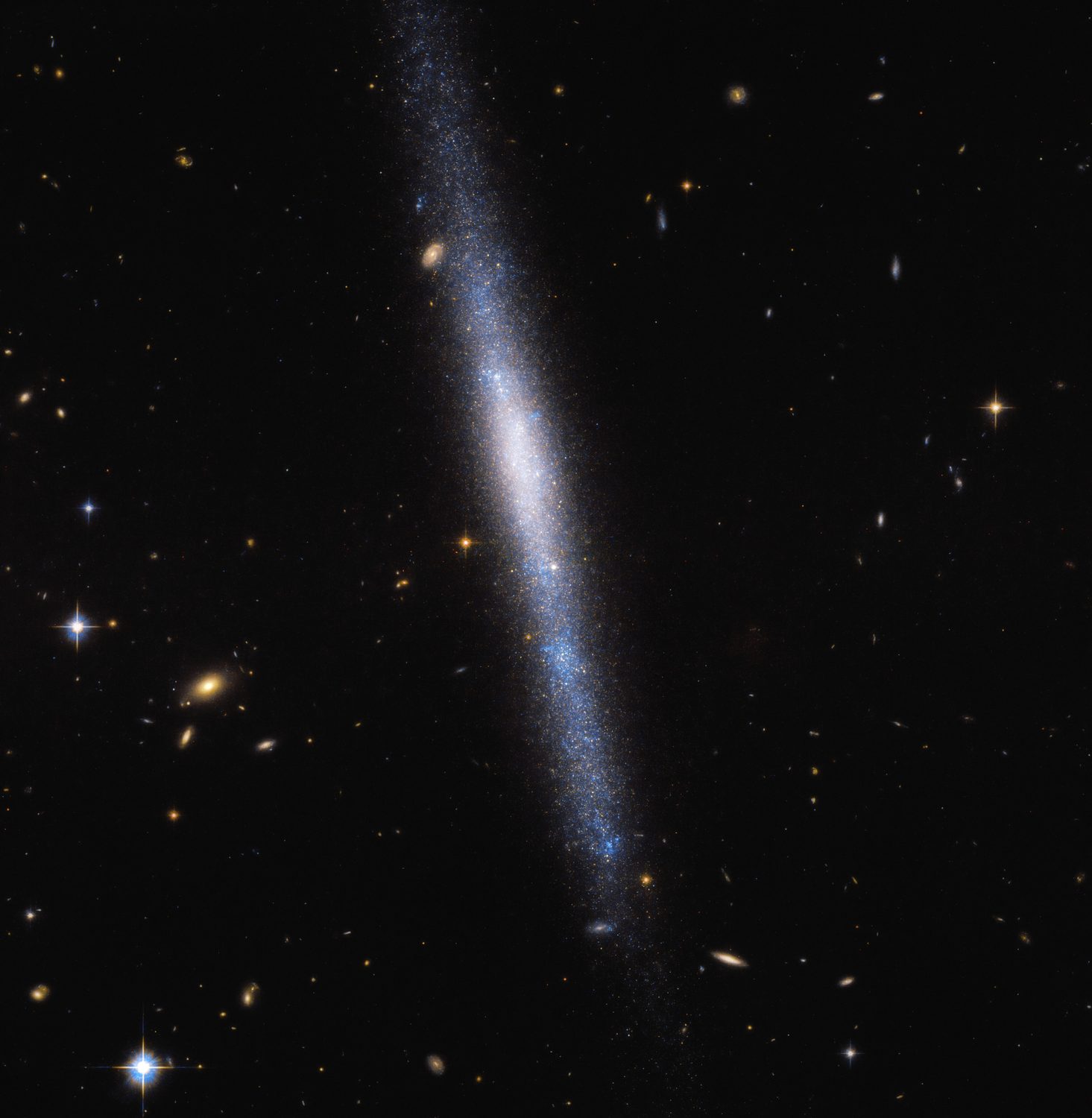
Credit: ESA/Hubble & NASA, R. TullyAcknowledgement: Gagandeep Anand
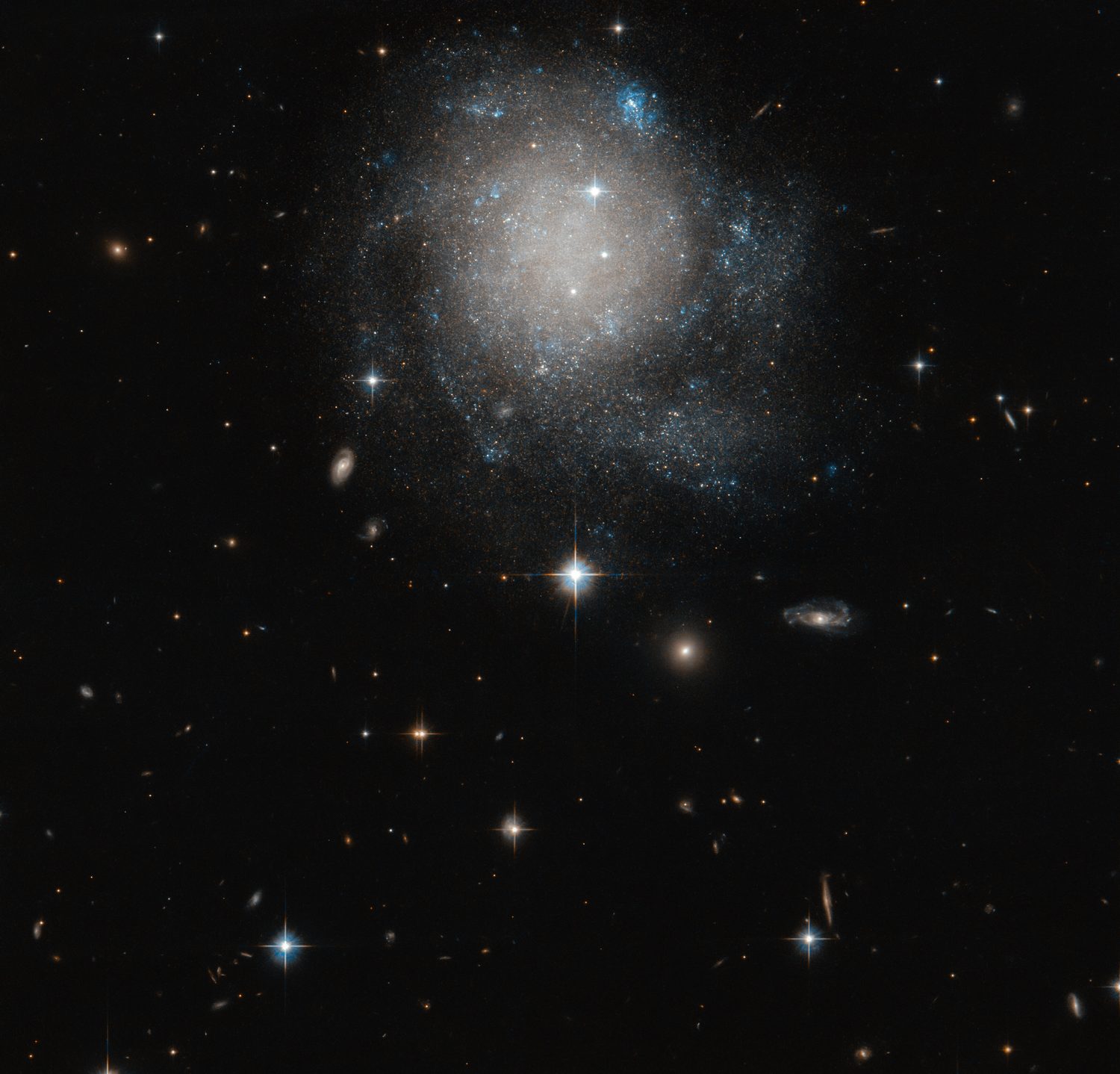
Credit: ESA/Hubble & NASA, R. Tully Acknowledgement: Gagandeep Anand
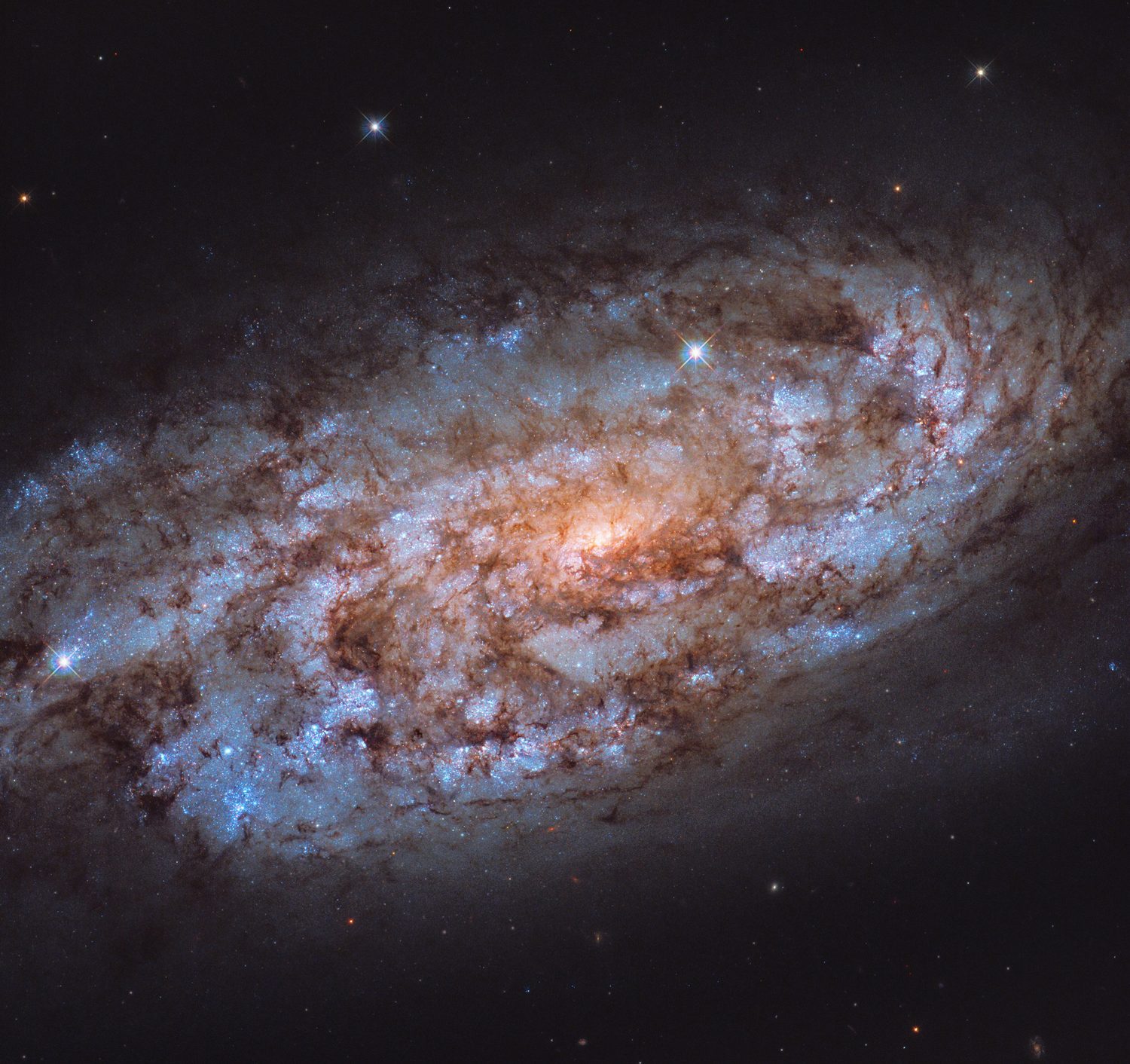
Credit: ESA/Hubble & NASA, J. LeeAcknowledgement: Leo Shatz
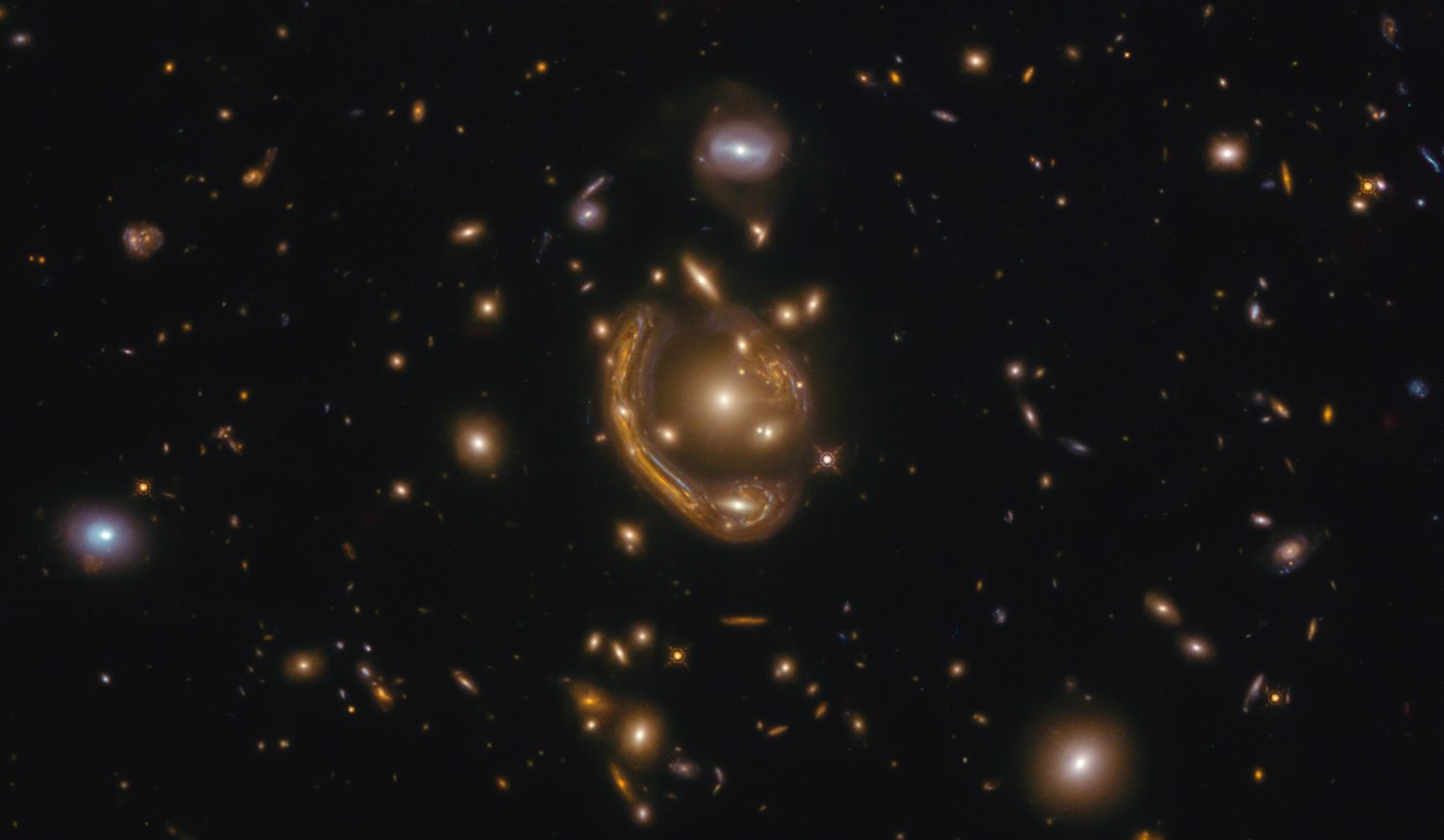
Credit: ESA/Hubble & NASA, S. JhaAcknowledgement: L. Shatz
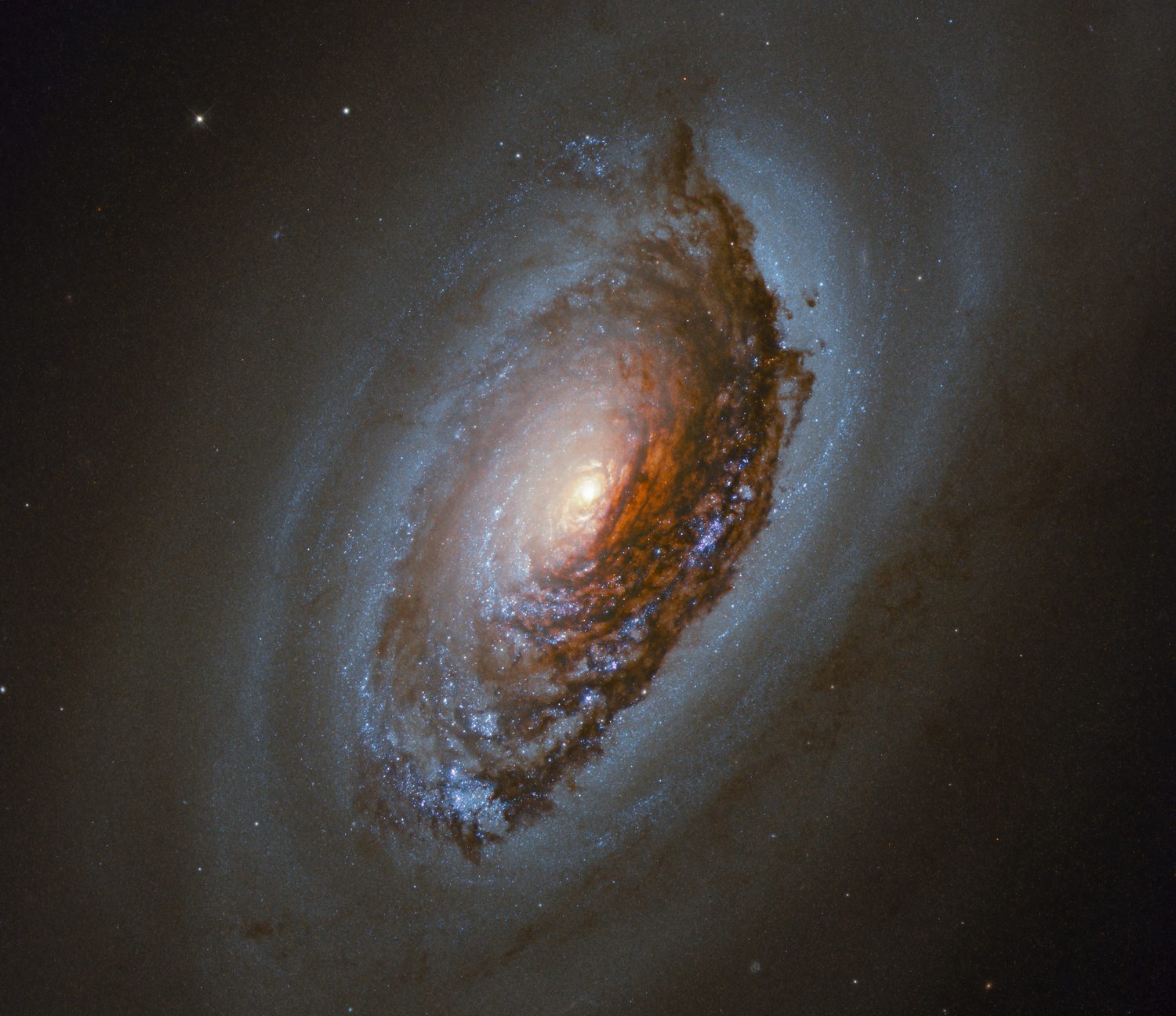
Credit: ESA/Hubble & NASA, J. Lee and the PHANGS-HST TeamAcknowledgement: Judy Schmidt
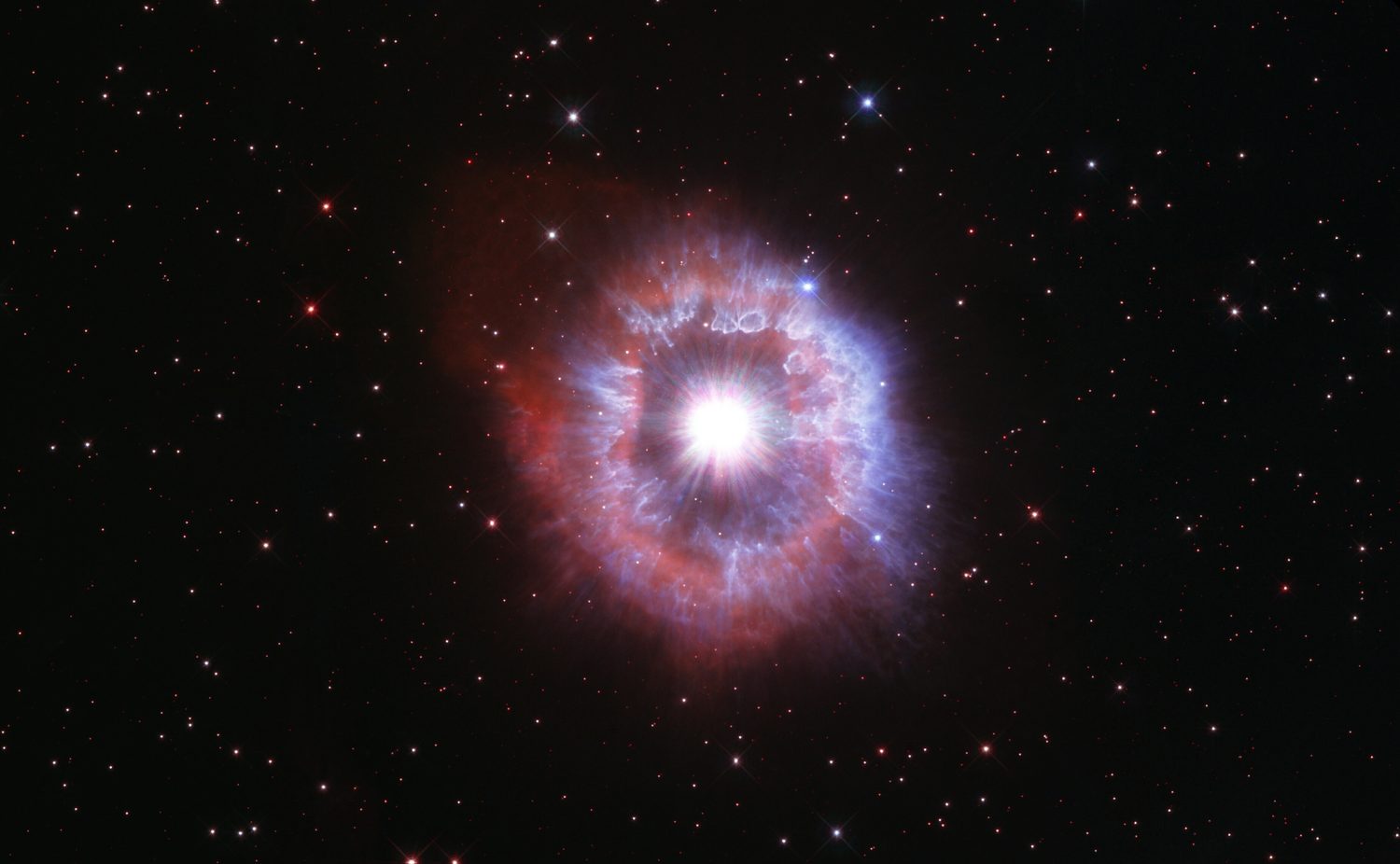
Credit: NASA, ESA and STScI
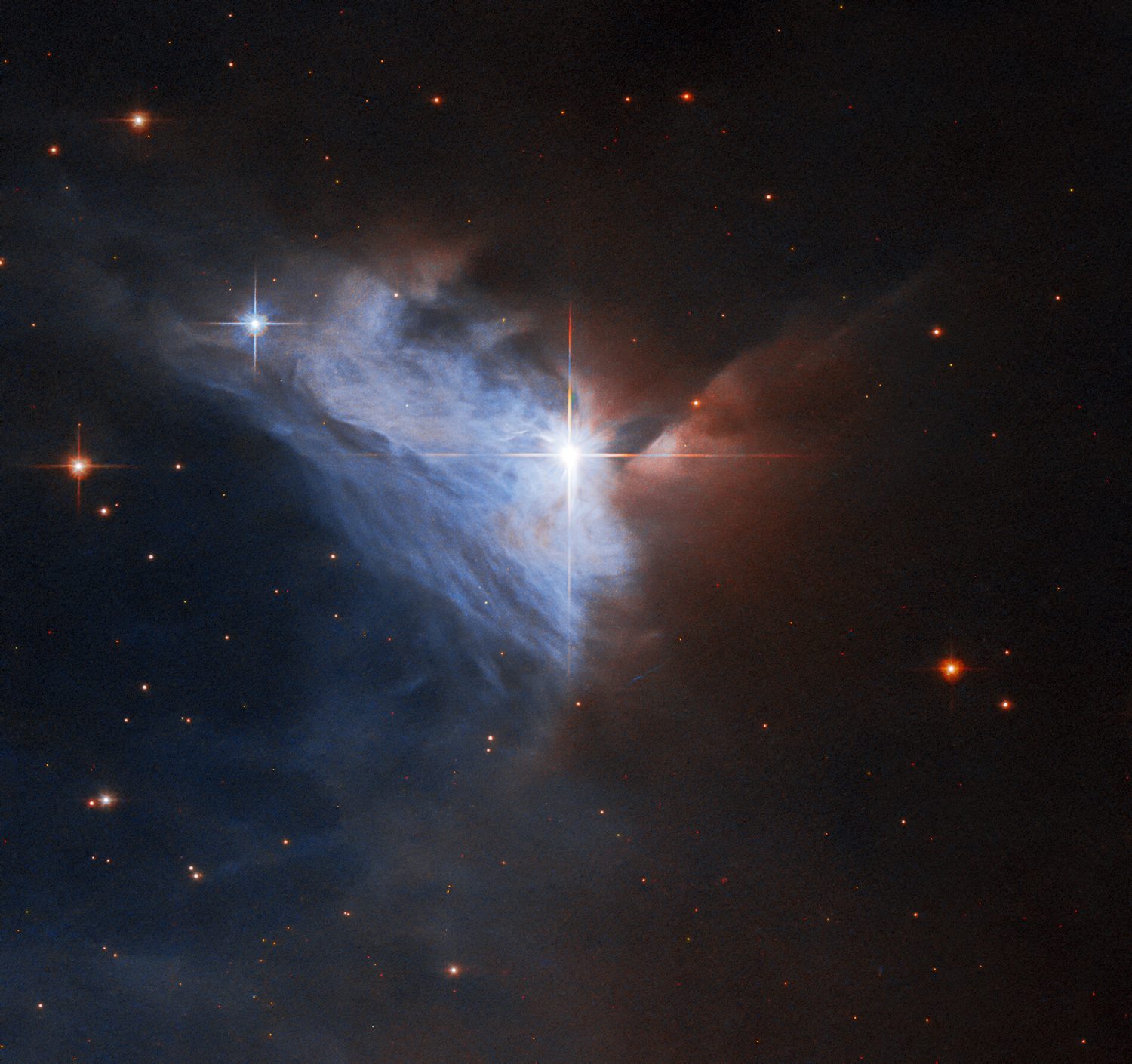
Credit: ESA/Hubble, R. Sahai
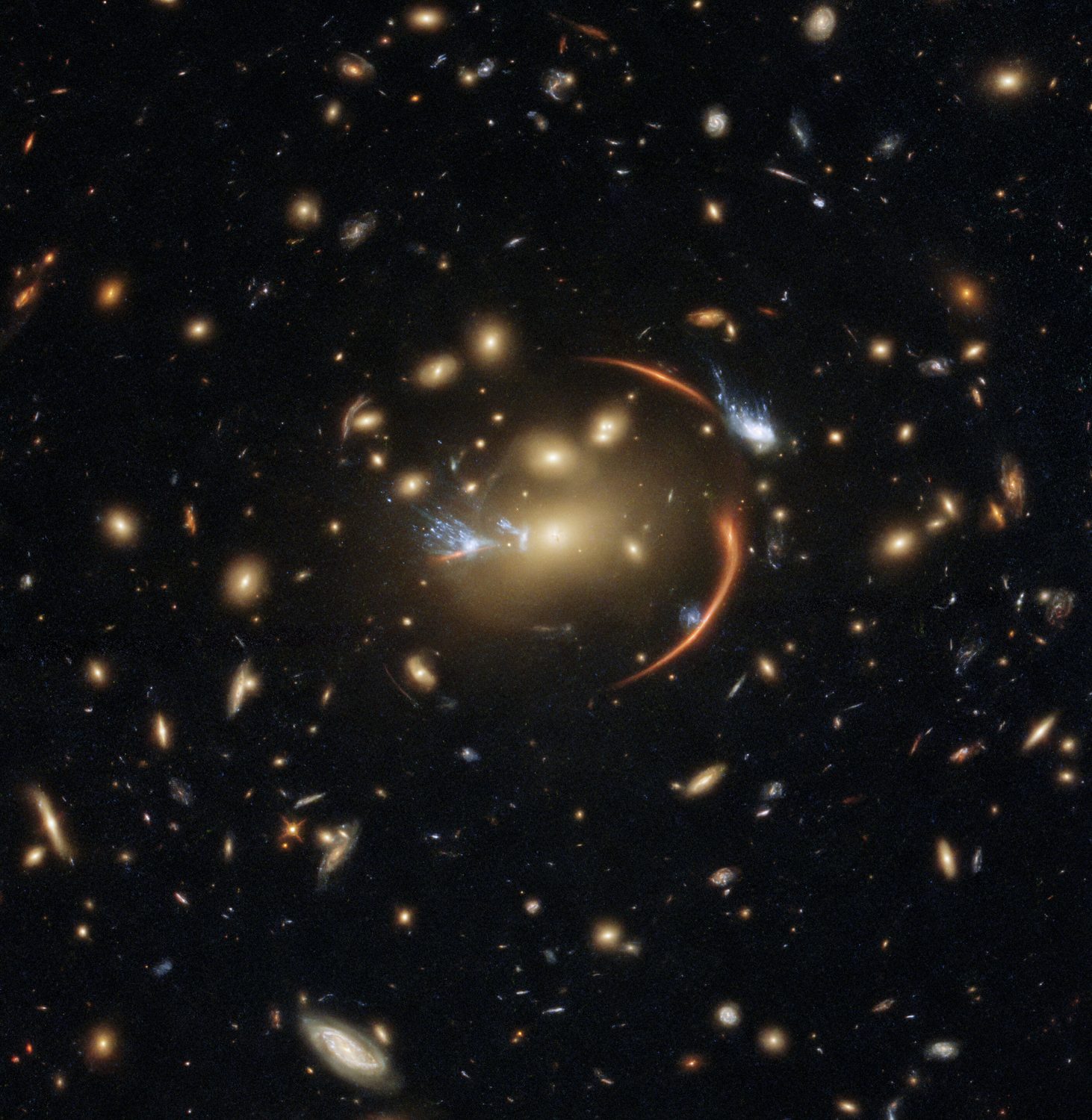
Credit: ESA/Hubble & NASA, A. Newman, M. Akhshik, K. Whitaker
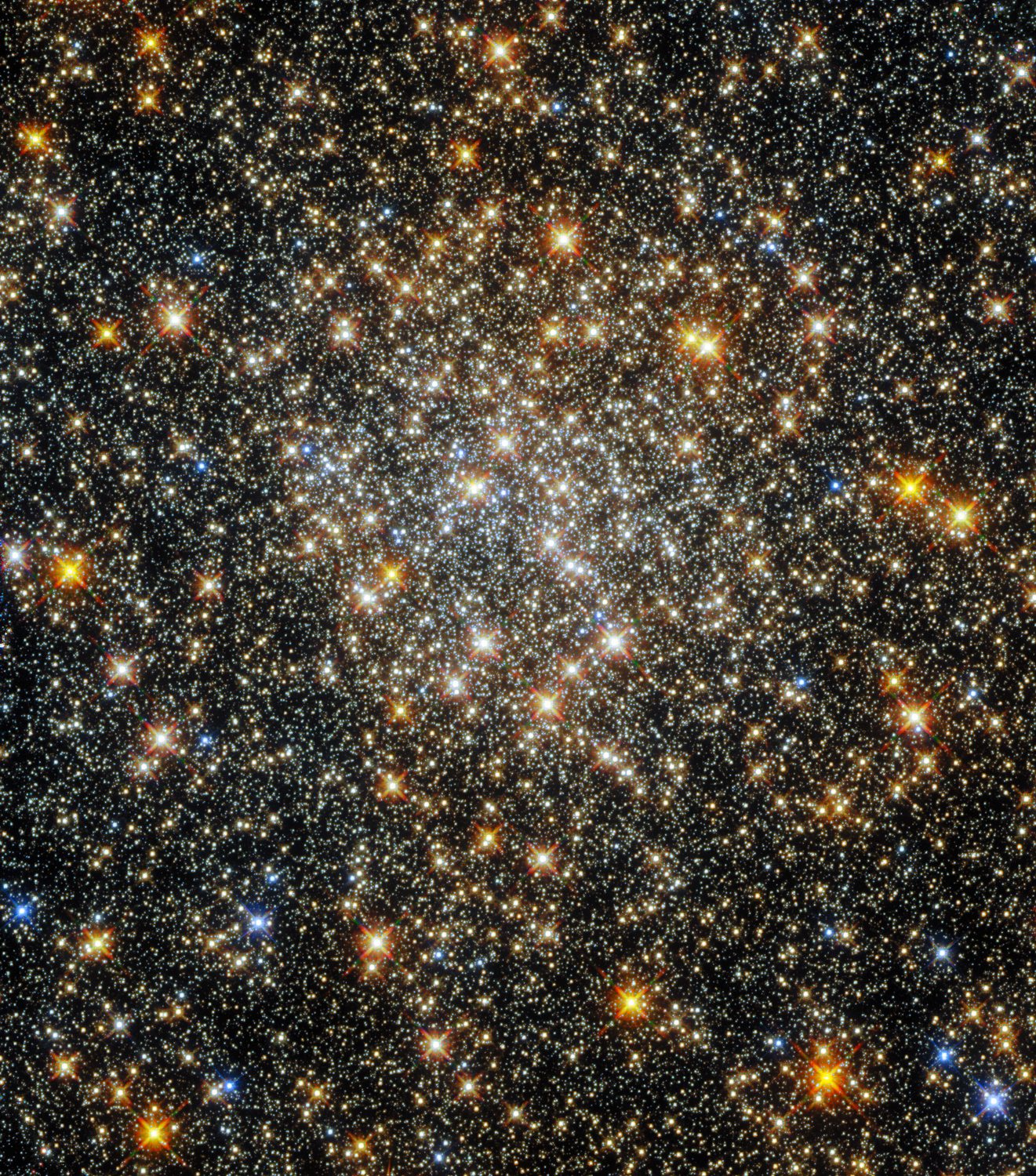
Credit: ESA/Hubble and NASA, R. Cohen
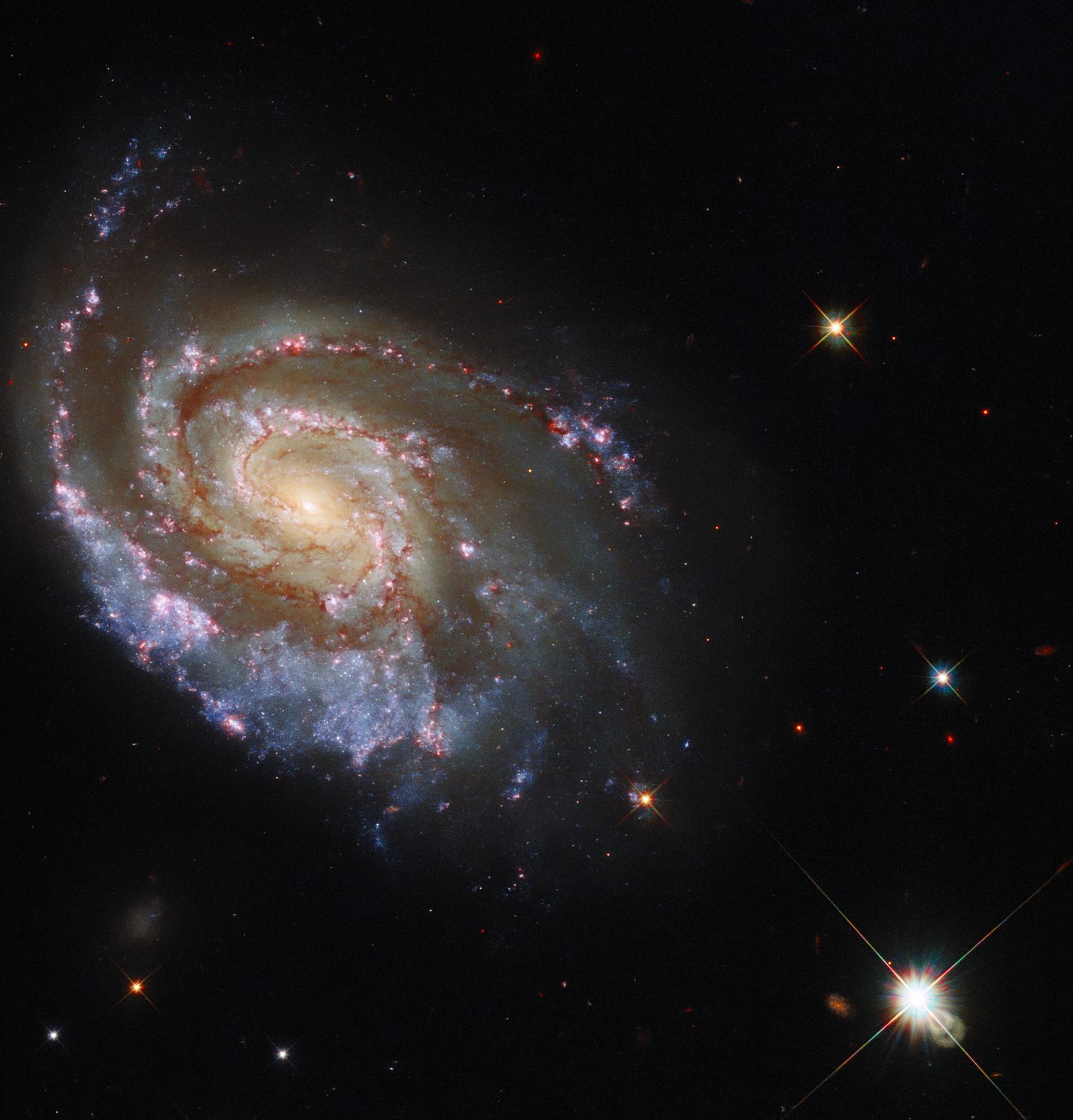
Credit: ESA/Hubble & NASA, D. Milisavljevic
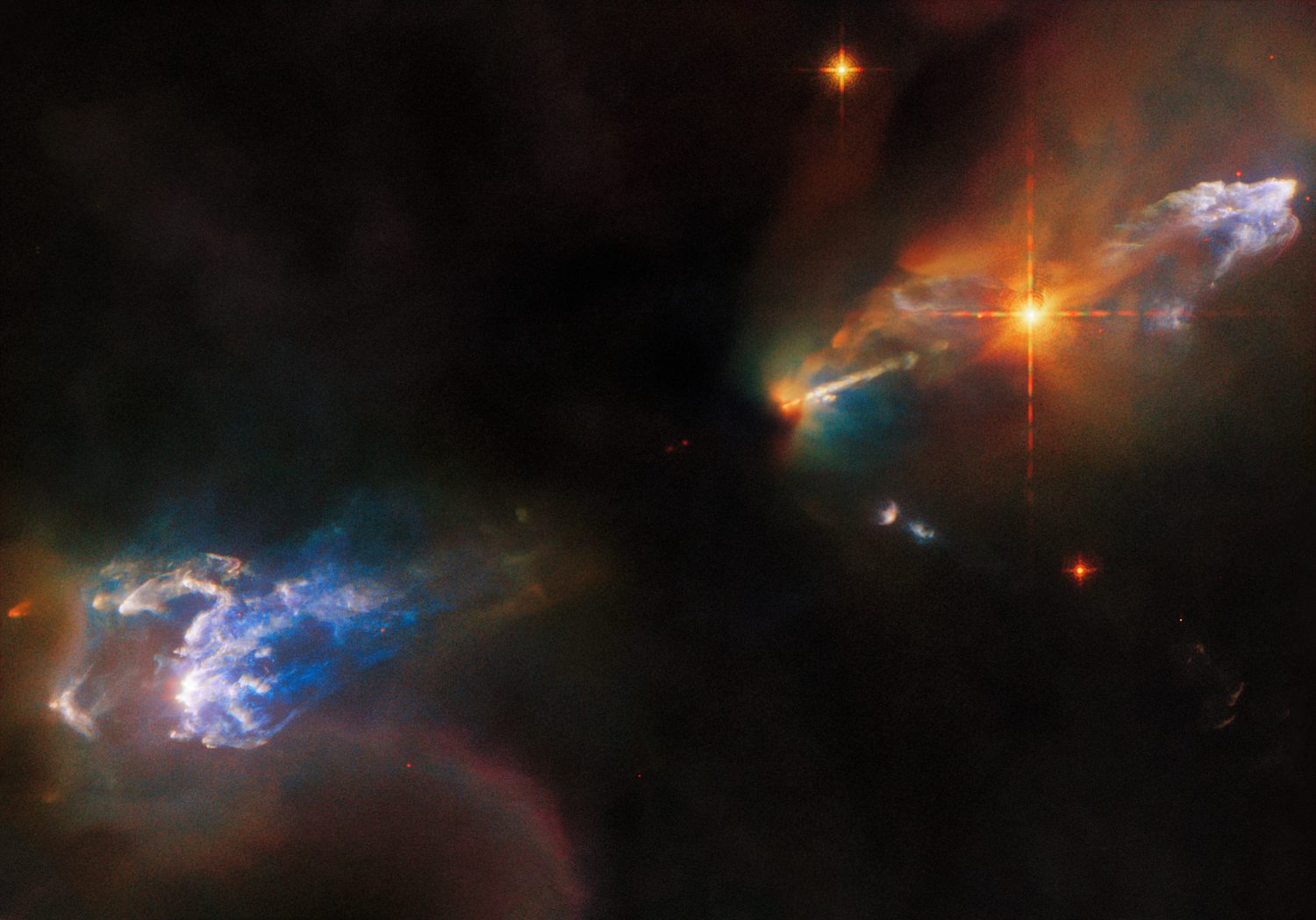
Credit: ESA/Hubble & NASA, B. Reipurth, B. Nisini
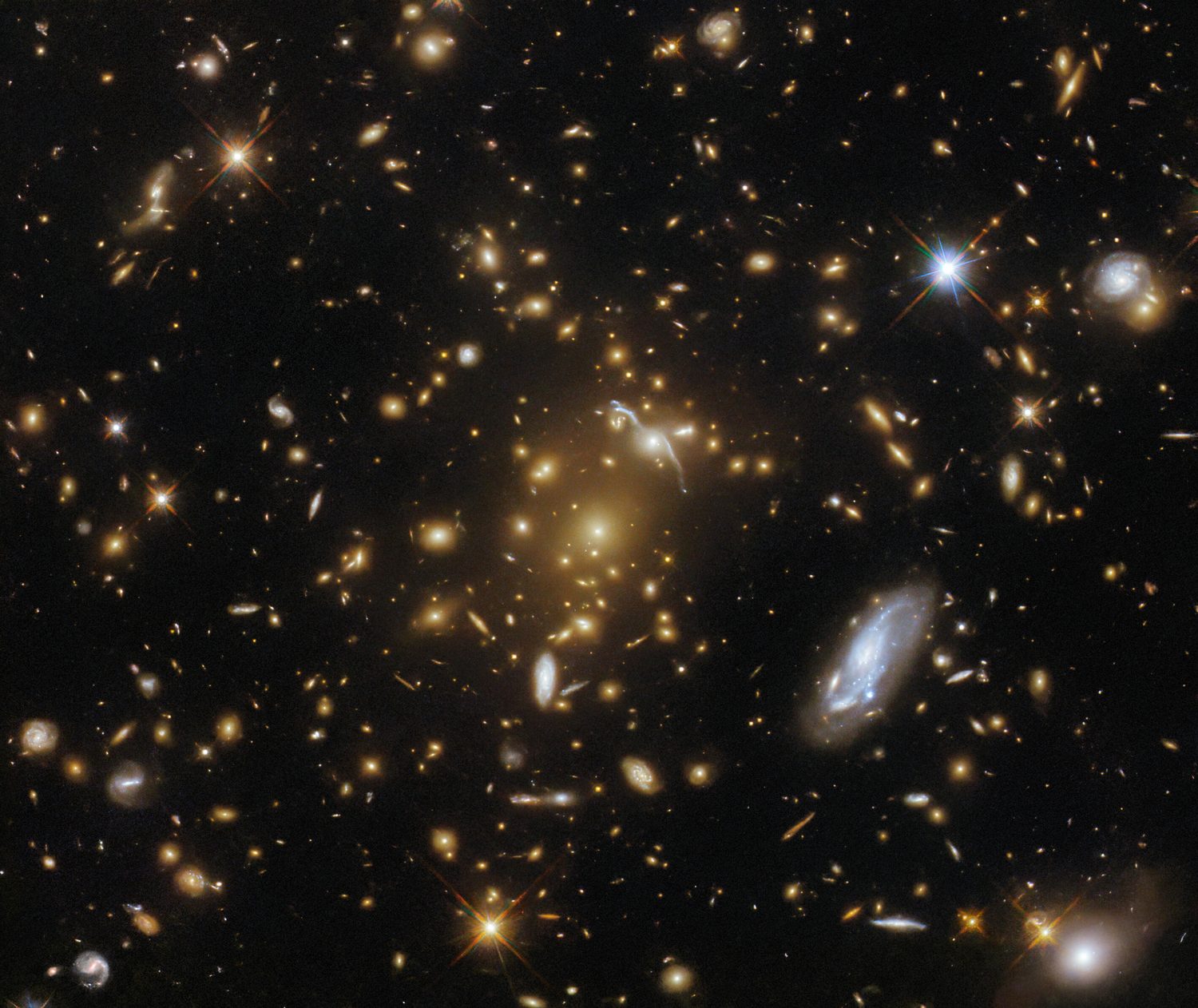
Credit: ESA/Hubble & NASA, H. Ebeling
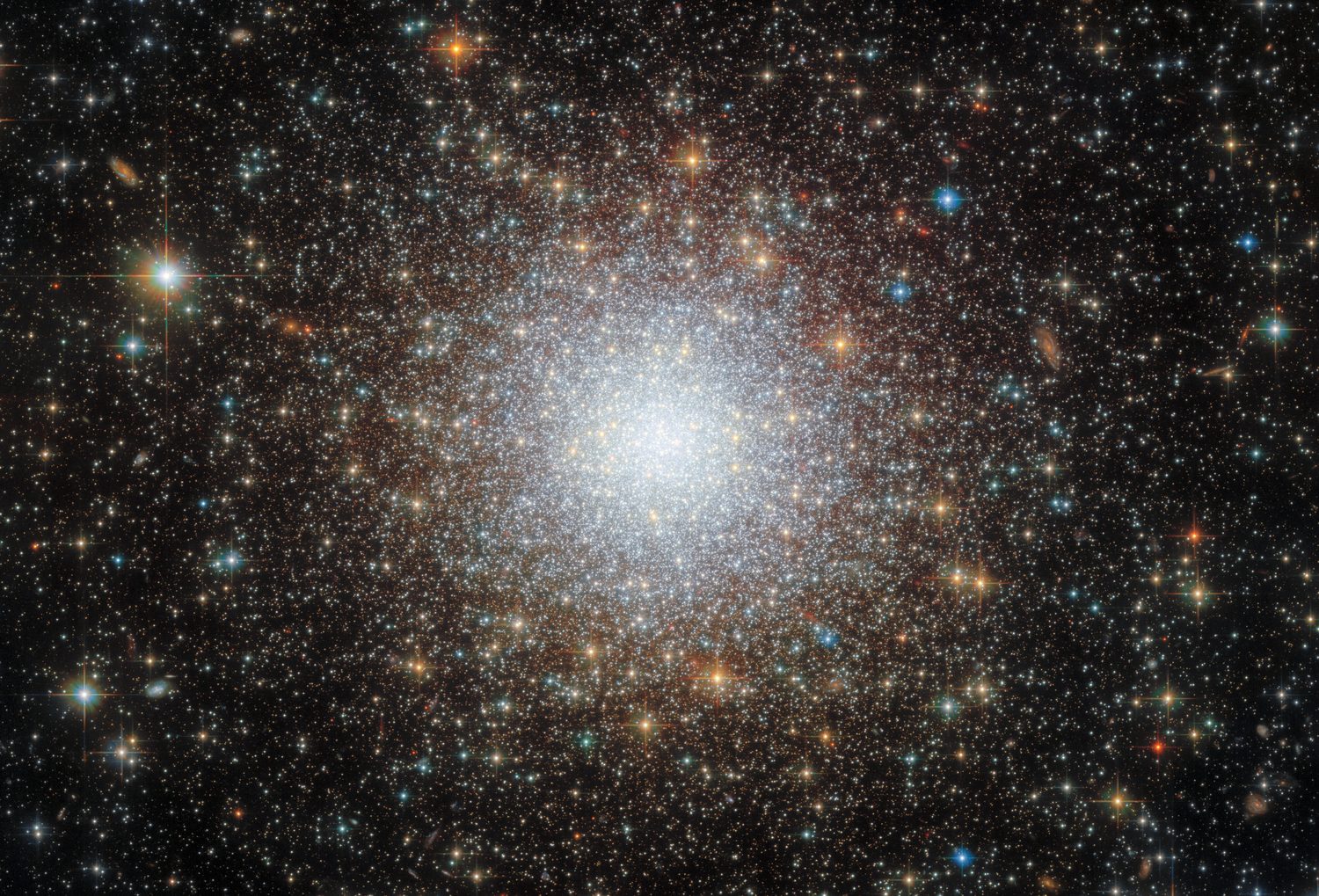
Credit: ESA/Hubble & NASA, A. Sarajedini, F. Niederhofer
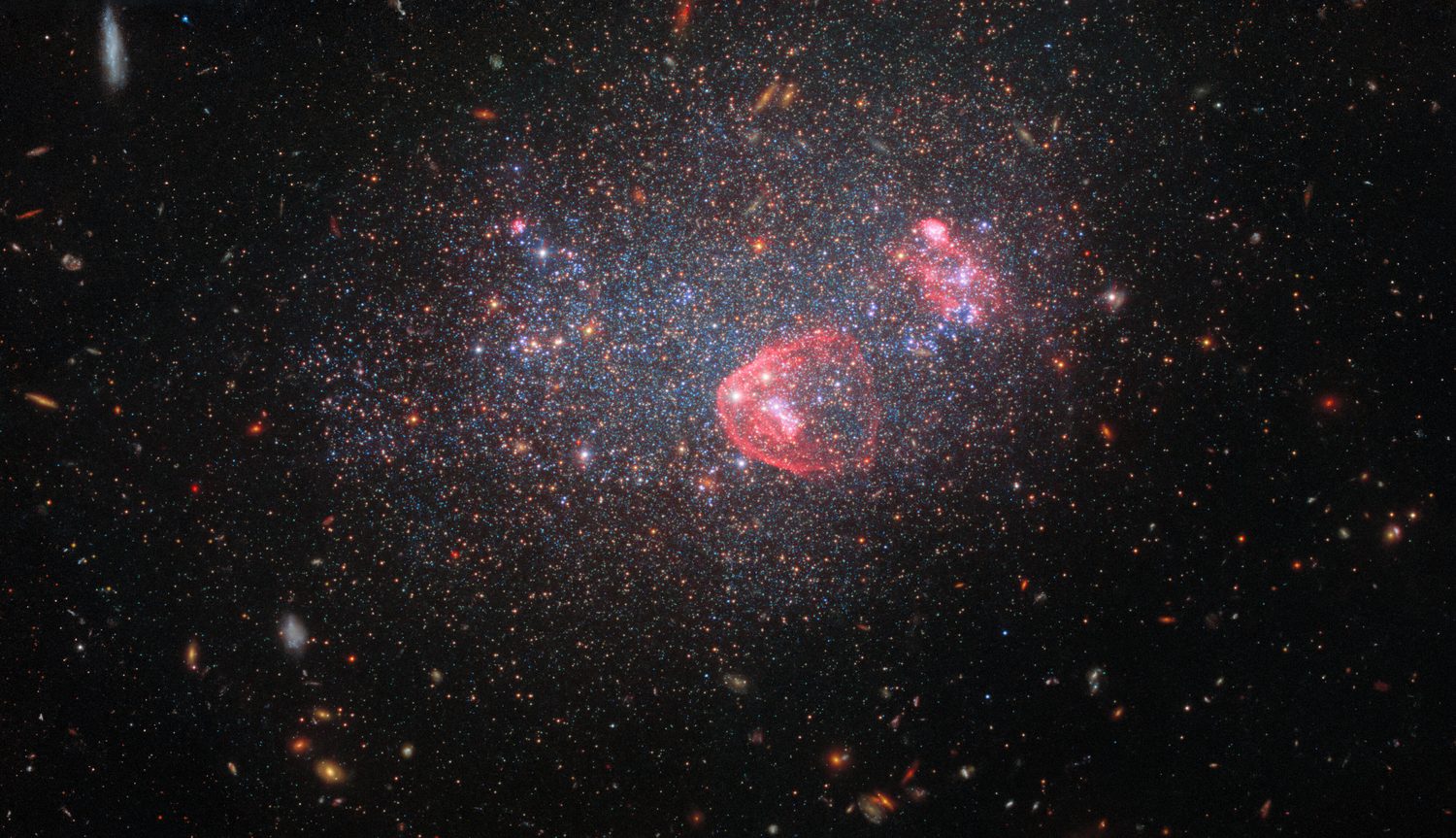
Credit: ESA/Hubble, NASA Y. Choi (NOIRLab), K. Gilbert (Space Telescope Science Institute), J. Dalcanton (Flatiron Institute and University of Washington)
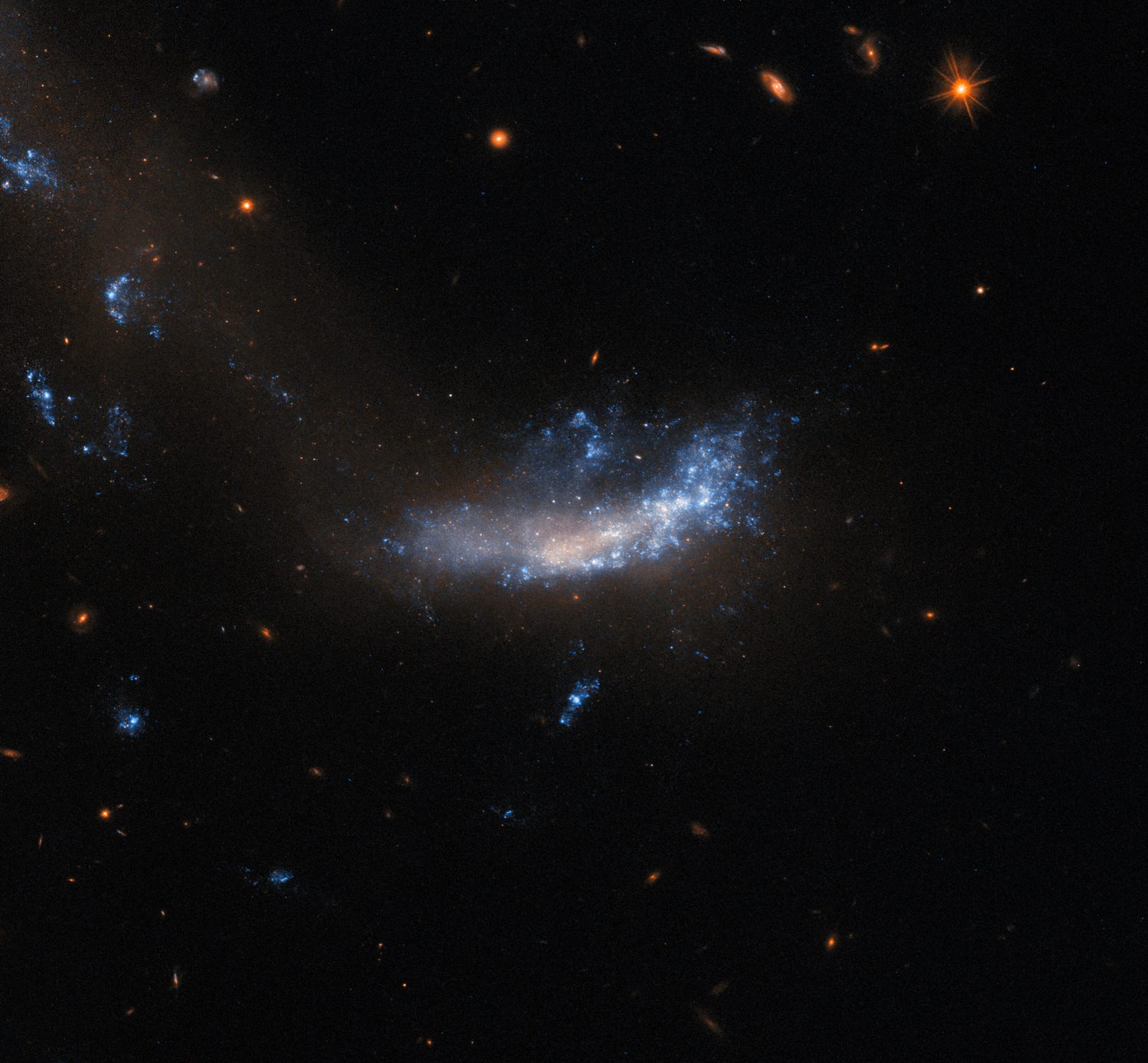
Credit: ESA/Hubble & NASA, A. Filippenko
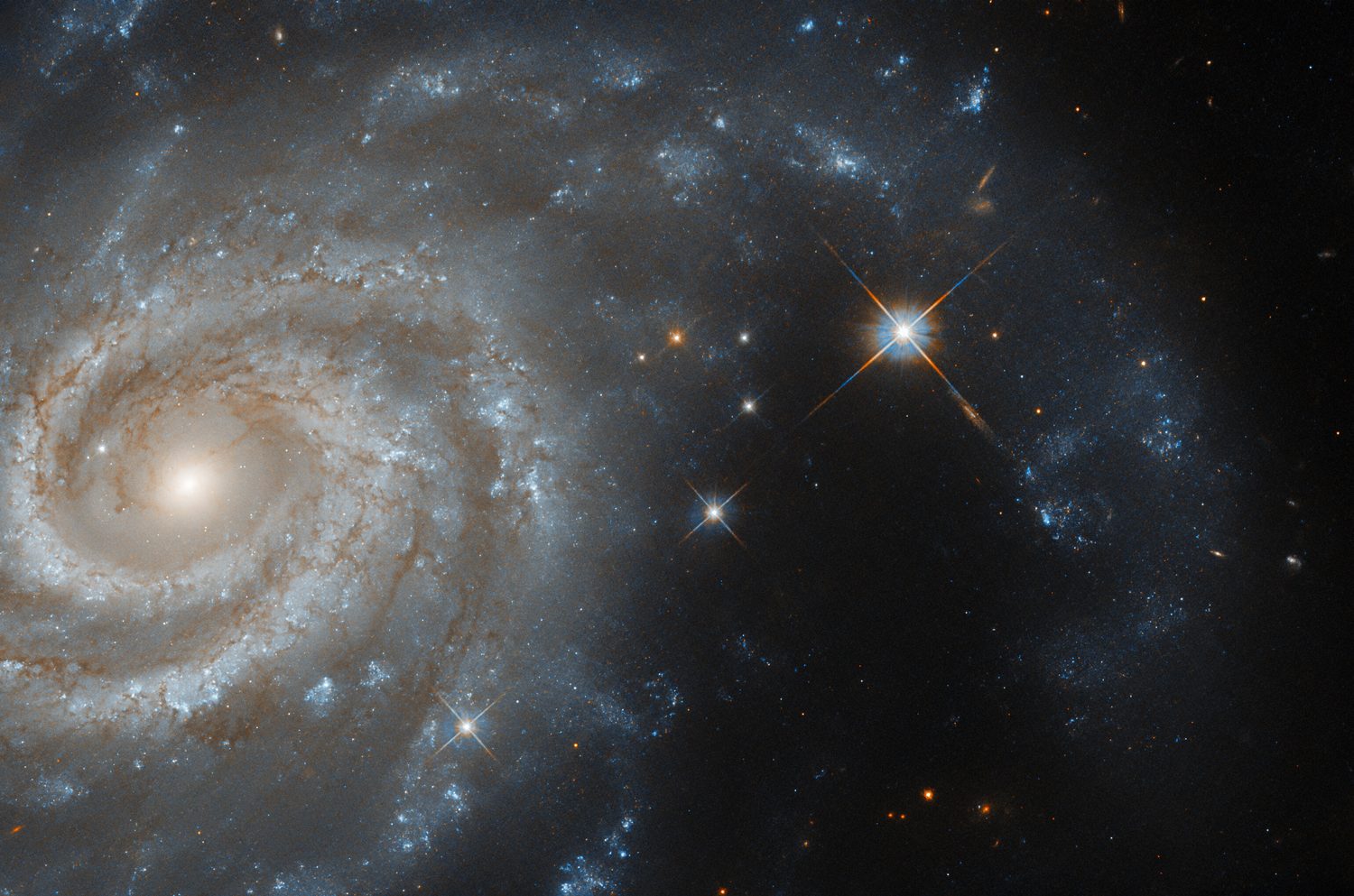
Credit: ESA/Hubble & NASA, R. J. Foley (UC Santa Cruz)
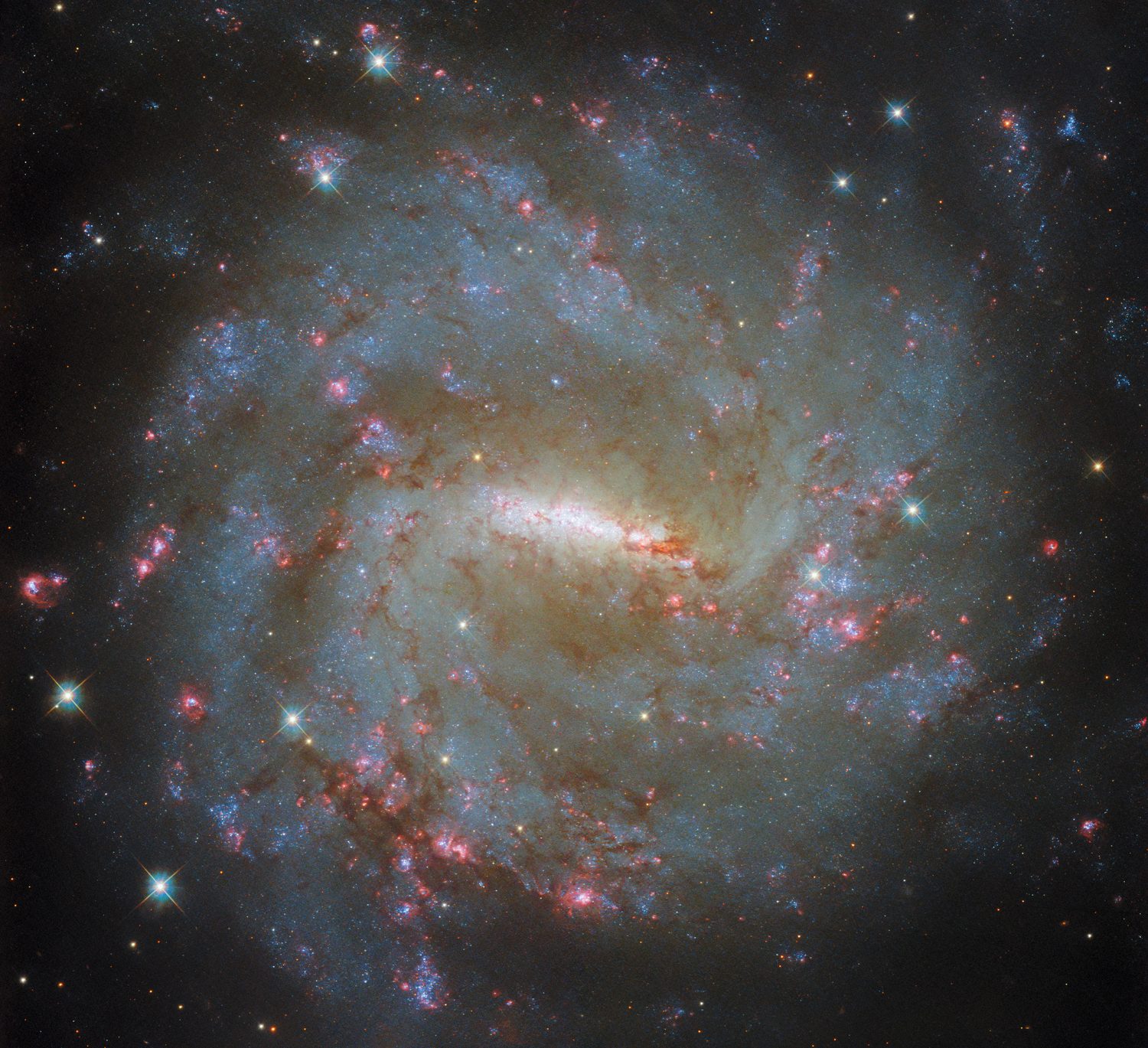
Credit: ESA/Hubble & NASA, D. Thilker
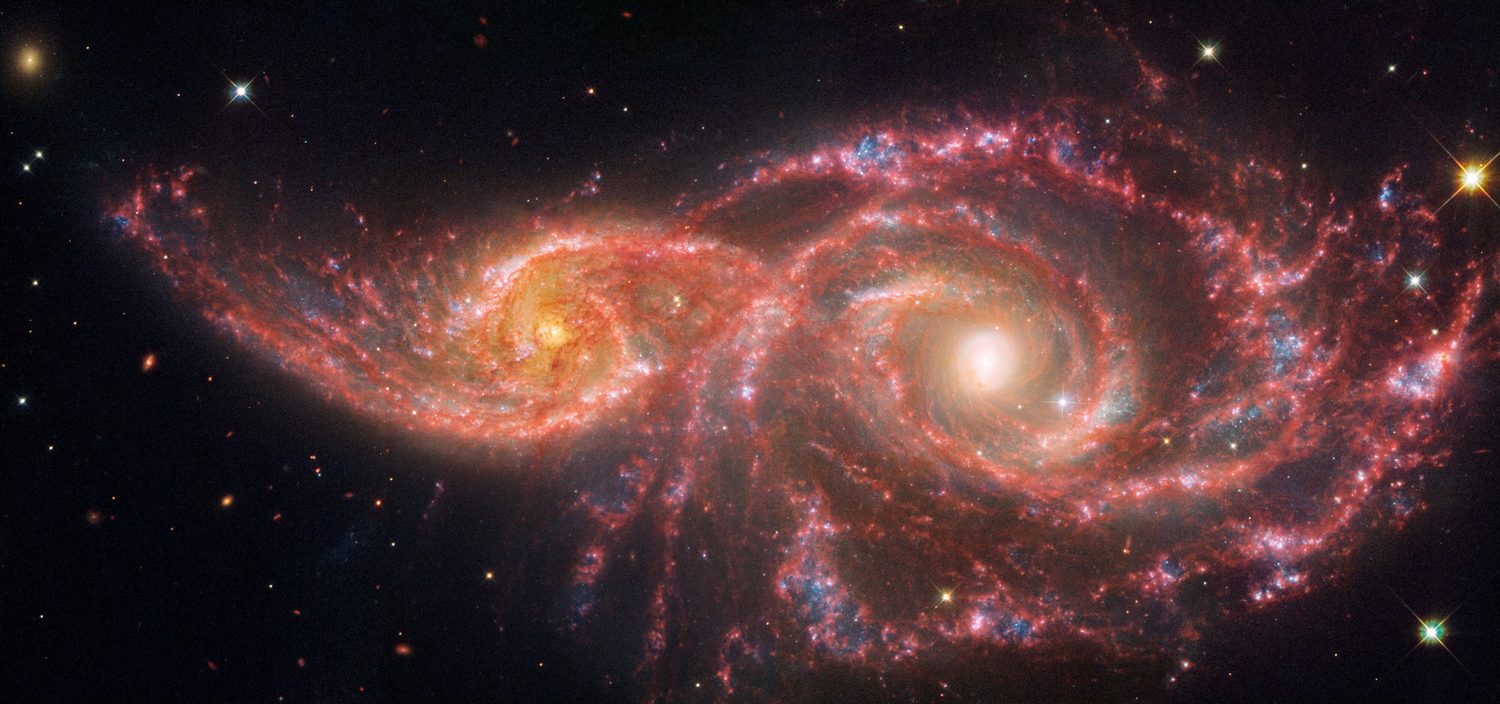
Credit: NASA, ESA, CSA, STScI
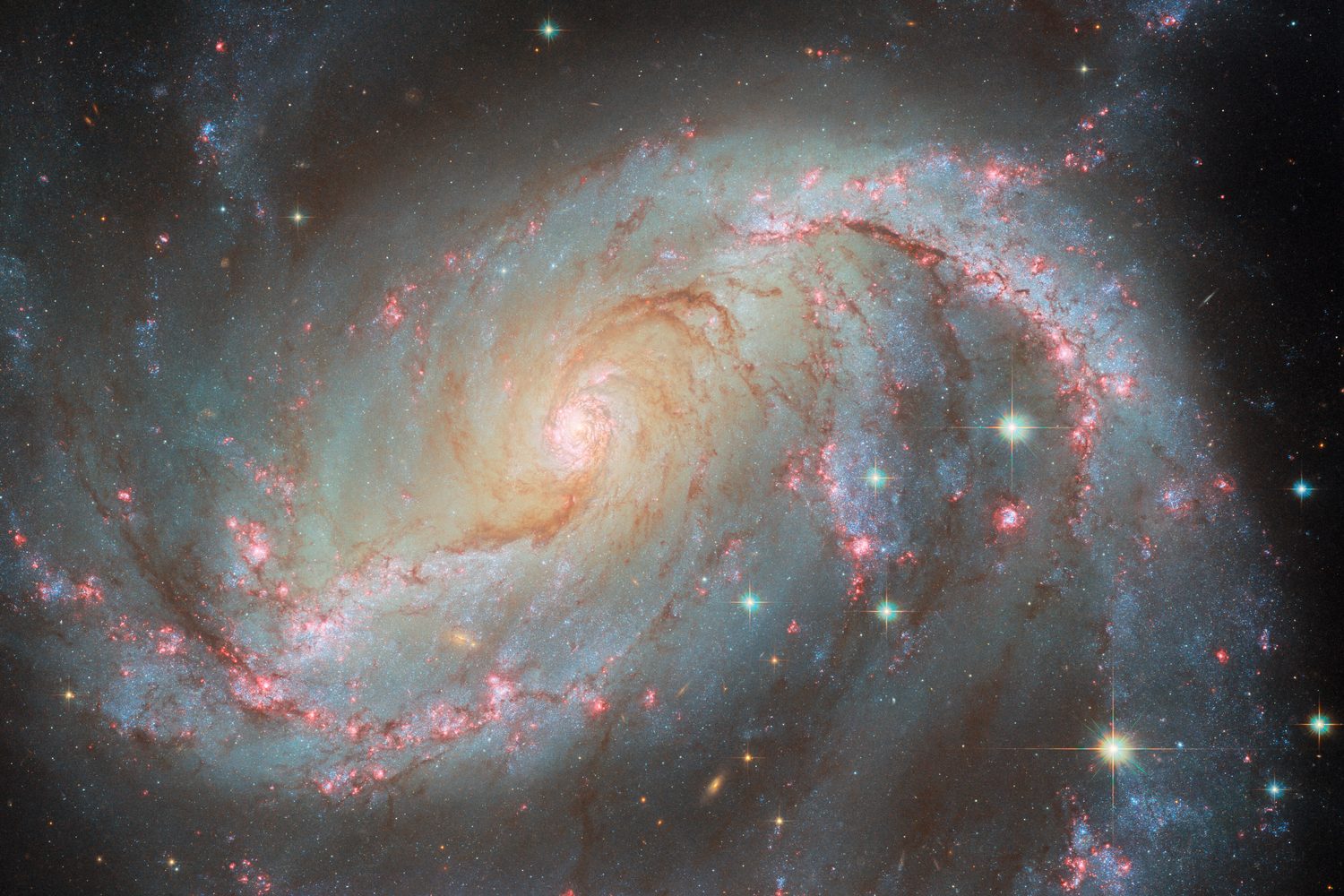
Credit: ESA/Hubble & NASA, O. Fox, L. Jenkins, S. Van Dyk, A. Filippenko, J. Lee and the PHANGS-HST Team, D. de Martin (ESA/Hubble), M. Zamani (ESA/Hubble)
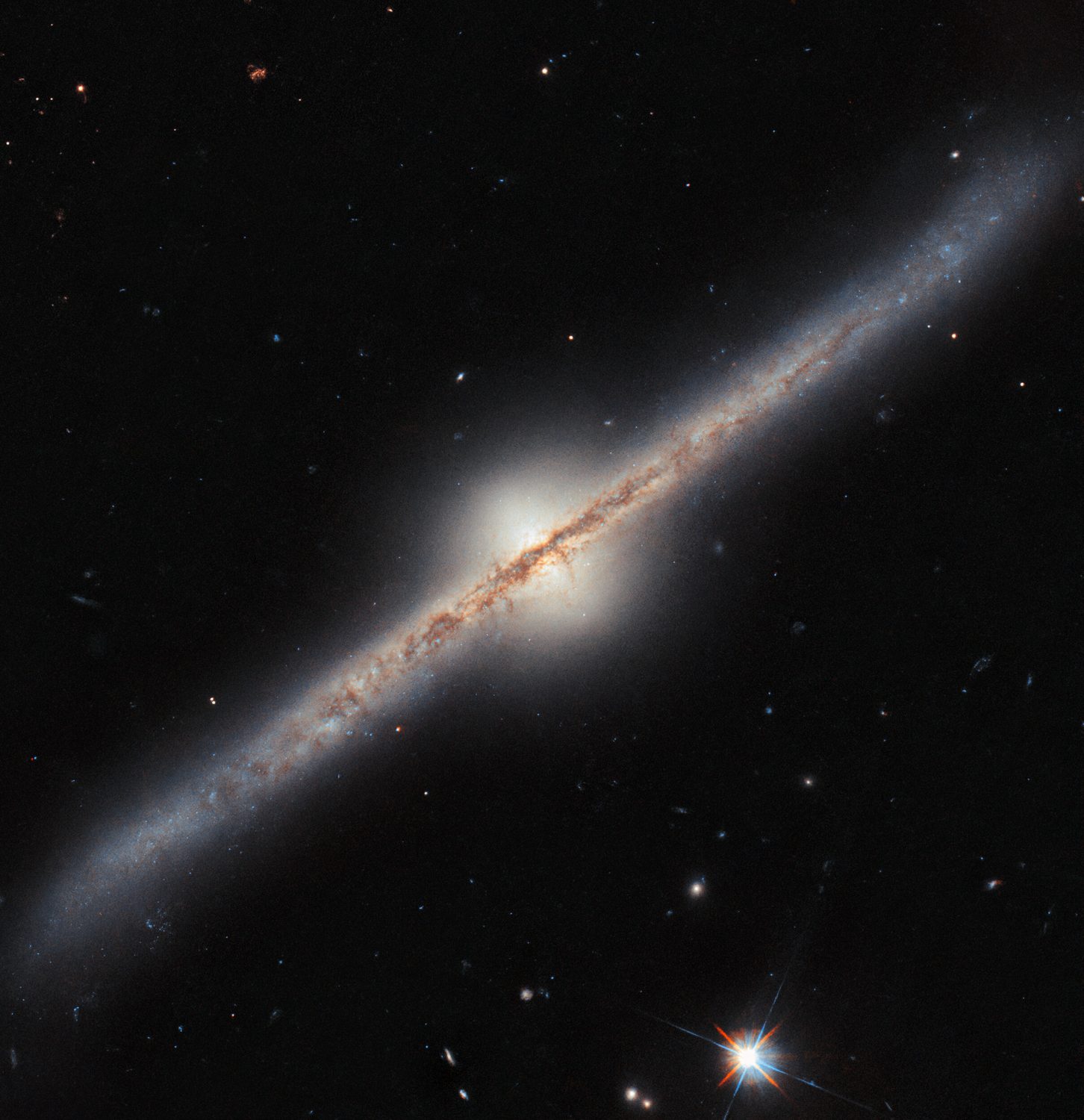
Credit: ESA/Hubble & NASA, R. Windhorst, W. Keel
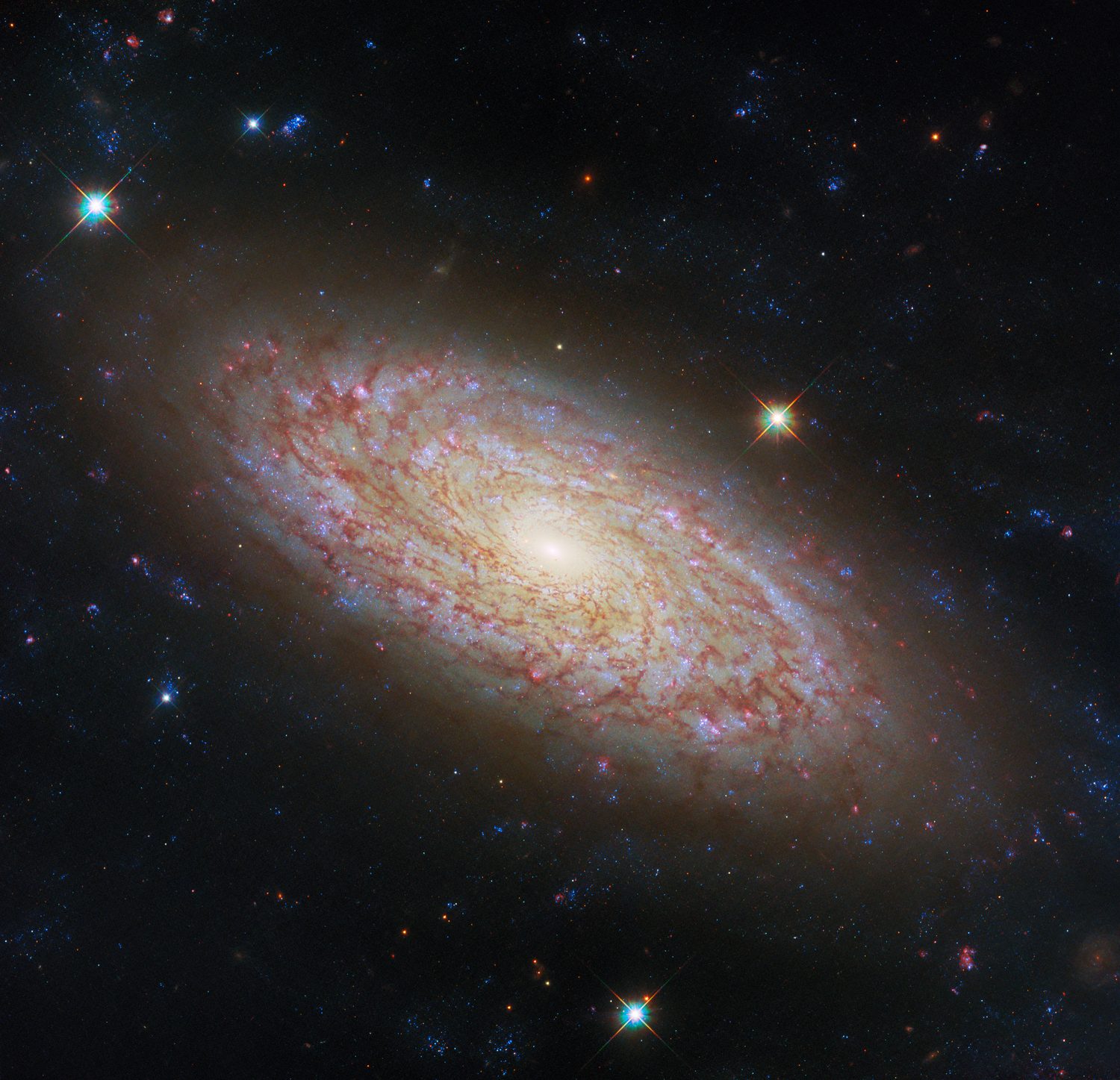
Credit: ESA/Hubble & NASA, D. Thilker
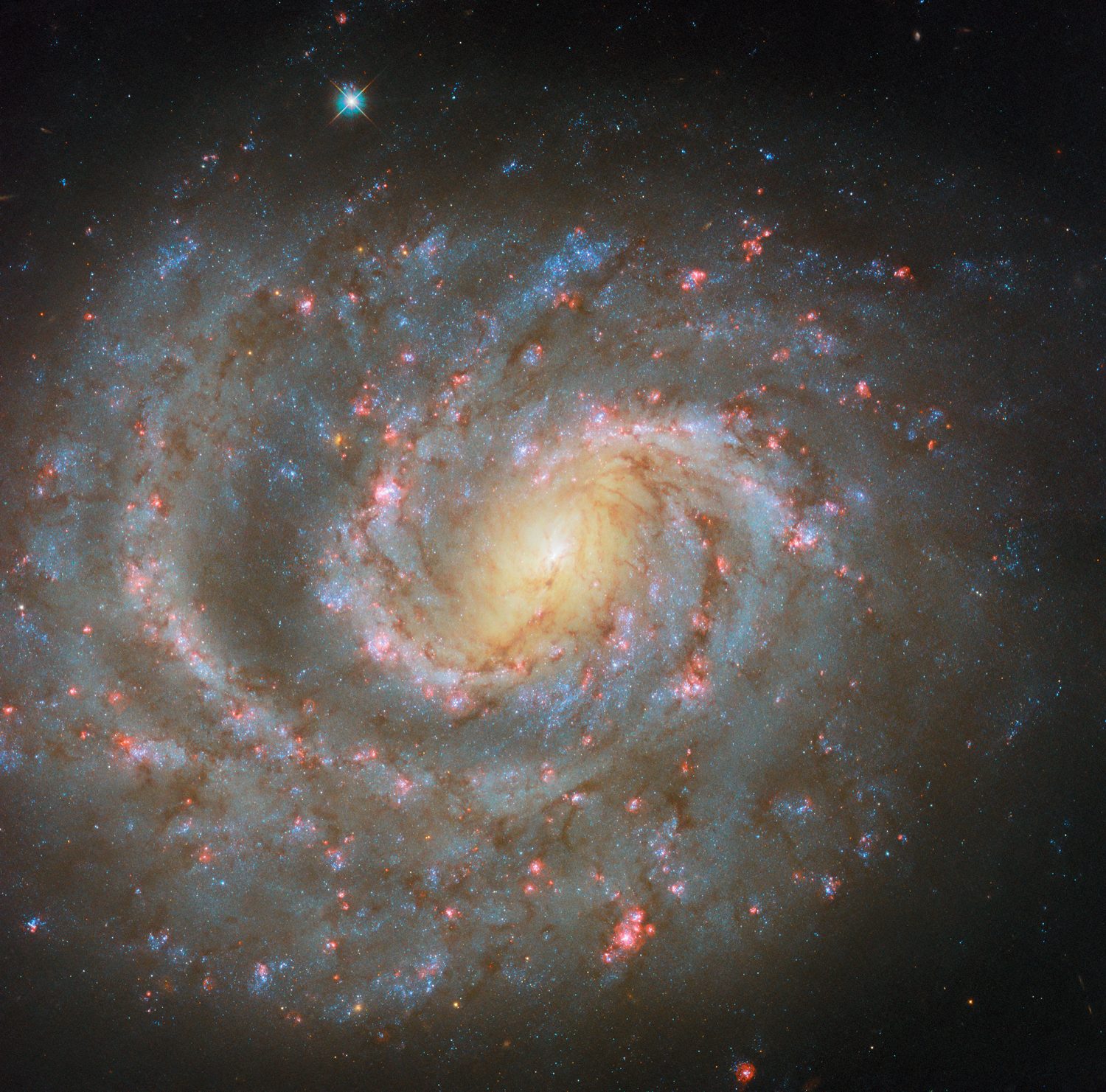
Credit: ESA/Hubble & NASA, D. Thilker
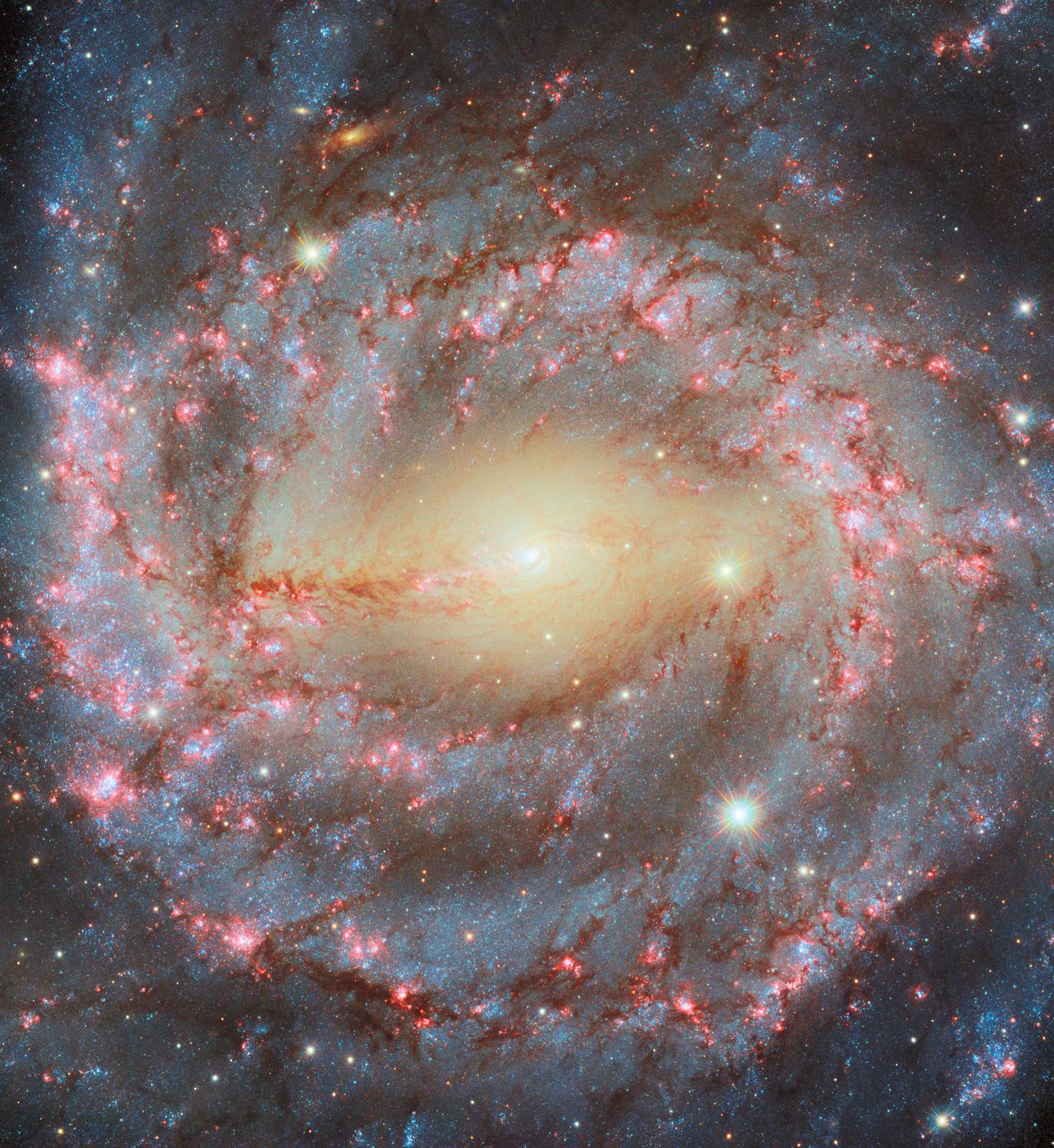
Credit: ESA/Hubble & NASA, A. Riess, D. Thilker, D. De Martin (ESA/Hubble), M. Zamani (ESA/Hubble)
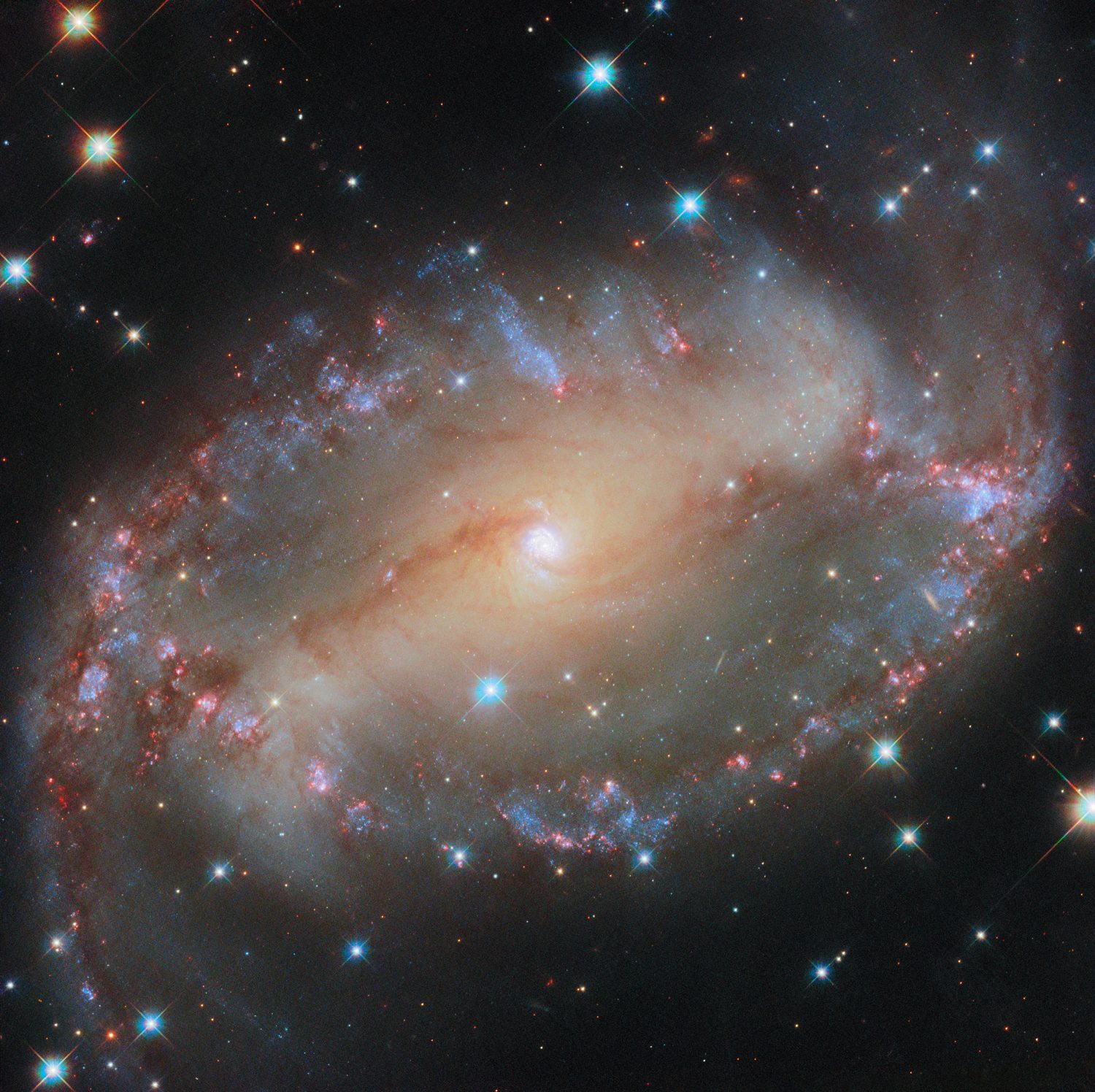
Credit: ESA/Hubble & NASA, D. Thilker
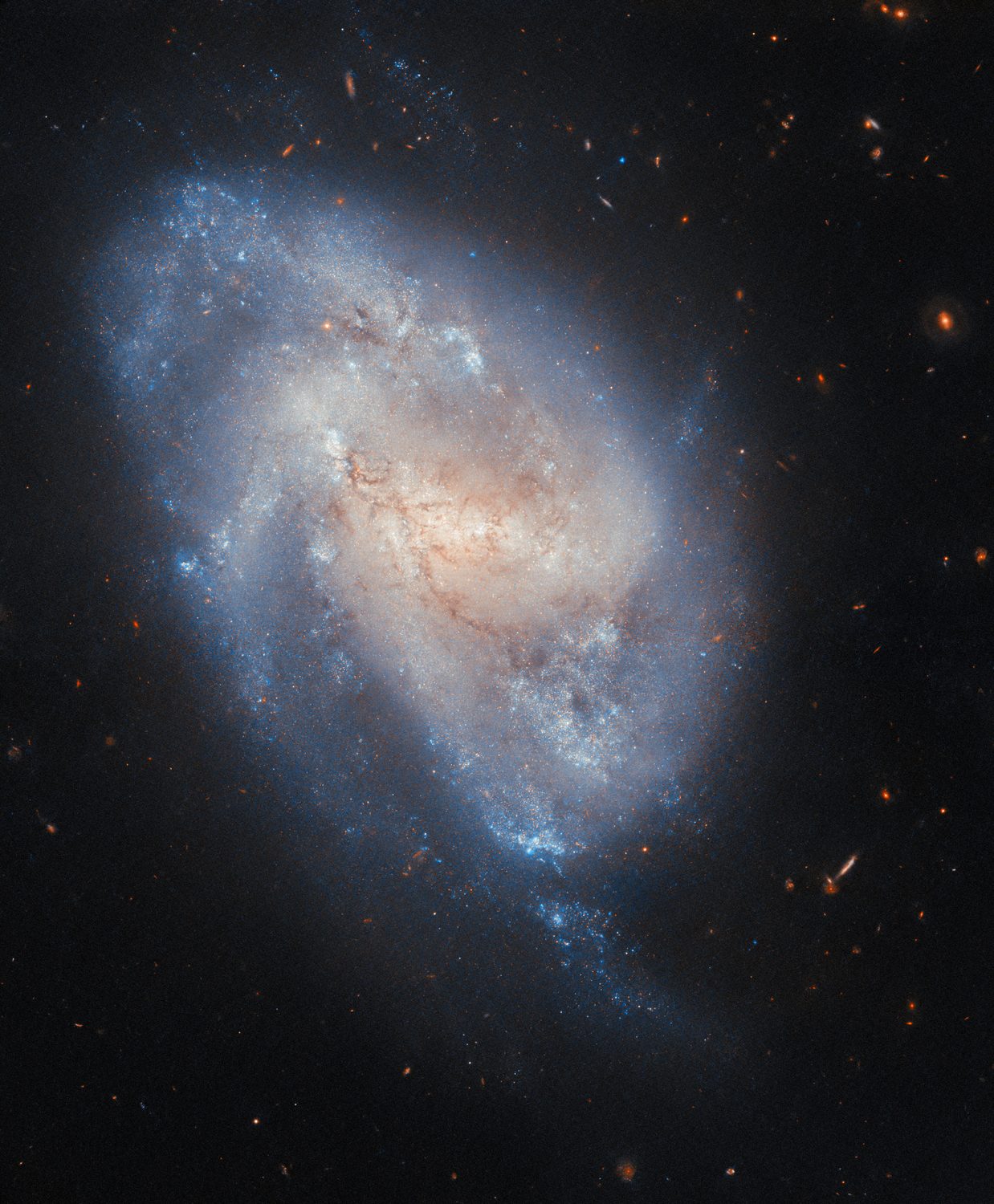
Credit: ESA/Hubble & NASA, C. Kilpatrick
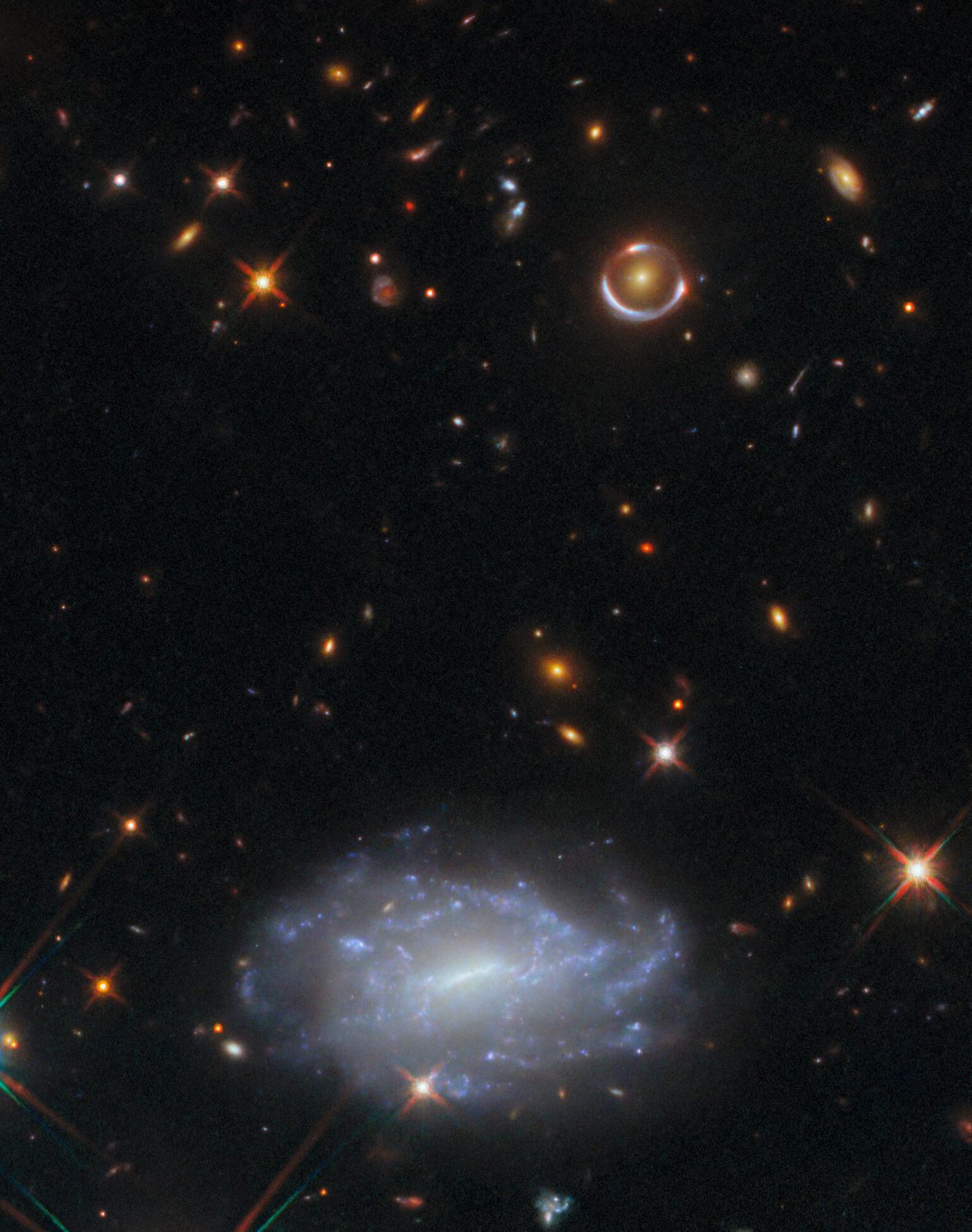
Credit: ESA/Hubble & NASA, D. Erb
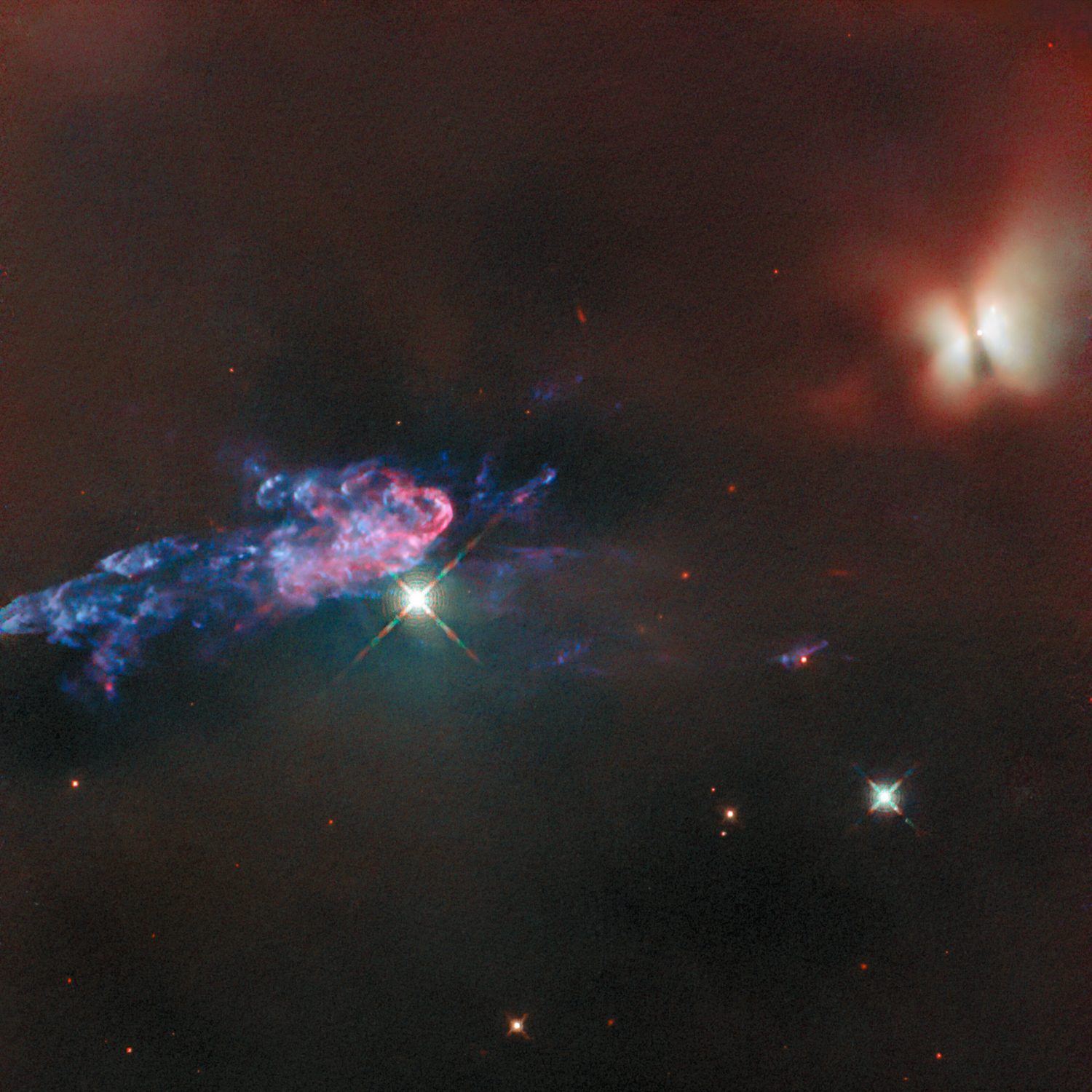
Credit: ESA/Hubble & NASA, T. Megeath
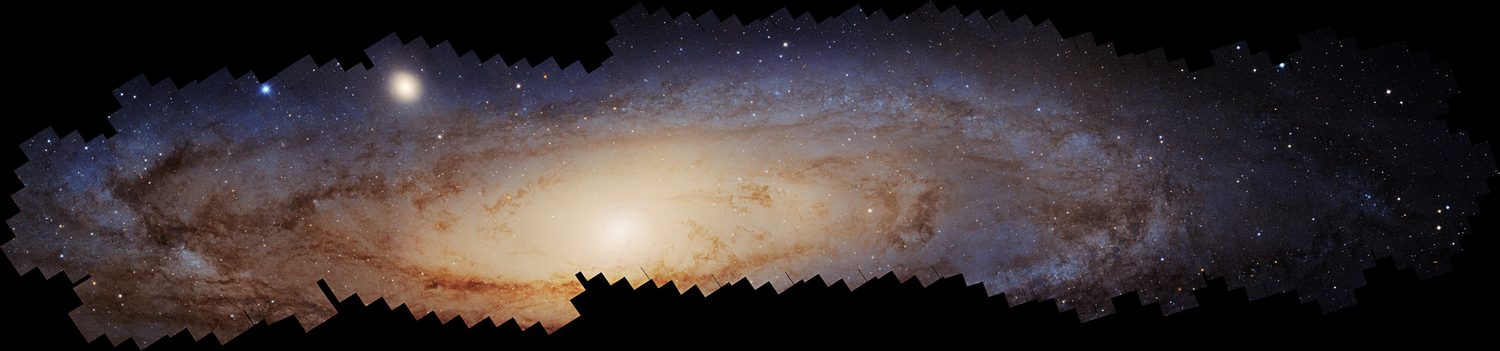
Credit: NASA, ESA, B. Williams (University of Washington)
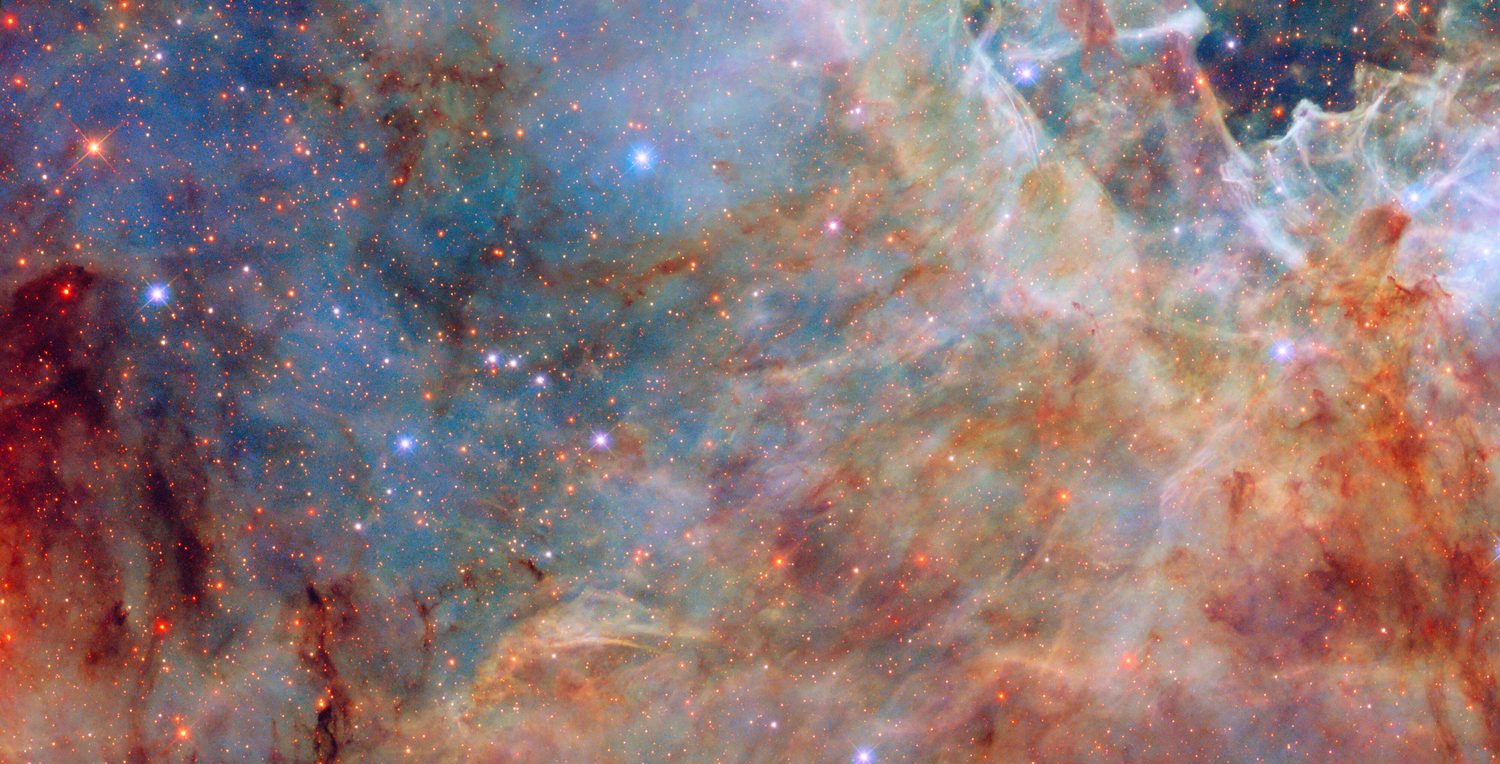
Credit: ESA/Hubble & NASA, C. Murray
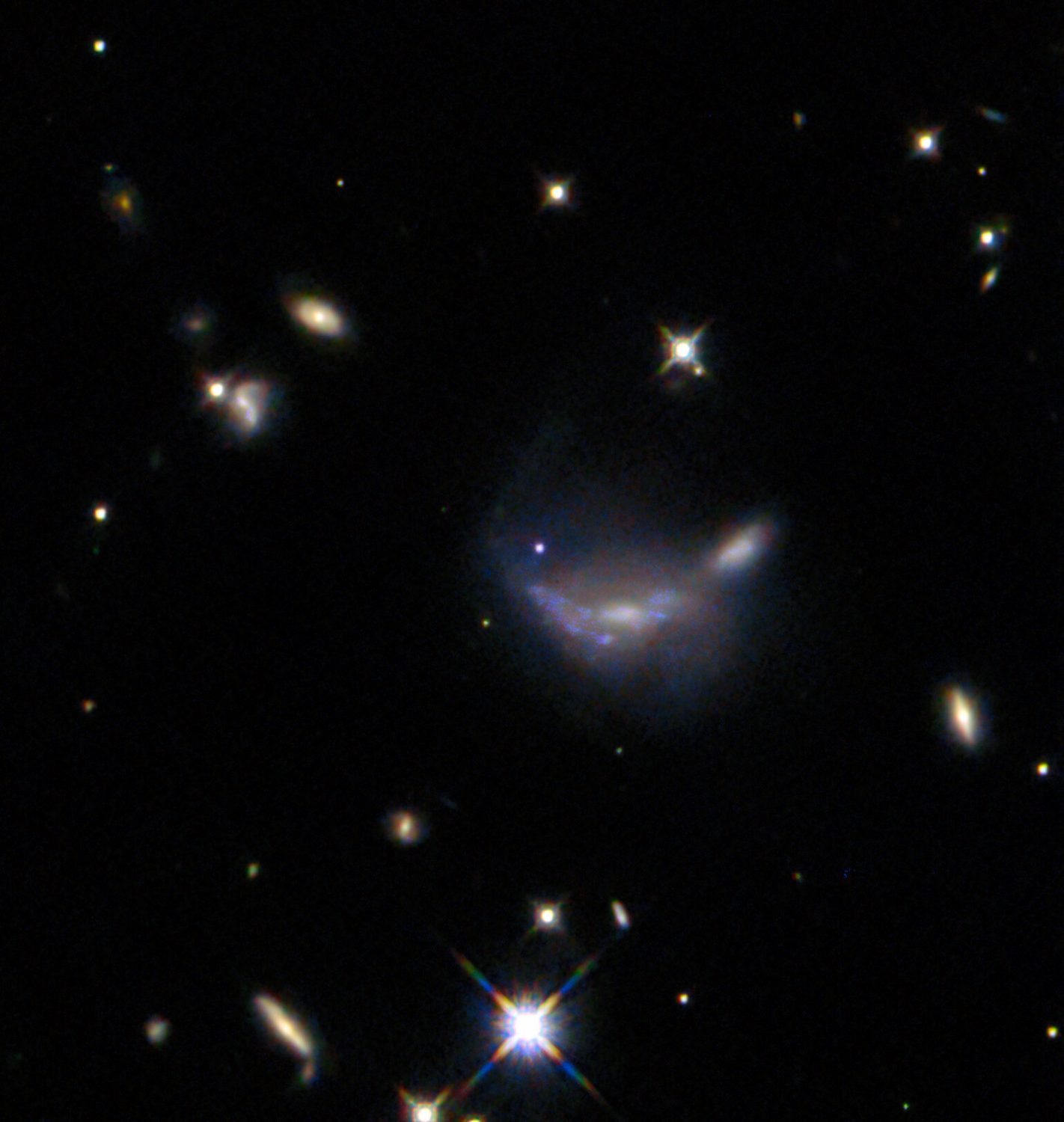
Credit: ESA/Hubble & NASA, R. J. Foley (UC Santa Cruz)
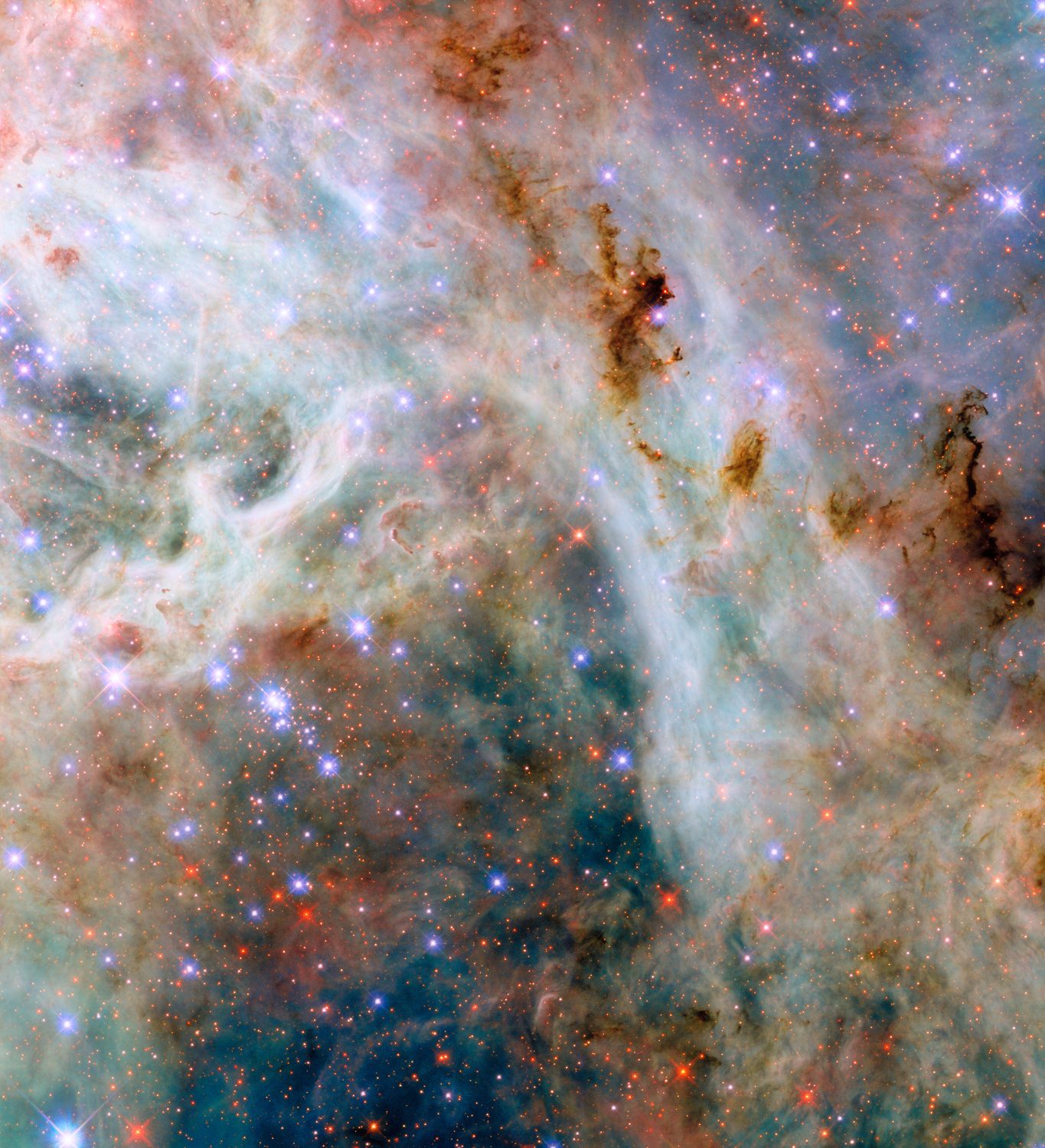
Credit: ESA/Hubble & NASA, C. Murray
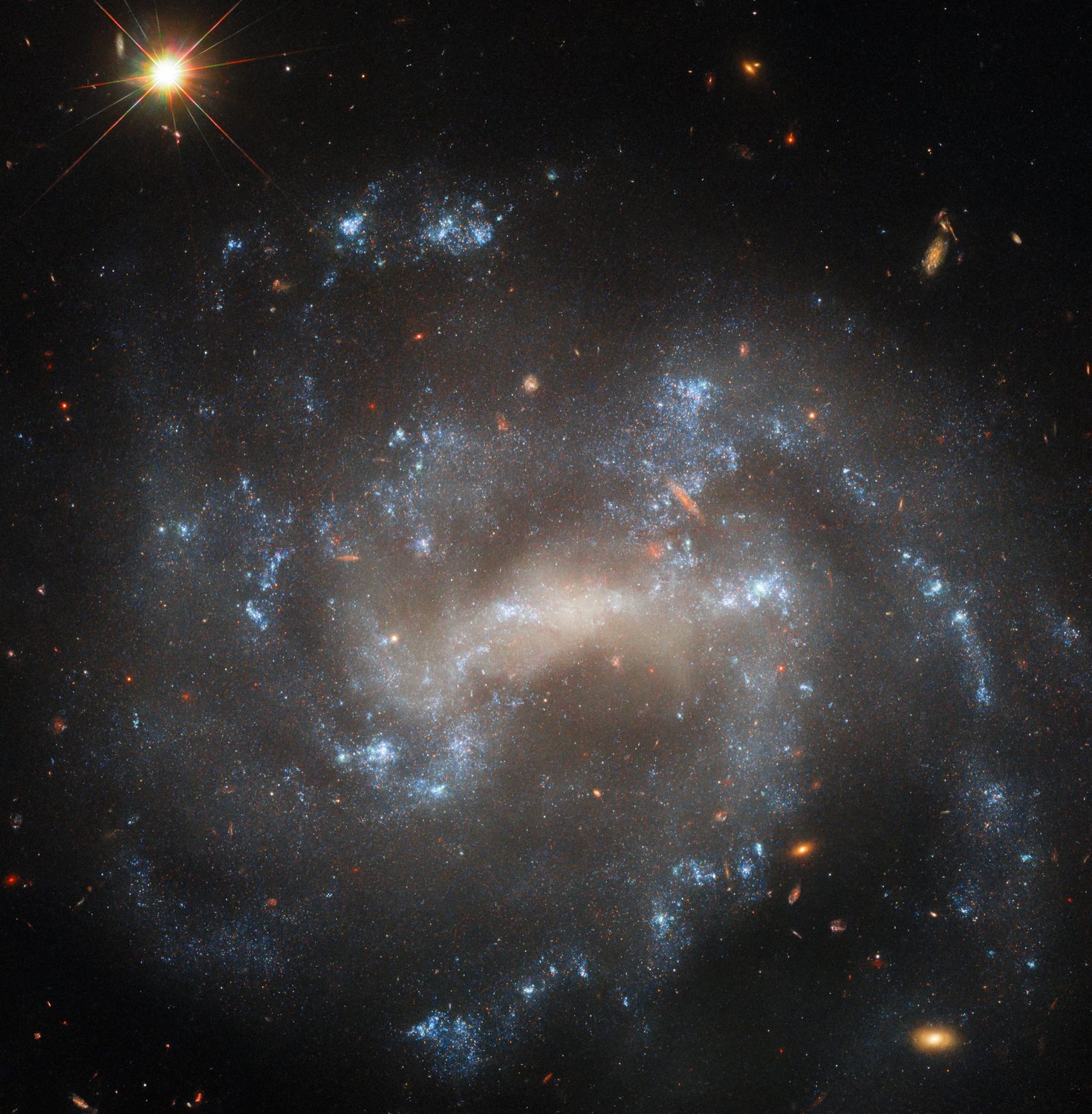
Credit: ESA/Hubble & NASA, W. Jacobson-Galán, A. Filippenko, J. Mauerhan
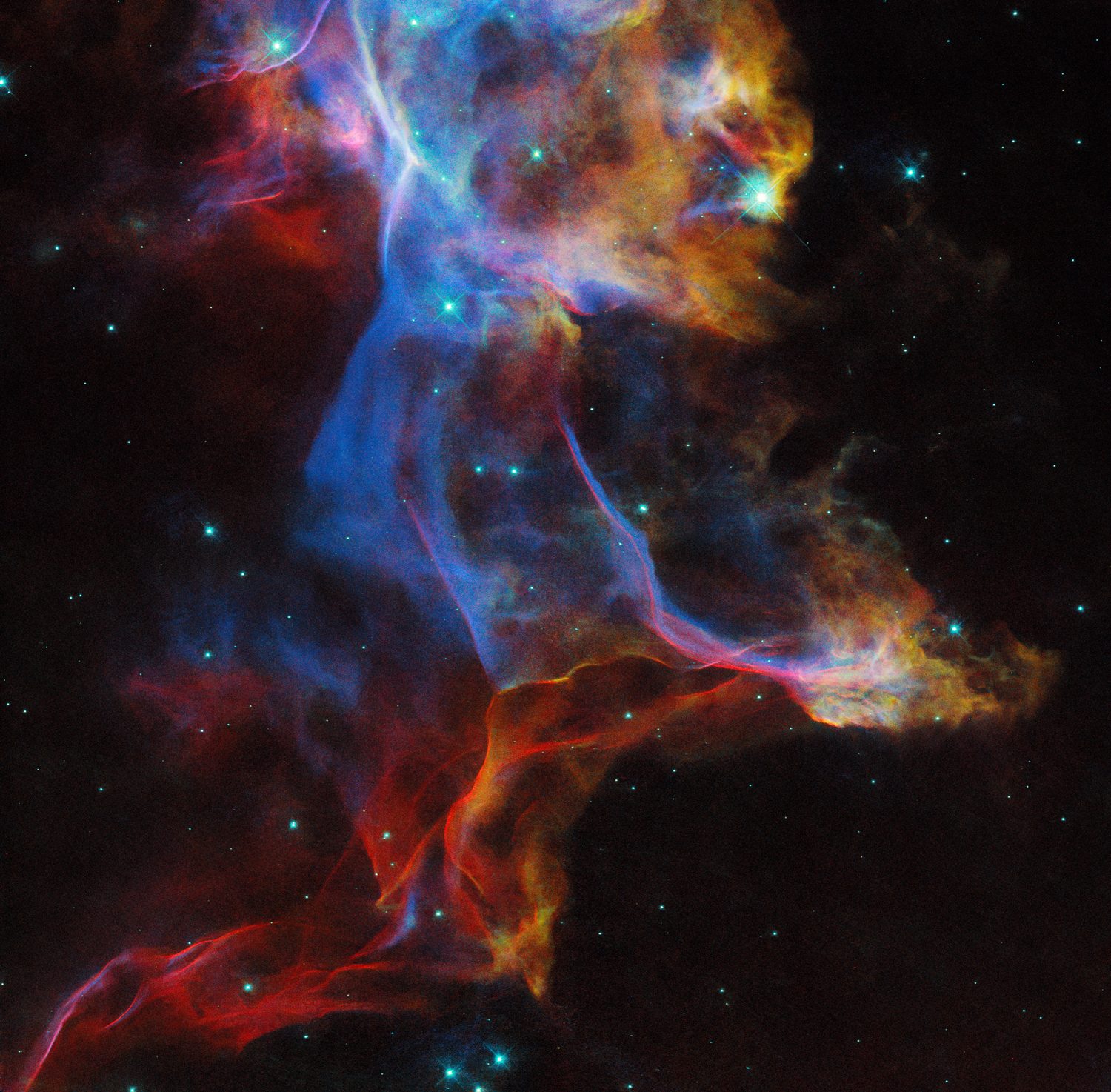
Credit: ESA/Hubble & NASA, R. Sankrit
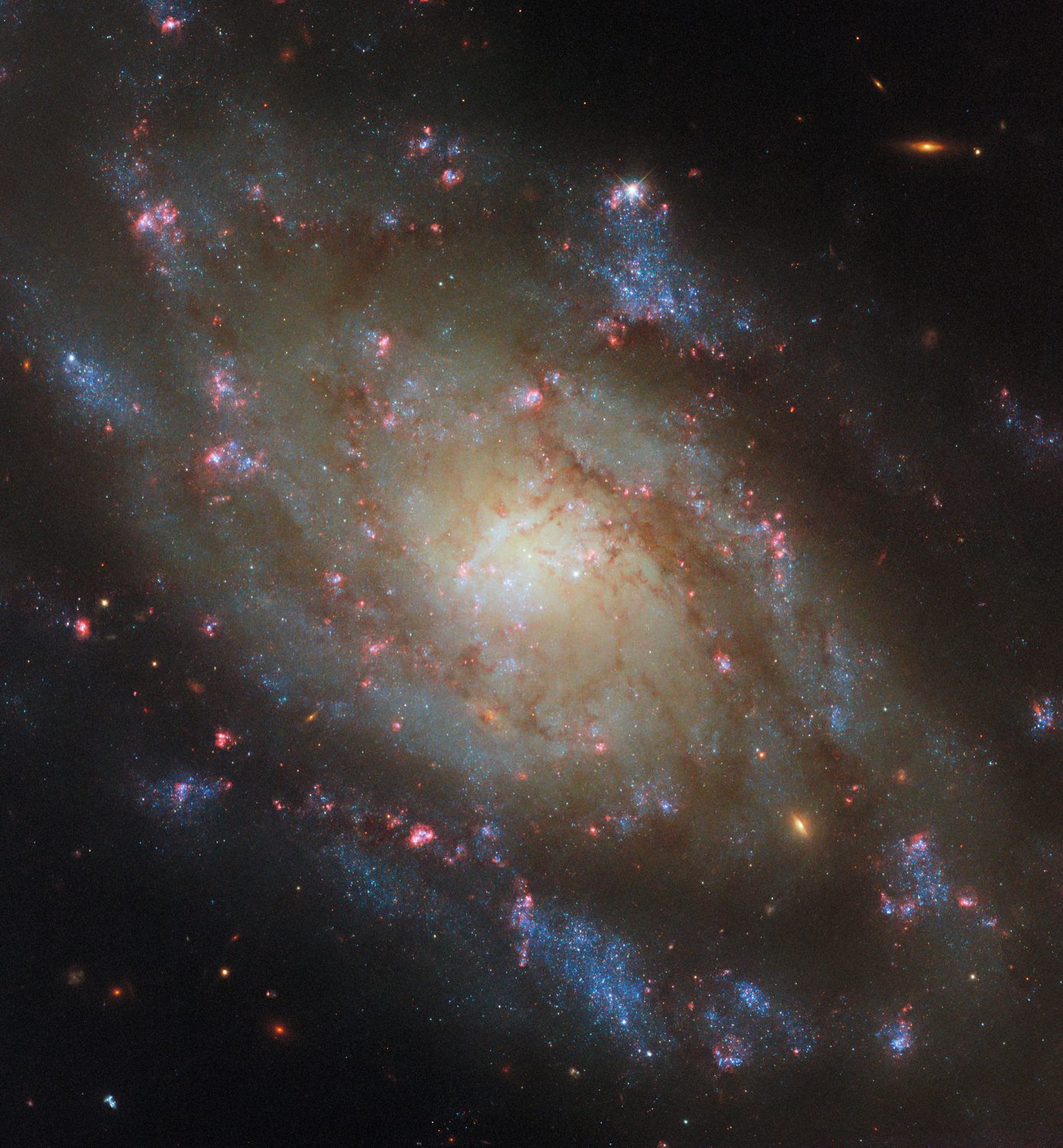
Credit: ESA/Hubble & NASA, D. Thilker
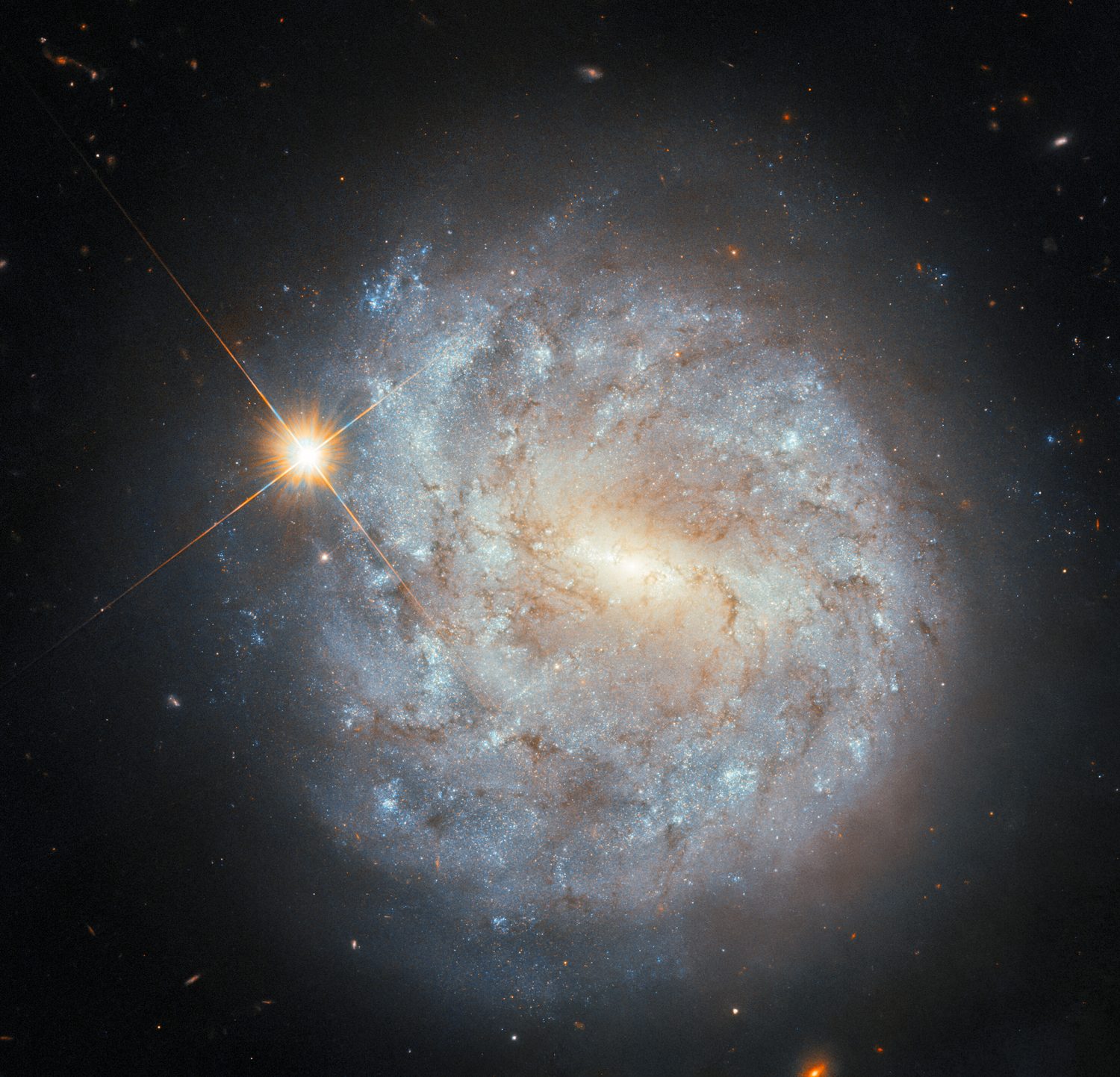
Credit: ESA/Hubble & NASA, S. J. Smartt, C. Kilpatrick
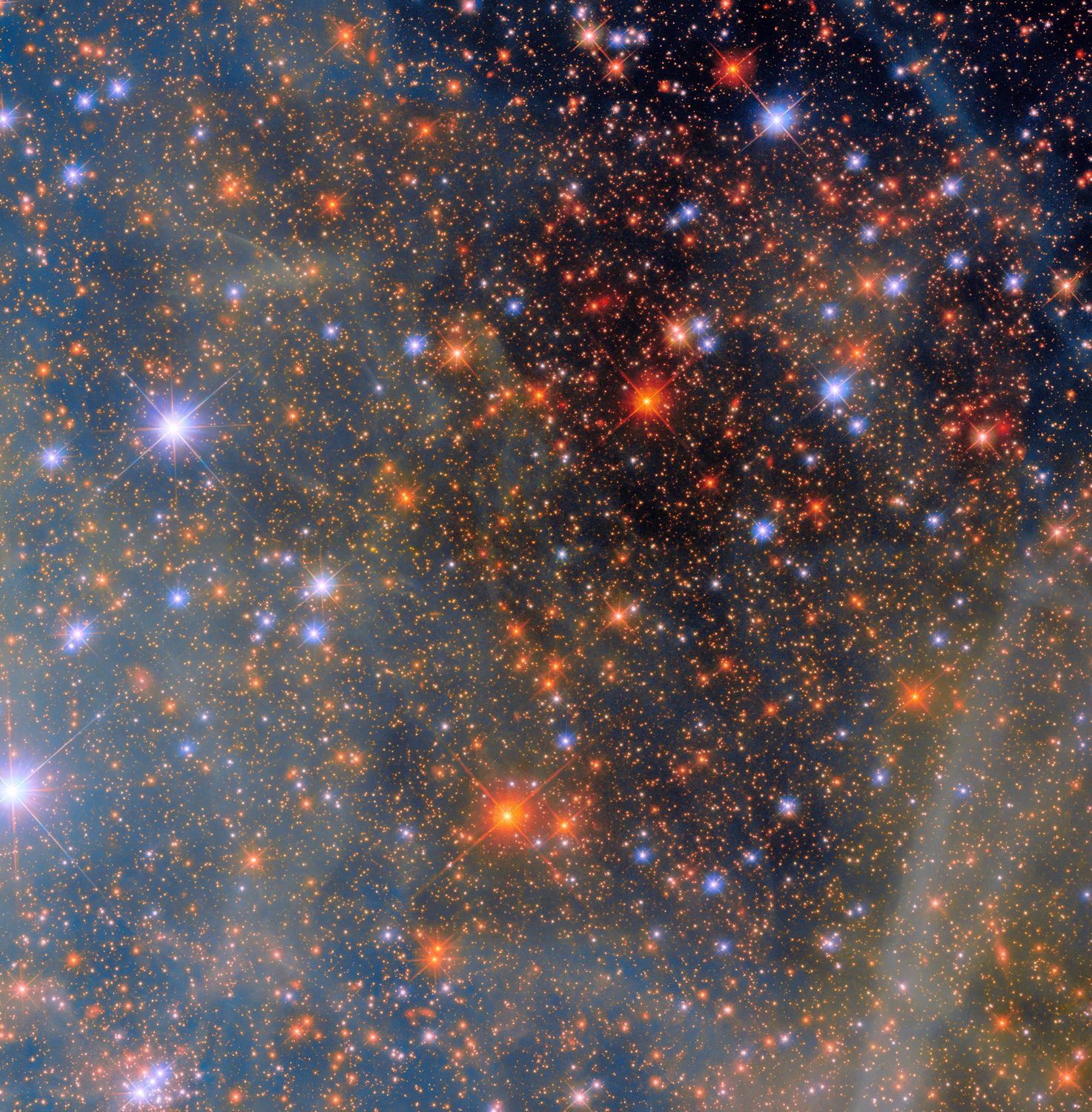
Credit: ESA/Hubble & NASA, C. Murray
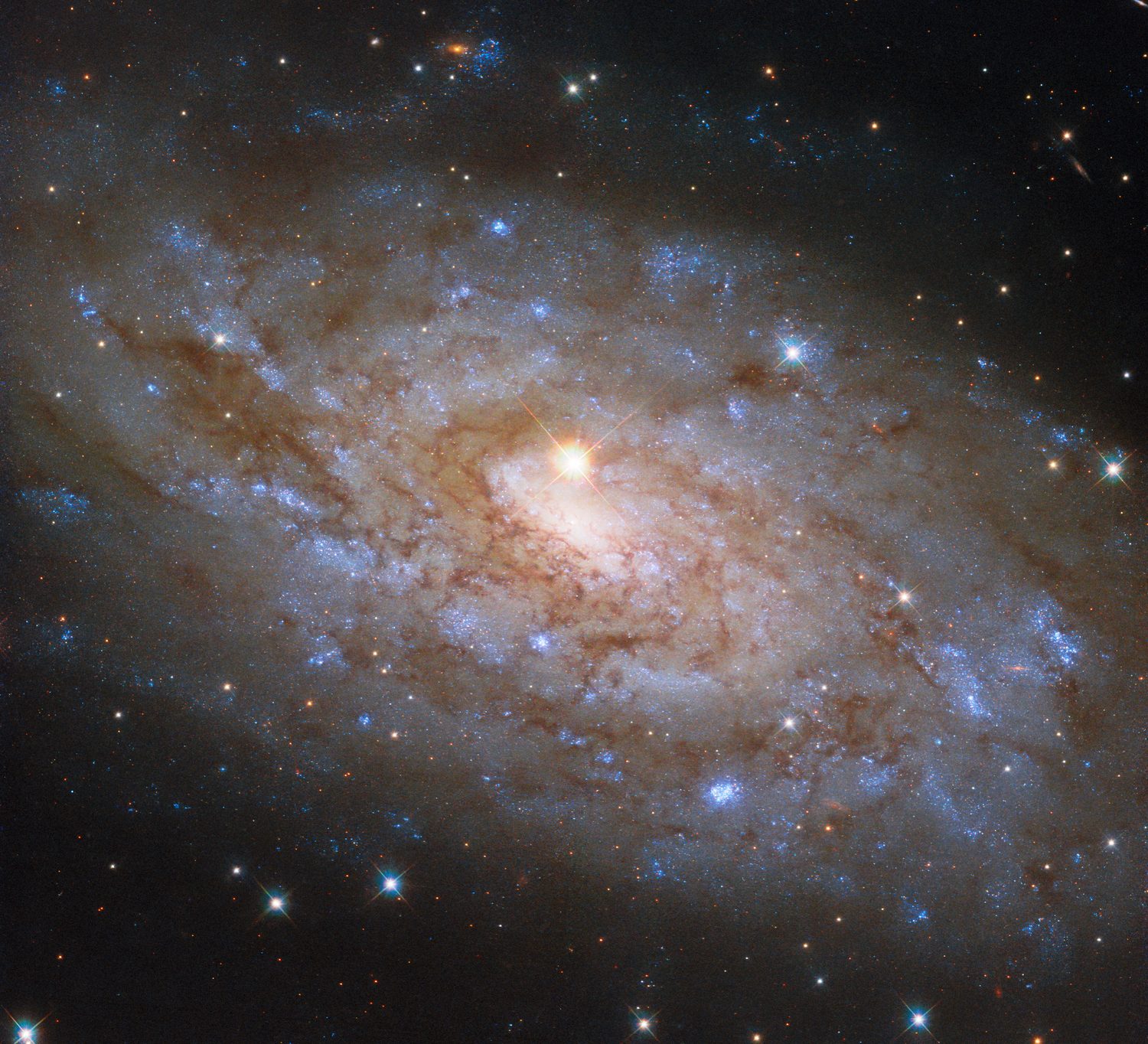
Credit: ESA/Hubble & NASA, D. Thilker
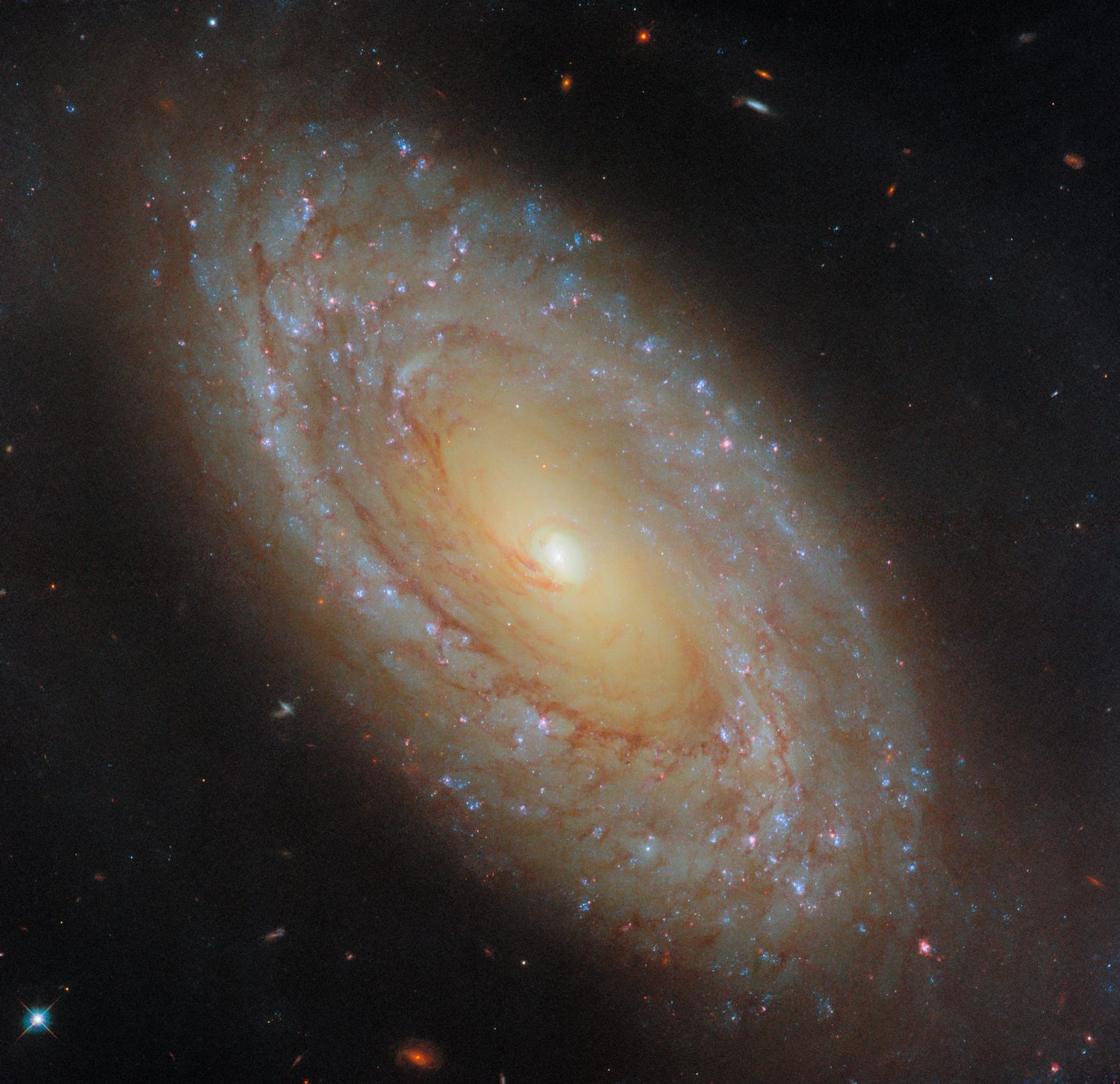
Credit: ESA/Hubble & NASA, D. Thilker
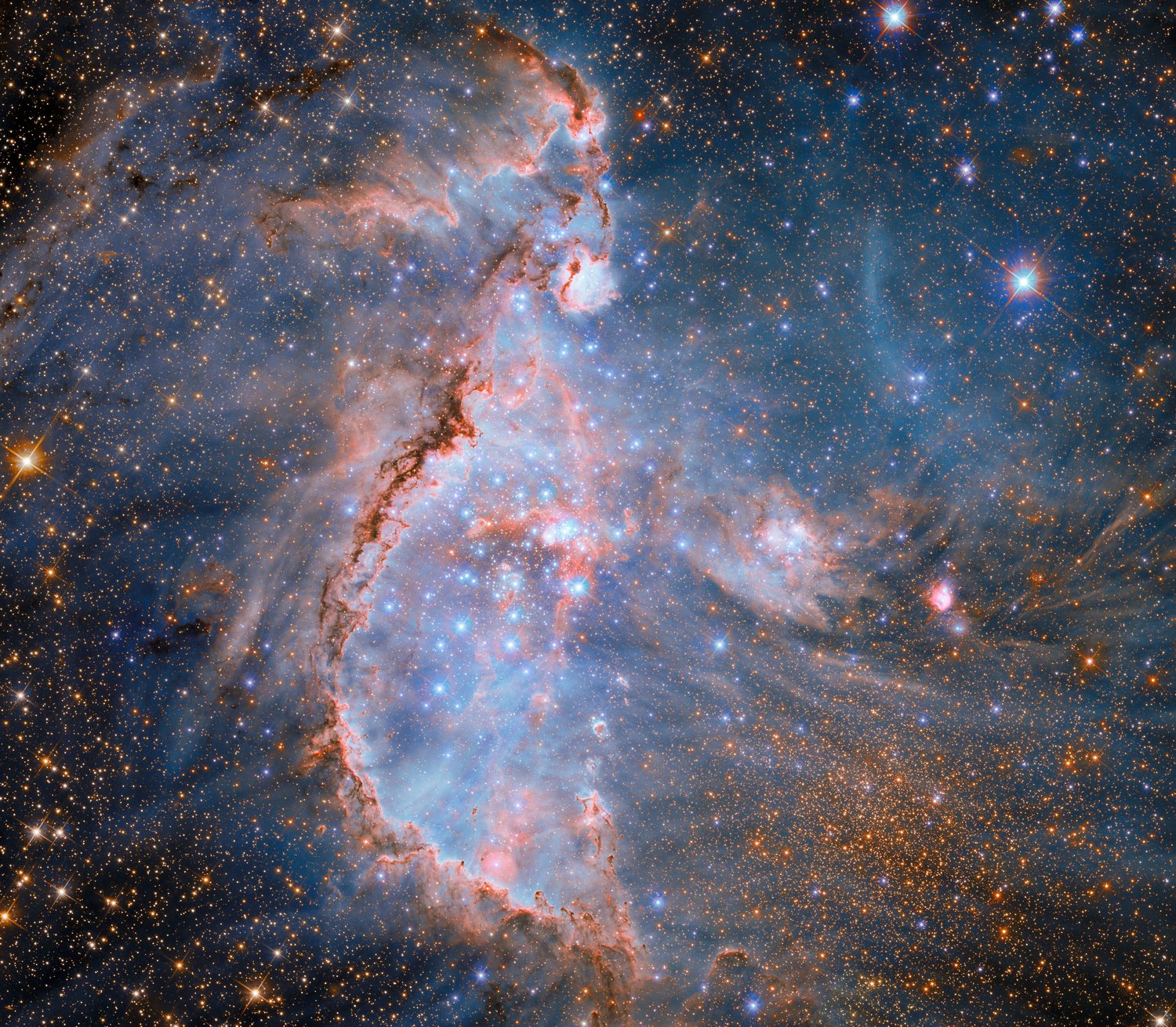
Credit: ESA/Hubble & NASA, A. Nota, P. Massey, E. Sabbi, C. Murray, M. Zamani (ESA/Hubble)
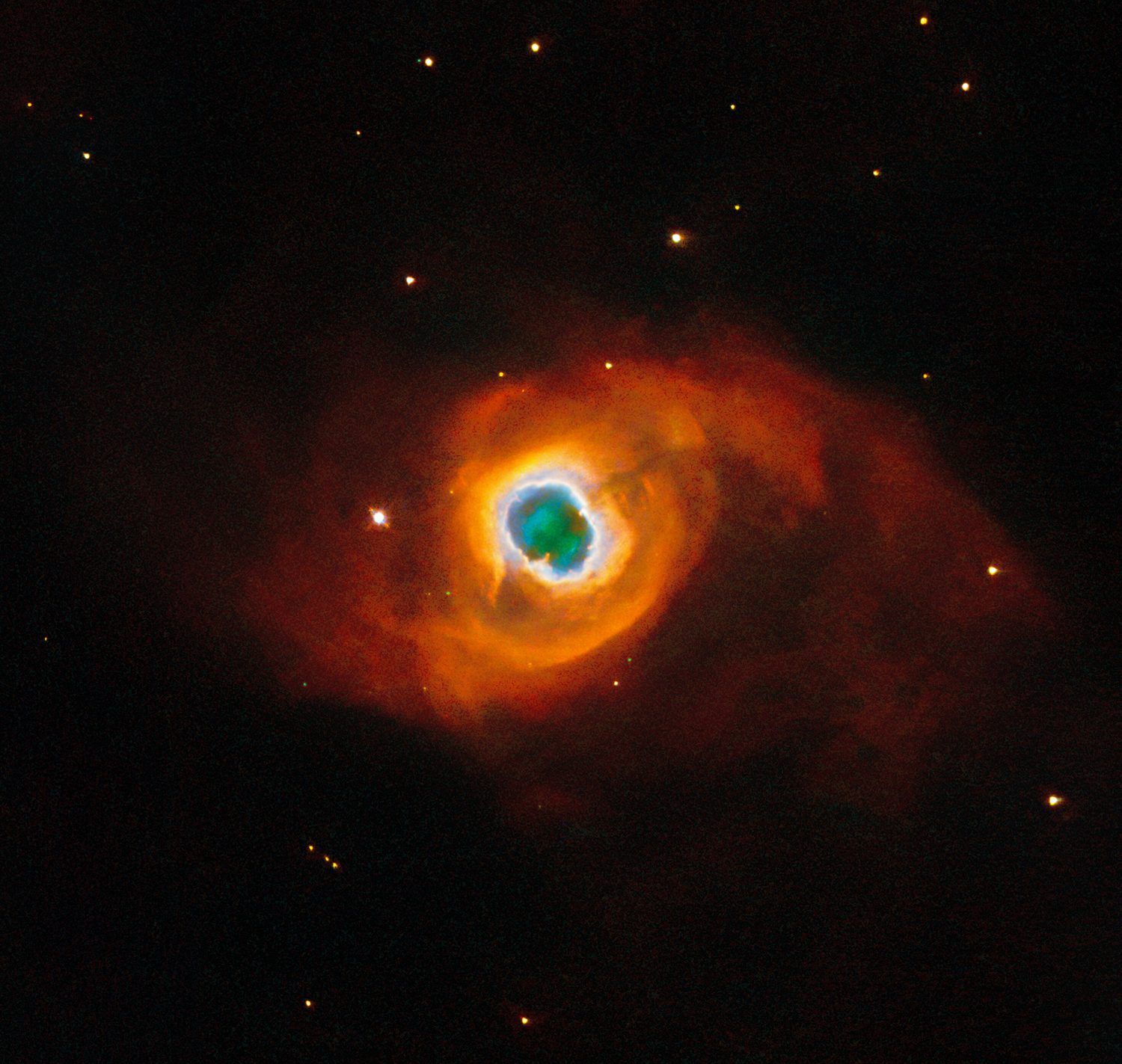
Credit: ESA/Hubble & NASA, K. Noll
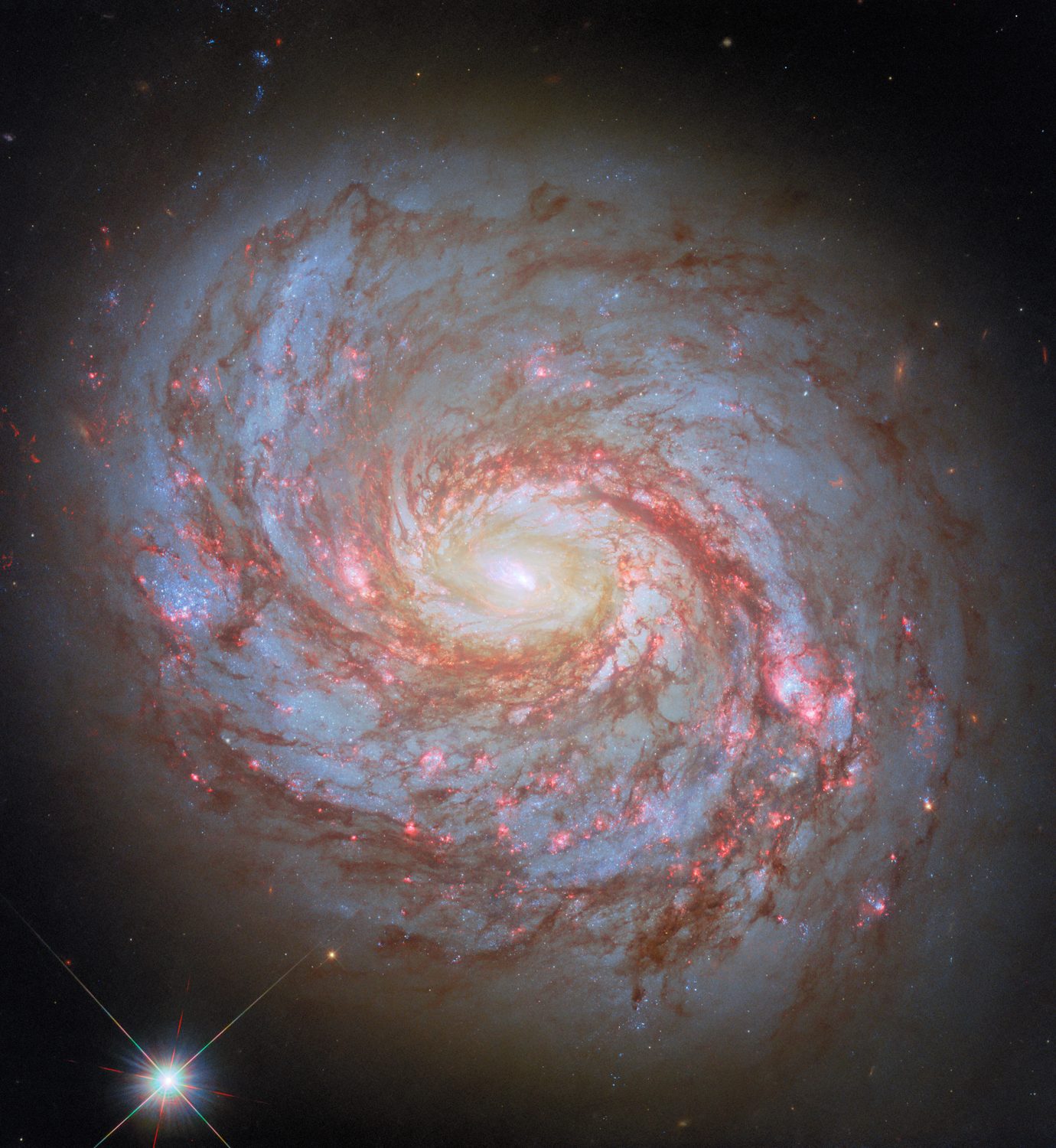
Credit: ESA/Hubble & NASA, L. C. Ho, D. Thilker
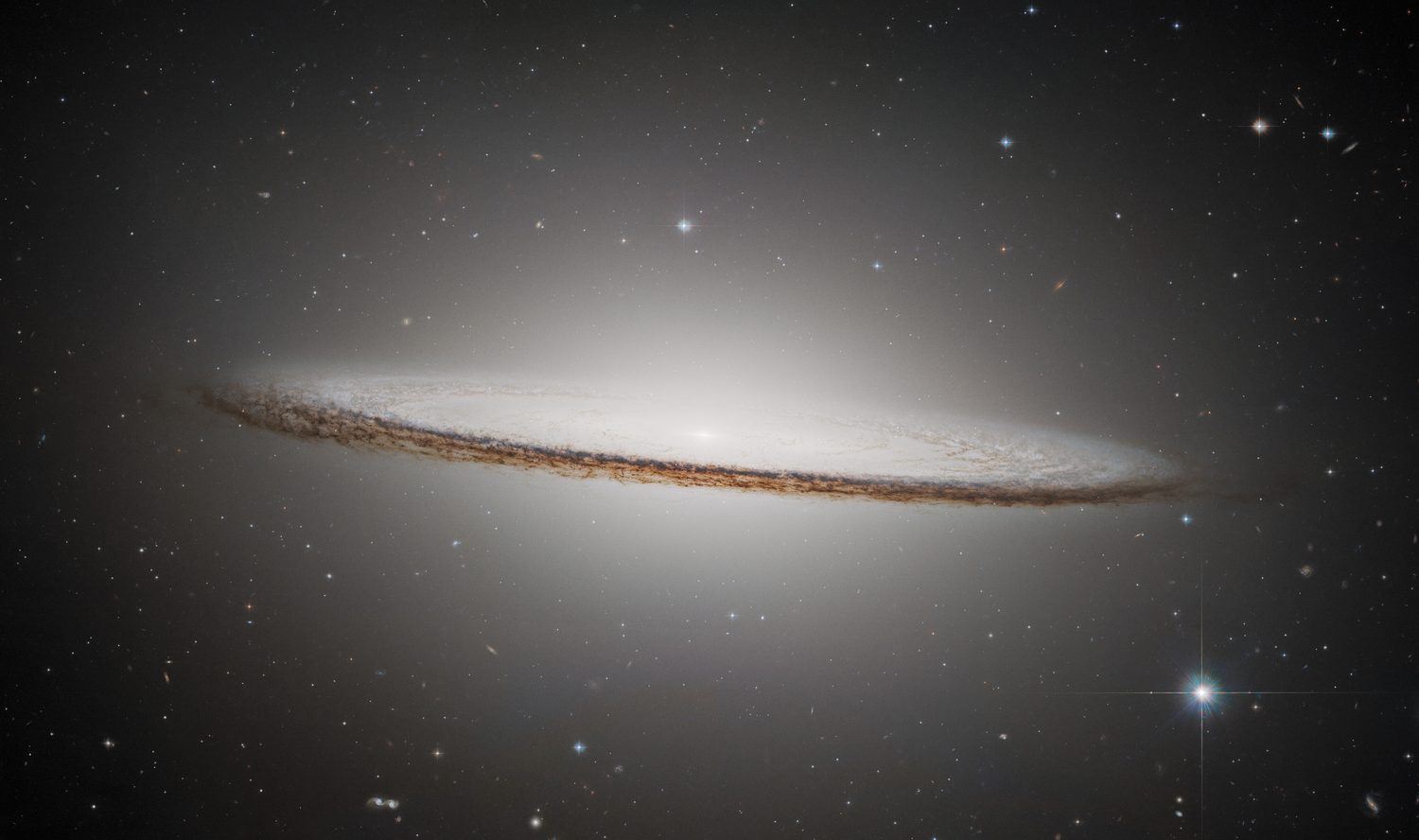
Credit: ESA/Hubble & NASA, K. Noll
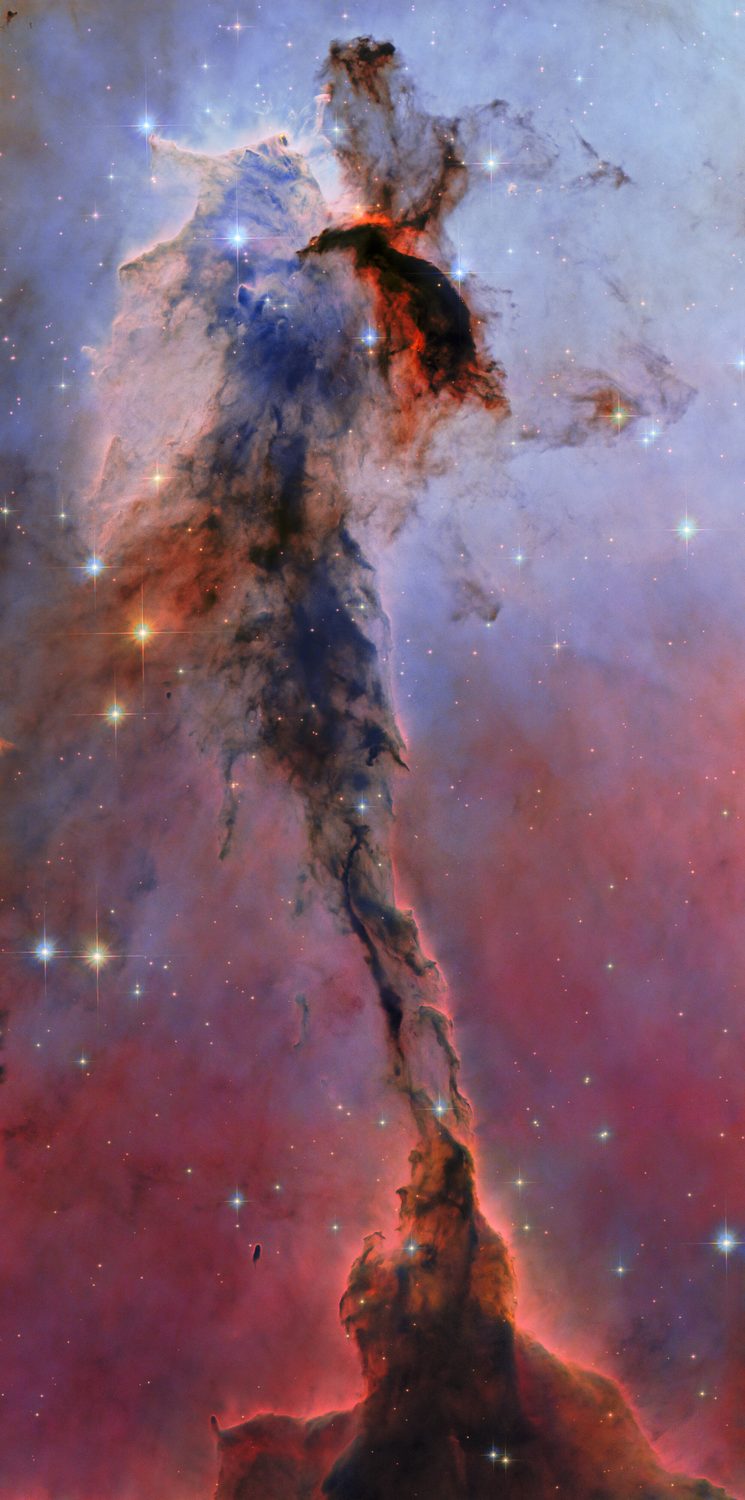
Credit: ESA/Hubble & NASA, K. Noll
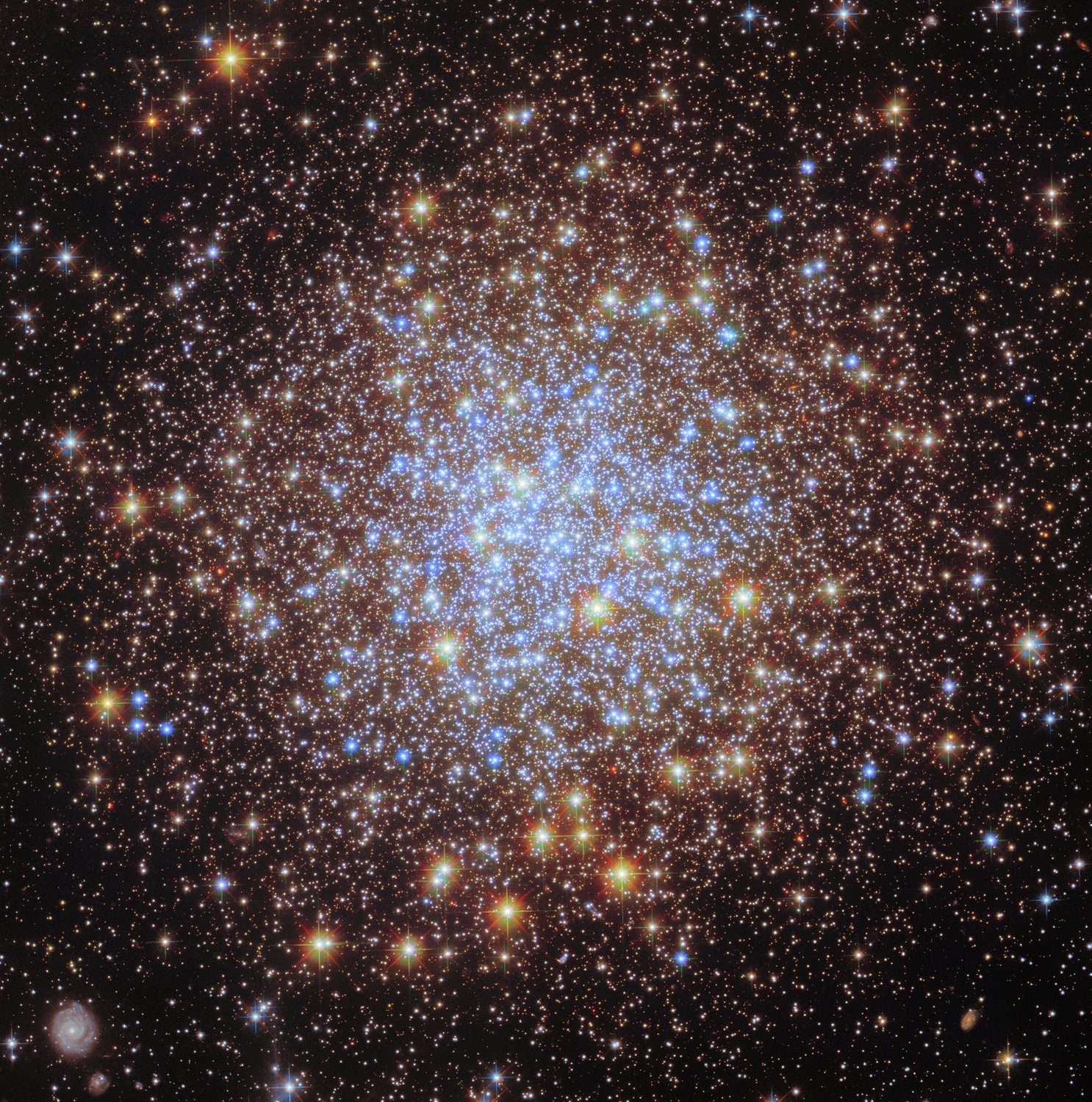
Credit: ESA/Hubble & NASA, A. Sarajedini, G. Piotto, M. Libralato
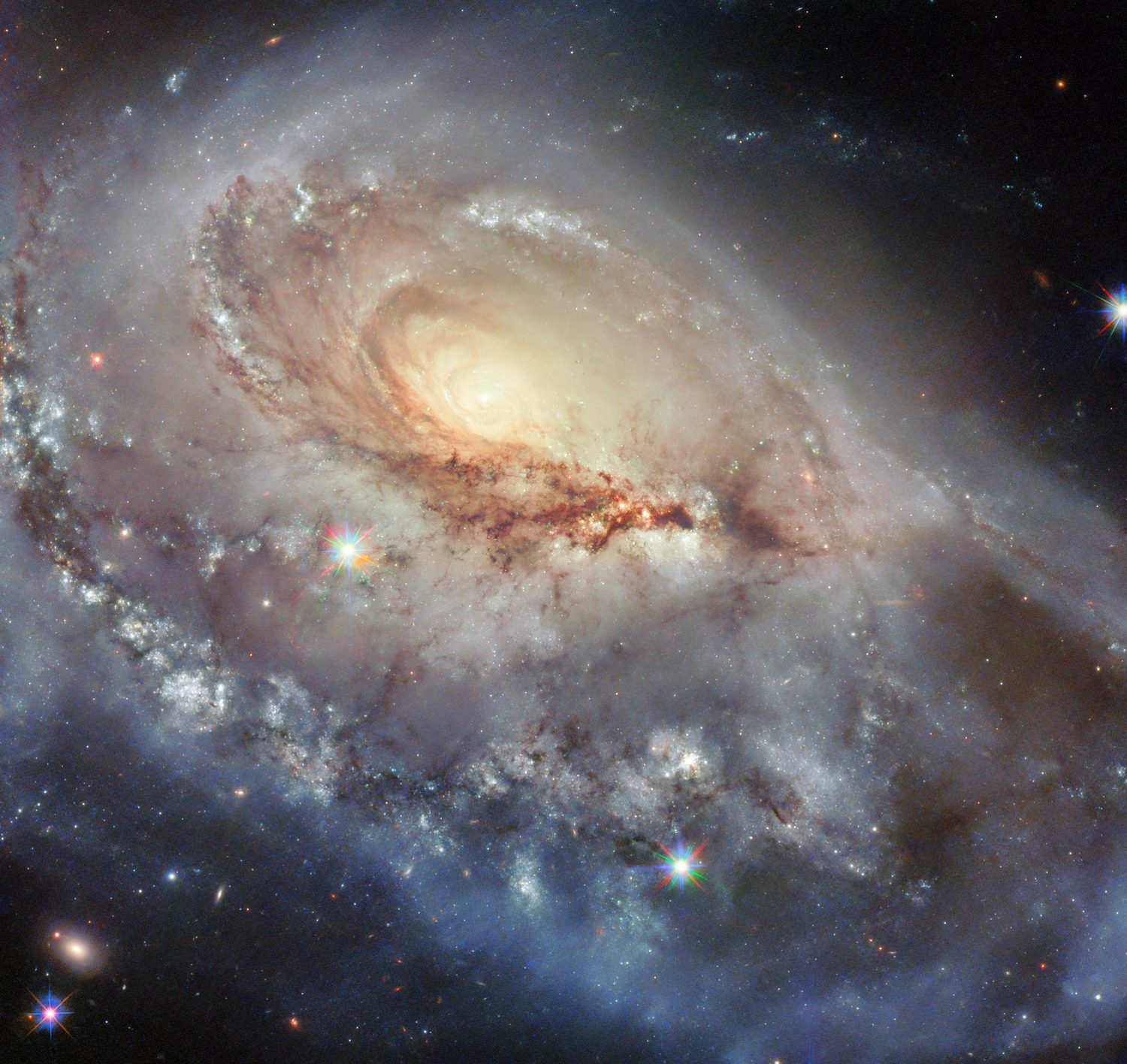
Credit: ESA/Hubble & NASA, J. Dalcanton, R. J. Foley (UC Santa Cruz), C. Kilpatrick
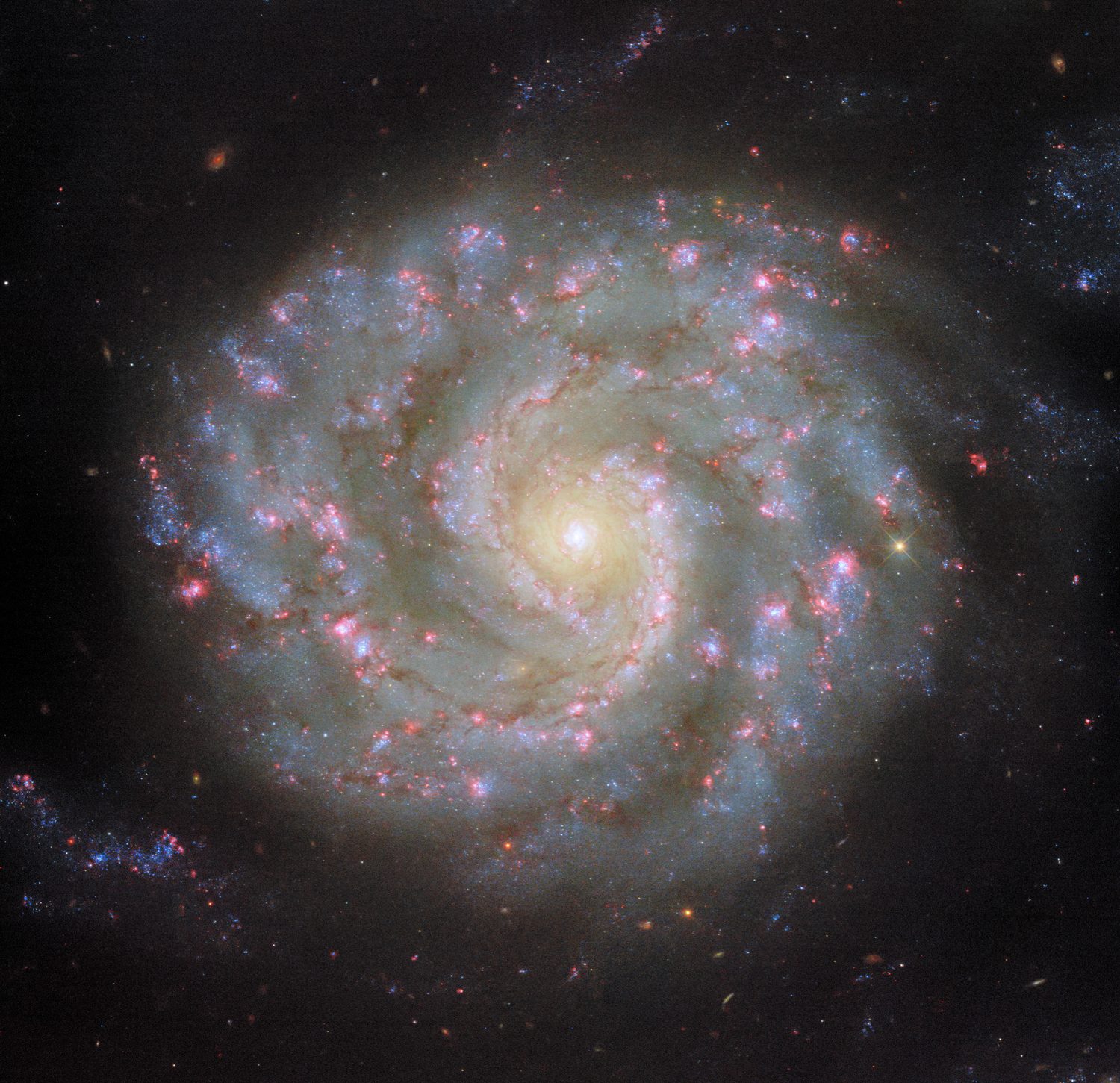
Credit: ESA/Hubble & NASA, D. Thilker
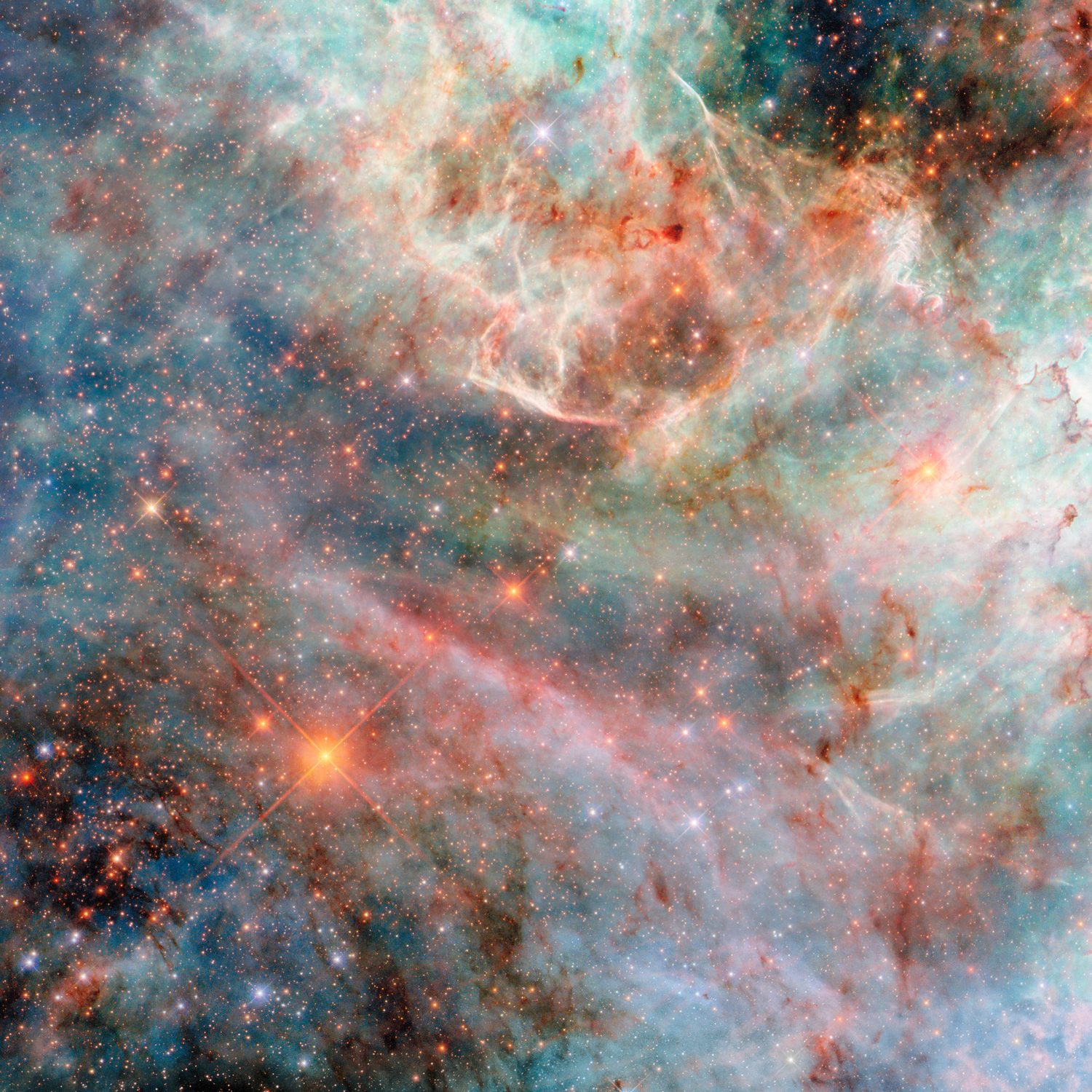
Credit: ESA/Hubble & NASA, C. Murray
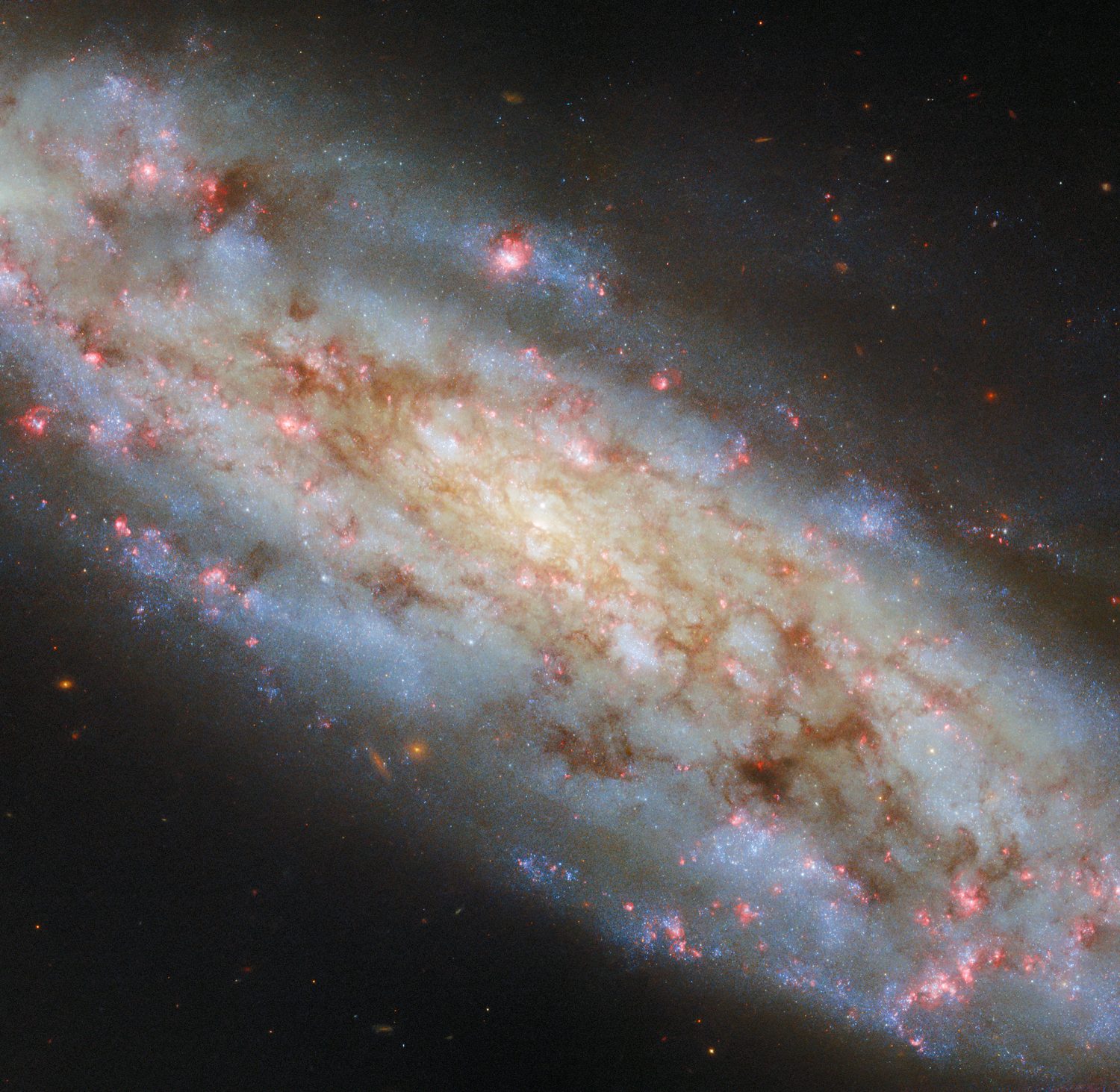
Credit: ESA/Hubble & NASA, D. Thilker
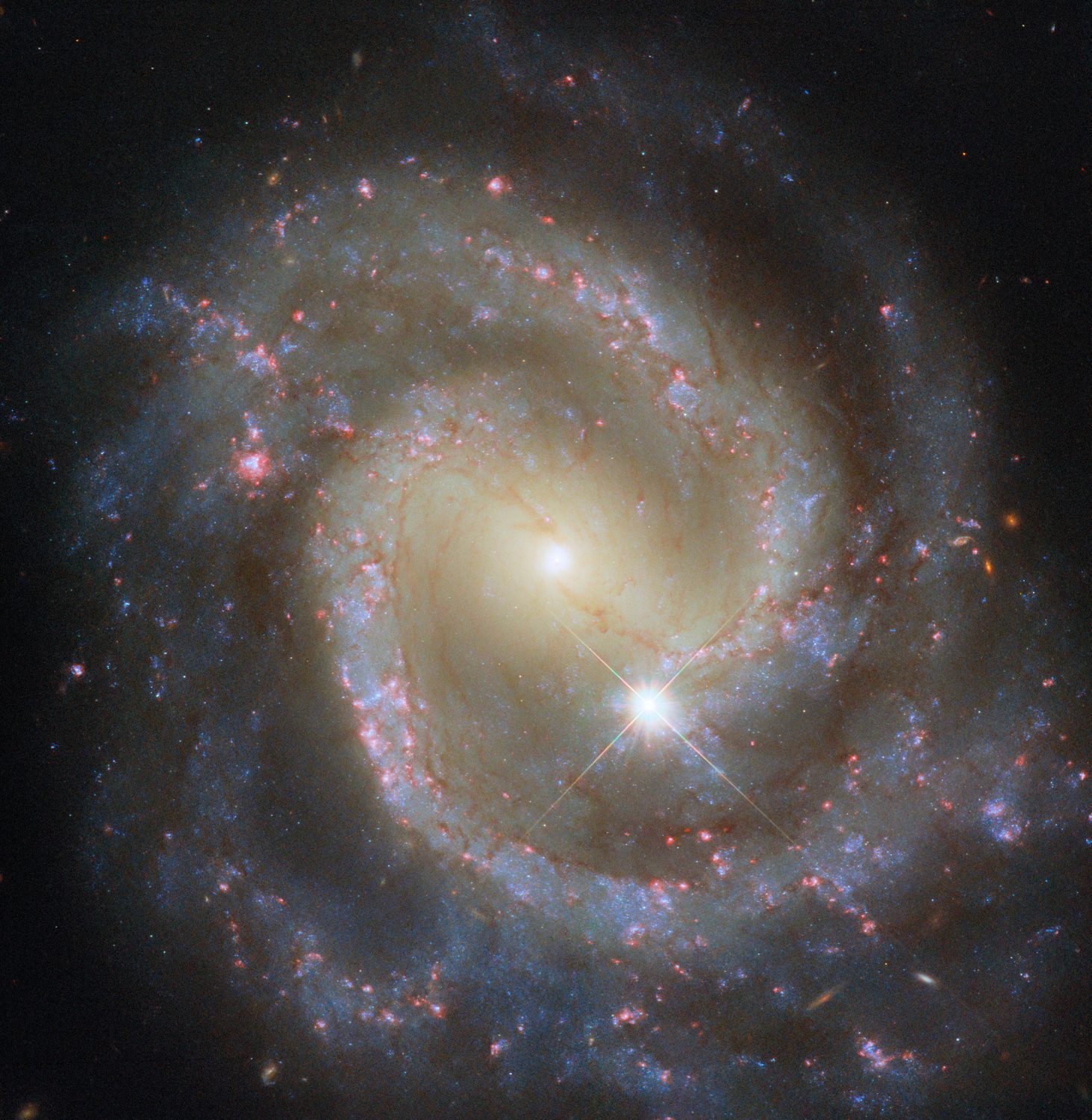
Credit: ESA/Hubble & NASA, D. Thilker
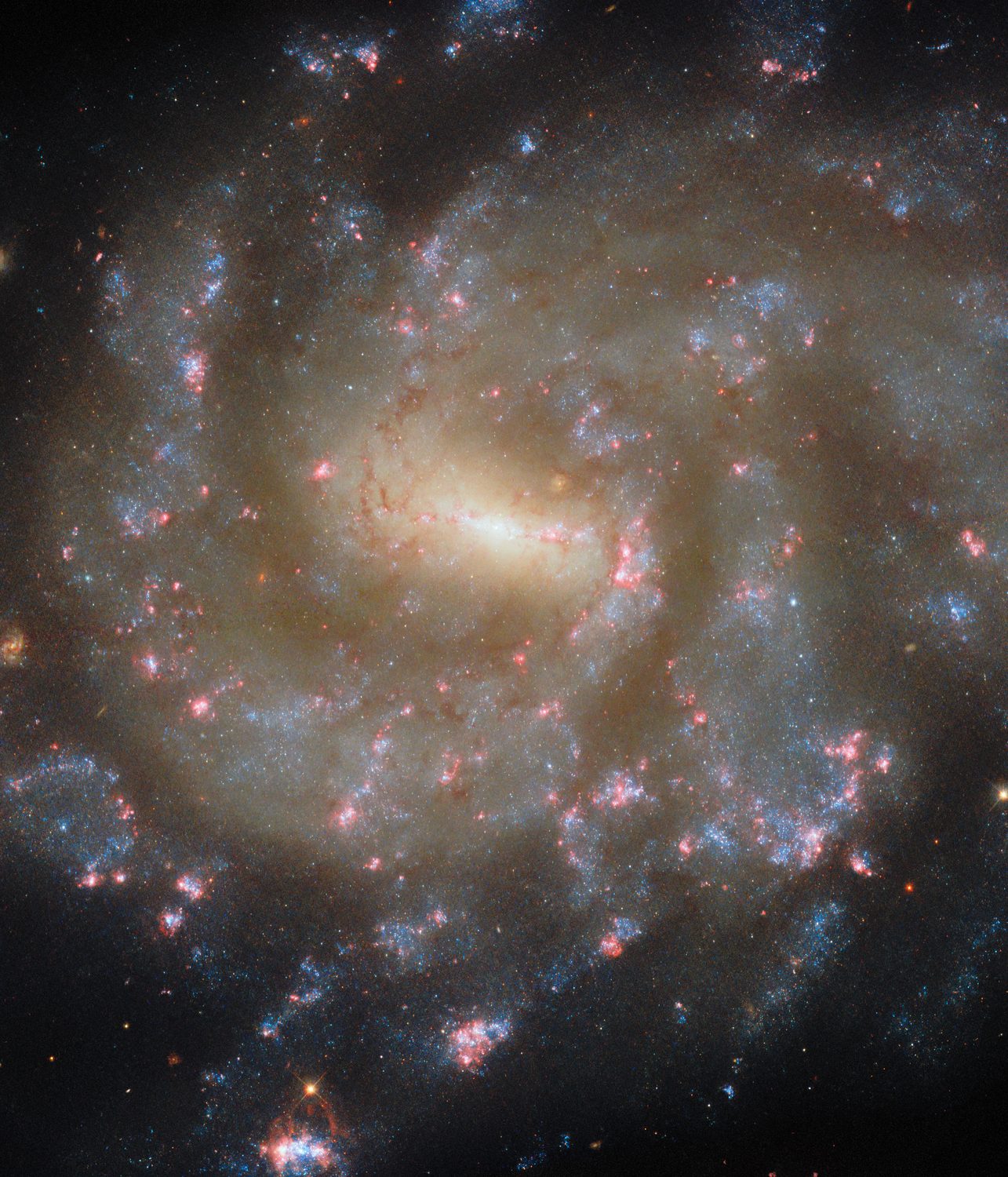
Credit: ESA/Hubble & NASA, J. Lee, F. Belfiore
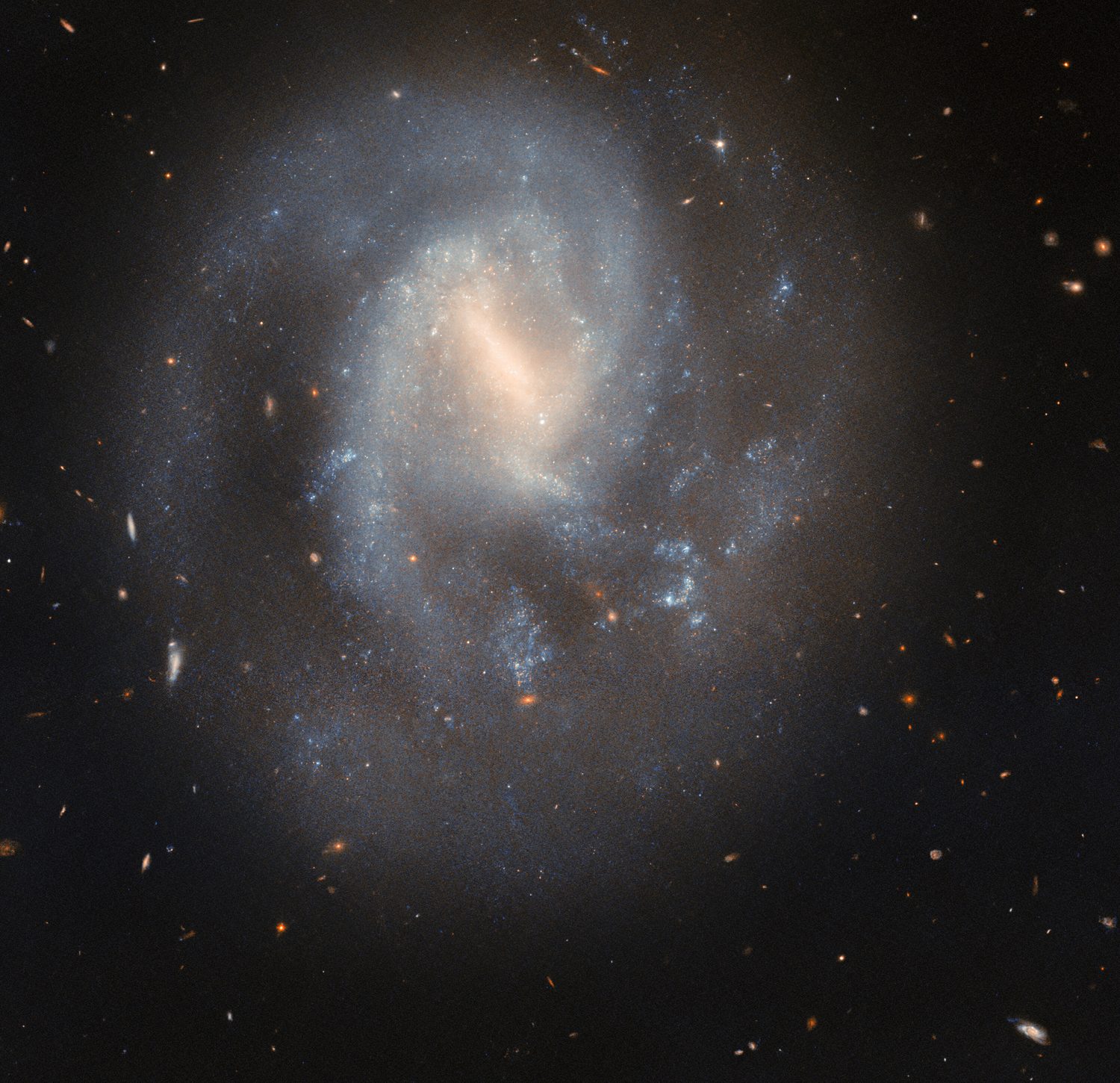
Credit: ESA/Hubble & NASA, C. Kilpatrick
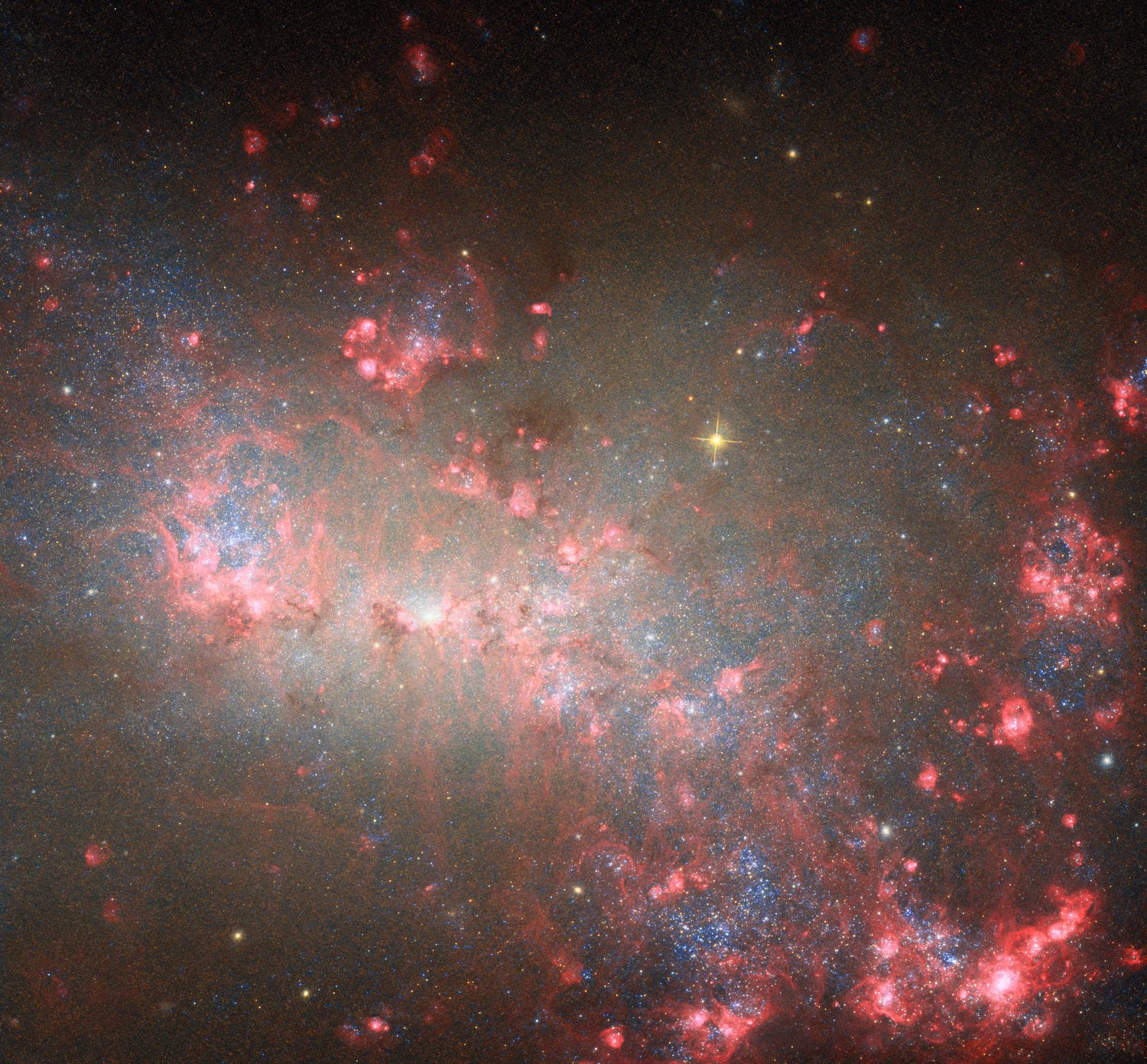
Credit: ESA/Hubble & NASA, E. Sabbi, D. Calzetti, A. Aloisi
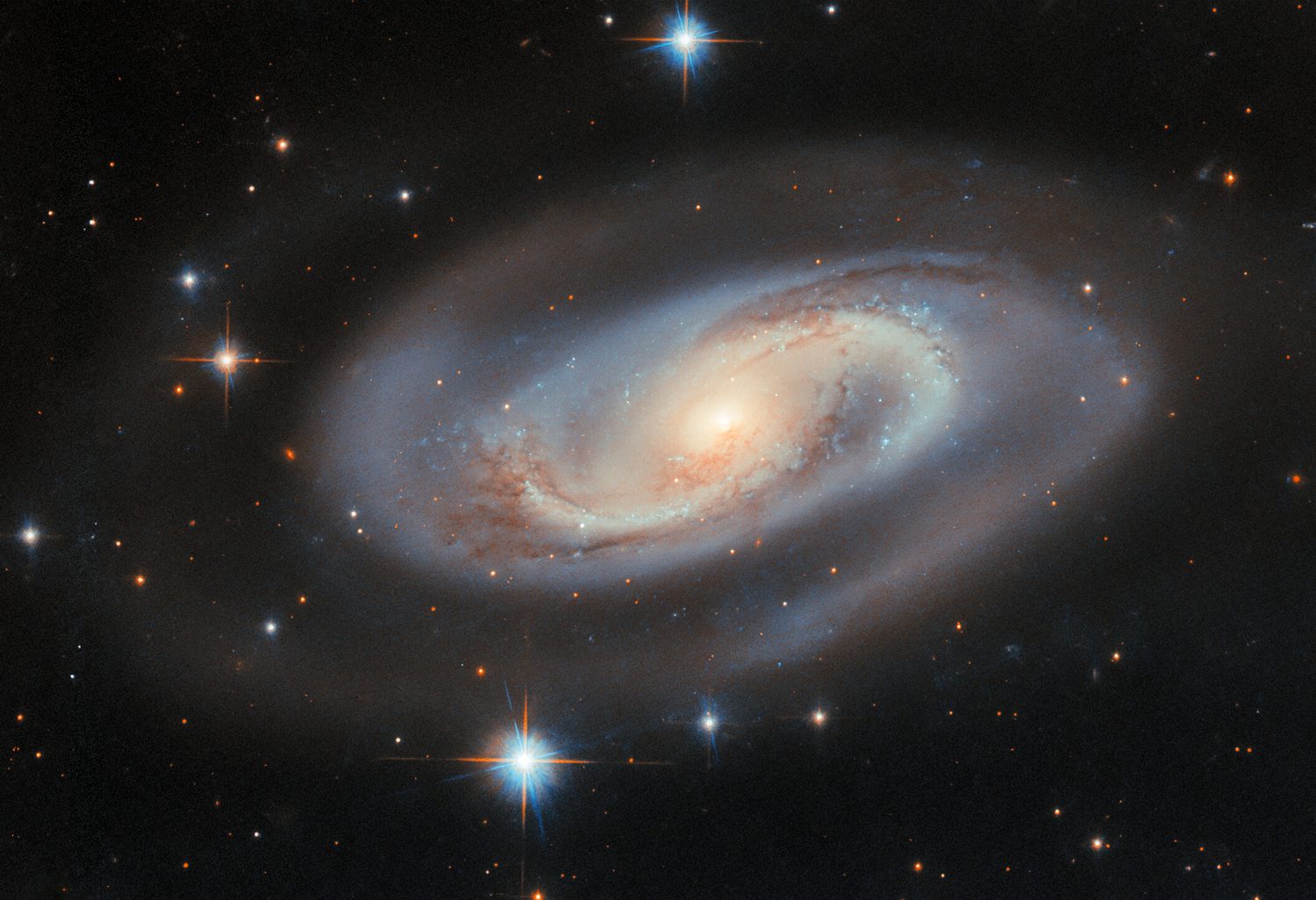
Credit: ESA/Hubble & NASA, M. J. Koss, A. J. Barth
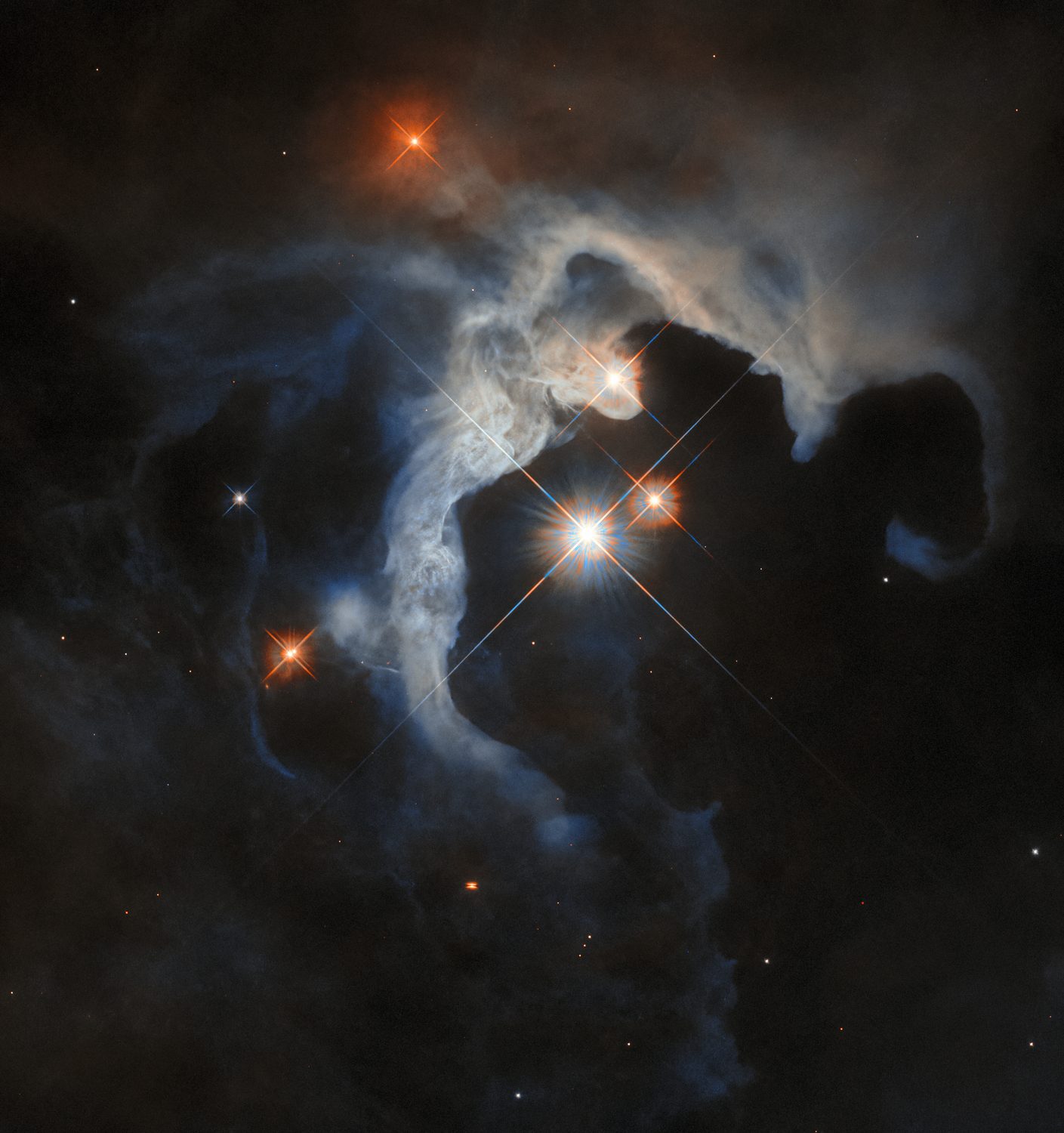
Credit: ESA/Hubble & NASA, G. Duchêne
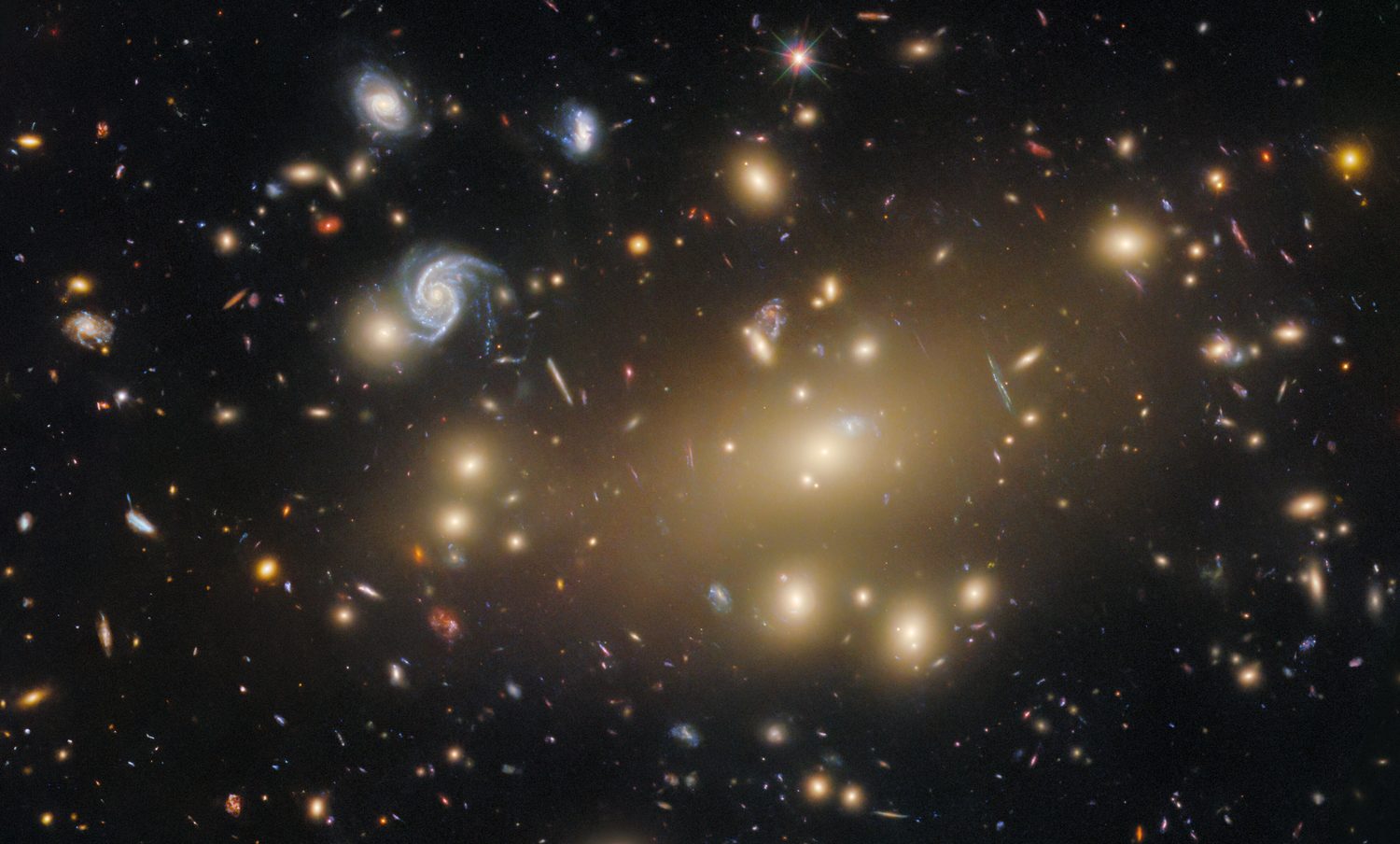
Credit: ESA/Hubble & NASA, M. Postman, P. Kelly
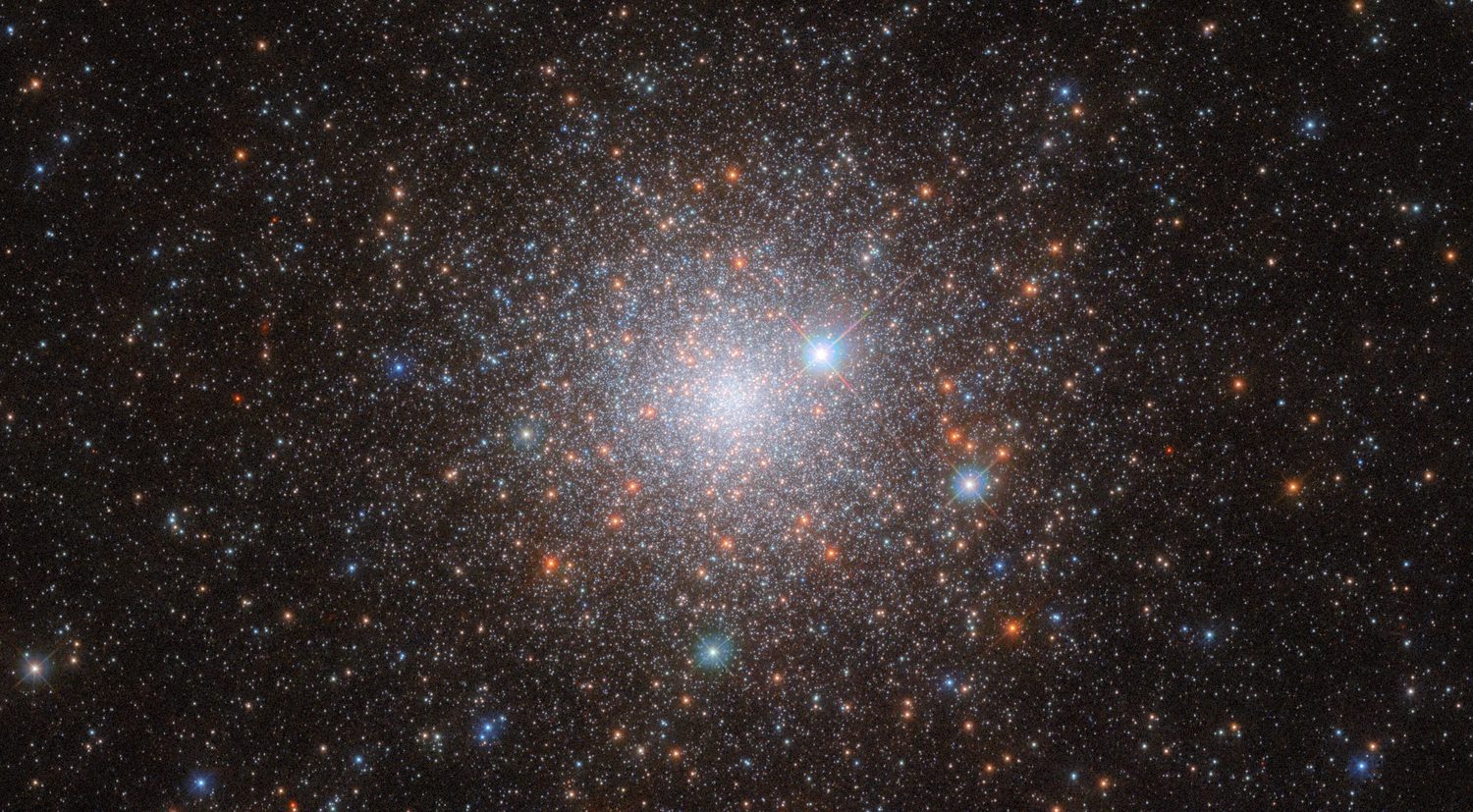
Credit: ESA/Hubble & NASA, M. MonelliAcknowledgement: M. H. Özsaraç
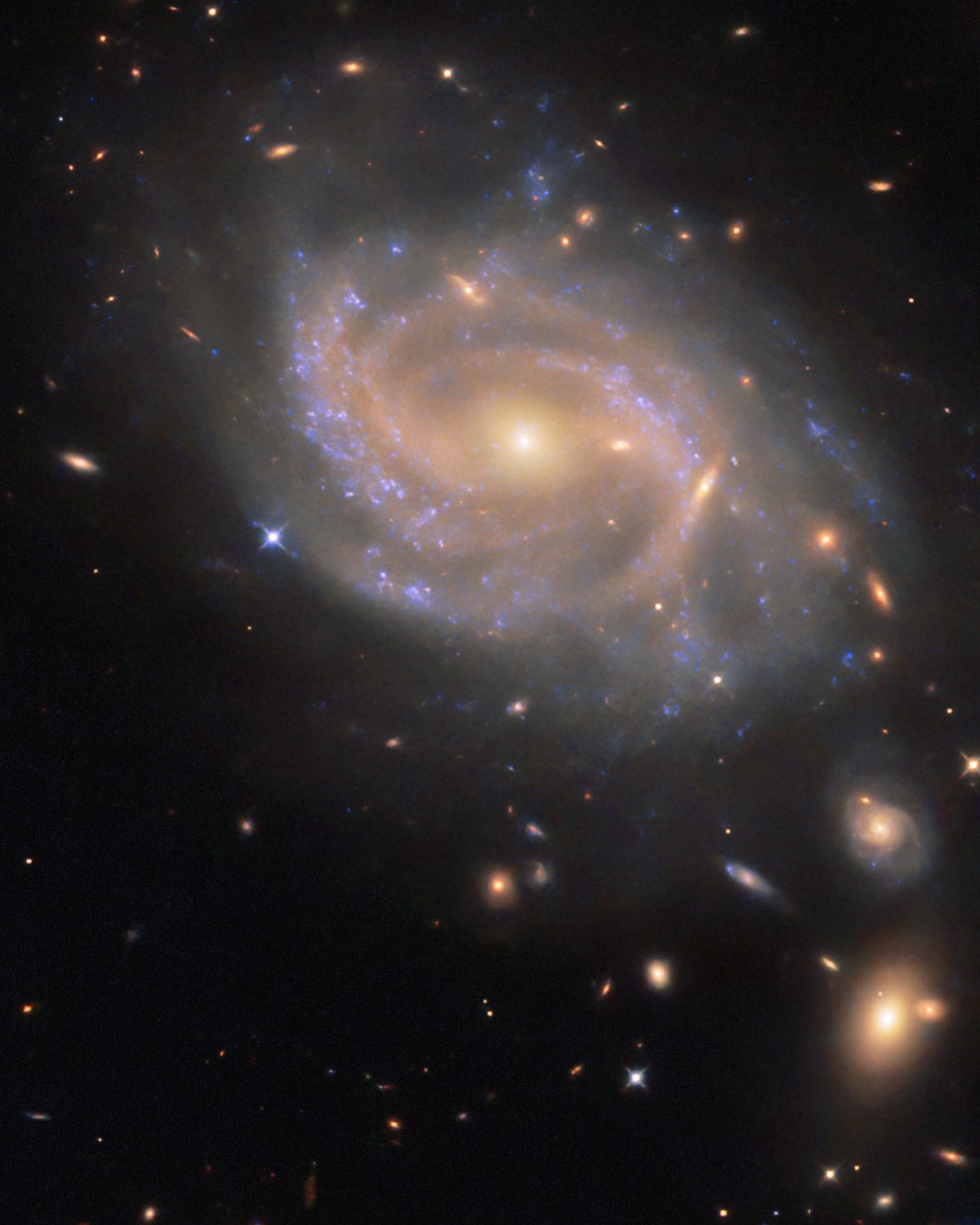
Credit: ESA/Hubble & NASA, R. J. Foley (UC Santa Cruz)
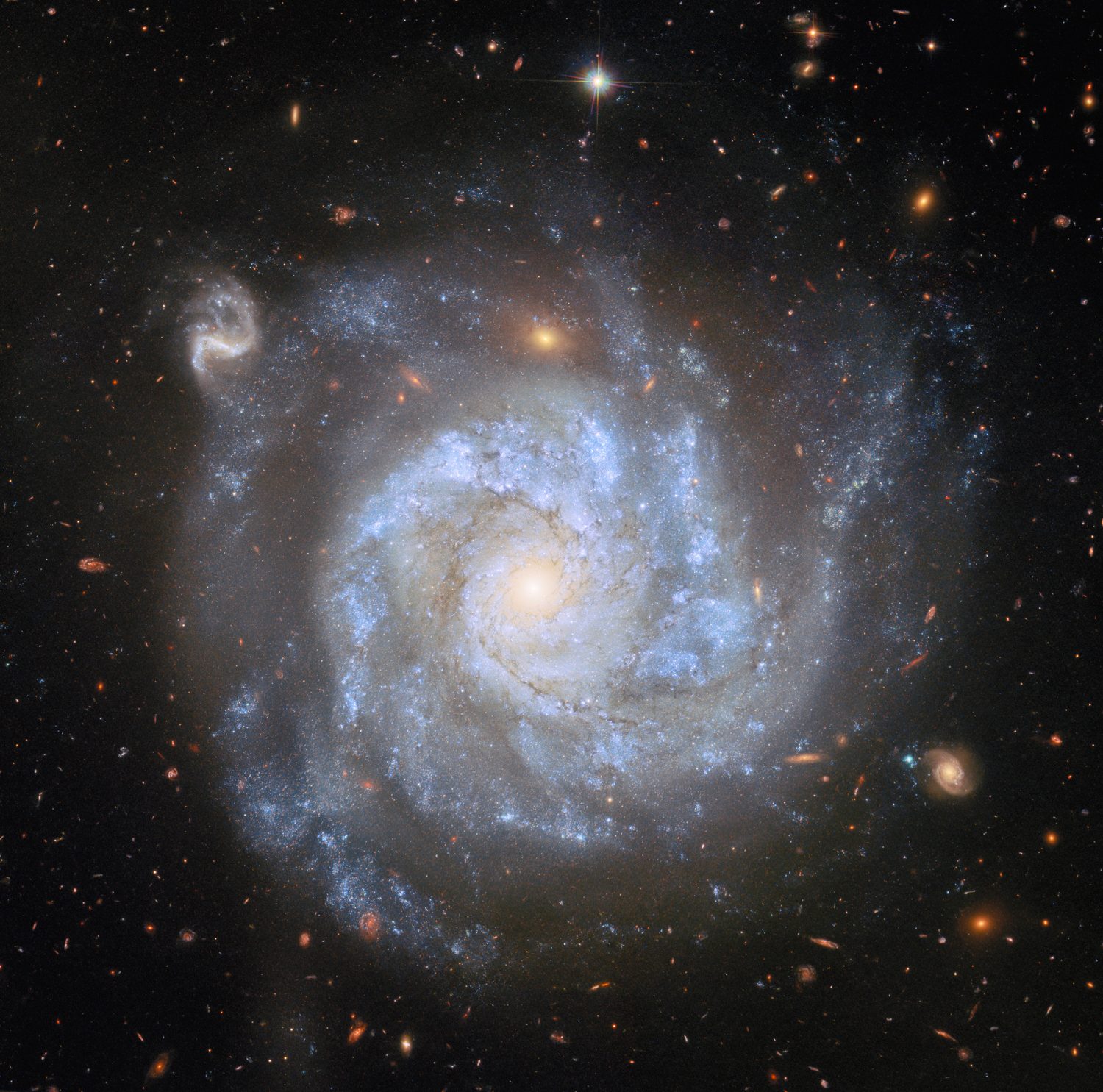
Credit: ESA/Hubble & NASA, L. Galbany, S. Jha, K. Noll, A. Riess
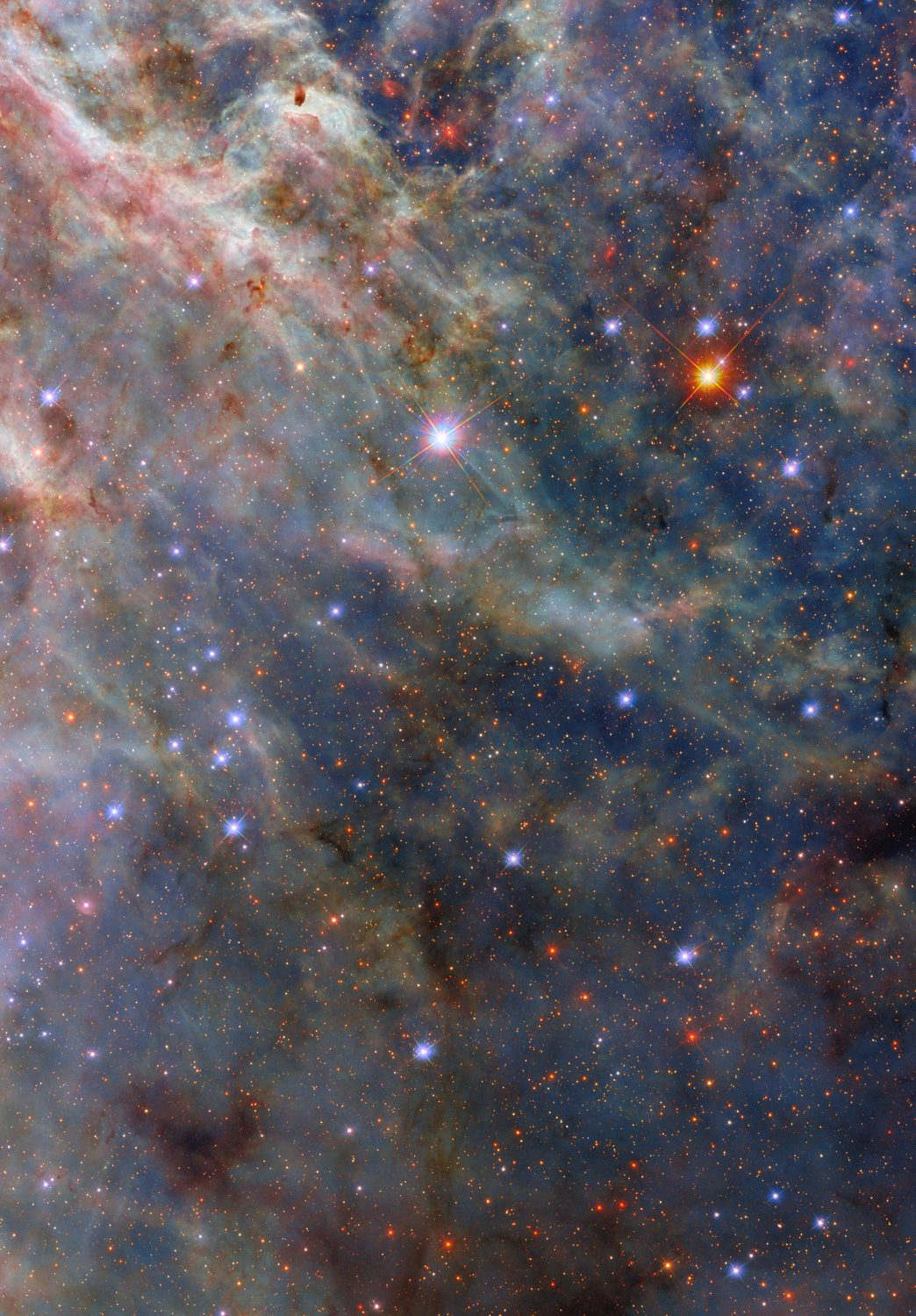
Credit: ESA/Hubble & NASA, C. Murray
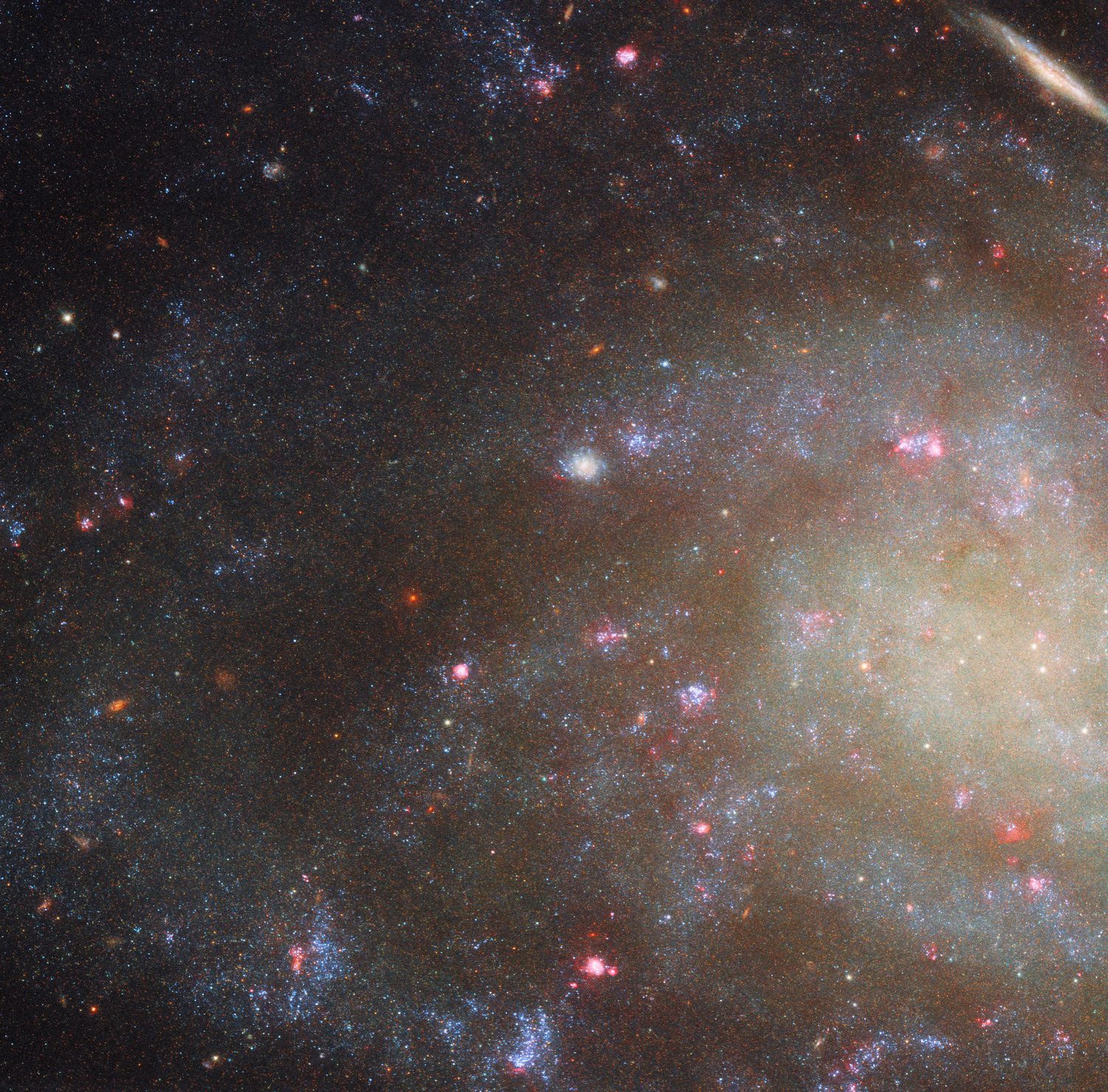
Credit: ESA/Hubble & NASA, D. Calzetti, R. ChandarAcknowledgement: M. H. Özsaraç
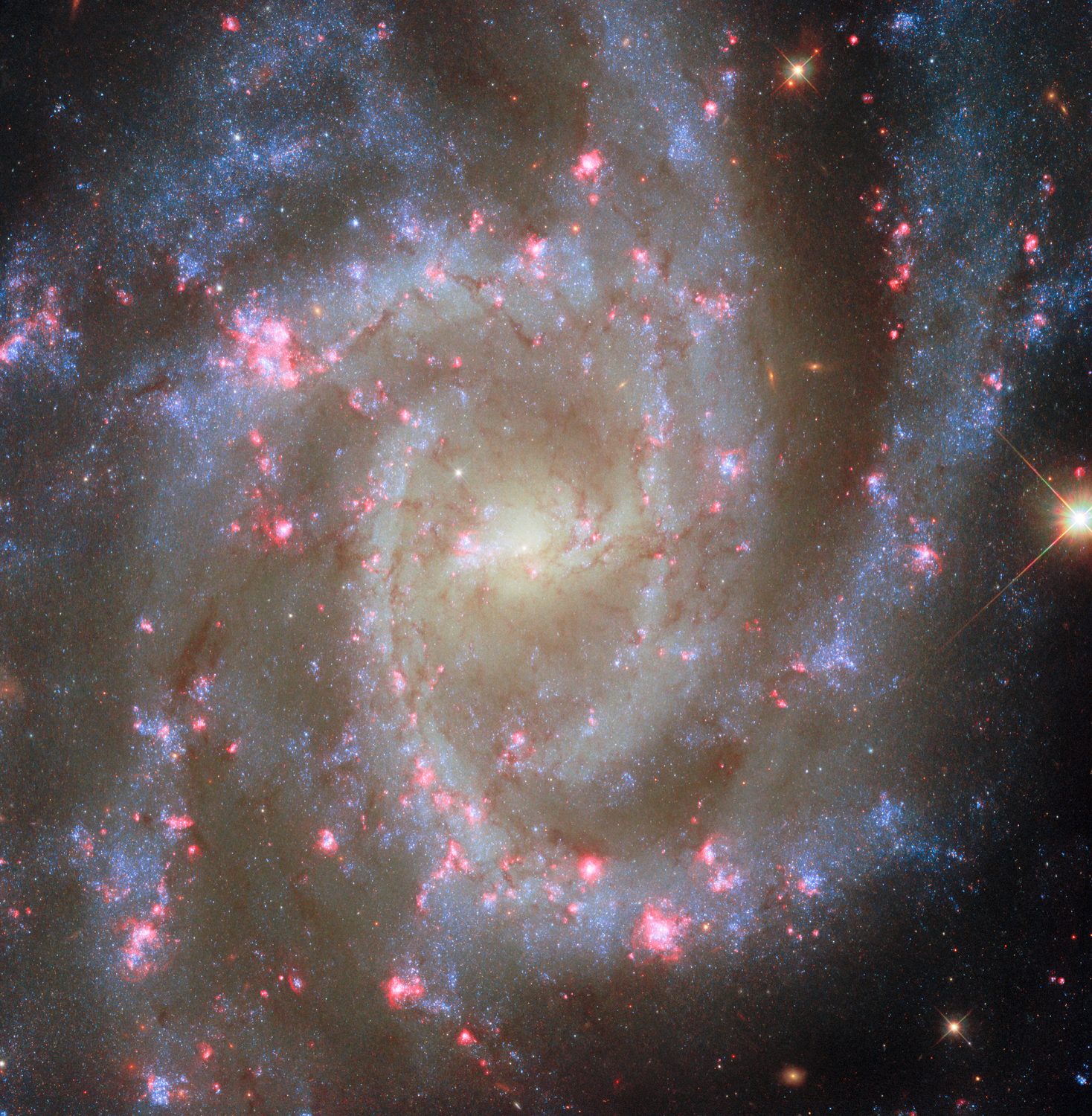
Credit: ESA/Hubble & NASA, R. Chandar, J. Lee and the PHANGS-HST team
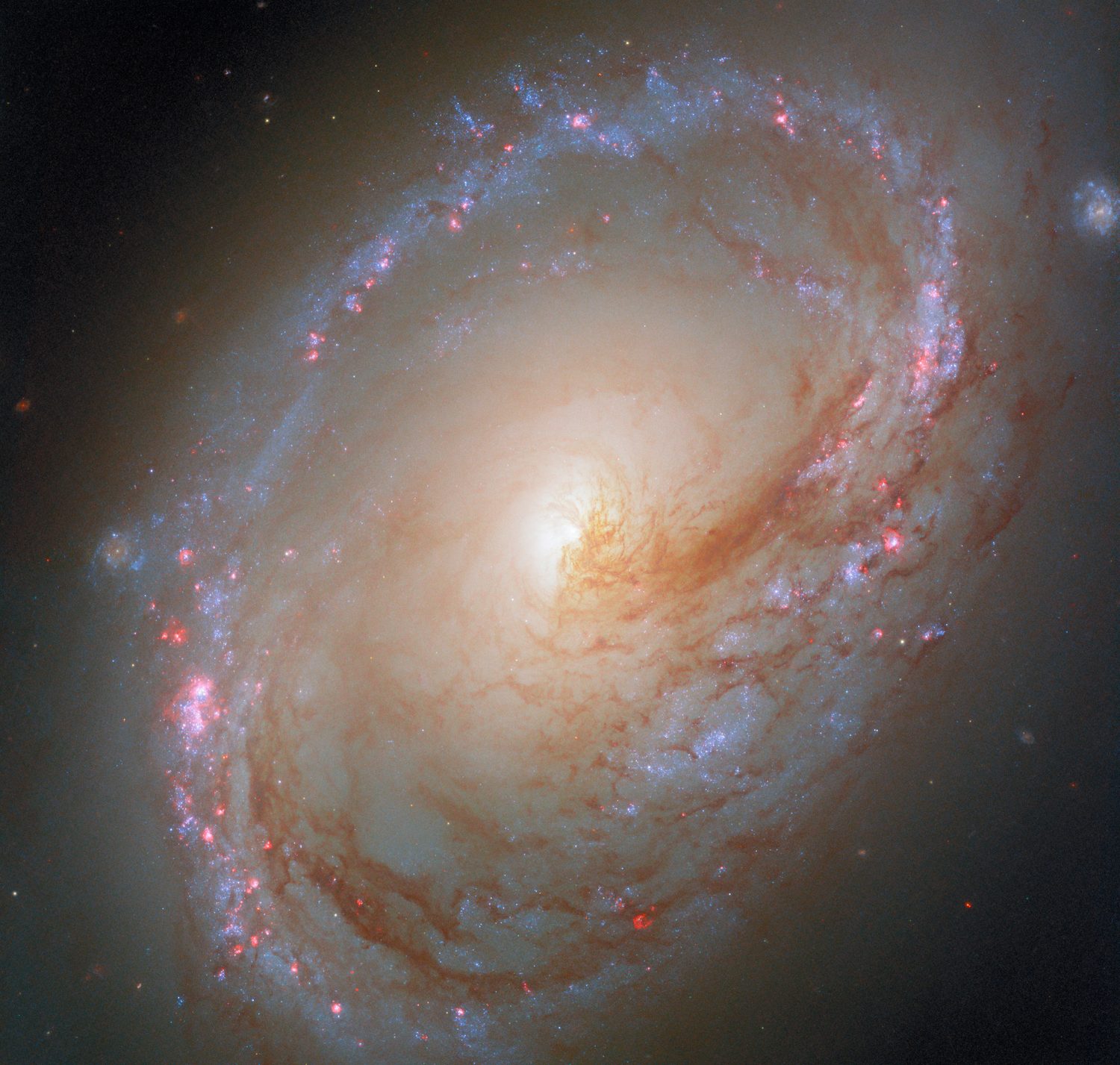
Credit: ESA/Hubble & NASA, F. Belfiore, D. Calzetti
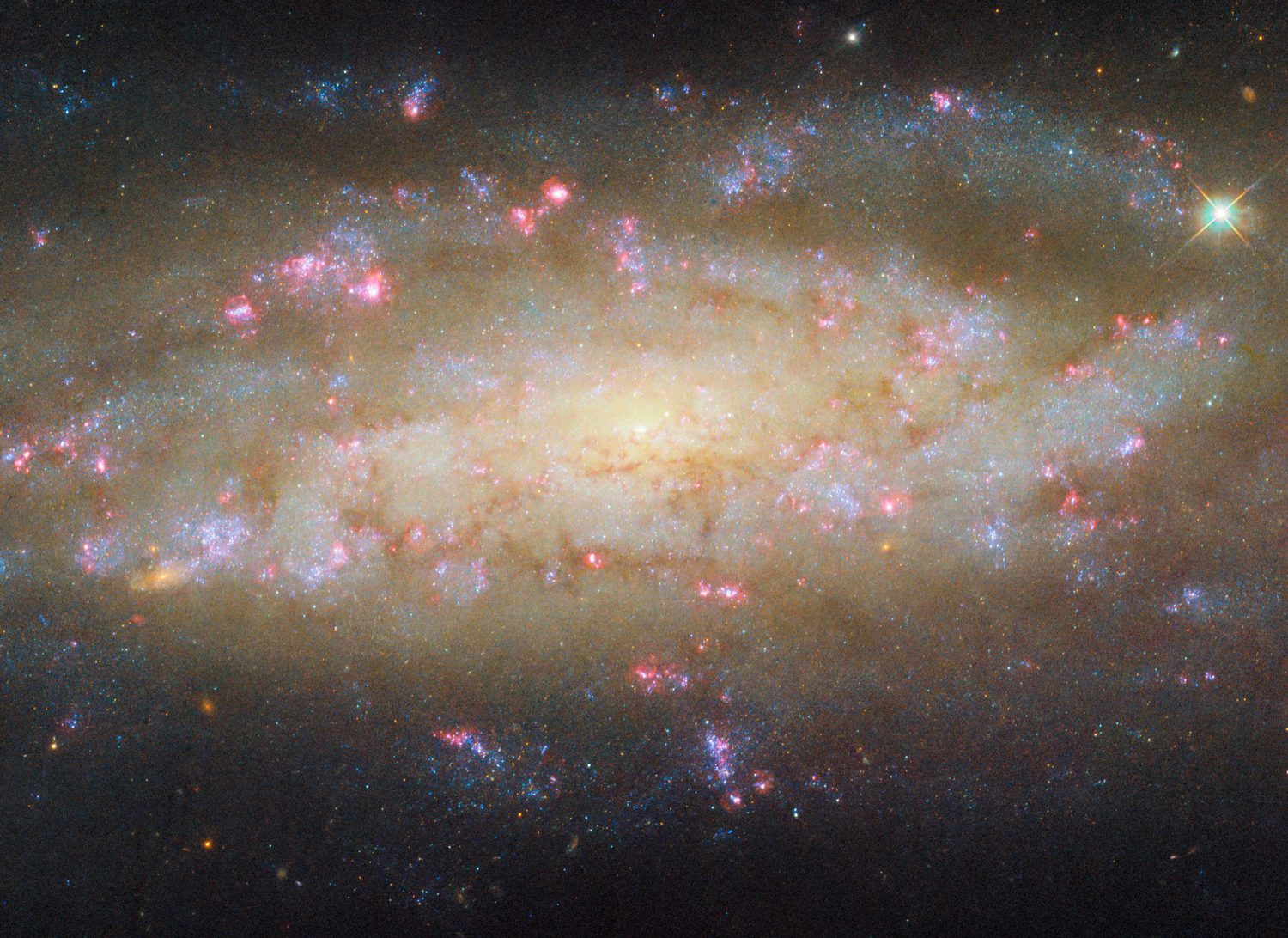
Credit: ESA/Hubble & NASA, D. Thilker
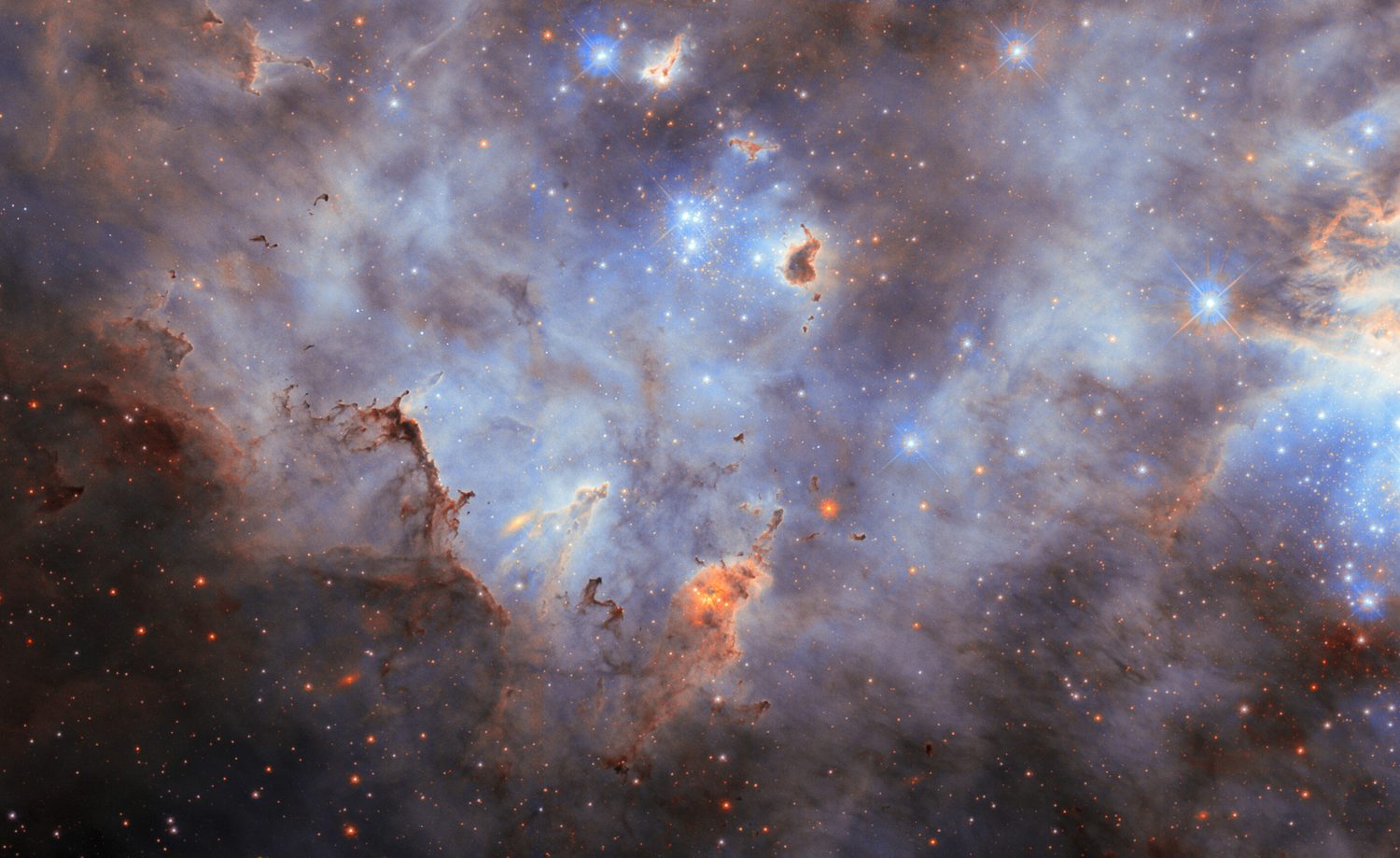
Credit: ESA/Hubble & NASA, C. Murray, J. Maíz Apellániz
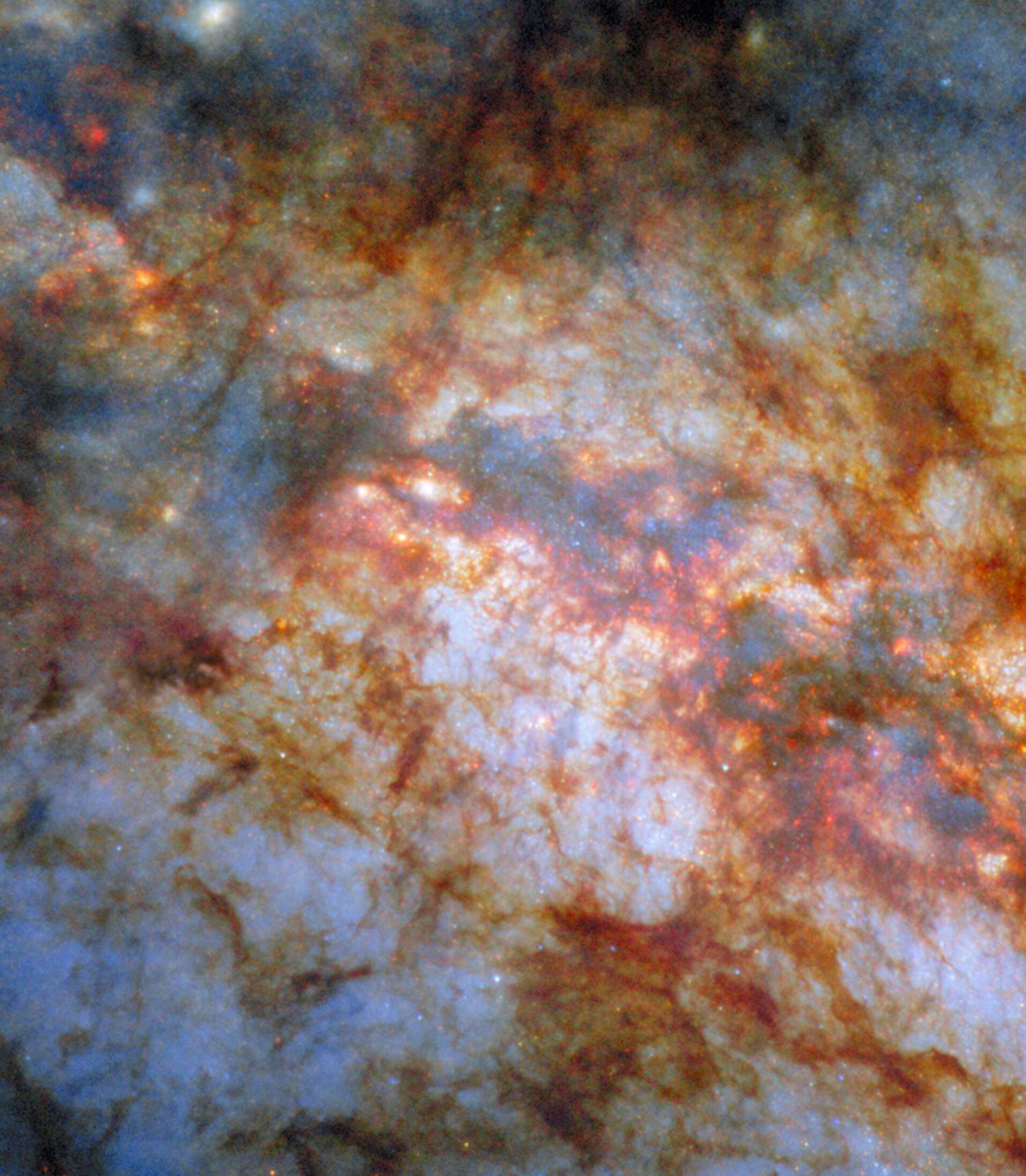
Credit: ESA/Hubble & NASA, W. D. Vacca
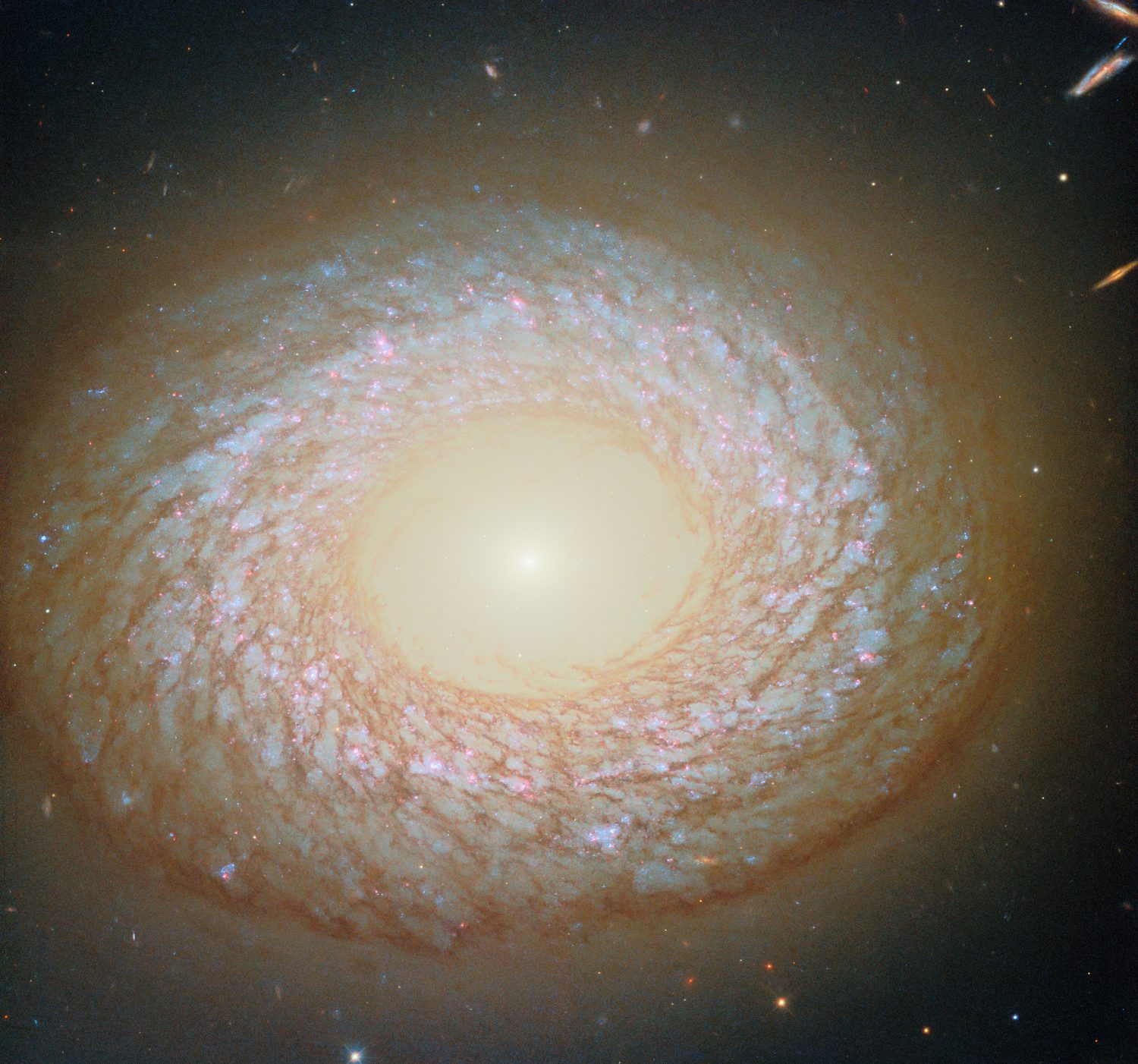
Credit: ESA/Hubble & NASA, F. Belfiore, J. Lee and the PHANGS-HST Team
Part Two — Roman
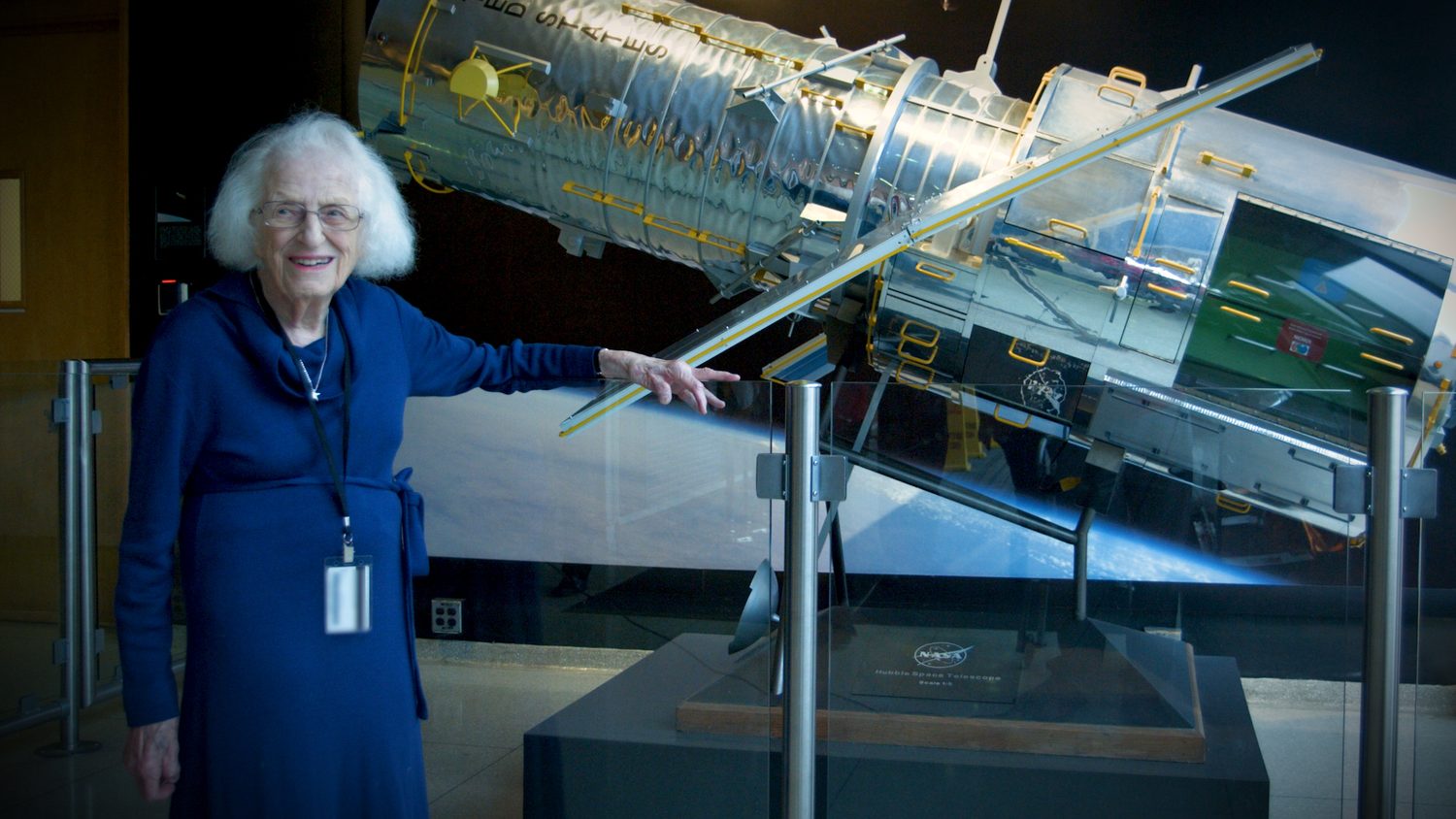
Credit: NASA
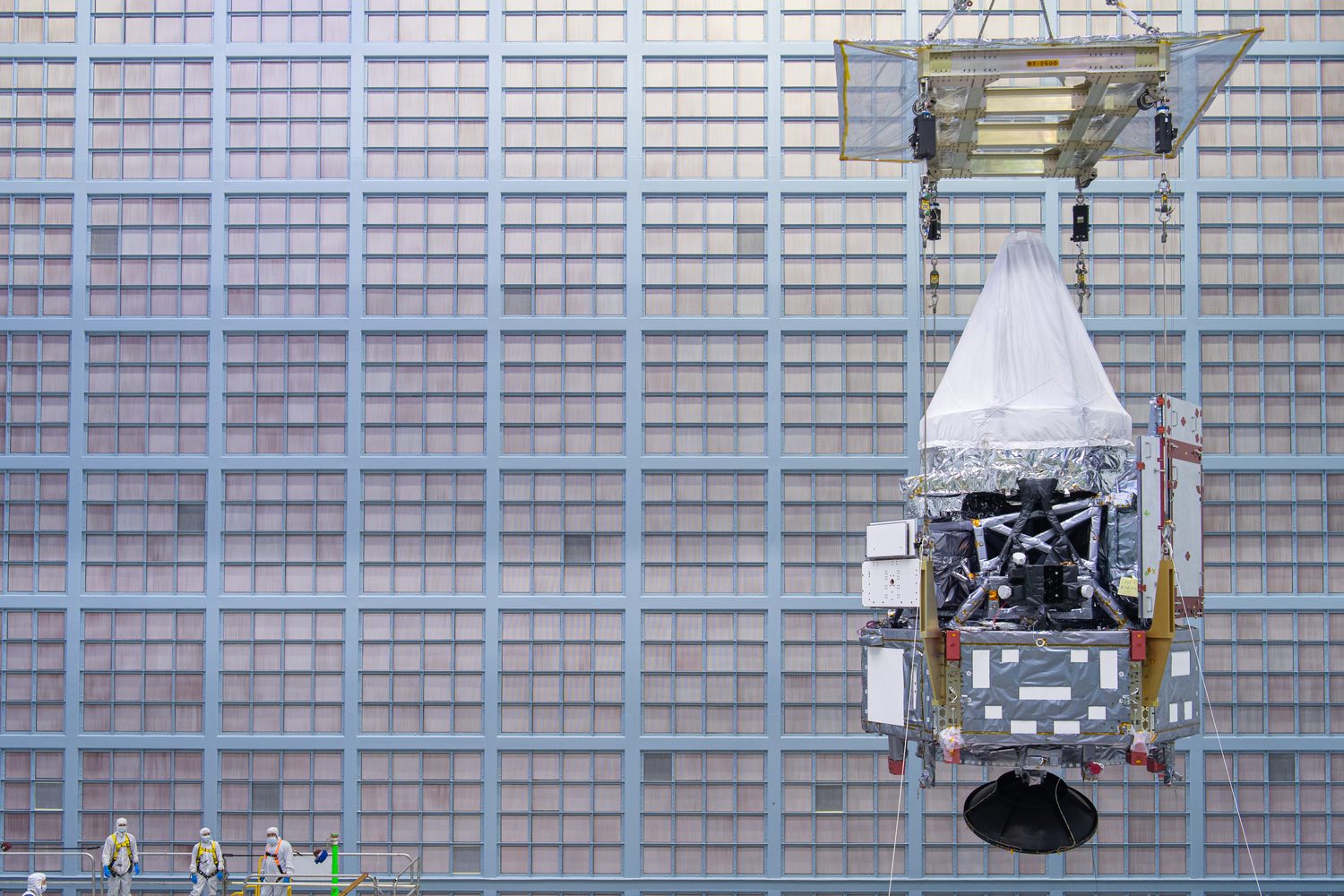
Credit: NASA/Goddard Space Flight Center/Michael Guinto
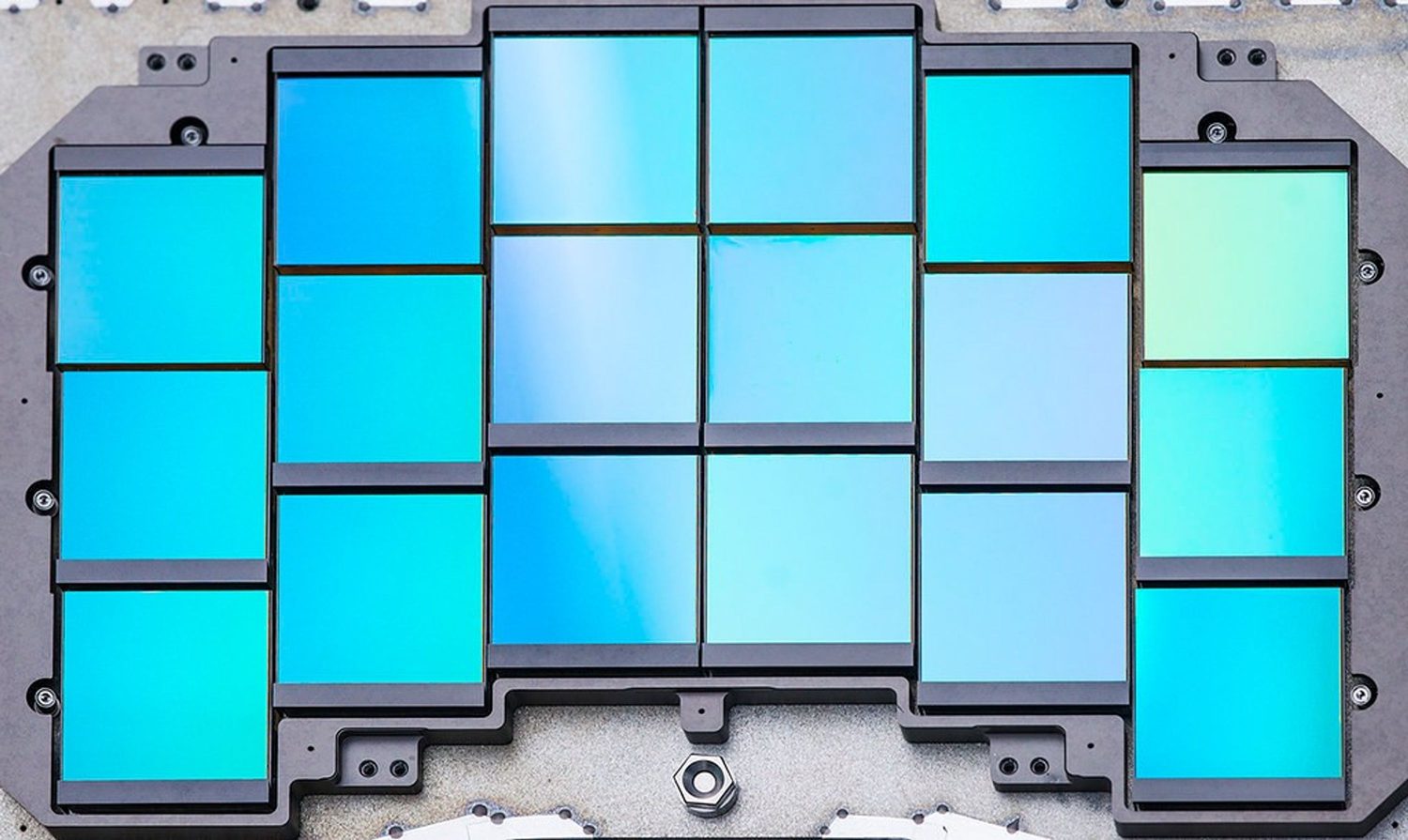
Credit: NASA/Chris Gunn
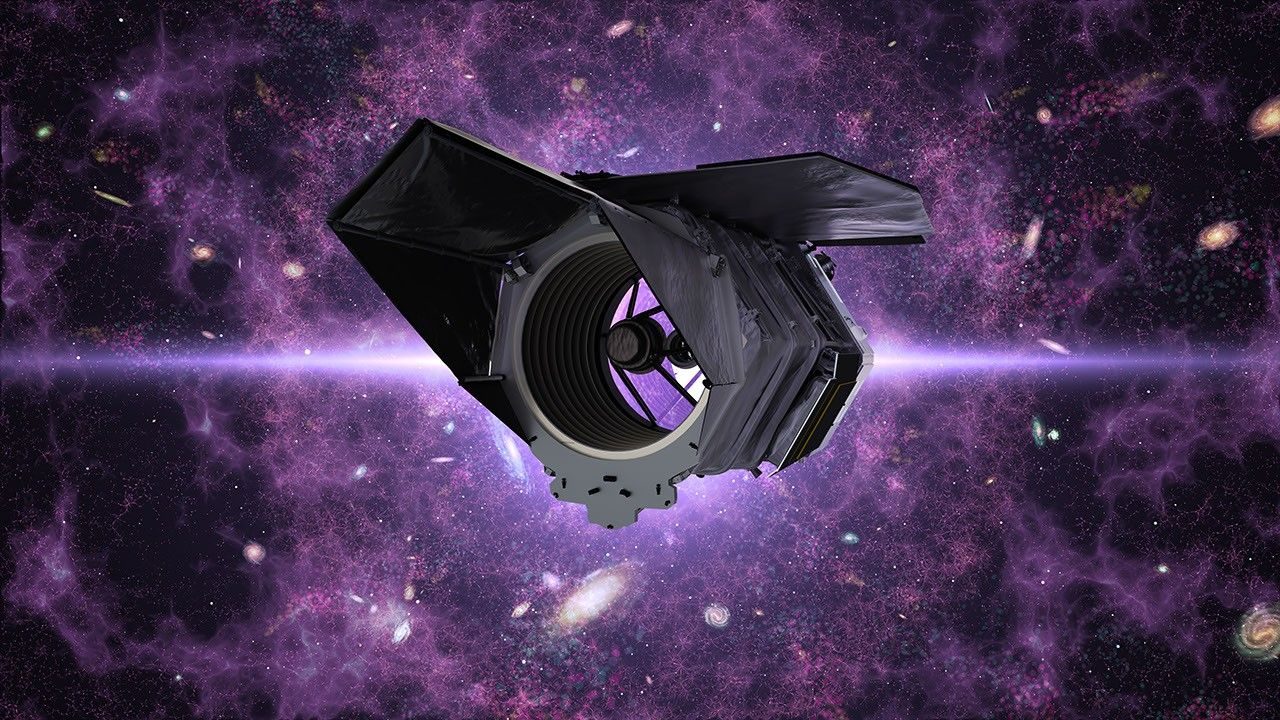
Credit: NASA's Goddard Space Flight Center
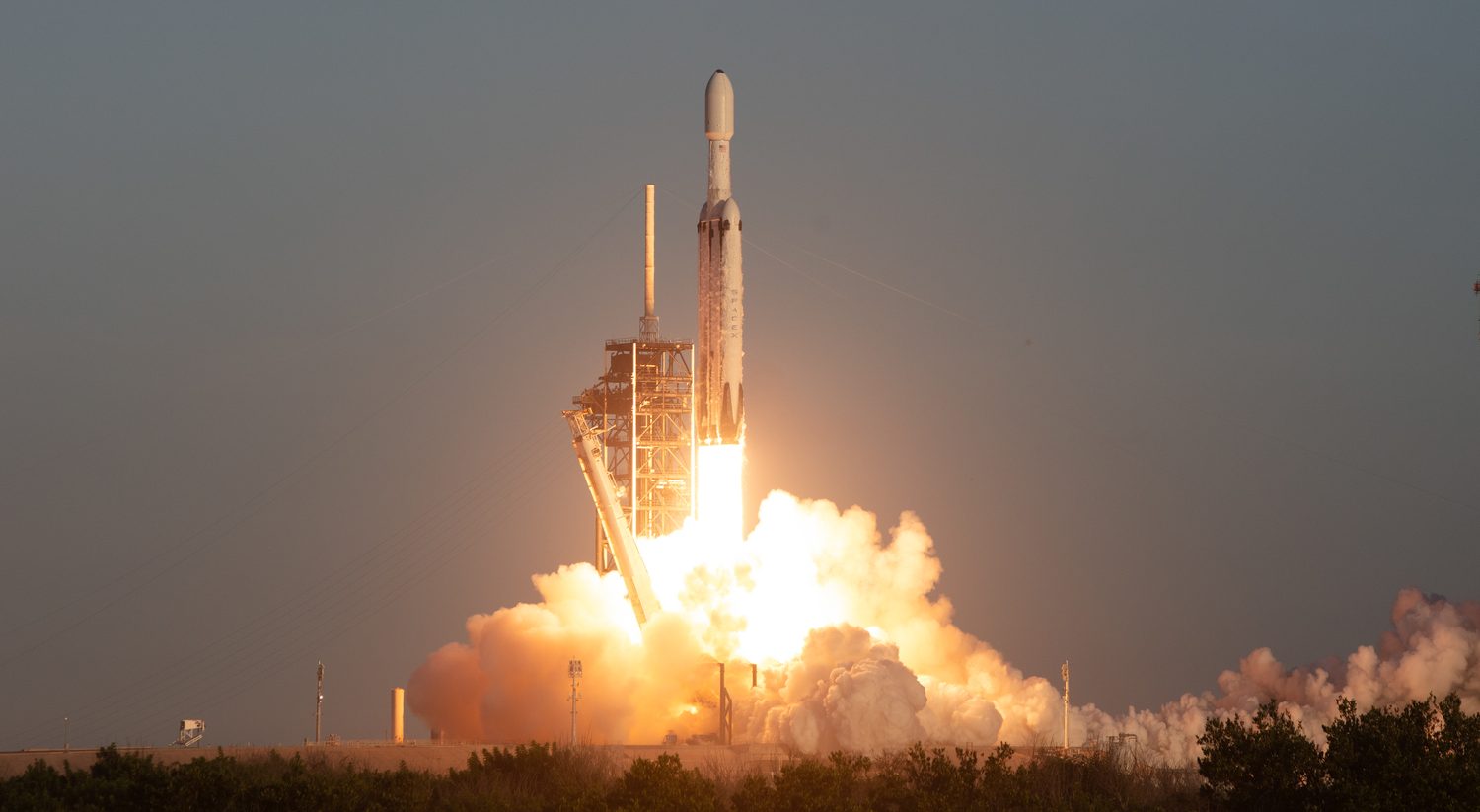
Credit: NASA/Joel Kowsky
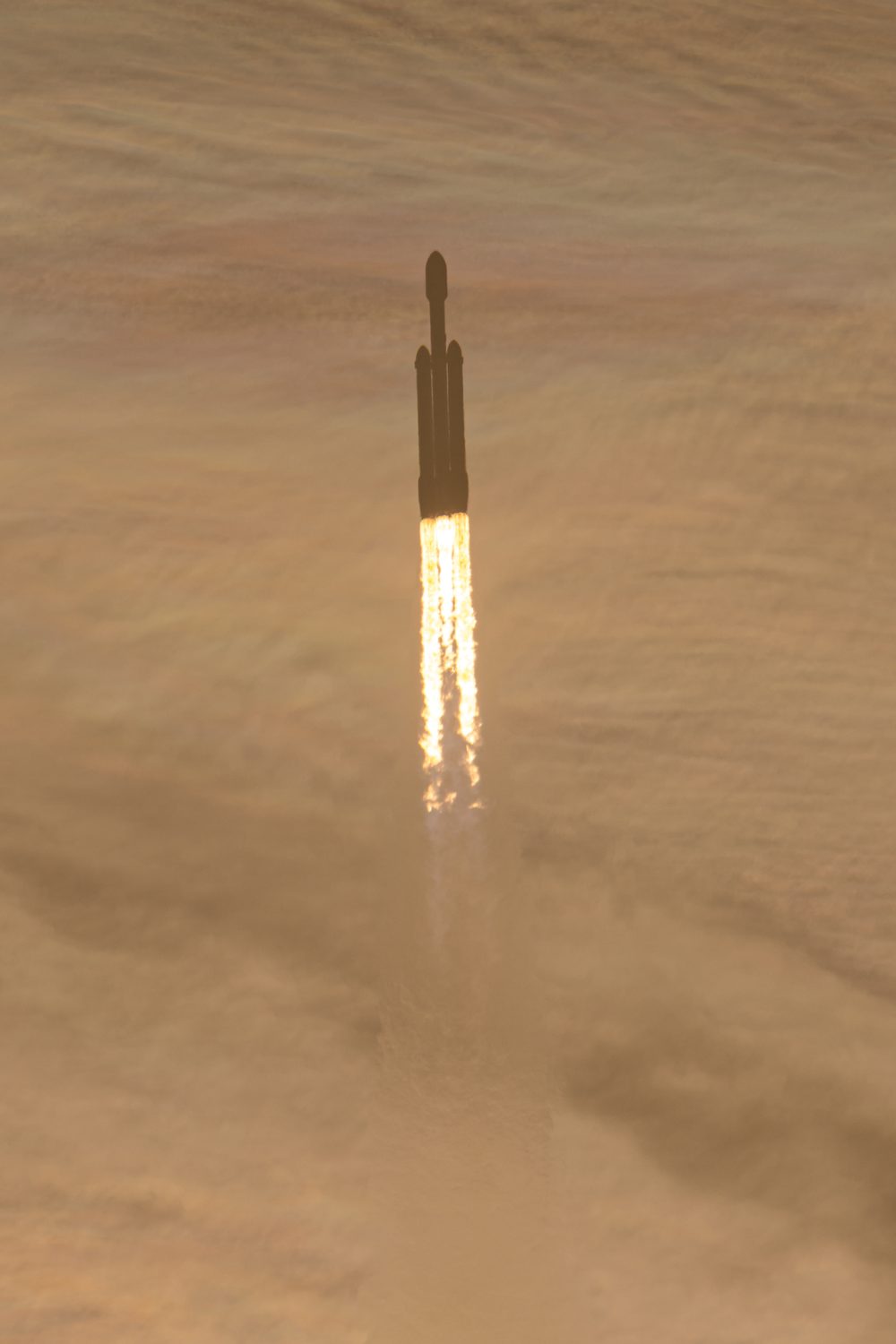
Credit: NASA/John Kraus
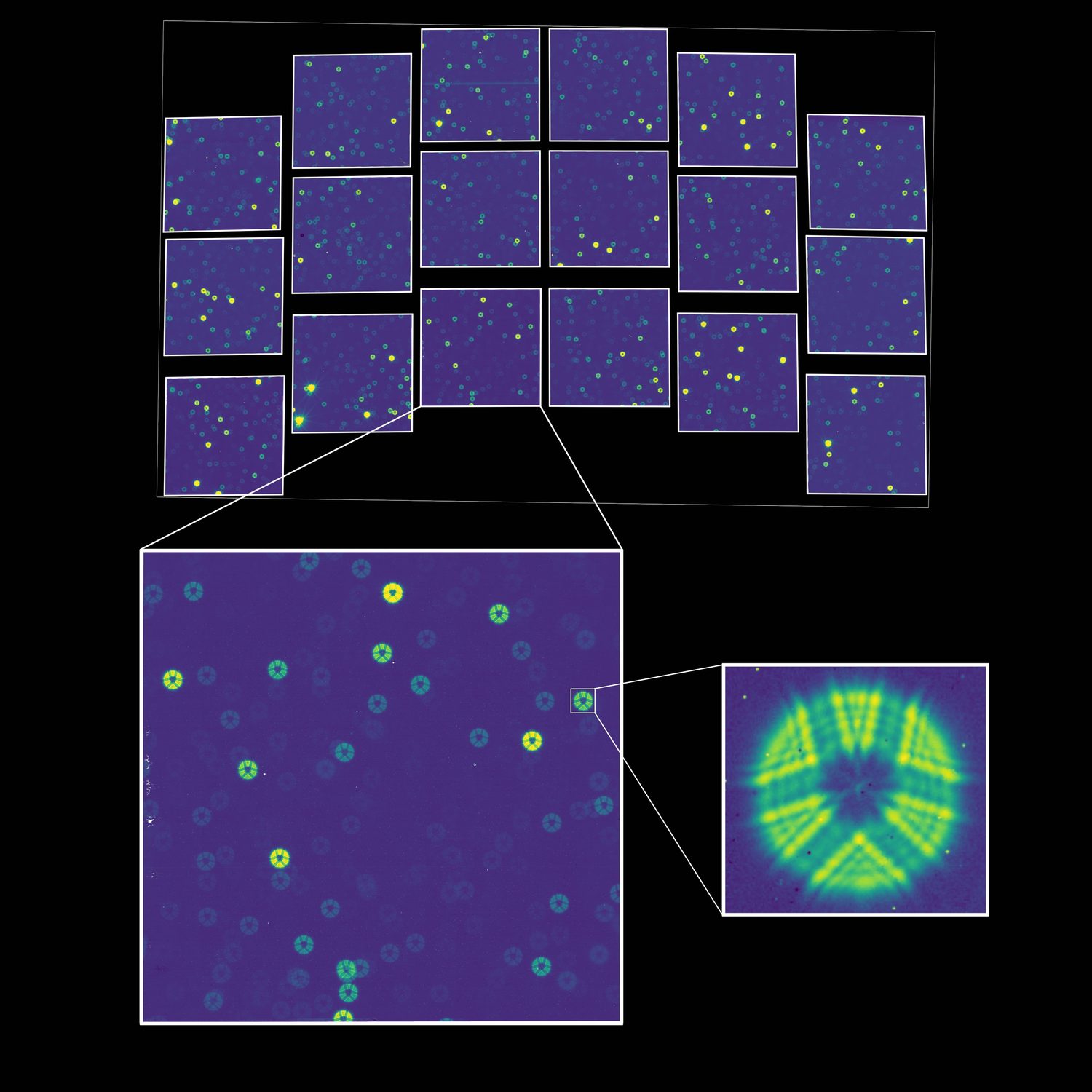
Credit: NASA's Goddard Space Flight Center, Tyler Desjardins (STScI)
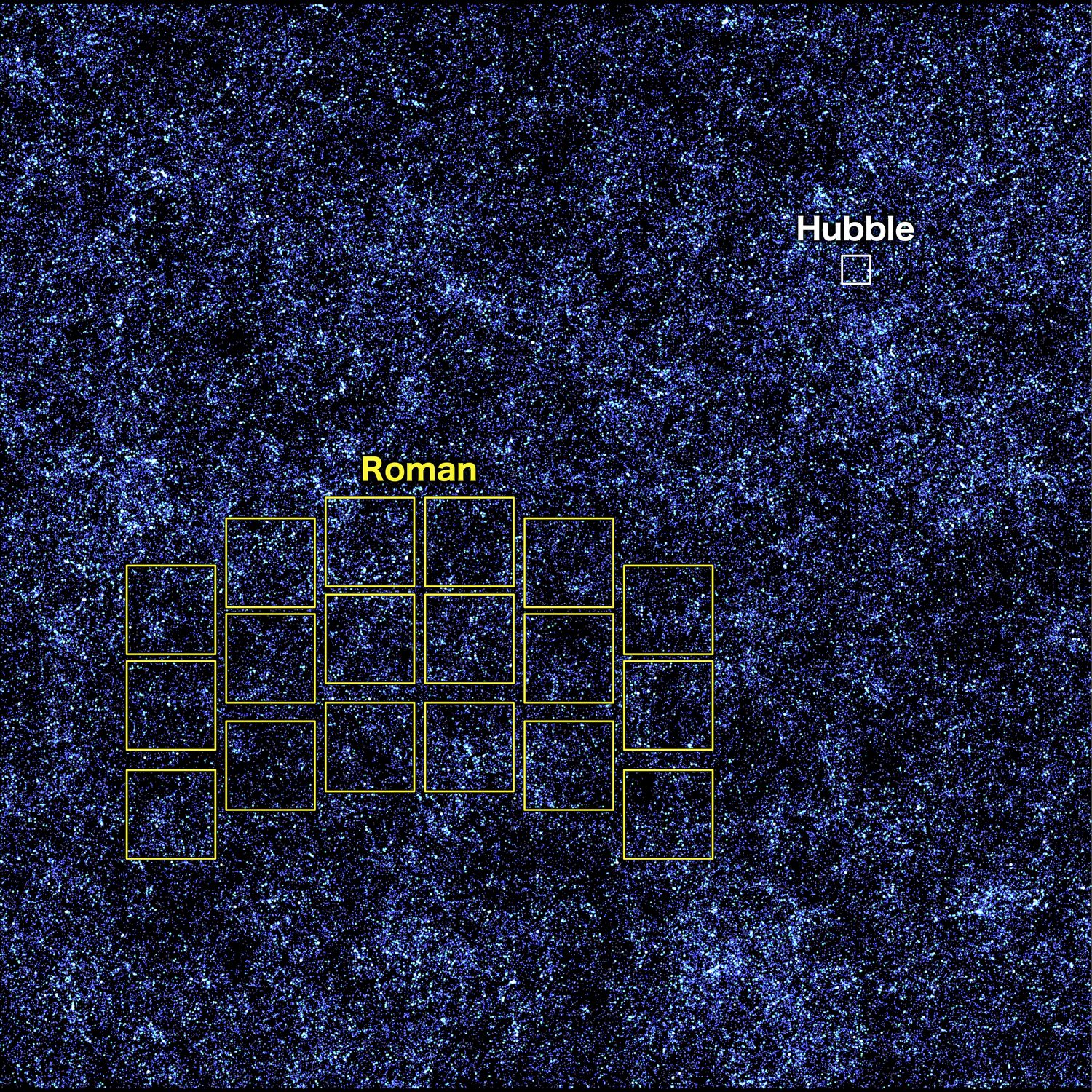
Credit: NASA's Goddard Space Flight Center and A. Yung
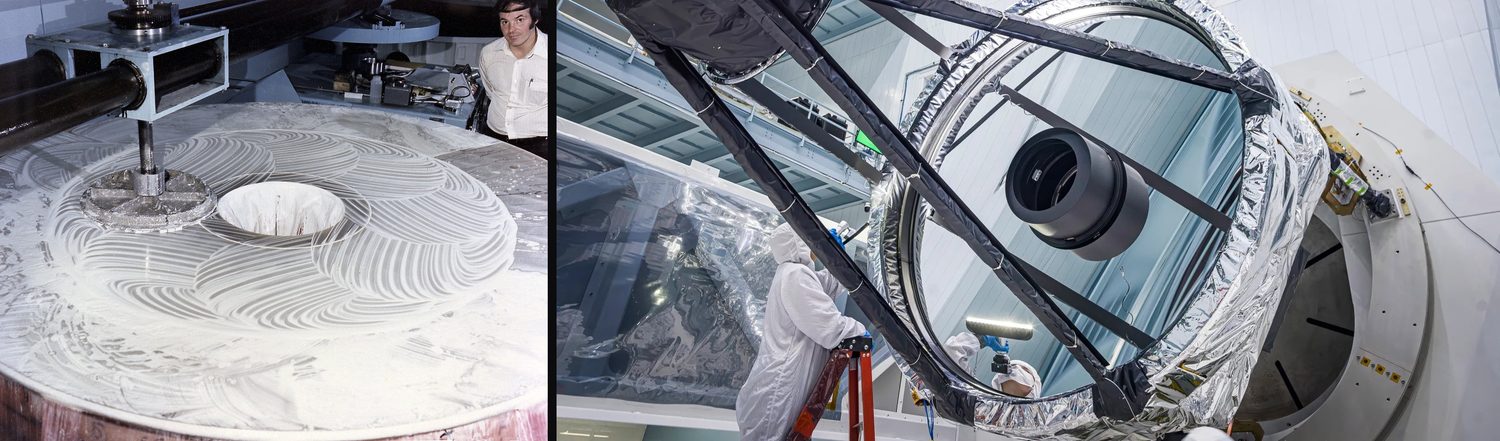
Credit: NASA (Hubble mirror, left); NASA/Chris Gunn (Roman mirror, right)
About the author
Douglas J. Brownfield is an independent builder and artist based in America. He builds self-custodial software tools — programs designed so the people who use them keep hold of their own work — and he writes about what it is actually like to work with AI day after day: where it shines, where it guesses, and where it has to be watched.
His artwork — from book art to ink on canvas to graphic apparel design — takes its cues from whatever he's been looking at: deep space, riverboats, and more to come. One of them carries the art of his first book; a second, in four stages, carries the second.
His second book, Before Q-Day, grew out of his own preparation as a holder — a scheduled change to the mathematics his holdings depend on, researched the way he builds: from primary sources, with the unknowns stated plainly.